Hazards
Buying or selling — lead and asbestos disclosure
Buying or selling an older home can raise hard questions about lead paint and asbestos. The safest first step is simple: do not disturb suspected material, keep people away, and have it tested by a certified professional first.
Don't disturb it
Sanding, scraping, cutting, or breaking material that may contain lead or asbestos is what releases the hazard. Leave it alone, keep people and pets away, and get it tested by a certified pro first.

What to do right now
If you are buying, selling, or preparing for repairs in an older home, do not sand, scrape, cut, drill, or demolish anything you think may contain lead paint or asbestos. Disturbing the material can release dangerous dust or fibers into the air.
Keep children, pregnant people, and pets away from the area until you know what the material is. If paint is peeling or a ceiling, pipe wrap, tile, or other old material looks damaged, leave it alone as much as possible and avoid cleaning it in a way that stirs up dust.
- Stop any renovation, repair, or demolition in the area.
- Limit access and do not let anyone disturb the material.
- Arrange testing by a certified lead or asbestos professional.
- If you are worried about possible lead exposure in a child, contact a doctor or your local health department.
Abatewell is a free matching and directory service. We do not test, inspect, remove, or abate lead paint or asbestos, and we do not give legal, regulatory, or medical advice.
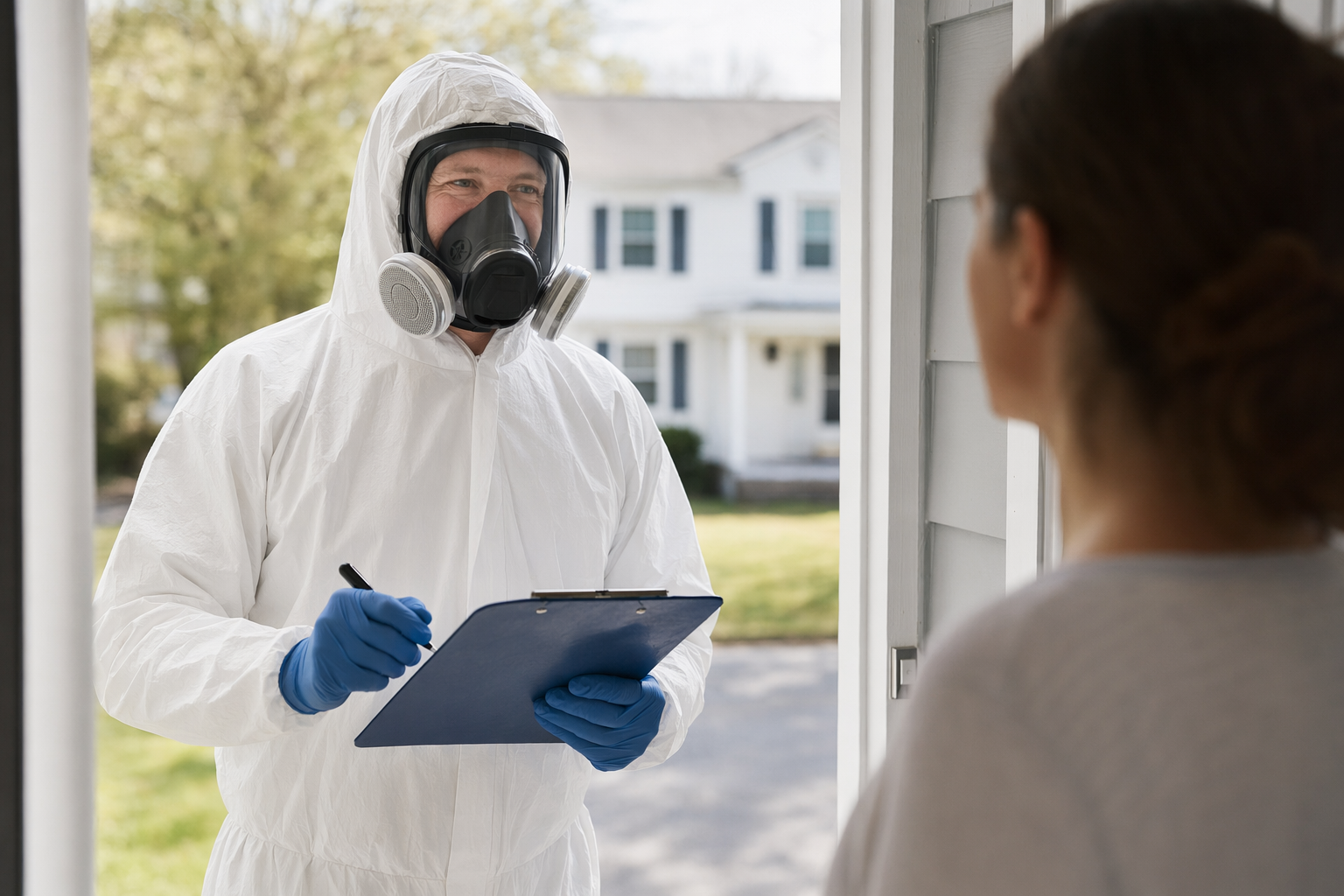
Why lead and asbestos matter in a home sale
Lead paint is a common concern in homes built before 1978. When old paint is intact and left alone, the immediate risk may be lower. But peeling paint, friction surfaces like old windows and doors, and renovation work can create lead dust. Lead dust is especially dangerous for young children because even small amounts can harm development.
Asbestos may be found in some older flooring, ceiling materials, insulation, pipe wrap, siding, roofing, textured coatings, and other building products. Like lead, it is often most dangerous when it is damaged or disturbed. Cutting, sanding, breaking, or removing asbestos-containing material can release fibers that people may breathe in.
A home sale does not always mean something must be removed right away. Sometimes the key question is whether a material is present, what condition it is in, and whether any work will disturb it. Clear testing and written information can help buyers and sellers make decisions without guesswork or panic.
Disclosure rules and what buyers and sellers should ask
For housing built before 1978, federal law generally requires sellers and landlords to give buyers or tenants an EPA-approved lead warning form, any known information about lead-based paint or lead hazards, and the EPA pamphlet about protecting families from lead in the home. Buyers usually get a short opportunity to conduct a lead inspection or risk assessment unless that right is changed by mutual agreement in the contract.
Asbestos disclosure rules are less uniform. What must be disclosed can depend on state and local law, what the seller actually knows, and the type of property and transaction. Because these rules vary, it is wise to ask direct questions in writing and review your contract, inspection terms, and state disclosure forms carefully.
This page is general educational information only, not legal advice. If you need legal guidance about disclosures, contract rights, or a specific transaction, talk with a qualified real-estate attorney or your state or local housing authority.
- Ask whether the seller has reports, invoices, or prior abatement records.
- Ask whether any renovations were done in a pre-1978 home and who performed them.
- Ask whether damaged materials were ever tested by an accredited lab.
- Keep copies of all disclosures, inspection reports, and testing results.
How testing works before closing or before renovation
If lead paint is a concern, a certified lead inspector or risk assessor may use an XRF analyzer, collect dust or paint-chip samples, or recommend a broader risk assessment depending on the situation. If asbestos is suspected, a trained professional usually inspects the material and takes samples carefully so they can be analyzed by an accredited laboratory.
Testing is often worth considering before you close on an older home, before repairs begin, or before a seller starts fixing cosmetic issues for listing. It can be especially useful if there is peeling paint, water damage, old floor tile, popcorn ceiling, pipe insulation, or any planned renovation that would disturb building materials.
Do not rely on guesswork, age alone, or a handyman's opinion. A proper inspection helps you understand whether the material is actually hazardous, whether it is damaged, and whether licensed abatement or special work practices are needed. You can learn more in our hazards hub and our guide on how to test for asbestos.
What the law usually requires when work will disturb it
If renovation, repair, or painting will disturb painted surfaces in a pre-1978 home, federal EPA Lead RRP rules may apply. In plain language, contractors doing this work generally must be EPA Lead-Safe Certified firms and use lead-safe work practices to control dust and clean up properly. Buyers and sellers should verify a firm's certification themselves rather than just taking someone's word for it.
Asbestos work is heavily regulated at the state level. In many states, inspection, handling, removal, and disposal of asbestos-containing material require specific licenses, notifications, containment methods, worker protections, and approved disposal procedures. The exact rules vary by state, locality, and type of material.
For both hazards, proper containment and disposal matter. Red flags include anyone who says they will "just scrape it off," sand it without controls, remove suspicious insulation without containment, or haul debris away like ordinary trash if special handling is required. Always get the scope of work in writing, and verify licensing, certification, and insurance with your state agency or the EPA before work starts.
Typical testing and abatement costs
Costs can vary a lot based on the material, how much there is, access, your area, whether the material is damaged, and what testing, containment, and disposal are required. These are general ranges, not quotes or guarantees.
Lead paint testing in a home sale may range from roughly $250 to $800+ for limited testing, while more complete inspections or risk assessments can run higher. Asbestos sampling and laboratory analysis may start around $300 to $1,000+ depending on how many samples are needed and where the materials are located.
If abatement is needed, costs can rise quickly. Small lead paint stabilization or localized abatement jobs may start in the hundreds or low thousands, while larger projects can run several thousand dollars or more. Asbestos removal may range from around $1,500 for a small, accessible project to many thousands for larger or more complex work with containment, air monitoring, and disposal.
For broader examples, see our costs guide. The real price depends on site conditions and legal requirements in your area.
How to find a licensed, certified professional
When time matters in a transaction, look for professionals who clearly explain what they do: testing, inspection, risk assessment, or abatement. Ask what certification or license they hold, whether they carry insurance, what laboratory they use for samples, how they contain dust or fibers, and how waste will be handled and disposed of.
Abatewell is free for homeowners and renters. We can help you find local professionals for testing or abatement through our free matching service. We collect contact and project details only, such as your name, phone, optional email, concern type, ZIP code, rough home age, and preferred language.
Before you hire anyone, verify their certification, license, and insurance yourself with the EPA or your state authority. Get the scope and price in writing. Be cautious of scare tactics, pressure to sign right away, cash-only deals, missing paperwork, or anyone who wants to disturb suspected material before it is properly assessed.
- Verify EPA Lead RRP certification for firms disturbing paint in pre-1978 homes.
- Verify state asbestos licensing for inspection or abatement where required.
- Ask for written containment, cleanup, and disposal steps.
- Confirm whether lab testing will be done by an accredited laboratory.
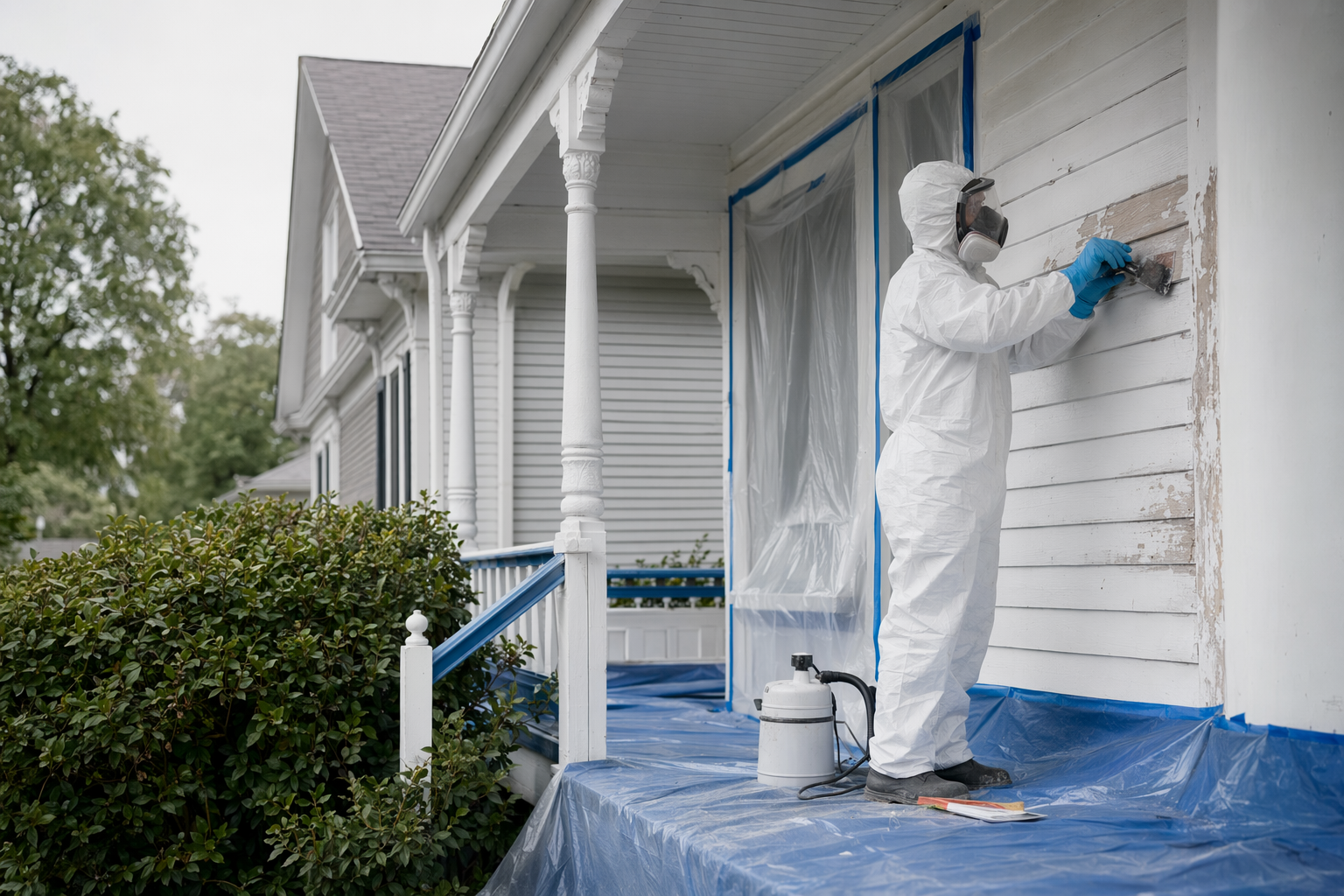
When buying or selling an older home, do not disturb suspected lead paint or asbestos—get it tested first, understand the disclosure rules, and verify any professional's certification yourself.
Common questions
Do sellers have to disclose lead paint?
For most homes built before 1978, federal law generally requires sellers to disclose known lead-based paint and lead hazards and provide specific warning information. State and local rules may add more requirements.
Do sellers have to disclose asbestos?
That depends more on state law and what the seller knows. In many places, known material facts about a property must be disclosed, but the exact asbestos rules can vary by state and transaction type.
Should I test for lead or asbestos before buying an older home?
It can make sense, especially if the home is older, materials are damaged, or you plan to renovate. Testing by a certified professional can reduce guesswork and help you understand the true condition and likely next steps.
Can I remove suspected lead paint or asbestos myself before listing?
That is usually not the safest choice. Do not disturb suspected material yourself; removal and even minor disturbance may be regulated, and improper work can spread dust or fibers and create bigger problems.
What if a contractor says testing is not necessary?
Be careful. If material is suspected and work will disturb it, testing is often the safest first step, and regulated work may require specific certification, licensing, containment, and disposal. Verify credentials yourself.
Is Abatewell a testing company or abatement contractor?
No. Abatewell is a free matching and directory service that helps you find local licensed or certified professionals. We do not test, inspect, remove, or abate lead paint or asbestos.