Guides
How to test for asbestos safely
Asbestos testing helps confirm whether materials in your home contain asbestos—without guessing. This guide explains the safest “test first” approach, how certified pros sample, and how to verify results.
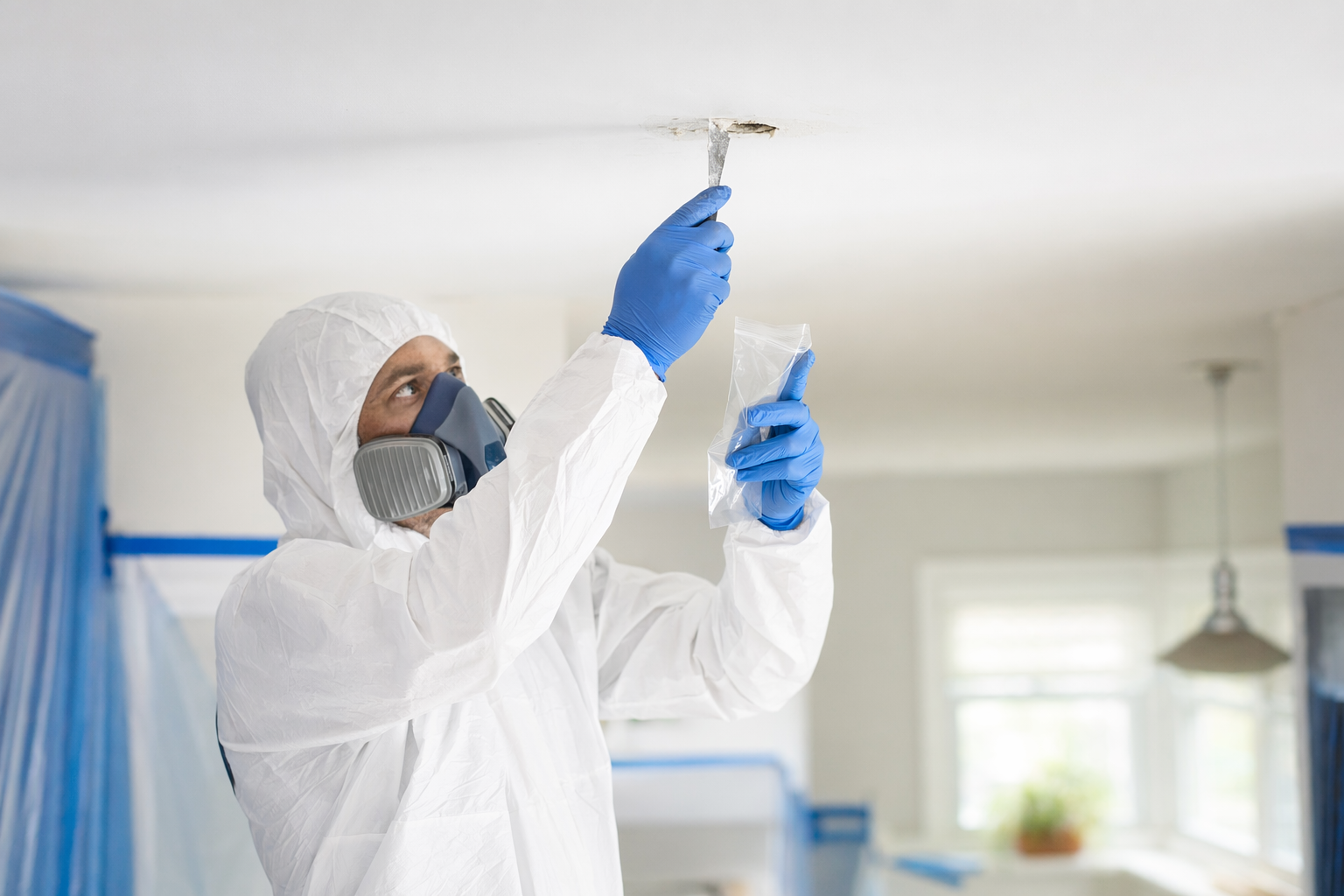
What to do right now (safe testing starts before anyone touches it)
1. Don’t disturb anything that might contain asbestos (no sanding, scraping, drilling, cutting, sweeping, or vacuuming).
2. Keep people—especially kids, pregnant people, and anyone with breathing problems—away from the area.
3. If you already disturbed it, stop and isolate the area. Contact a certified asbestos professional for guidance on next steps and cleanup options.
4. Ask for asbestos testing from a qualified, licensed/certified inspector and an accredited lab that can analyze samples.
- If materials are crumbling, you see dust, or there’s ongoing damage, treat it as urgent and limit access until it’s assessed.
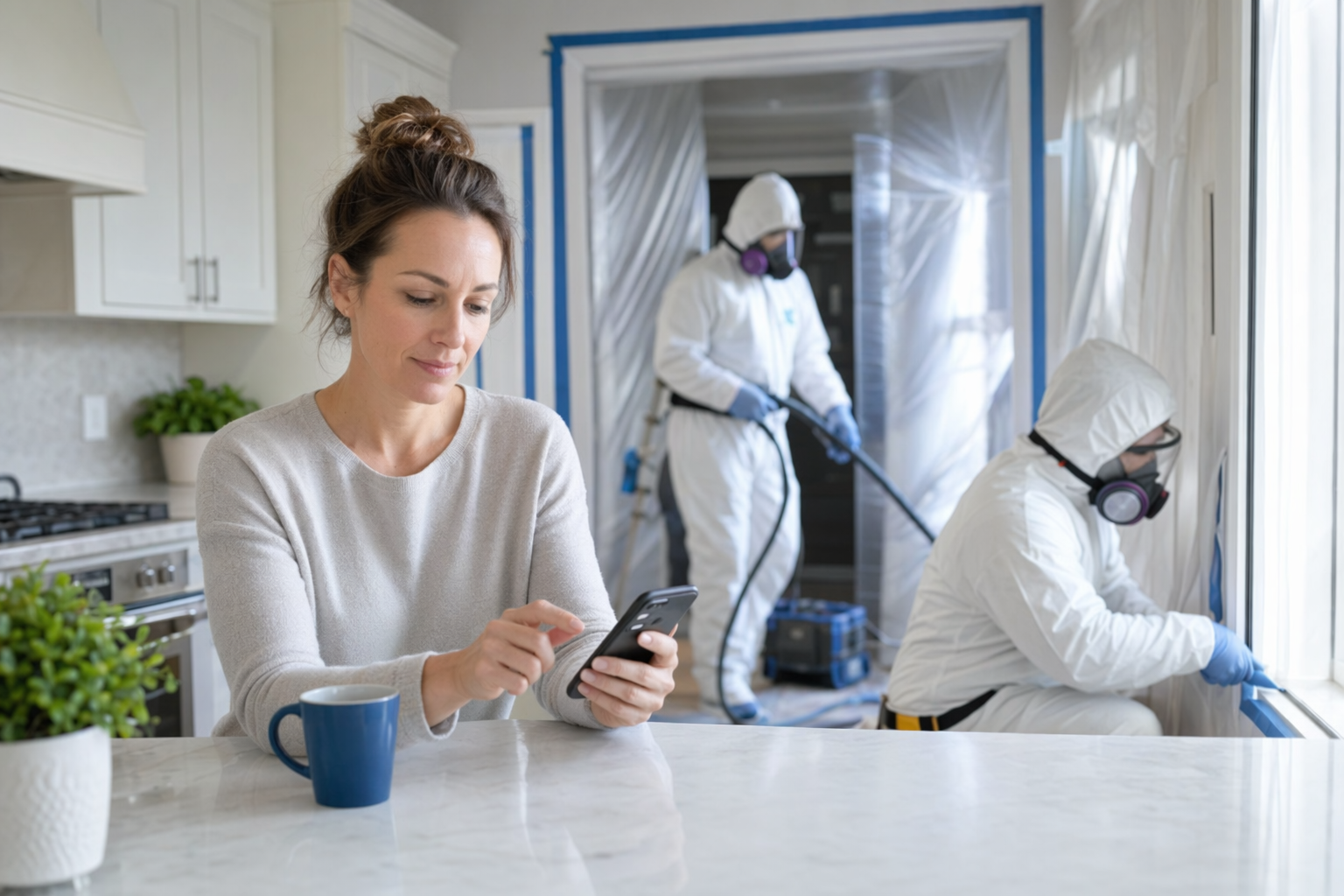
Why “test first” matters
Asbestos fibers can be released when materials are cut or damaged. When you DIY test by taking samples yourself, you may spread dust to the rest of the home—making exposure more likely.
In many homes, asbestos could be present in areas like older insulation, some ceiling tiles, textured paint, floor tiles/mastic, boiler insulation, pipe insulation, and certain duct wrap. The key point is that you generally can’t reliably identify asbestos just by looking.
Because asbestos work is tightly regulated, safe testing usually involves controlled collection methods, proper packaging, and chain-of-custody handling so the lab can trust what it received.
- Even “small” disturbances can create airborne dust—so the safest step is to avoid handling suspected material until a pro tests it.
How certified asbestos testing typically works (high level)
In most cases, a qualified inspector will inspect the home, identify “suspect” materials based on building age and condition, and then collect a limited number of samples.
Sampling is done to reduce fiber release. You may see the pro use containment practices and protective gear, and they’ll keep the work area controlled. The samples are then sealed, labeled, and sent to an accredited laboratory for analysis.
After the lab returns results, you’ll receive a report that states whether asbestos is detected and (often) what material types were tested. If asbestos is confirmed, you’ll usually need a licensed abatement contractor for removal or stabilization—not DIY.
- A good process focuses on containment, minimizing disturbance, and using an accredited lab—not guessing from appearance.
How to verify your pro is truly qualified (state licensing + lab accreditation)
Rules vary by state, but asbestos abatement typically requires state licensing, and inspectors/testing services may also require specific certification or licensing depending on where you live. Before anyone samples, verify the individual/company’s status with your state agency.
For testing, also ask whether the lab is accredited to run the needed method(s). Lab accreditation and the specific analysis method can affect what you can rely on. Request documentation of the lab’s accreditation and confirm it matches the samples you’re collecting.
For lead paint, EPA uses the Lead RRP certification for disturbing paint in many pre-1978 homes—but asbestos rules are separate. If your project involves both concerns (common in older homes), ask how the pro will handle each hazard appropriately and safely. Avoid anyone who mixes up procedures or says certification doesn’t matter.
- Ask for proof of licensing/certification from your state and proof of lab accreditation before testing begins.
- Get everything in writing: scope of work, sampling plan approach (limited number of samples), lab used, and reporting format.
What the results usually mean (and what happens next)
If asbestos is found, you generally do not “live with it” by disturbing it. Common next steps are either (1) leaving it undisturbed with management if conditions are stable, or (2) using a licensed abatement contractor for encapsulation, enclosure, or removal—depending on the material, condition, and your plans (like renovation or demolition).
If asbestos is not found in the tested materials, it doesn’t always guarantee there is none in other areas. Sampling is limited to what was accessible and what the inspector deemed suspect. If you plan renovation in other parts of the home, you may need additional assessment.
If results show asbestos, be cautious: removing or cleaning up without proper controls can spread fibers. The safer path is to follow the inspector’s recommendations and hire an appropriate licensed abatement professional when required.
- Ask whether the report includes the exact locations/materials tested and any recommendations for management or abatement.
Red flags (avoid asbestos testing scams or unsafe offers)
Be cautious if a company pressures you to sign immediately, refuses to provide documentation, or claims they can remove/“scrape and sand it off” themselves without proper containment and licensing. Asbestos work requires controlled methods and proper disposal—there’s no safe shortcut.
Avoid “cash-only” pressure, scare tactics (“everyone will die if you don’t act today”), or guarantees like “we’ll make it asbestos-free.” Also be wary of anyone who won’t name the lab they use, can’t explain the testing method, or won’t provide a written sampling/testing plan.
When in doubt, you can slow down. Ask questions, request proof of state certification/licensing and the lab’s accreditation, and make sure you understand what was tested and how the results will be delivered.
- No proof of licensing/certification + no containment approach + pressure tactics are strong red flags.
- Don’t agree to work that doesn’t include a credible sampling plan and a lab-backed result.
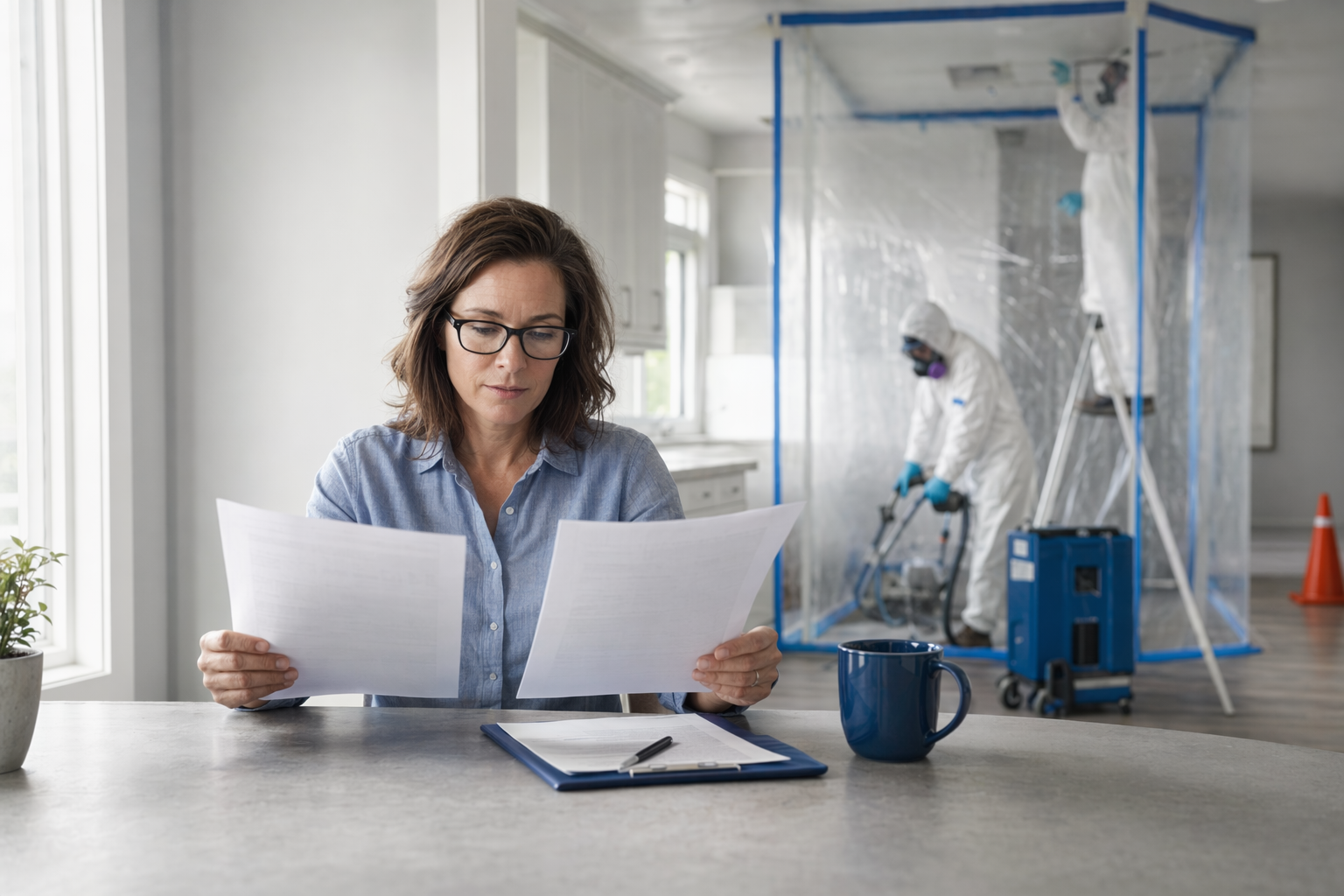
Don’t disturb suspected asbestos—keep people away and hire a certified inspector with an accredited lab so you get safe, reliable results before any renovation.
Common questions
Can I test for asbestos myself to save money?
DIY asbestos sampling can spread fibers if you cut or disturb suspected material, especially if you’re collecting dust or debris. For safer testing, it’s usually best to use a qualified inspector and an accredited lab so sampling is controlled and the report is reliable.
Where is asbestos most likely in older homes?
Asbestos has been used in various building materials. In older homes, suspect areas can include insulation (especially around boilers/pipes), some floor tile and mastic, textured coatings, ceiling tiles, duct wrap, and certain fireproofing materials. An inspector should determine what’s worth testing based on age, condition, and building specifics.
How much does asbestos testing cost?
Testing costs vary by the number of samples, the type of materials, accessibility, and your local area. As a rough range, many homeowners see costs for testing that can run from a few hundred dollars to well over that depending on sampling and lab/report requirements—so treat ranges as estimates, not quotes. Ask for an itemized written scope.
If my lab says asbestos is present, do I have to move out immediately?
It depends on the amount, location, condition, and whether materials are disturbed. If asbestos is confirmed and the material is damaged or you’re planning renovation/demolition, you may need to restrict access and plan cleanup with a licensed abatement contractor. For health concerns, contact your doctor and/or your local health department for guidance.
How do I verify a pro’s asbestos credentials?
Start with your state’s licensing or certification database for asbestos-related work and confirm the company/individual is active and allowed to perform the relevant activities. For the lab, ask for documentation of lab accreditation and what analysis method will be used for the samples.
What if I’m also dealing with possible lead paint in a pre-1978 home?
Lead paint and asbestos are handled differently. For lead paint disturbance in many pre-1978 homes, EPA Lead RRP certification is commonly required. Ask your inspector/contractors how they will manage both hazards safely, with the correct certification for each.