Hazards
Before you renovate — test for lead and asbestos first
If your home may have old lead paint or asbestos, do not sand, scrape, cut, drill, or start demolition until it is checked. Renovation can turn hidden material into dangerous dust, so the safest first step is professional testing.
Don't disturb it
Sanding, scraping, cutting, or breaking material that may contain lead or asbestos is what releases the hazard. Leave it alone, keep people and pets away, and get it tested by a certified pro first.
What to do right now
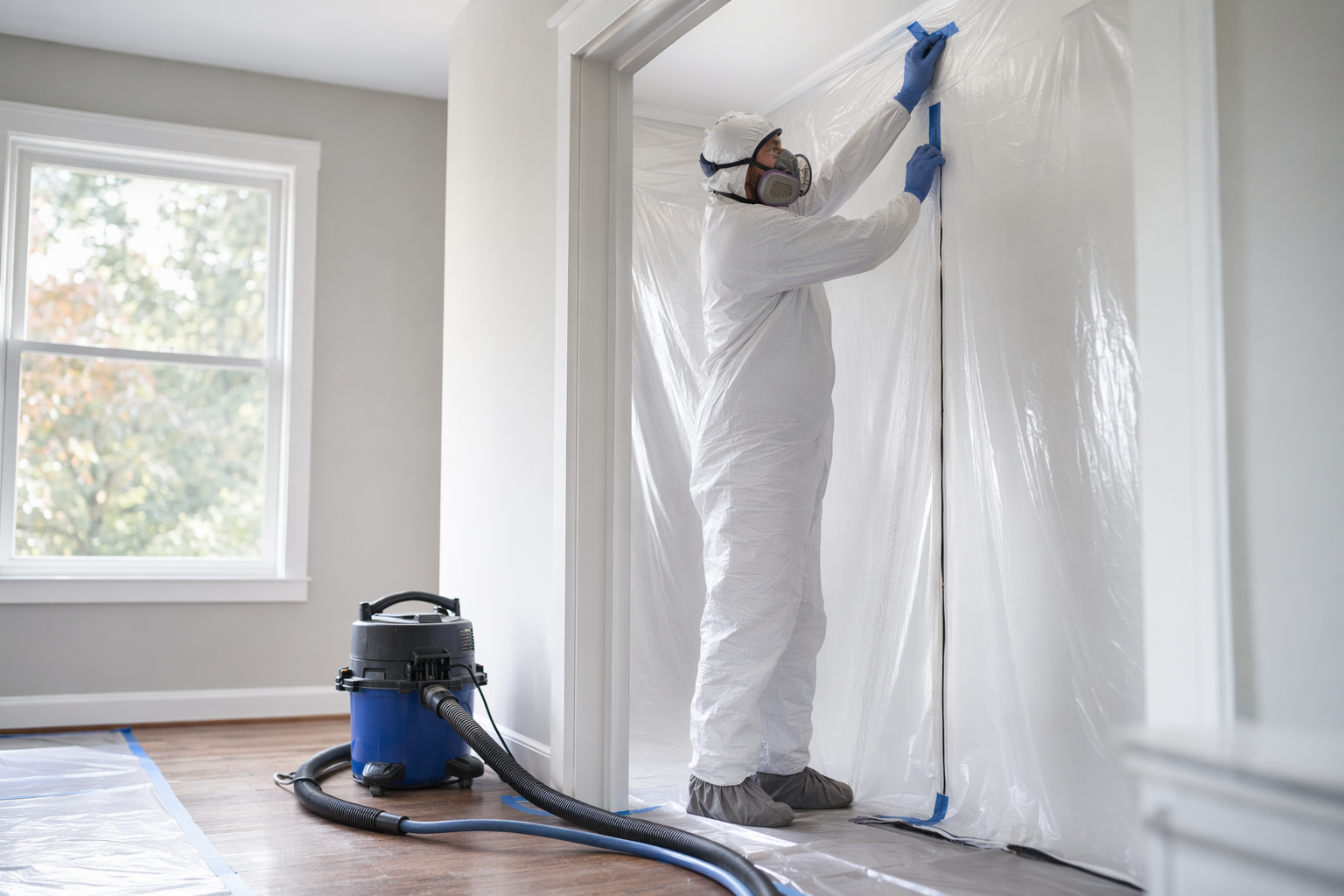
If you suspect lead paint or asbestos, stop work and do not disturb the material. Do not sand, scrape, cut, drill, break, or tear anything out to “see what is underneath.” Keep children, pets, and anyone not involved away from the area.
If dust or debris may already be present, avoid sweeping it around or using a regular household vacuum, which can spread particles. Close off the area as much as you can without disturbing the material further.
- Pause the renovation.
- Keep people and pets away from the area.
- Do not disturb suspected paint, insulation, tile, ceiling texture, pipe wrap, siding, or other older material.
- Arrange testing by a certified professional before any work continues.
Abatewell is a free matching and directory service. We do not test, remove, or abate lead paint or asbestos, and we do not give legal, regulatory, or medical advice. We help you find licensed, certified professionals near you so you can decide what to do next.
Why renovation can make the risk worse
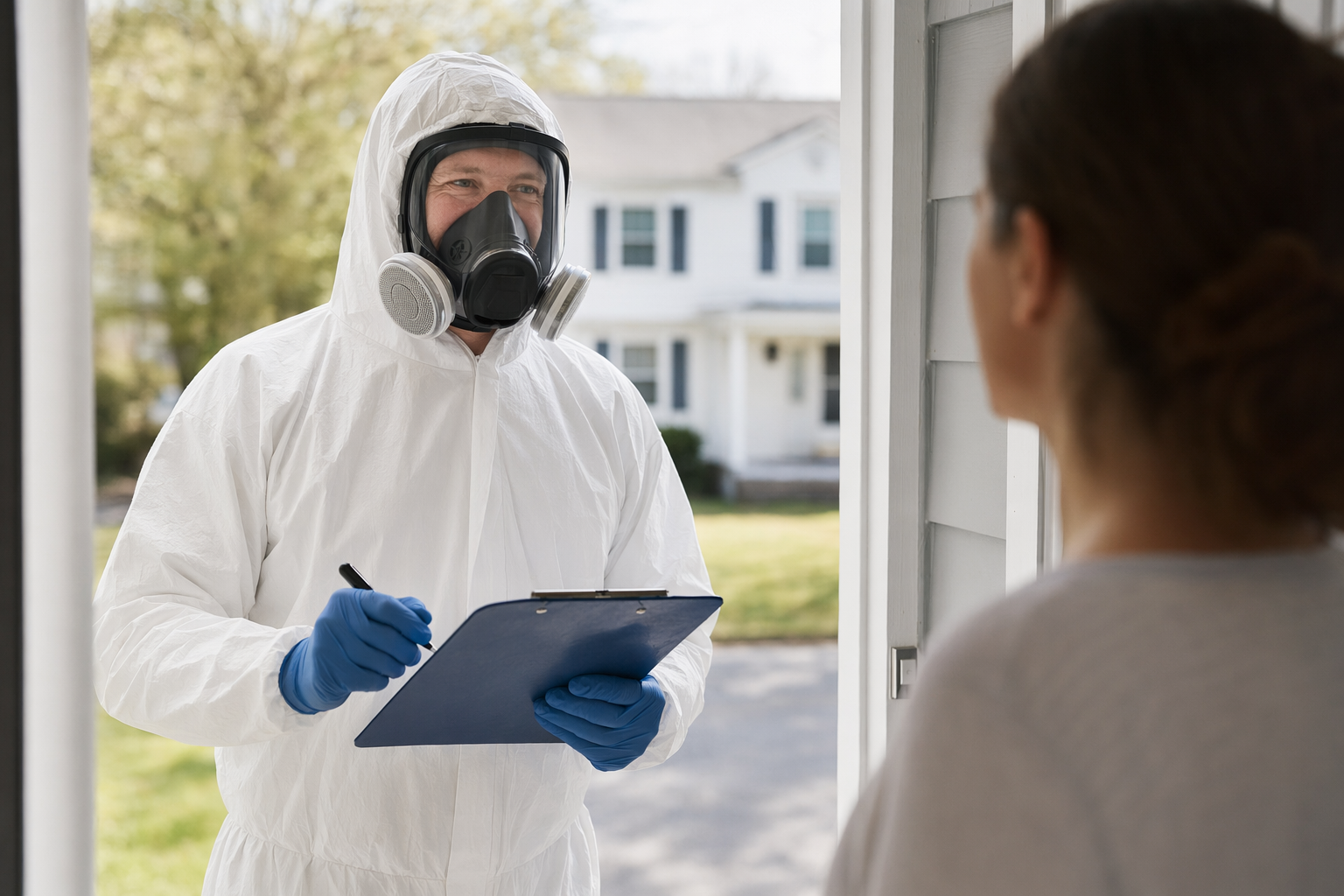
Lead paint and asbestos are often most dangerous when they are disturbed. Sanding painted trim, scraping old windows, cutting into walls, removing flooring, opening ceilings, or demolishing older materials can release lead dust or asbestos fibers into the air and onto surfaces.
Lead dust can be especially harmful to young children and pregnant people. Even small amounts can matter. Asbestos fibers can stay in the air after disturbed material is cut, broken, or removed, which is why trained handling, containment, and cleanup are so important.
Not every older home has both hazards, and finding suspect material does not automatically mean a major emergency. The key is to stay calm, avoid disturbing it, and get the right testing before work starts. If you are worried about a possible exposure, especially involving a child, contact a doctor or your local health department.
How testing usually works before a renovation
Testing depends on the material and your project. For lead paint, a certified inspector or risk assessor may use an XRF device, take paint-chip samples, or collect dust samples, depending on the situation. For asbestos, a trained professional typically identifies suspect material and collects small samples using safe procedures, then sends them to an accredited laboratory for analysis.
Testing matters because old homes can contain more than one hazard, and the rules may change depending on whether the material will be disturbed. A contractor should not guess. The goal is to identify what is actually there so the next step can be planned safely and legally.
A good professional should explain what they are testing, how samples are handled, what lab is used, and when you should expect results. Learn more in our asbestos testing guide or browse common hazards before you move forward.
What the law usually requires
Lead and asbestos work is heavily regulated. In homes built before 1978, anyone paid to disturb painted surfaces during renovation, repair, or painting generally must follow the EPA's Lead Renovation, Repair and Painting (RRP) rules. That usually means proper training, certified firm requirements, work-area containment, cleanup, and safe work practices.
Asbestos rules are also strict, and licensing is commonly handled at the state level. In many places, asbestos inspection, testing, removal, and disposal require specific state licenses or certifications. Disposal also has special rules, and asbestos waste usually cannot go out with normal trash.
The exact rules depend on your state, your city, the type of building, the material involved, and how much will be disturbed. This is general educational information, not legal or regulatory advice. Always verify a professional's EPA certification, state asbestos license, and insurance yourself with the appropriate agency before hiring them.
What it may cost
Costs vary a lot by material, how much there is, where it is located, how easy it is to access, your local market, and what testing, containment, and disposal are required. These ranges are general estimates only, not quotes.
Lead paint testing may run from about $250 to $700+ for a focused visit, while more detailed inspections or risk assessments can cost more. Asbestos sampling and lab testing may start around $300 to $800+ for a small, straightforward job, but larger homes, multiple materials, rush lab work, or many samples can increase the price.
If abatement is needed, costs can rise significantly because certified labor, containment, cleanup, and legal disposal are part of the job. Some projects may be in the low thousands, while larger or more complex work can be much higher. You can read more about general costs, but the only reliable price is a written scope from a properly licensed and certified professional after they understand your project.
How to find a licensed, certified pro without getting pressured
Start by looking for professionals who clearly state their certification, license type, and service area. Ask whether they handle testing only, abatement only, or both where allowed, and ask what rules apply in your state. Then verify what they tell you yourself before agreeing to any work.
Red flags matter. Be careful if someone says they can "just scrape or sand it off," wants cash only, refuses to show certification, does not mention containment, pressures you to sign immediately, or uses scare tactics. Get the scope of work, cleanup plan, and price in writing.
With Abatewell, the service is free for homeowners and renters. We only collect basic contact and project details such as your name, phone, optional email, concern type, ZIP code, rough home age, and preferred language so you can get matched with professionals near you. Abatewell is not a contractor, laboratory, or law firm, and we do not guarantee a specific price, timeline, or outcome.
- Verify EPA Lead RRP certification for pre-1978 paint disturbance.
- Verify state asbestos licensing or certification directly with your state.
- Ask for proof of insurance.
- Ask how containment, cleanup, and disposal will be handled.
- Get a written scope and price before work begins.
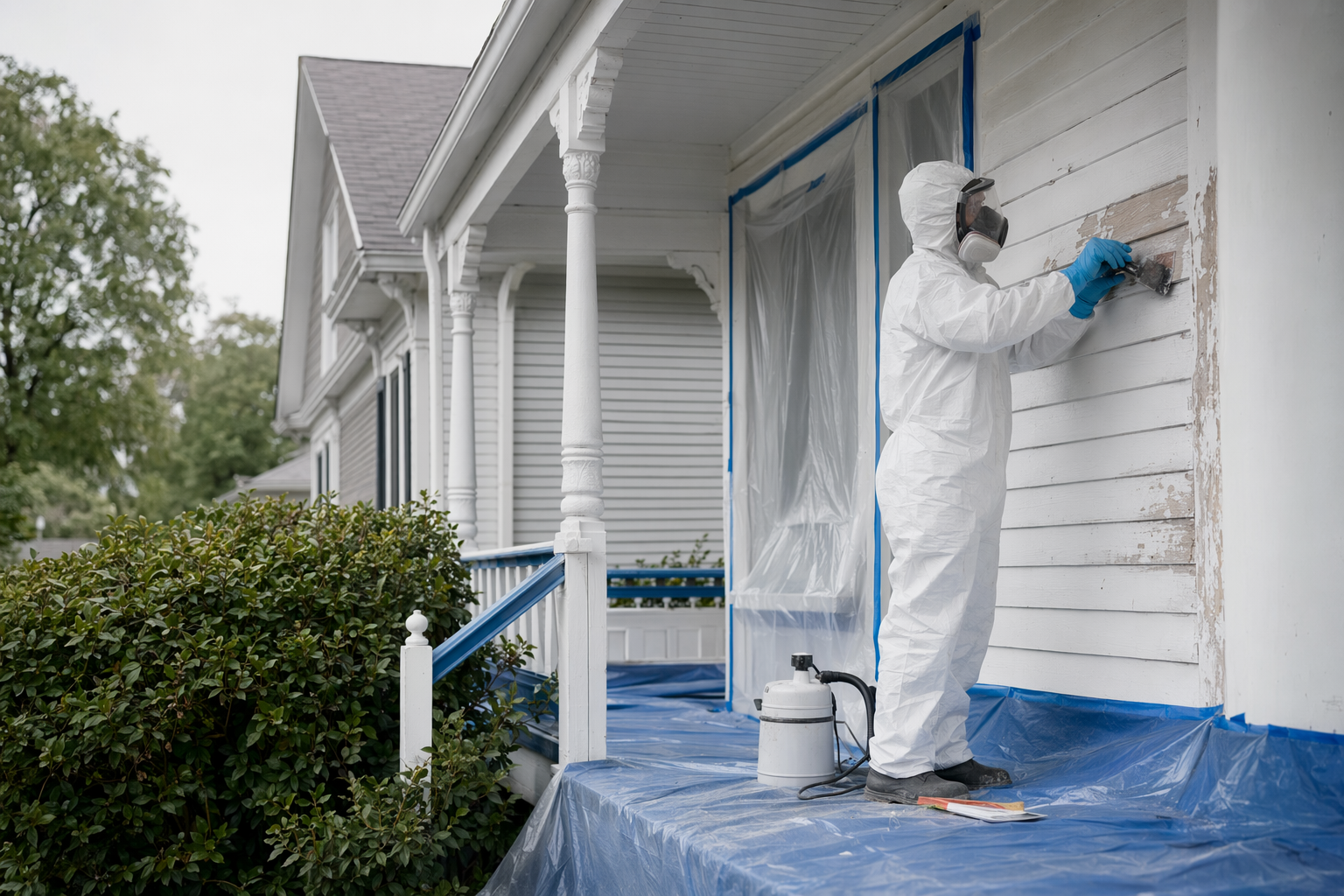
Before you renovate an older home, do not disturb suspected material—stop work, keep people away, and get lead paint or asbestos tested by a properly certified professional first.
Common questions
Do I really need testing before a small renovation?
If the home is older and the work could disturb painted surfaces or suspect asbestos material, testing is the safest first step. Even a small project like sanding a window, removing old flooring, or cutting into a wall can release harmful dust or fibers.
My house was built before 1978. Does that mean it definitely has lead paint?
Not definitely, but lead paint is common in older homes, which is why disturbing paint in pre-1978 homes is regulated. Do not assume it is safe or unsafe by appearance alone—have it evaluated properly.
Can I collect my own sample to save money?
It is usually safer not to disturb suspected material yourself. Improper sampling can spread dust or fibers, and for asbestos especially, professional sampling and accredited lab testing are the better route.
Who regulates asbestos work?
Asbestos licensing is commonly handled by states, and the exact rules vary by location and project type. Always check your state's requirements and verify the professional's license or certification yourself.
What should I ask before hiring someone?
Ask what certifications or licenses they hold, whether they carry insurance, what testing method or lab they use, how they will contain the area, and how disposal will be handled. Get the scope and price in writing, and do not rely on verbal promises alone.
What if I think my child may have been exposed to lead dust?
Contact your child's doctor or your local health department as soon as you can. Abatewell cannot give medical advice, but a medical professional can advise you on the right next steps.