Free resources
Older-home lead & asbestos checklist
This free checklist helps you spot common places lead paint and asbestos may be found in an older home, and plan what to test before any sanding, scraping, cutting, or demolition. It is educational only — not certified testing or removal.
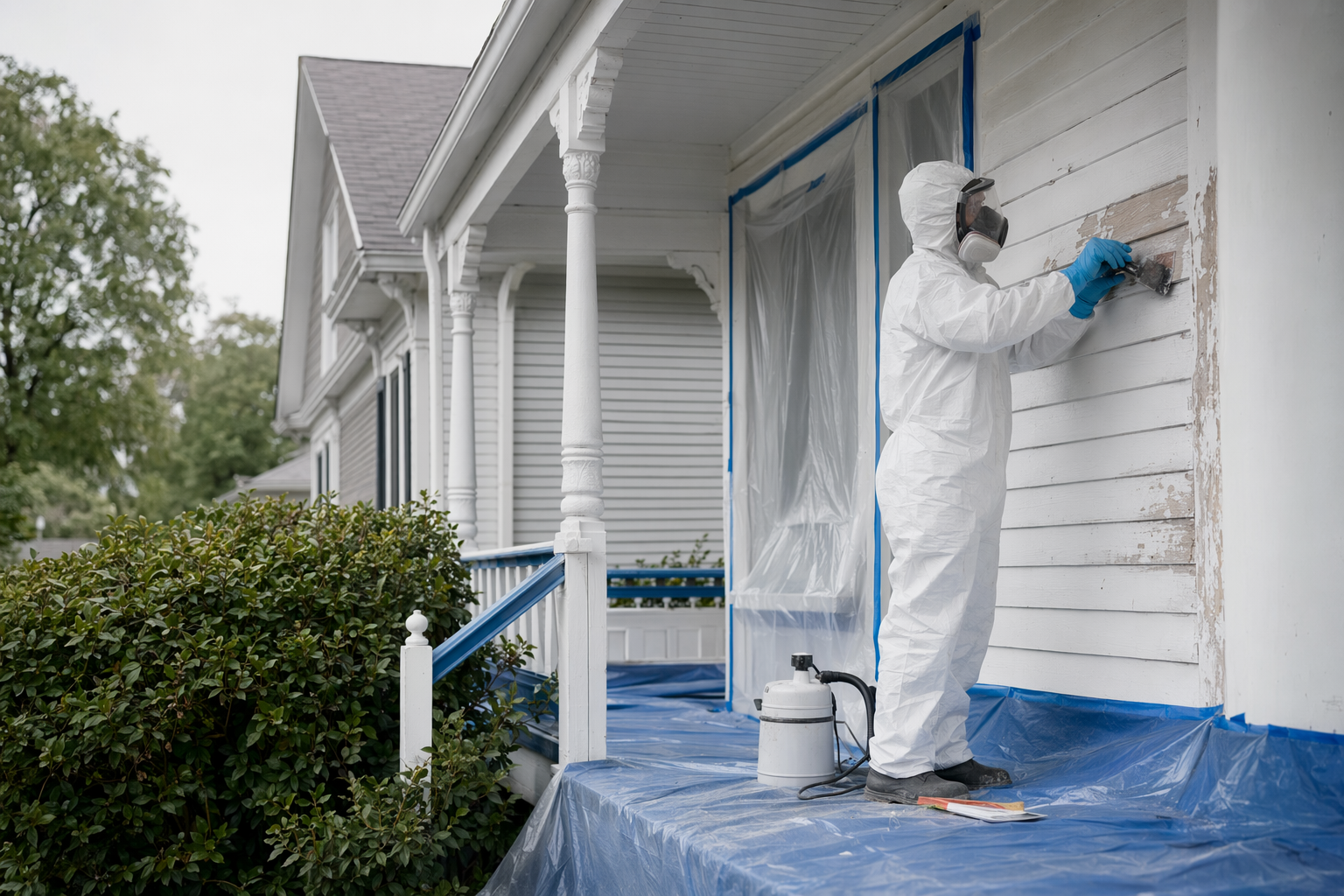
Download the free checklist (PDF)
What to do first
If you suspect lead paint or asbestos, do not disturb it. Keep children, pets, and other people away from the area, and pause any renovation work until it has been checked by a certified professional.
This checklist is meant to help you notice where risk may be hiding, not to confirm whether a material is safe. For any suspected lead or asbestos in a home, the safest next step is testing first by a qualified pro or accredited lab.
If a child may have been exposed to lead, contact a doctor or your local health department. Abatewell is a free matching and directory service, not a contractor, lab, or law firm, and we do not test or remove anything.
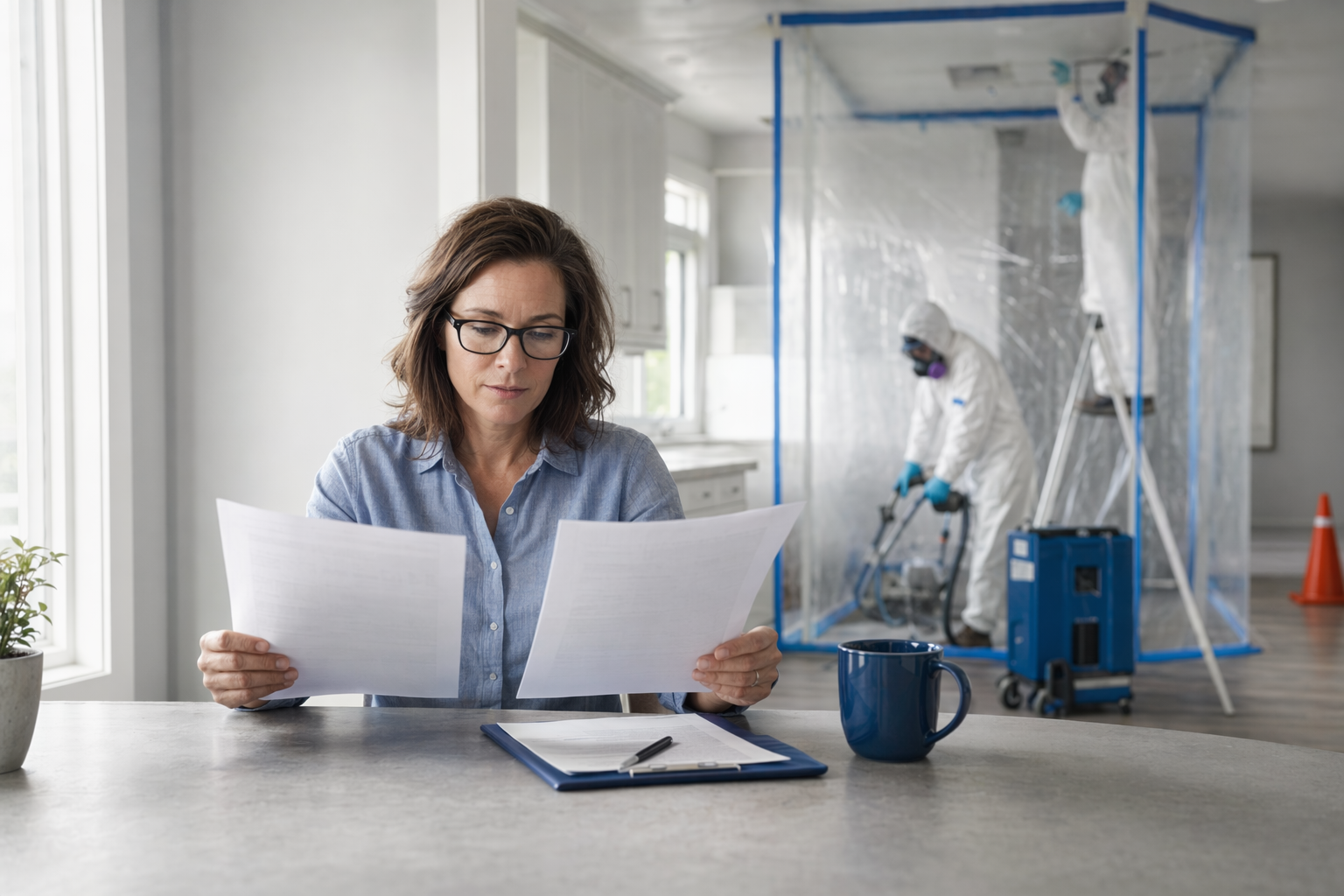
What’s inside the checklist
The checklist is a plain-language guide for older homes, especially homes built before 1978 or homes that may be undergoing repair, remodeling, or a real-estate sale. It points out common places lead paint and asbestos may hide, such as painted trim, windows, doors, ceilings, pipe insulation, floor tiles, and some textured materials.
It also helps you decide what information to gather before you call a pro: the home’s age, the rooms involved, what kind of work is planned, and whether anyone in the home has health concerns or is more vulnerable, such as young children.
Use it as a planning tool before you search for a certified tester, learn more in our guides, or ask for local help.
How to use it safely
Walk through the home room by room and note anything that looks old, damaged, crumbling, peeling, dusty, or likely to be disturbed by work. Do not sand, scrape, cut, drill, or tear out suspicious material just to “check” it.
- Mark the areas that may need testing.
- Stop work in those areas until a certified pro evaluates them.
- Ask for written scope, testing, containment, and disposal details before any abatement or renovation begins.
- Verify the person’s license or certification yourself with your state or the EPA.
For lead work in pre-1978 homes, look for EPA Lead RRP certification when paint will be disturbed. For asbestos, state licensing rules apply, and the job may require containment and proper disposal.
Who this checklist helps
This resource is helpful for homeowners, renters, buyers, sellers, landlords, and family members who want a simple way to think through older-home risks before starting work. It can also help new immigrants and non-native English speakers who want clear next steps without technical language.
It is especially useful if you are planning repairs, a kitchen or bathroom update, window replacement, or any project that could disturb painted surfaces, floor materials, insulation, or dust.
If you already know you need a certified lead or asbestos professional, use this checklist to organize your concerns before you request help through Get Matched.
What the checklist is not
This checklist does not test for lead or asbestos, and it does not say whether a material is safe. It is not legal, regulatory, or medical advice, and it does not replace state rules, local rules, or professional judgment.
Costs, timelines, and required steps vary by state, city, material, home age, access, and how much testing, containment, or disposal is needed. Any price you hear should be treated as a range, not a quote, until a certified professional inspects the job.
Watch for red flags like no license or certification, no containment plan, “we’ll just scrape it off,” cash-only demands, scare tactics, or pressure to sign right away. Get the scope and price in writing and verify credentials before work starts.
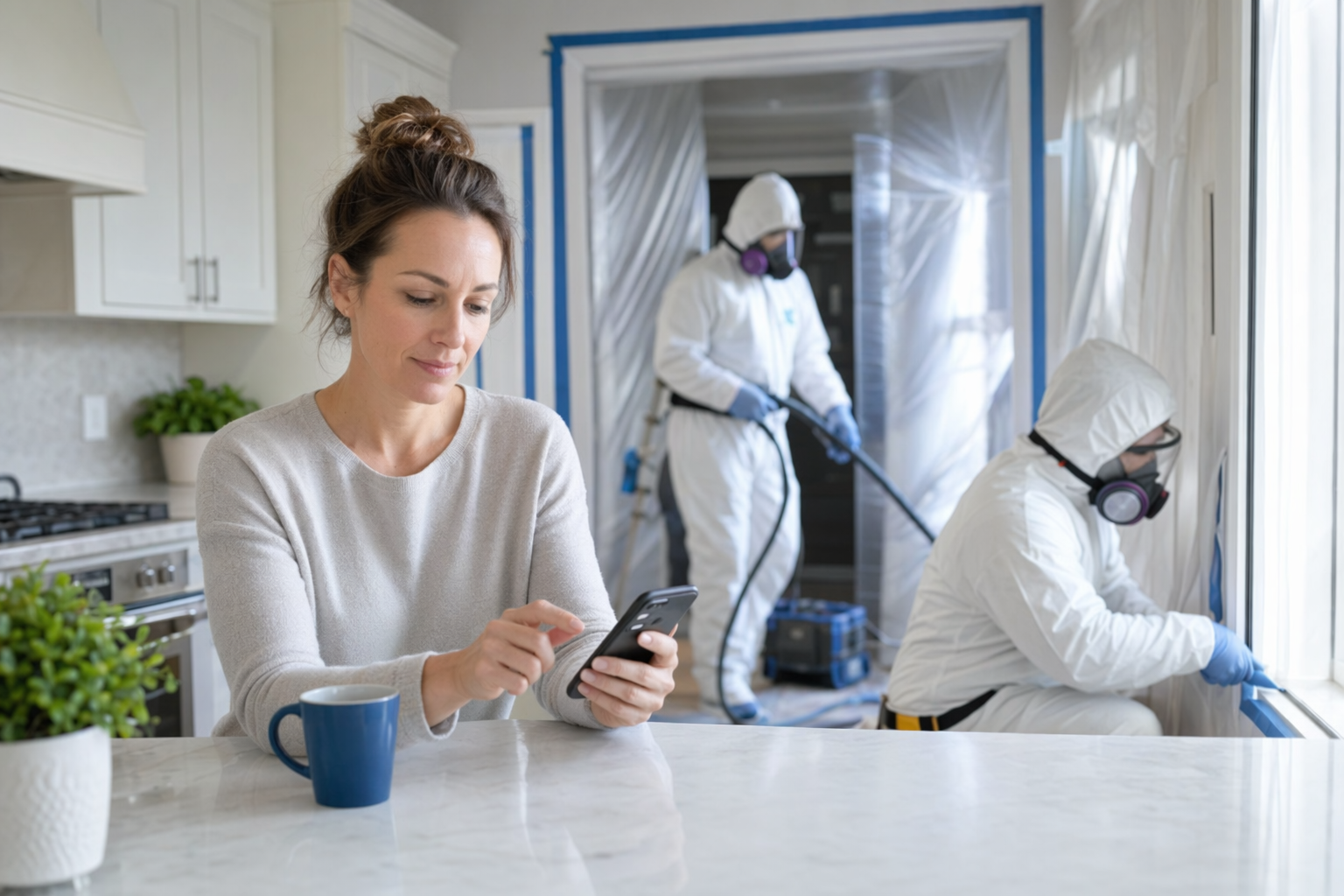
This free checklist helps you notice older-home lead and asbestos risks, but you still need certified testing before any work starts.
Common questions
Does this checklist tell me if my home has lead or asbestos?
No. It helps you identify where risk may be hiding and what to ask a certified professional to test. Only proper testing can confirm lead or asbestos.
Can I use this checklist before renovation work?
Yes. It is especially useful before any sanding, scraping, drilling, demolition, window work, or remodeling in an older home. The safest approach is to stop and test first if anything suspicious may be disturbed.
Is Abatewell a testing company?
No. Abatewell is a free matching and directory service. We connect people with licensed, certified lead and asbestos professionals, but we do not test, remove, or abate materials ourselves.
How do I verify a contractor or tester?
Ask for their license or certification number, then confirm it yourself with your state agency or the EPA as applicable. For lead paint work in pre-1978 homes, look for EPA Lead RRP certification; for asbestos, confirm state licensing, insurance, containment, and disposal practices.