Guides
Lead and asbestos when you rent
If you rent and you suspect lead paint or asbestos, the safest first step is usually to not disturb it and keep people away. Then ask for a certified inspection or testing before any sanding, scraping, cutting, or renovation work.
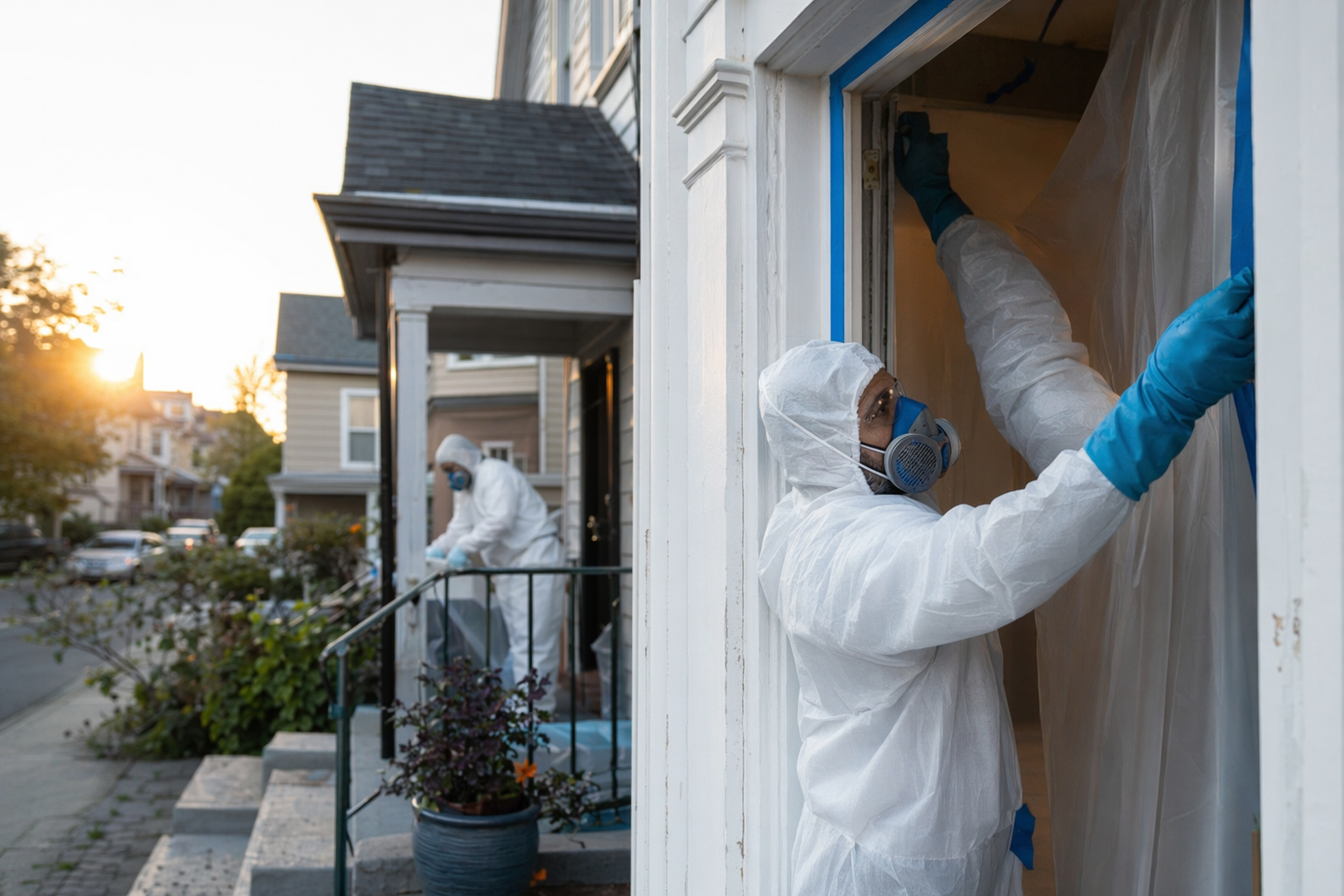
What to do right now
If you think there may be lead paint or asbestos in your rental, pause any work that could disturb it. Move children and pets away from the area, and do not sand, scrape, drill, cut, or vacuum up dust unless a certified professional tells you the right next step.
If there is visible damage, dust, or debris, take photos from a safe distance and write down where it is and when you noticed it. Then contact your landlord or property manager in writing and ask for testing or an inspection by a certified professional.
If this is a health concern — for example, a child may have been exposed to lead dust — contact a doctor or your local health department right away. Abatewell is a free matching and directory service; we do not test, remove, or give medical, legal, or regulatory advice.
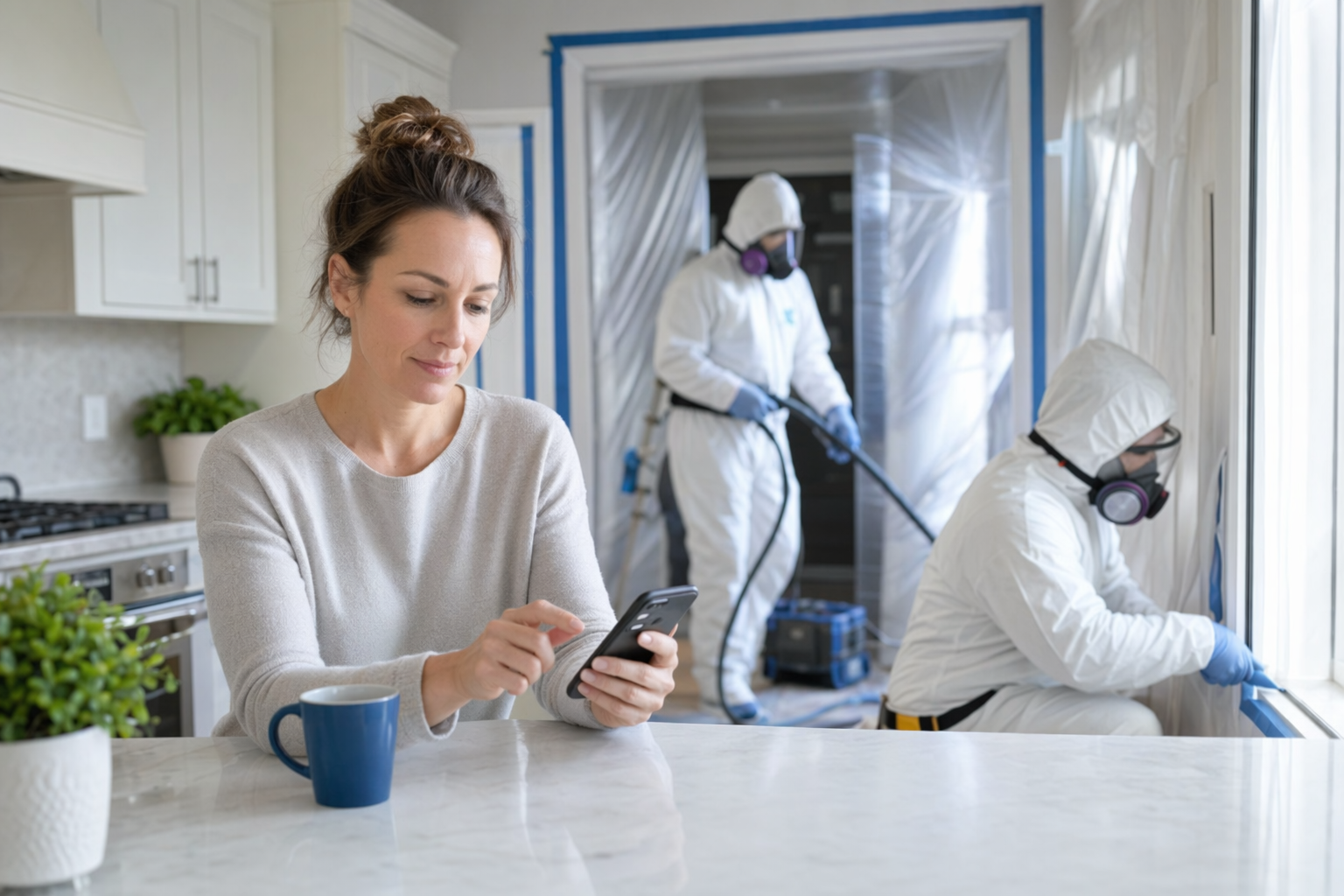
Who is usually responsible in a rental
Responsibility depends on your state, your lease, the building age, and what exactly is found. In many cases, the landlord is responsible for keeping the home safe and for hiring the right licensed or certified people to inspect, contain, repair, or abate the hazard.
For lead, work that disturbs paint in homes built before 1978 often needs EPA Lead RRP-certified professionals. For asbestos, states usually require special asbestos abatement licensing, and the job may also require containment and proper disposal. Testing should be done by an accredited lab or qualified inspector.
Do not rely on verbal promises. Ask for the scope of work in writing, the company’s license or certification number, and proof of insurance. You can verify certifications yourself with your state agency or the EPA. Rules vary by state and city, so confirm locally.
How to raise the issue with your landlord
Keep your message short, calm, and specific. Say what you saw, where it is, and that you want the area left undisturbed until it is checked by a certified professional.
- Describe the issue and location.
- Ask for testing or inspection before any repair or renovation.
- Ask who will do the work and for their license or certification information.
- Ask for containment, cleanup, and disposal steps if the hazard is confirmed.
- Keep copies of emails, texts, photos, and notes.
If the landlord plans repairs, make sure they do not use unsafe shortcuts like dry scraping, dry sanding, or demolition without proper containment. That is a red flag.
Testing, certification, and red flags
The safest path is test first, then decide what to do. A qualified lead inspector or risk assessor can test paint and dust; asbestos should be evaluated by the proper licensed professional, and samples should go to an accredited lab when needed.
Red flags include: no license or certification, no mention of containment, "we'll just scrape it off," cash-only demands, scare tactics, pressure to sign right away, or refusal to show insurance and credentials. If a pro cannot explain how they will isolate the area and dispose of waste properly, keep looking.
When you check a company, verify the exact license or certification yourself with the state or EPA. For lead work in older homes, ask about EPA Lead RRP certification. For asbestos, ask for state asbestos licensing and proof that disposal will follow local rules.
Costs and getting help
Costs vary a lot by material, size of the area, access, where you live, and whether testing, containment, and disposal are needed. As a very rough guide, simple lead testing or inspection may cost less than abatement, and asbestos work often costs more because licensed containment and disposal are required. These are ranges, not quotes.
If you want help finding the right kind of pro, you can use Get matched for a free connection request, or browse guides and hazards for more plain-language information. Abatewell collects only contact details and project intent, such as name, phone, optional email, concern type, ZIP, rough home age, and preferred language.
We do not ask for financial account numbers, Social Security numbers, immigration status, or sensitive records. The homeowner’s service is free.

If you rent and suspect lead or asbestos, don’t disturb it, ask for certified testing first, and verify any pro’s credentials before work starts.
Common questions
Can I ask my landlord to test for lead or asbestos?
Yes. A calm written request is usually best. Ask that the area stay undisturbed until a certified professional can inspect or test it.
Do I have to leave the apartment if I see damaged paint or possible asbestos?
Not always, but keep people away from the area and do not disturb it. If there is heavy dust, active renovation, or you are worried about exposure, contact your landlord, a doctor, or your local health department promptly.
How do I know if a contractor is certified?
Ask for the license or certification number and verify it yourself with your state agency or the EPA. For lead work in pre-1978 homes, look for EPA Lead RRP certification; for asbestos, check for state asbestos licensing and proper insurance.
Can I remove lead paint or asbestos myself?
No. The safest advice is to not disturb suspected material yourself. Lead and asbestos work is regulated, and the right pro should handle testing, containment, and disposal.