Hazards
Lead and asbestos in pre-1978 homes
If your home is from before 1978, lead paint—and sometimes asbestos—may be present. Use this guide to reduce risk right now, learn why testing comes first, and find certified pros nearby.
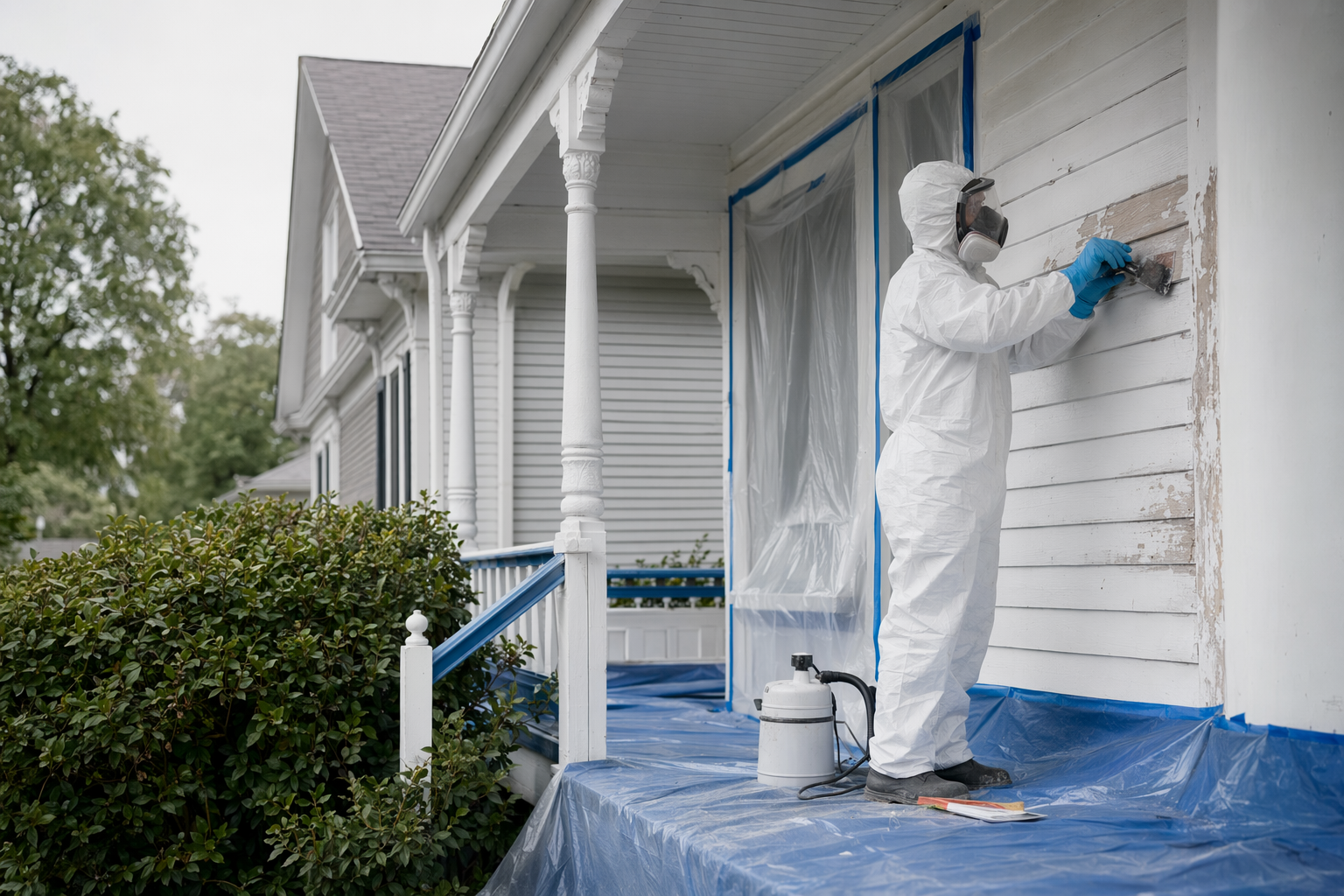
What to do right now (before you renovate or investigate)
If you suspect lead paint or asbestos, the safest step in most situations is: don’t disturb it. Keep children, pregnant people, and pets away from the area.
- Do not sand, scrape, cut, drill, or demo suspected areas
- Turn off HVAC if dust could spread, and close doors to the room(s)
- Avoid vacuuming with a household vacuum (it can spread dust)
- If there’s loose debris, control access (don’t sweep or handle it)
Next, get it tested by a certified professional before you do any renovation. In pre-1978 homes, disturbing paint can create hazardous dust and fumes—so a proper inspection and sampling plan matters.
- Quick rule: if you’re thinking “scrape it,” pause and get tested first.
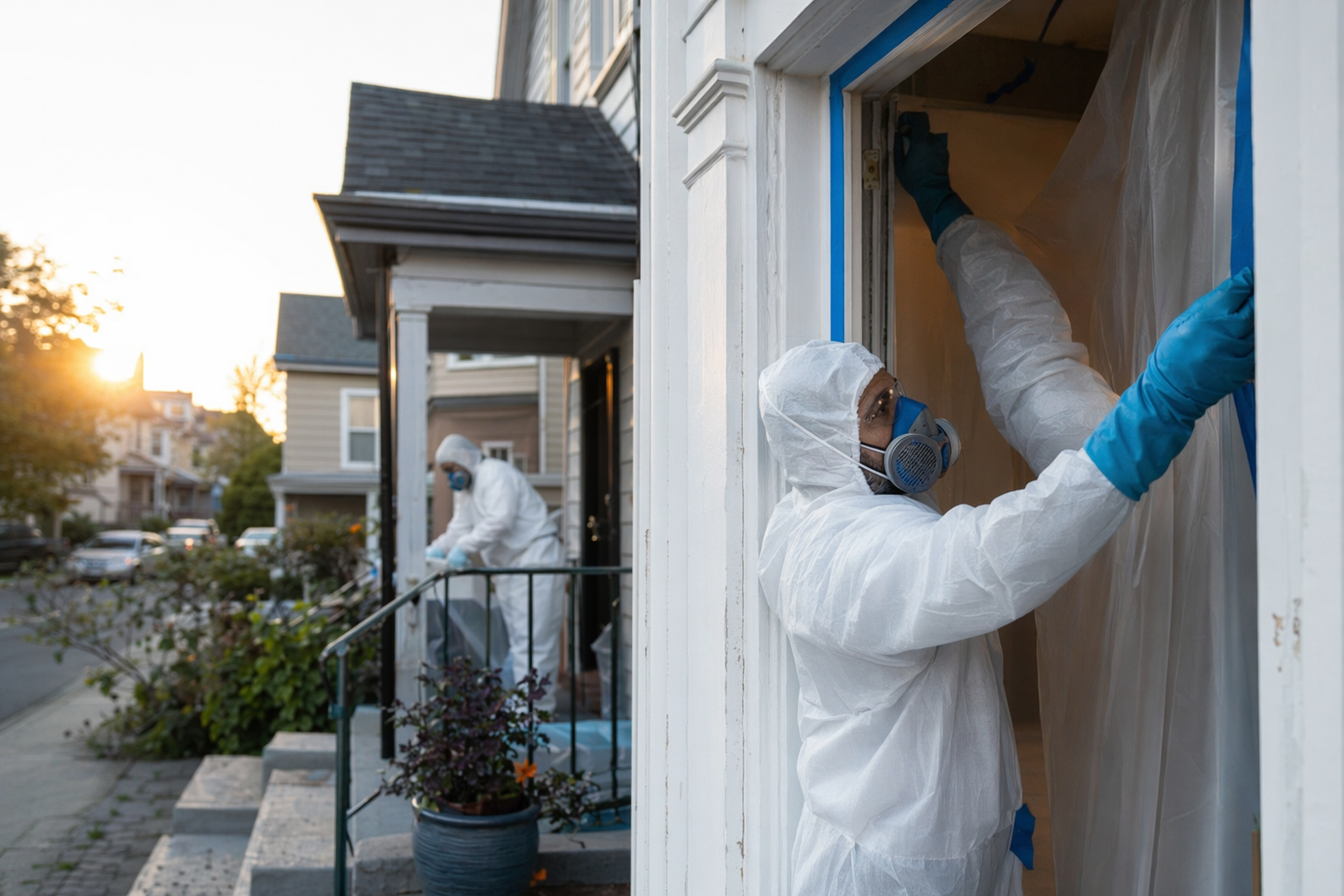
Why pre-1978 homes are a special case
Many homes built before 1978 may contain lead-based paint. Even if the paint looks intact, hazards can increase when paint is damaged or when renovations create dust.
Asbestos was also widely used in building materials for insulation and fireproofing, and sometimes in older floor tiles, roof materials, and other components. The risk depends on the material type and condition, so you cannot “guess” safely just by age.
The goal is simple: identify what’s present and reduce exposure. That’s why testing comes before sanding, demolition, or repairs that create dust.
- Age is a clue—not proof. Testing is how you confirm.
Lead paint: what “testing first” usually means
For lead, the most important thing is choosing work practices that follow EPA rules. The EPA Lead RRP (Renovation, Repair and Painting) program is designed to reduce lead exposure when renovation disturbs painted surfaces in pre-1978 homes.
A qualified lead professional typically plans the job, uses containment and cleaning methods, and may recommend lab testing or evaluation based on your situation. If you rent, your landlord and local requirements may also apply—ask questions and keep records.
Before any sampling or work: ask the professional how they will minimize dust, what samples they’ll collect (if applicable), and how they’ll verify results with accredited testing.
- Ask for proof of EPA Lead RRP certification for any work that disturbs pre-1978 painted surfaces.
Asbestos: licensing, containment, and proper disposal matter
Asbestos safety is very process-based. If asbestos-containing material is damaged or handled incorrectly, fibers can become airborne and be inhaled.
State asbestos abatement licensing rules and job requirements vary, but in general: proper containment, trained workers, specialized methods, and correct disposal are essential. That means you should not rely on “we’ll just remove it carefully” without seeing credentials and a clear scope.
When you’re looking for help, verify the pro’s state asbestos licensing, and ask how they will control dust (containment), what waste handling/disposal steps they use, and whether they’ll coordinate with accredited lab testing when needed.
- If someone downplays dust or skips containment, treat it as a red flag.
Common red flags (avoid scams and unsafe shortcuts)
Be cautious if a provider suggests you can safely scrape, sand, or “just remove a little” without testing. With lead and asbestos, small mistakes can spread contamination.
- No license/certification shown for the type of work
- No containment plan for asbestos-related work
- “Cash only” with pressure to sign on the spot
- Scare tactics (“you’re definitely going to die,” “guaranteed fix,” or urgent threats)
- Vague scope (no details about what will be tested, where, and how results will be used)
For your own safety, get the plan and scope in writing and verify credentials yourself through the appropriate state agency and/or the EPA program where relevant.
- You deserve transparency: who is certified, what they’ll do, and how they’ll protect people during the process.
How much does testing and abatement usually cost?
Costs vary widely based on the building layout, material type, the amount of suspect material, access (stairs/ceilings/ductwork), and what testing or lab confirmation is required. Prices also depend on local labor and disposal requirements.
In general, expect testing costs and then separate abatement or remediation costs if hazards are confirmed. If you’re planning a renovation, costs can increase because proper containment and cleaning may be required to protect the rest of the home.
To estimate better, review typical ranges in our cost guide, and when you request help, ask what’s included (inspection/sampling, lab analysis coordination, containment, clearance/cleanup, and disposal). Remember: ranges are not quotes, and timeline depends on scope and scheduling.
- Ask for itemized scope, not just a single number.
Find certified pros near you (free matching with Abatewell)
Abatewell is a FREE multilingual matching/directory service. We help you find licensed and certified lead and asbestos testing and abatement professionals near your ZIP code—but we do not test or remove anything ourselves.
If you want, you can request help at get matched. Tell us your concern (lead and/or asbestos), your ZIP code, and the rough age of your home (pre-1978), plus your preferred language. A participating professional is then connected based on your needs.
Before any work starts, verify credentials yourself. For lead, look for EPA Lead RRP certification for disturbing painted surfaces in pre-1978 homes. For asbestos, confirm your state’s asbestos abatement licensing and ask about containment and disposal steps.
- Abatewell helps you connect—always verify certification directly with the state/EPA or the issuing program.
Learn more: checklists and next-step guides
If you’re a first-time buyer or you’re planning a renovation, it helps to have a simple plan. Start with what to look for (and what not to touch) and then decide who to call first.
Explore more education on hazards and practical preparation in guides. You can also use the cost guide to understand what typically drives testing vs. remediation costs.
Most importantly: if you suspect lead paint or asbestos, keep people away from the area and avoid disturbing it until a certified professional evaluates and tests it.
- Knowledge first, disturbance last.
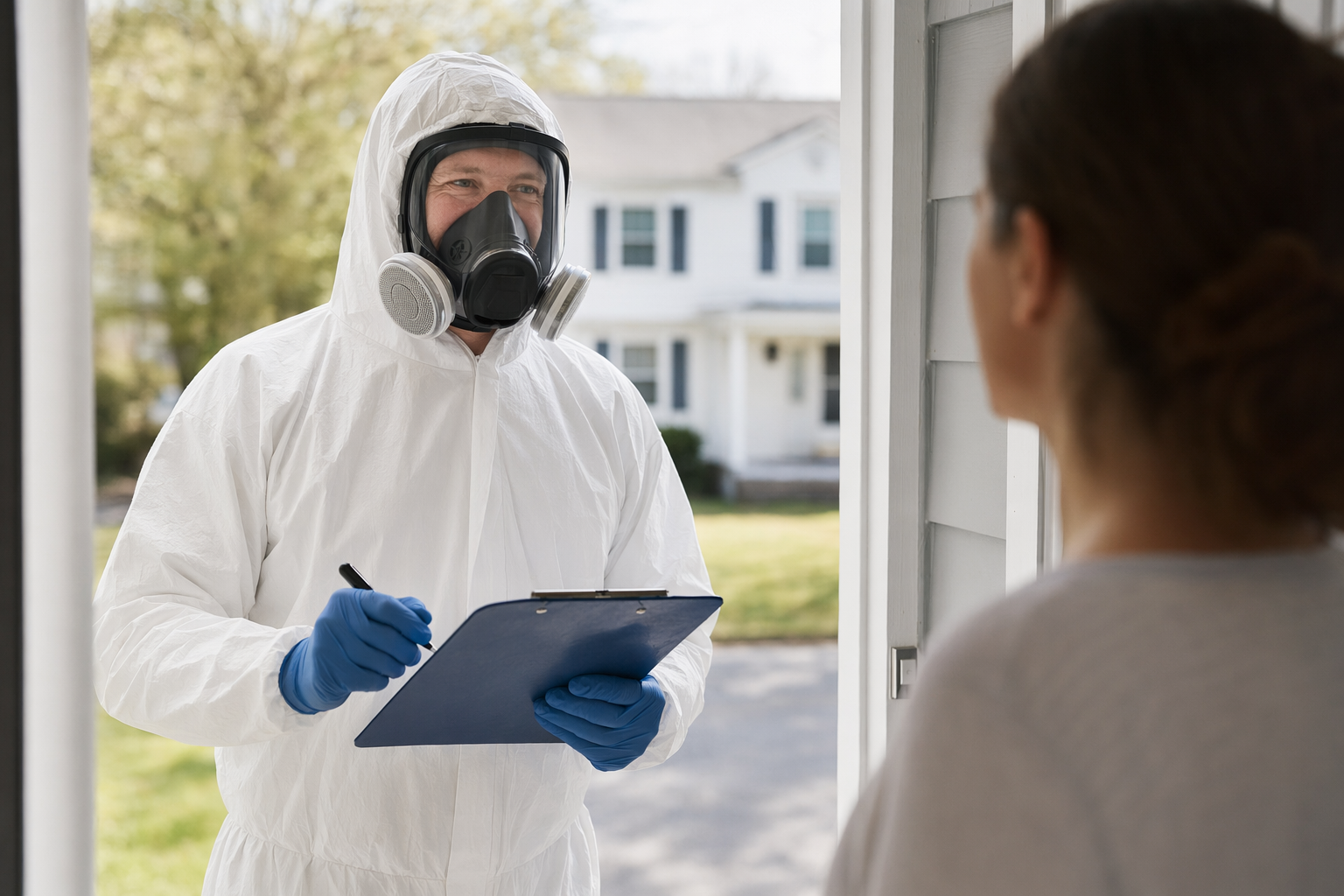
In pre-1978 homes, don’t disturb suspected lead paint or asbestos—keep people away and get it tested by a certified professional, then use Abatewell for free matching to local pros.
Common questions
We found peeling paint in a pre-1978 home. Should we scrape it off ourselves?
In most cases, no—don’t scrape, sand, or disturb suspected lead paint. Disturbing it can create hazardous dust. Keep people away and contact a certified lead professional for testing/evaluation first.
Does Abatewell test for lead or asbestos?
No. Abatewell is a free matching/directory service. We connect you with licensed/certified professionals, but we don’t perform testing, abatement, or disposal.
How do I verify a pro is qualified?
Verify credentials yourself. For lead work that disturbs pre-1978 painted surfaces, look for EPA Lead RRP certification. For asbestos abatement, confirm your state’s asbestos licensing and ask how they will use containment and proper disposal.
What if it’s during a real-estate sale—who pays for testing?
Who pays depends on the purchase agreement and local practice. Abatewell can help you find professionals, but the agreement terms are handled between the buyer/seller/agents. Ask for a clear written scope and itemized costs.
Are cost ranges I see online a guarantee of what we’ll pay?
No. Ranges are a rough guide only. Final costs depend on what’s found, how much material is involved, access conditions, testing/lab needs, containment requirements, and disposal rules in your area.