Hazards
Lead and asbestos for first-time home buyers
Buying your first older home can bring hidden lead paint or asbestos into the picture. The safest first step is usually simple: do not disturb anything suspicious, and have it tested by a certified professional before you close or renovate.
What to do right now
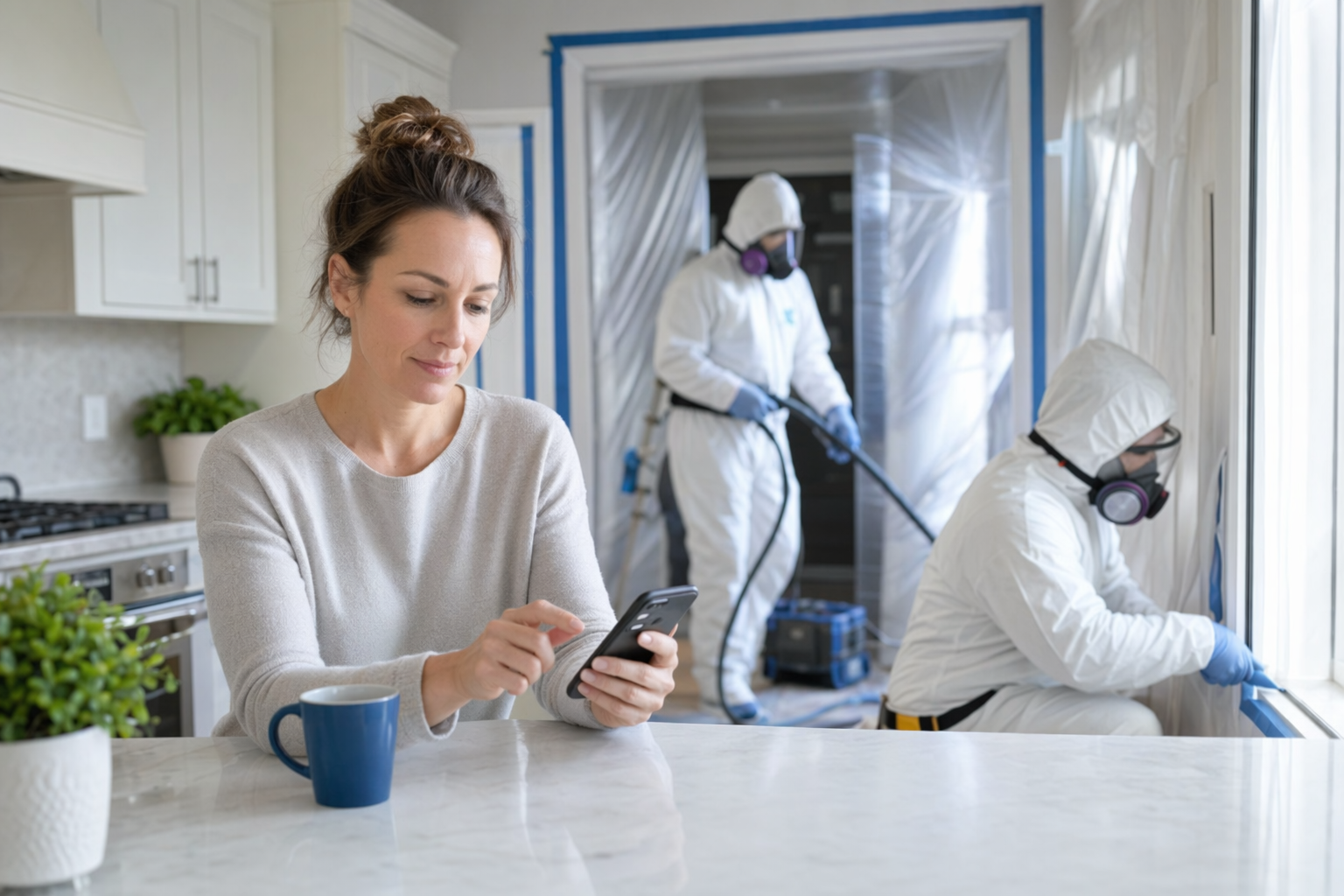
If the home was built before 1978, assume lead paint may be present until a certified pro checks it. If you see peeling paint, old layers of paint, damaged pipe wrap, popcorn ceilings, or floor tile that may contain asbestos, do not sand, scrape, drill, cut, or demo it yourself.
Keep children and pets away from the area, and do not let a handyman or painter start work until you know what the material is. The safest next step is to arrange testing and, if needed, professional abatement or repair by a properly licensed expert.
- Pause any renovation plans that could disturb painted surfaces, ceilings, insulation, tile, or wrapping.
- Ask for certified testing before closing or before any work begins.
- If you already started work, stop and get guidance from a certified professional.
- If there may be a health concern, contact a doctor or your local health department.
Why first-time buyers should pay attention
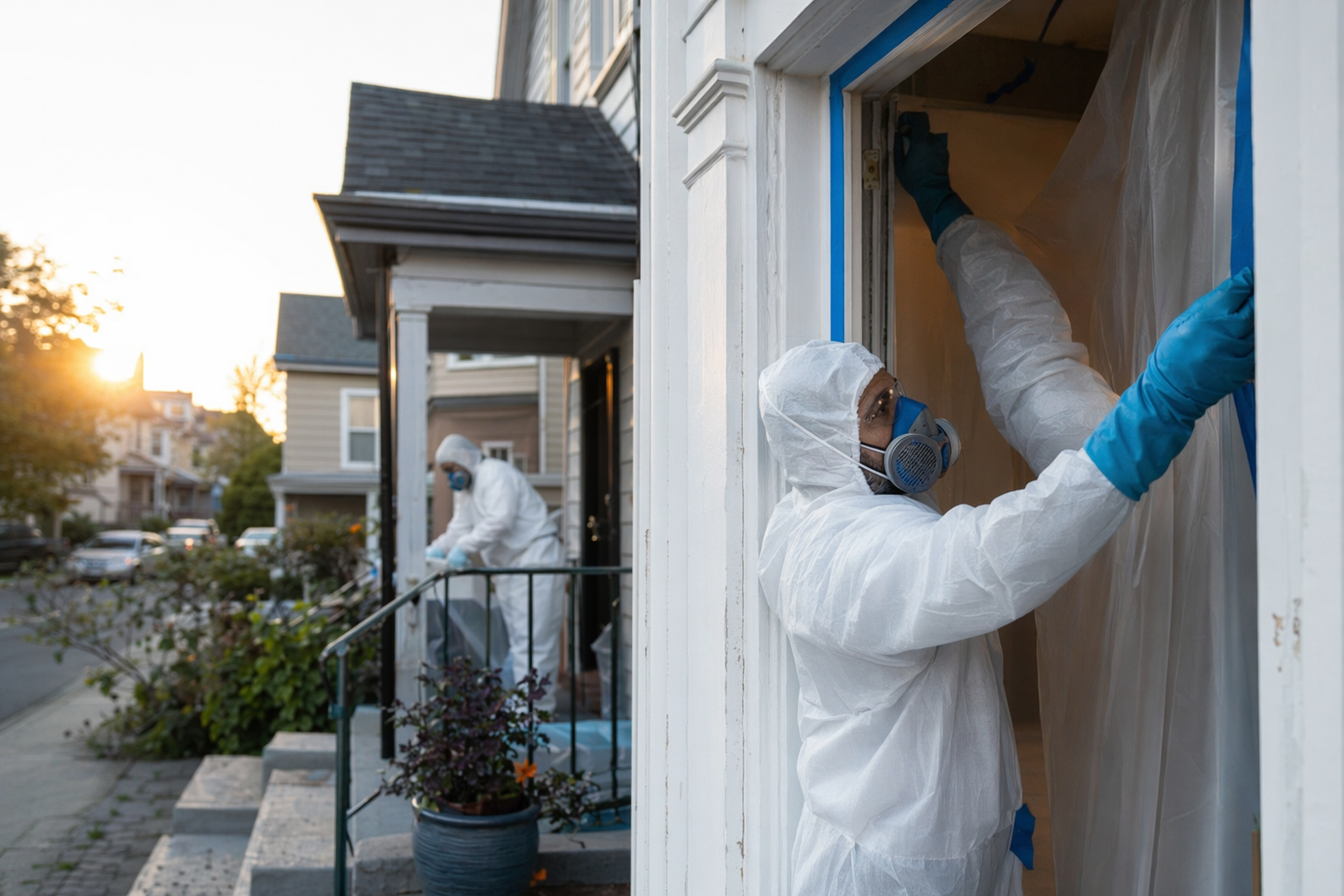
Older homes often have layers of material that look normal but may contain lead or asbestos. Lead can be a serious concern, especially for babies and young children, and asbestos can become dangerous when fibers are released into the air during disturbing work.
This is why the safest rule is: do not disturb suspected material. A quick visual check is not enough to know what is there. Testing by a certified inspector or an accredited lab is the reliable step, especially before a renovation or a real-estate closing.
If you are buying your first home, it helps to build this into your due-diligence checklist early. That can save you from surprise costs, delays, and unsafe DIY work later.
What the rules usually involve
Lead and asbestos work is heavily regulated, and the rules vary by state and locality. For lead paint, renovation work in pre-1978 homes often requires EPA Lead RRP certification when a contractor disturbs painted surfaces. For asbestos, many states require specific licensing for inspection, removal, and abatement, plus containment and proper disposal.
For testing, ask whether the inspector or lab is certified or accredited for the kind of material being checked. For abatement, ask the company to show its license, certification, and insurance, and verify those details yourself with your state agency or the EPA before signing anything.
Do not rely on a verbal promise like “we do this all the time.” Ask for the scope of work in writing, including how the area will be contained, how debris will be handled, and where waste will be disposed of. This is general information only, not legal advice.
What testing and abatement may cost
Costs depend on the size of the home, the material involved, how easy it is to access, where you live, and whether testing, containment, disposal, and repairs are needed. These ranges are not quotes, and the real number can be higher or lower.
Typical lead inspection or testing may be a few hundred dollars or more, depending on how many surfaces or samples are involved. Asbestos testing can also start in the low hundreds and rise if multiple samples are needed. Abatement or licensed repair can range from hundreds to several thousand dollars, and larger or more complex projects can cost more.
Before you agree to any work, get the price and scope in writing. If a pro gives you a very low price, asks for cash only, or pressures you to decide on the spot, treat that as a red flag.
How to find a certified pro
Abatewell is a free matching and directory service, not a contractor, lab, or law firm. We do not test for, remove, or abate lead or asbestos. We help you find licensed and certified professionals near you based on your project details and contact information.
When you search, look for a pro who matches the job: certified lead testing or EPA Lead RRP for lead-related renovation work, and state-licensed asbestos inspection or abatement for asbestos work. Ask for proof of training, license, certification, and insurance, and verify it with the state or EPA yourself.
Use get matched to share your name, phone, optional email, concern type, ZIP, rough home age, and preferred language. For more background, see hazards, guides, and costs.
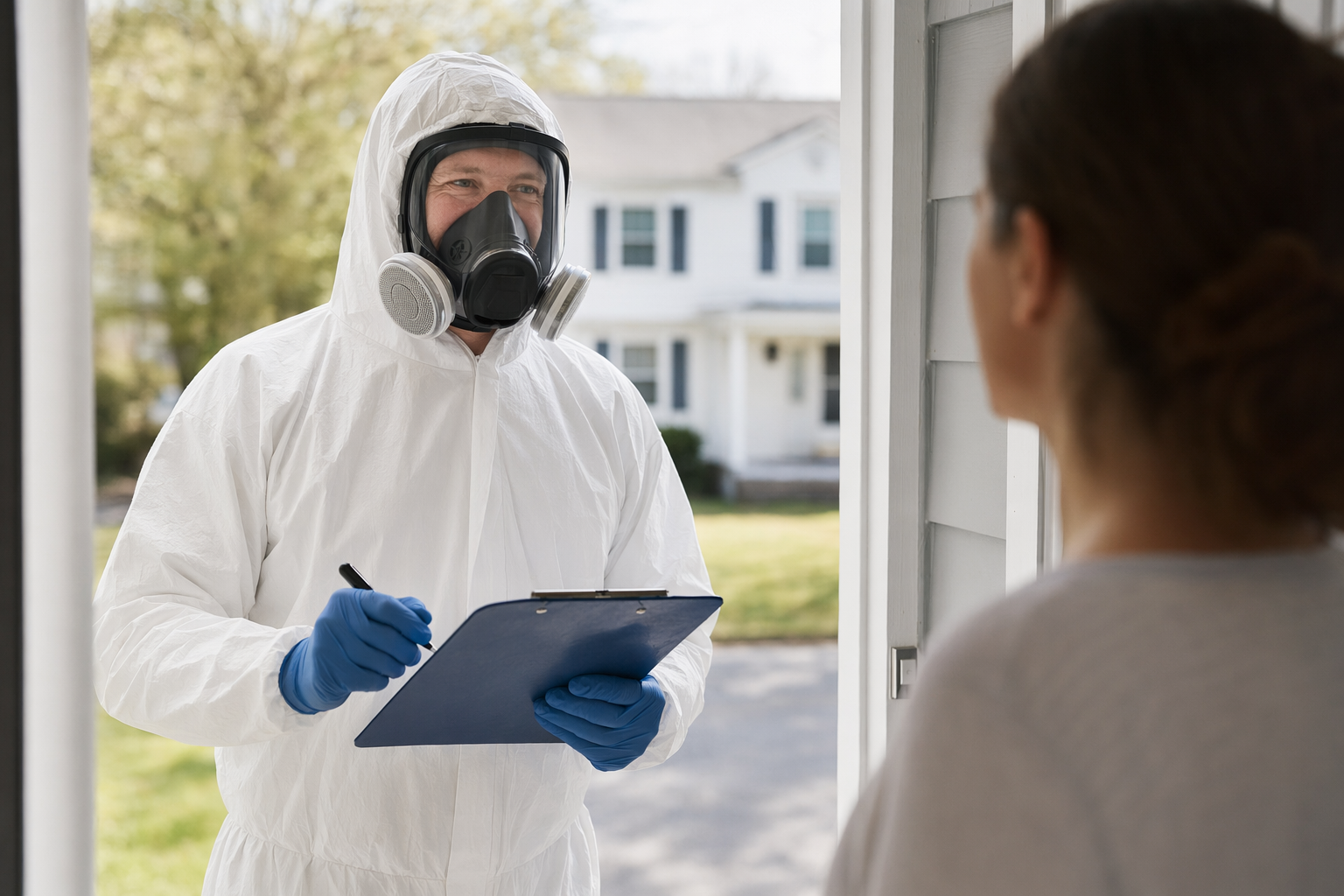
If your first home is older, do not disturb anything suspicious—test first, verify the pro’s credentials, and use licensed help if work is needed.
Common questions
Do I need to test for lead and asbestos before buying an older home?
Often, yes—especially if the home was built before 1978 or if you plan to renovate. A certified test is the safest way to know what is present before you disturb anything.
Can I just have the seller paint over it or patch it quickly?
Not if the material may be lead or asbestos and the work would disturb it. Painting over, scraping, sanding, or cutting can still create risk; get proper testing and follow certified guidance first.
Who should I call if I find peeling paint or damaged insulation after I move in?
Keep people away from the area and contact a certified lead or asbestos professional, depending on the material. If there may be a health issue, contact a doctor or local health department.
Is Abatewell a contractor or testing lab?
No. Abatewell is a free matching and directory service that helps connect you with licensed and certified pros. We do not test, remove, or abate anything.