Quick answers
What year homes have lead paint?
Homes built before 1978 may have lead paint, but the only sure way to know is testing by a certified professional. If you suspect lead, do not sand, scrape, or disturb it—keep people away and test first.
What to do right now
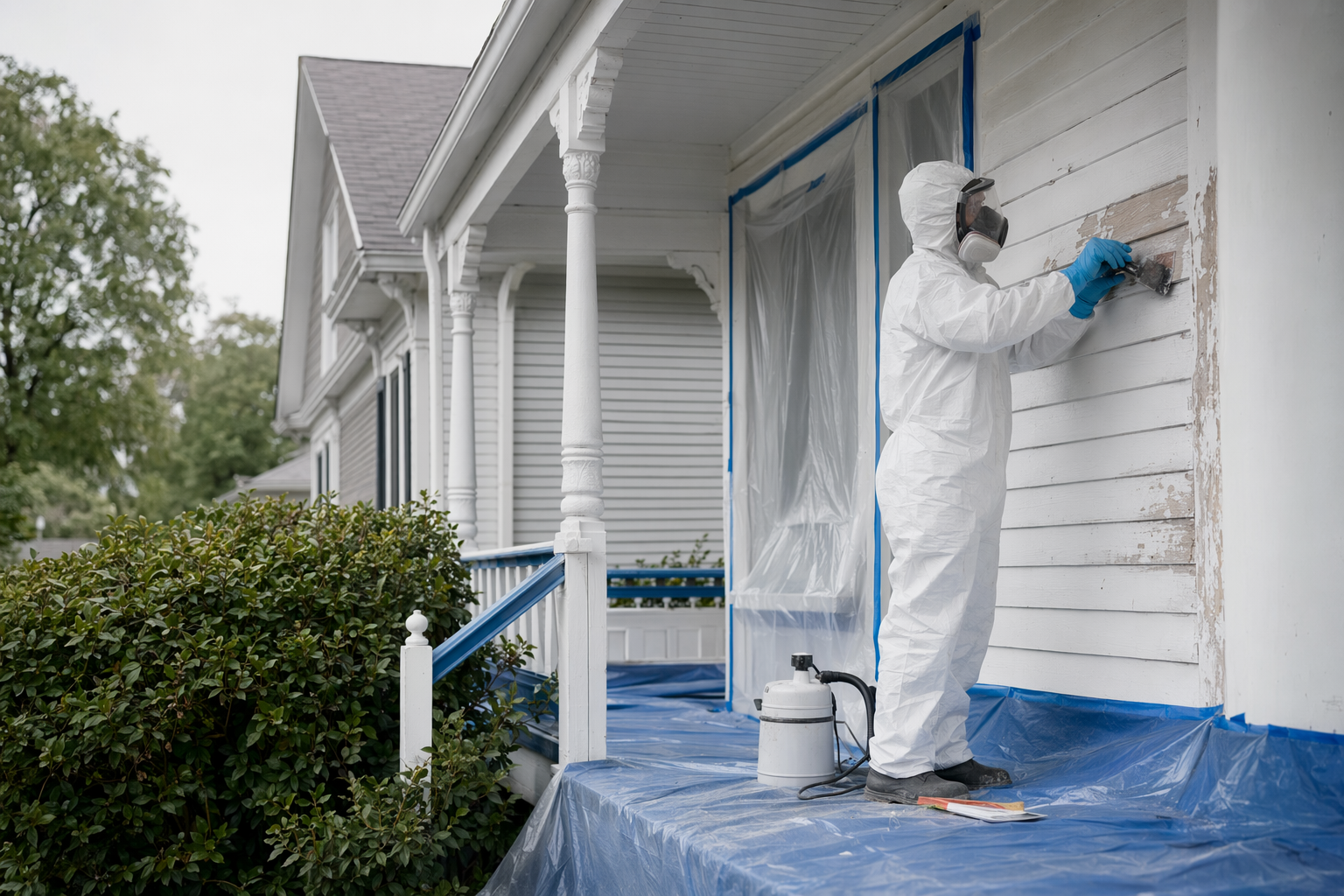
If you think a home may have lead paint, the safest first step is to leave the painted surface alone. Do not sand, scrape, burn, or power-wash it, because that can create dust that people can breathe or swallow.
Keep children and pets away from the area if you can, and clean only in a careful, low-dust way if a certified professional tells you to do so. If there is a child with possible lead exposure symptoms or a known exposure, contact a doctor or your local health department right away.
For any renovation, repair, or painting work in a pre-1978 home, ask for an EPA Lead RRP-certified pro. Abatewell is a free matching service and directory, not a contractor, tester, or lab.
What year homes may have lead paint?
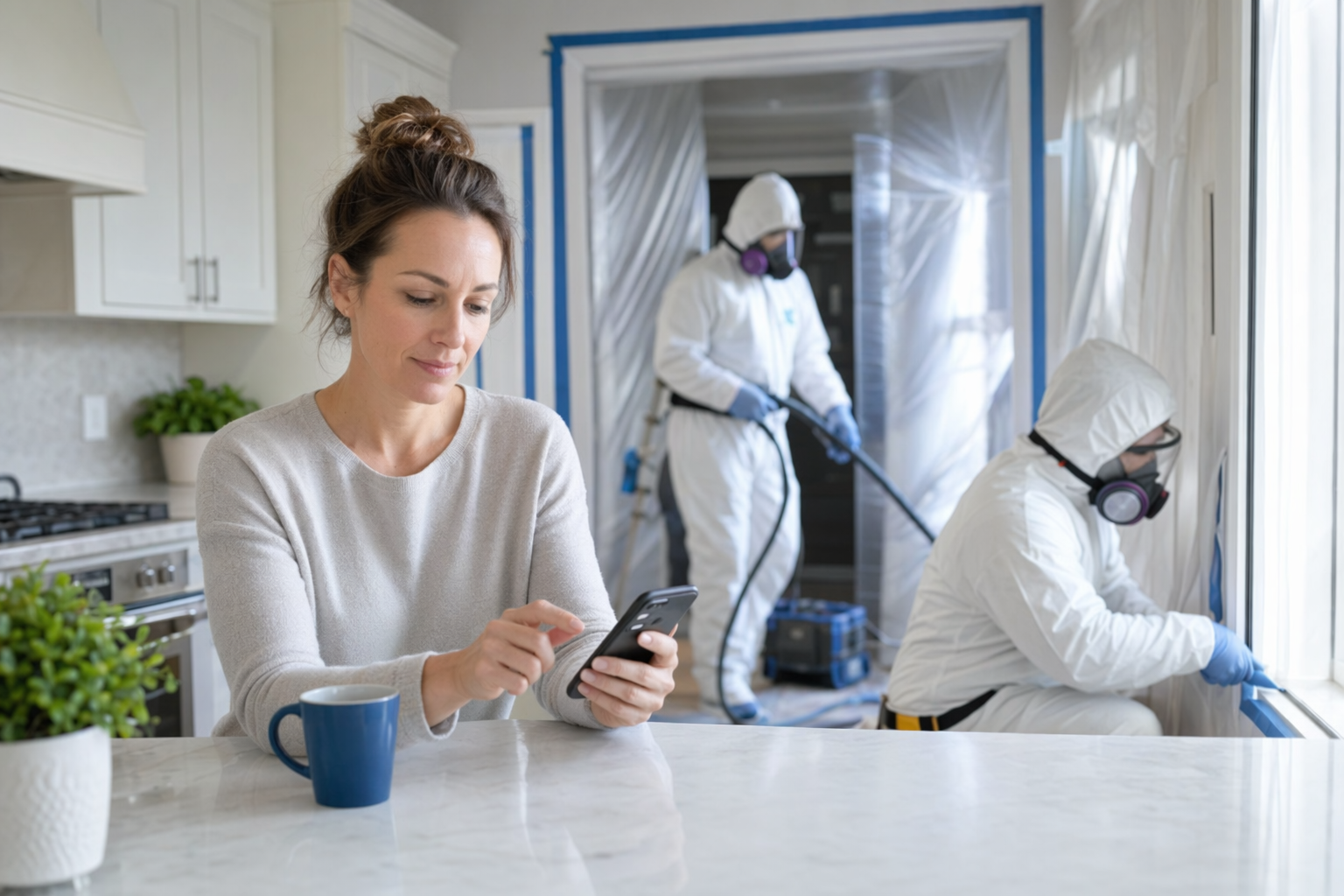
In the United States, homes built before 1978 may contain lead-based paint. That is the key cutoff most people use because lead paint was banned for residential use in 1978.
That said, the year alone does not prove anything. Some older homes have had the lead paint removed or covered, and some components in later homes may still have old layers underneath from repairs or reused materials. The only way to know for sure is proper testing.
If you are buying, selling, or renovating an older home, it is smart to treat it as a possible lead hazard until a certified professional confirms otherwise.
Why lead paint matters
Lead dust is the main concern. When lead paint is disturbed, tiny particles can get into the air, onto floors and windowsills, and onto hands, toys, and other surfaces.
Children are especially at risk because they can put dusty hands or objects in their mouths. Lead exposure can also be harmful to pregnant people and adults. Because the risk is from dust and chips, the safest approach is usually to avoid disturbing the material until it has been tested.
If the paint is intact and not being disturbed, it may not be an immediate problem. But once you plan sanding, scraping, demolition, or major remodeling, testing and proper work practices become much more important.
How testing and legal work should be handled
Lead testing should be done by a qualified professional using approved methods. Depending on your state and the situation, that may include an EPA-recognized lead inspector/risk assessor or a contractor using EPA Lead RRP rules for renovation work in pre-1978 homes.
If asbestos is also a concern in the home, state asbestos abatement licensing rules apply, and the work should include proper containment and disposal. Lead and asbestos are both tightly regulated, and the exact requirements vary by state and locality.
Always verify the pro's certification, license, and insurance yourself with the EPA and your state or local authority. Ask for the scope of work in writing, and ask how they will contain dust, protect the area, and dispose of any waste. If a company refuses to answer clearly, that is a red flag.
Honest cost ranges and what changes the price
Testing and lead-safe work costs vary a lot. Simple testing may be relatively low cost, while larger inspection, containment, repair, or abatement projects can cost much more. The real number depends on the size of the area, how many painted surfaces are involved, how easy they are to access, your local labor market, and the testing and disposal required.
These ranges are not quotes:
1. Basic lead testing or inspection: often a few hundred dollars or more.
2. Small lead-safe repair or renovation work: can run from several hundred to several thousand dollars.
3. Full abatement or larger projects with containment and disposal: may cost several thousand dollars or more.
If asbestos is part of the job, costs can rise because of the added licensing, containment, and disposal requirements. For a general overview, see costs.
How Abatewell can help you find the right pro
Abatewell is a free directory and matching service for people who want licensed, certified lead or asbestos professionals near them. We collect only basic contact and project details such as name, phone, optional email, concern type, ZIP, rough home age, and preferred language.
Use our guide hub to learn what to ask before you hire, and use get matched when you are ready to connect with pros. Before you choose anyone, ask for proof of certification, license, and insurance, and get the scope and price in writing.
Watch for scam red flags: no license or certification, no containment, "we'll just scrape it off," cash-only demands, scare tactics, or pressure to sign right away. A careful, verified pro should explain their plan in plain language.

Homes built before 1978 may have lead paint, but the safe move is to leave it alone and have a certified pro test it before any work starts.
Common questions
What year houses have lead paint?
In the U.S., homes built before 1978 may have lead paint. The year is a warning sign, not proof, so testing is still the only reliable way to know.
Can I tell by looking if paint has lead?
No. Lead paint can look normal, and newer paint can cover older layers. If you suspect it, do not disturb it and have it tested by a certified professional.
Should I scrape lead paint off myself?
No. Do not sand, scrape, or remove suspected lead paint yourself. That can create dangerous dust; use a certified pro and make sure the work follows EPA Lead RRP rules for pre-1978 homes.
How do I verify a contractor is certified?
Ask for their license and certification number, then verify it with your state or the EPA yourself. Also confirm insurance and ask how they will do containment, cleanup, and disposal.