Services
Encapsulation and enclosure
Encapsulation or enclosure can sometimes make lead paint or asbestos safer without full removal, but only after the material is properly identified and a certified professional says it is a good fit.
What to do right now
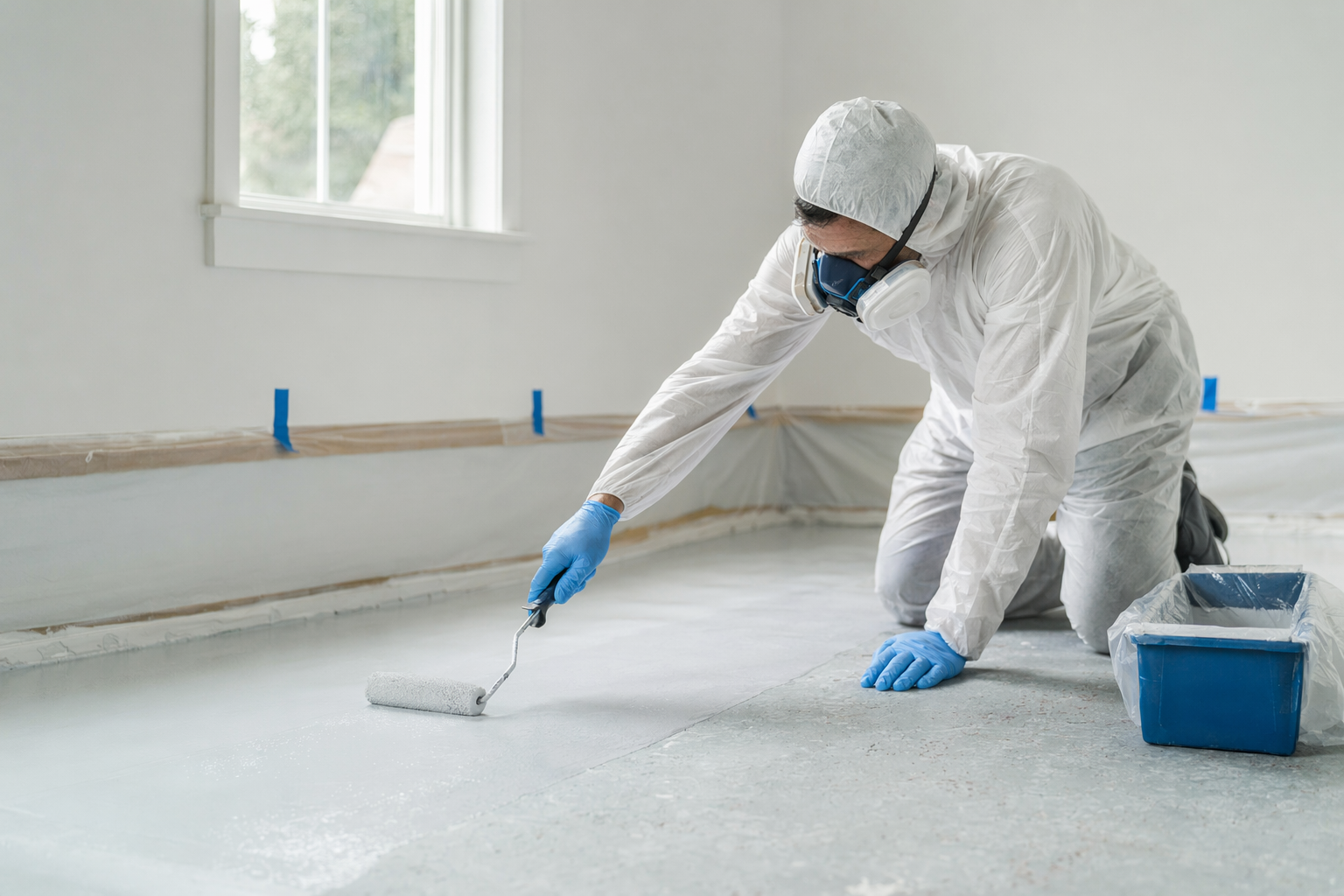
Do not sand, scrape, drill, cut, break, or demolish material you think may contain lead paint or asbestos. Keep children, pets, and other people away from the area as much as you can until you know what it is.
The safest next step is to get the material tested and evaluated by a certified professional before any work starts. Abatewell is a free matching and directory service that helps you find local professionals, but Abatewell does not test, remove, or abate anything.
If a child may have been exposed to lead dust, or if you have a health concern about possible exposure, contact a doctor or your local health department. This page is general educational information, not medical, legal, or regulatory advice.
What encapsulation and enclosure mean
These words are often used together, but they are not exactly the same. Both are ways to manage a hazard without taking all of the material out, when that is allowed by the condition of the material, the location, and state or local rules.
Encapsulation means a trained professional seals the material with a special coating or system designed to lock fibers or lead paint in place. Enclosure means the hazardous material is covered behind a durable new barrier, such as new wallboard, paneling, or another approved covering, so people cannot touch or disturb it.
For lead paint, encapsulation may be used on some intact painted surfaces if the paint is sound and the product is made for that purpose. For asbestos, encapsulation or enclosure may sometimes be used for certain materials in stable condition, but it is not right for every material or every location. Friable, damaged, water-deteriorated, or often-disturbed material may not be a good candidate.
A certified pro should decide whether sealing in or enclosing the material is appropriate, or whether repair, removal, or another approach is safer. If you are still comparing options, you can review related services and basic hazard information at hazards.
How certified professionals do this work safely
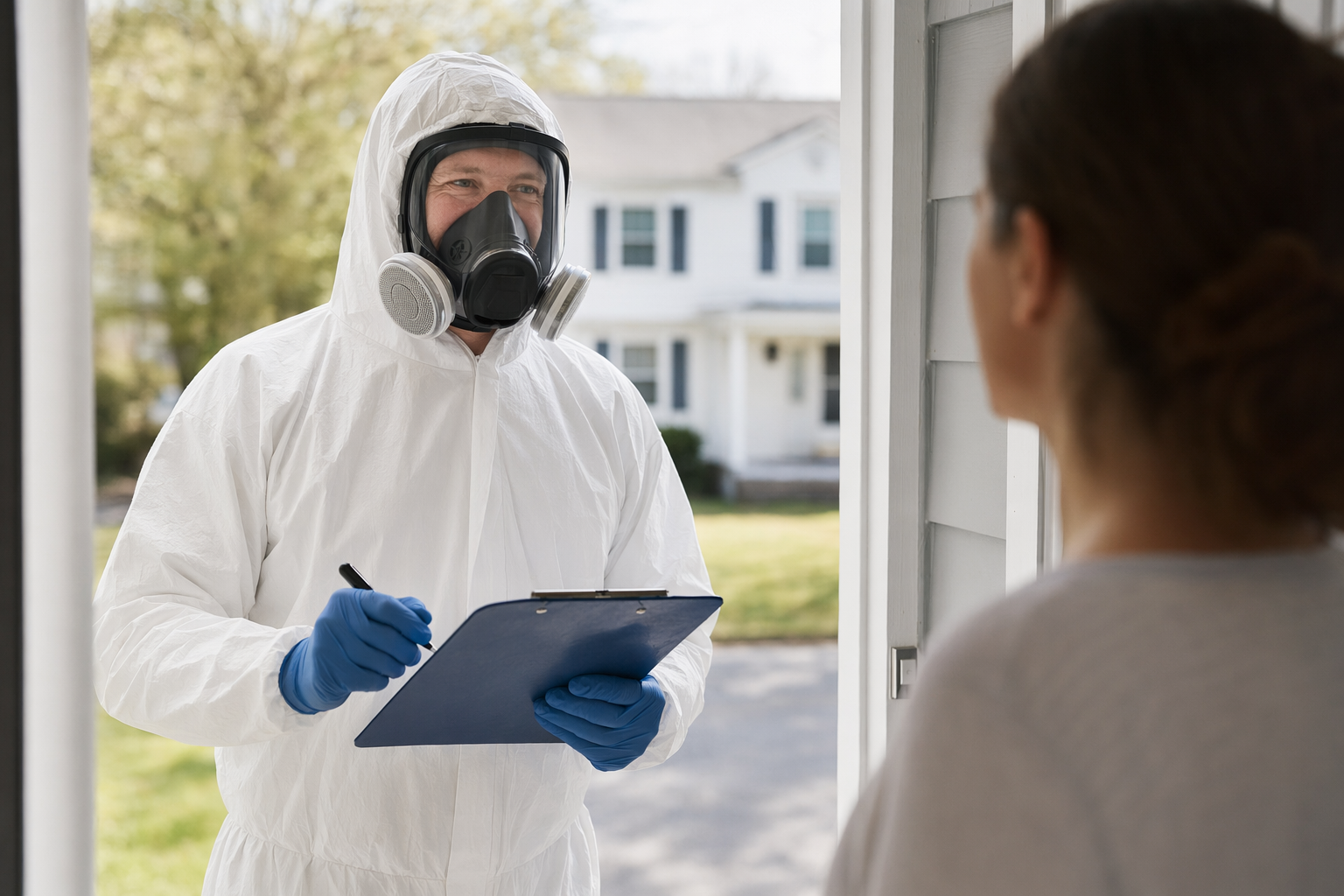
A qualified professional usually starts with identification and condition assessment. That may include accredited lab testing of samples, checking how damaged the material is, and deciding whether the area can stay in place safely if it is properly sealed or enclosed.
If work moves forward, the crew should set up containment so dust and debris do not spread to the rest of the home. Depending on the job, that can include plastic barriers, restricted access, warning signs, protected floors and vents, and specialized cleaning equipment. Workers should use proper personal protective equipment, and cleanup commonly involves HEPA vacuums and careful wet methods rather than dry sweeping.
For lead paint, work that disturbs paint in pre-1978 homes is heavily regulated. If renovation, repair, or painting will disturb painted surfaces, ask whether the firm is EPA Lead RRP certified and whether the work also requires additional lead abatement licensing under your state or local rules.
For asbestos, licensing is typically handled by the state, and asbestos work is also heavily regulated. Ask what state license applies, how containment will be done, whether disposal will go to an approved facility, and whether post-work cleaning or clearance testing is recommended or required.
A careful process often looks like this:
1. Test and identify the material.
2. Decide whether encapsulation, enclosure, repair, or removal is the right method.
3. Set up containment and restrict access.
4. Prepare the surface or area using approved methods.
5. Apply the encapsulant or build the enclosure system.
6. Clean with HEPA and other approved methods.
7. Arrange any required disposal, documentation, and clearance steps.
When this may be allowed instead of removal
Encapsulation or enclosure can sometimes cost less and create less disruption than full removal, but it is not a shortcut. It only works when the material can remain in place safely and when the finished system will stay durable over time.
For example, intact lead-painted trim or walls may sometimes be encapsulated if the surface is stable and not likely to be hit, rubbed, chewed, or damaged. Asbestos-containing material in good condition may sometimes be enclosed or sealed if it is not crumbling and will not be disturbed by future repairs, leaks, vibration, or renovations.
Removal may be the better choice if the material is damaged, friable, exposed to moisture, in a high-contact area, or likely to be disturbed later by remodeling, plumbing, electrical work, or resale requirements. A buyer, lender, insurer, building department, or local rule may also affect what option is practical.
Because rules vary, ask the contractor and your state or local authority what is allowed where you live. Verify the professional's certification or license yourself with the EPA or your state licensing agency rather than relying only on a business card or website.
Typical cost ranges and what affects the price
Costs vary a lot based on what the material is, how much there is, how easy it is to reach, where you live, whether testing is already done, and what containment, cleanup, disposal, and clearance are required. These are general ranges, not quotes.
For smaller lead paint encapsulation jobs, homeowners may see rough starting ranges from a few hundred dollars for a very limited area to a few thousand dollars for multiple rooms or larger surfaces. Enclosure work can cost more because it may involve carpentry or drywall in addition to hazard controls.
For asbestos, small encapsulation or enclosure projects may sometimes start around the low thousands, while larger or more complex jobs can rise significantly depending on the material type, access, labor, and state licensing requirements. Full removal usually costs more than sealing in or enclosing, but not always, especially if the existing material is too damaged to manage in place.
Ask for a written scope that separates testing, preparation, containment, labor, disposal, repairs, and any clearance or re-inspection. You can also compare broader costs and request help to get matched with local professionals. Abatewell is free for homeowners and only collects basic contact and project details such as name, phone, optional email, concern type, ZIP code, rough home age, and preferred language.
How to spot red flags and verify a pro
Do not hire anyone who wants to start by dry scraping, sanding, or breaking suspected lead paint or asbestos without proper testing, containment, and certification. Be cautious if someone says sealing it is always enough without first checking the material condition and the rules that apply.
Red flags include missing license or certification, no containment plan, no mention of HEPA cleanup, no written scope, pressure to sign right away, cash-only demands, or scare tactics. Another warning sign is a promise of a guaranteed price or guaranteed result before the contractor has seen the job conditions.
Use this checklist before you hire:
- Ask what testing identified the material and which lab was used if samples were taken.
- Ask whether the firm has EPA Lead RRP certification for paint disturbance in pre-1978 homes, and whether any additional lead licenses are required.
- Ask what state asbestos license applies if asbestos is involved.
- Ask how containment, PPE, HEPA cleanup, and disposal will be handled.
- Ask whether clearance, final cleaning verification, or re-inspection is included.
- Get the scope and total price in writing.
- Verify certification, licensing, and insurance yourself with the EPA or your state.
Abatewell is not a contractor, laboratory, or law firm, and does not recommend a guaranteed outcome. It is a free matching and directory service to help you find local professionals to contact and screen yourself.
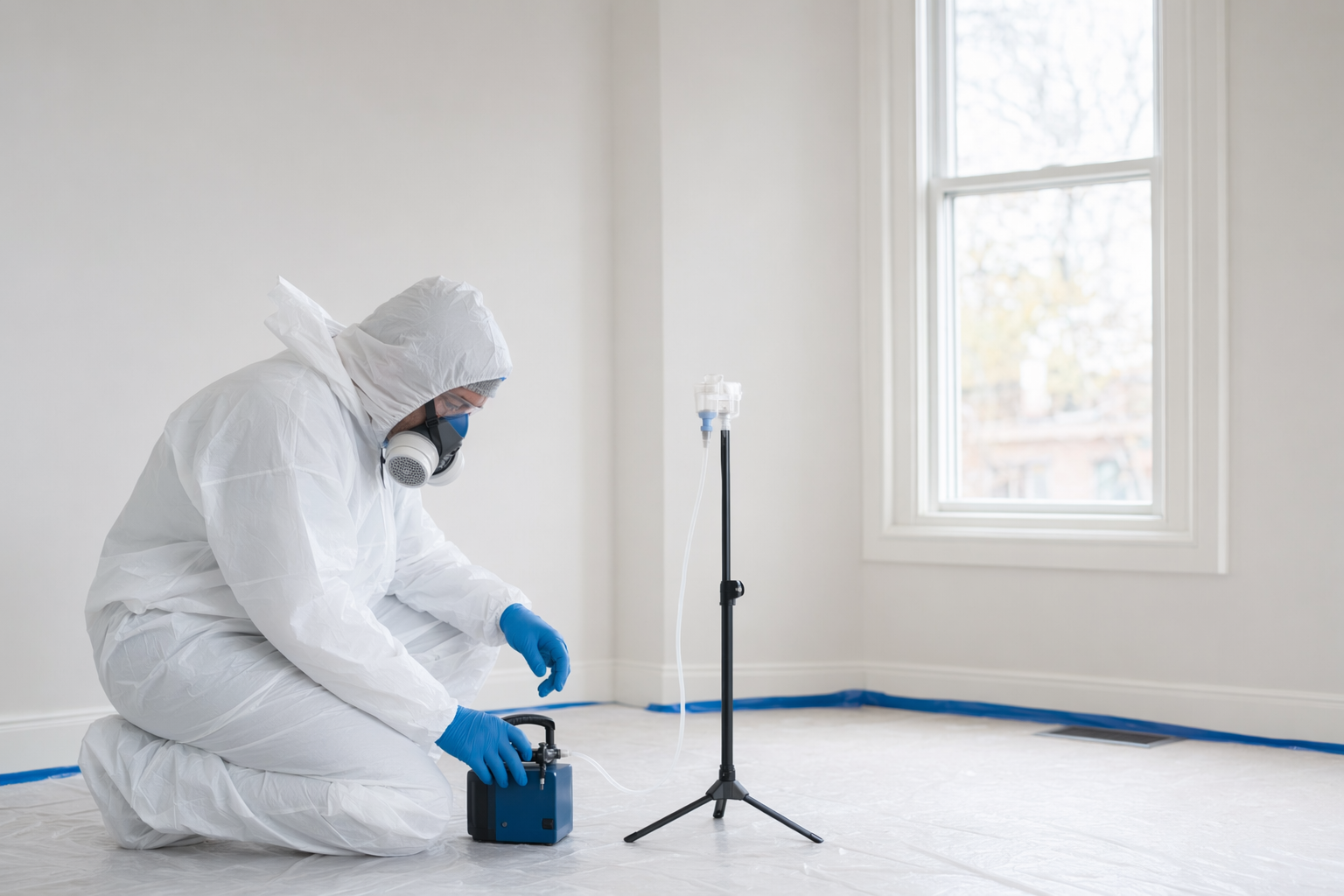
Sometimes hazardous material can be safely sealed in or covered, but only after proper testing and review by a certified professional who follows the rules.
Common questions
Is encapsulation cheaper than removal?
Often yes, but not always. The real cost depends on the material, its condition, how much there is, access, your location, and the containment, testing, and cleanup required.
Can I just paint over lead paint or asbestos myself?
Do not assume ordinary paint is enough or that do-it-yourself work is safe. Suspected lead paint or asbestos should be evaluated first, and disturbing it can create a bigger hazard.
What is the difference between encapsulation and enclosure?
Encapsulation seals the hazardous material with a special coating or system. Enclosure places a durable new barrier over it so the material is not exposed or easily disturbed.
Do I still need testing if I plan to enclose the material?
Usually, testing or professional evaluation is still important because the method depends on what the material actually is and what condition it is in. Rules may also require identification before work begins.
How do I verify a contractor for this kind of work?
Ask for the firm's license or certification details, then confirm them yourself with your state licensing authority or the EPA where applicable. Also ask for proof of insurance and a written scope explaining containment, cleanup, and disposal.
Does Abatewell do the testing or abatement?
No. Abatewell is a free matching and directory service only; it does not test, remove, or abate lead paint or asbestos.