Hazards
Older home — the hidden lead and asbestos risks
Older homes can be beautiful, but they may also hide lead paint or asbestos. Before any sanding, cutting, scraping, or renovation, stop and get suspected material tested by a certified professional.
Don't disturb it
Sanding, scraping, cutting, or breaking material that may contain lead or asbestos is what releases the hazard. Leave it alone, keep people and pets away, and get it tested by a certified pro first.
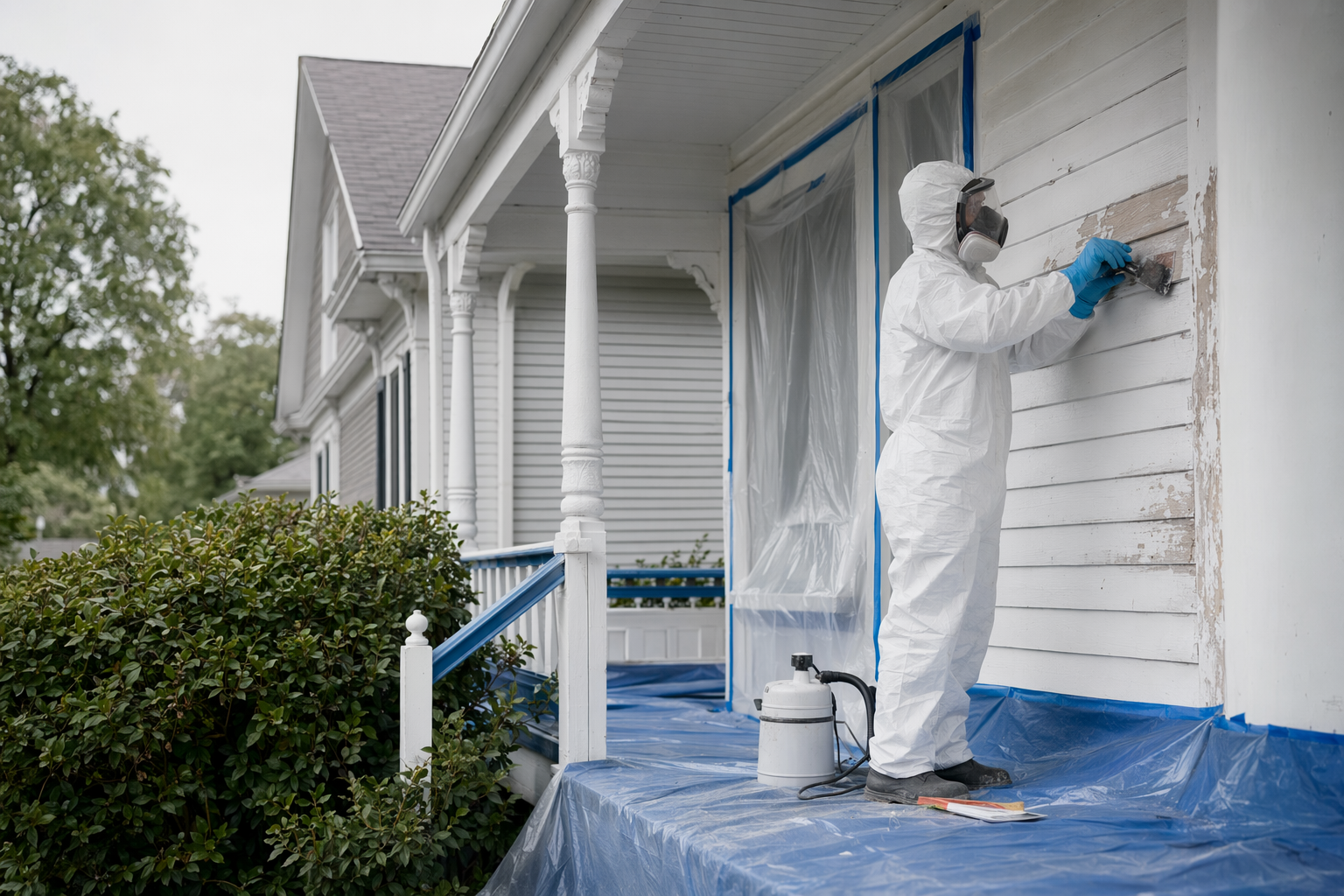
What to do right now
If you think your older home may have lead paint or asbestos, the safest first step is simple: do not disturb it. Do not sand, scrape, drill, cut, break, or tear out the material to “see what’s underneath.” Keep children, pregnant people, and pets away from the area until you know what it is.
If work has already started, stop the work if you can do so safely. Close off the area as much as possible, avoid tracking dust through the home, and do not dry sweep debris. Then arrange testing by a certified professional before anything else happens.
- Stop renovation, repair, or demolition work.
- Keep people and pets out of the area.
- Do not touch, sweep, sand, or vacuum suspected material with a regular household vacuum.
- Get the material tested by a certified professional first.
- For a health concern, especially possible lead exposure in a child, contact a doctor or your local health department.
Abatewell is a free matching and directory service. We do not test, remove, or abate lead paint or asbestos, and we do not give legal, regulatory, or medical advice. We help you find licensed, certified professionals near you through get matched.
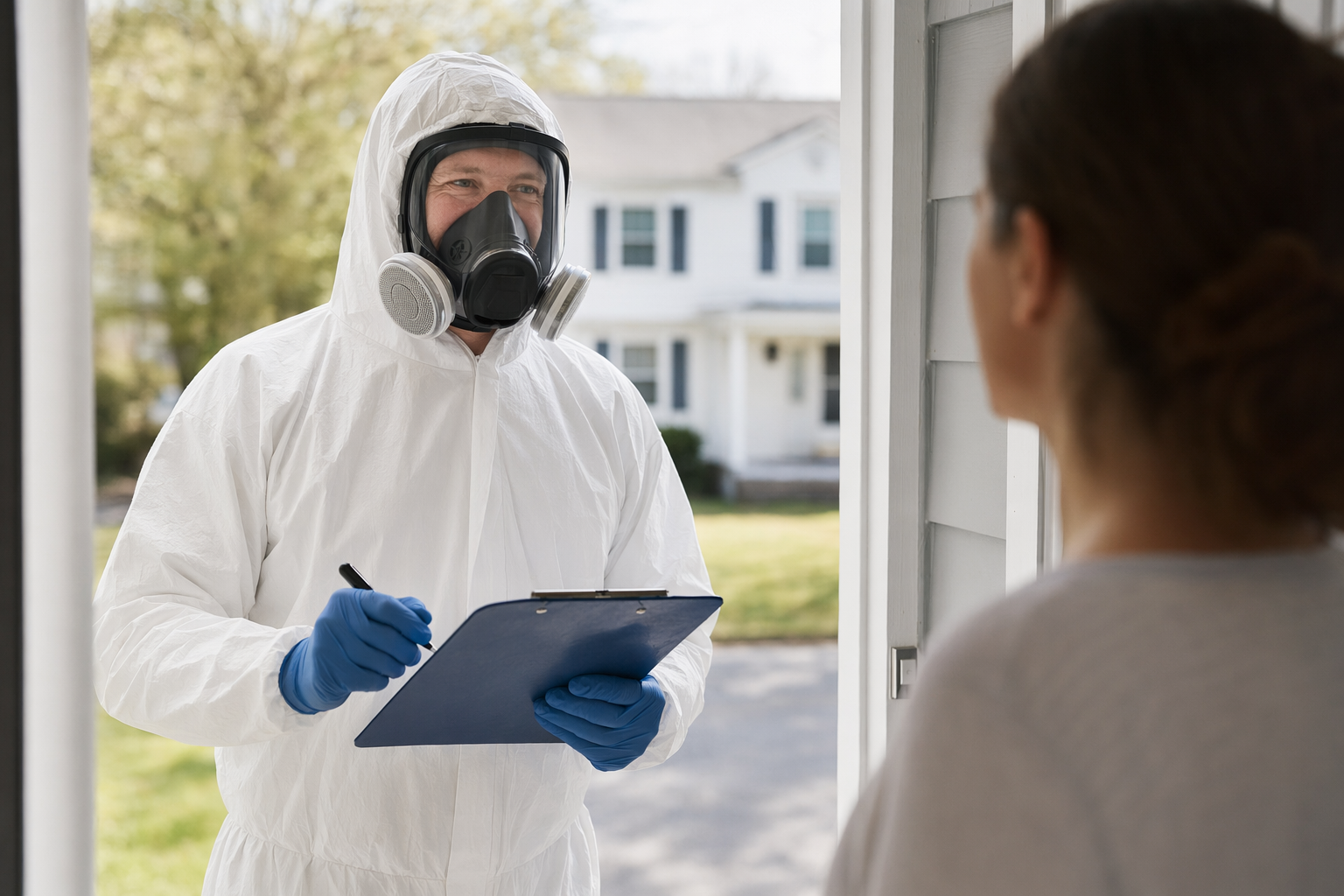
Why older homes can have hidden hazards
Homes built before 1978 often contain lead-based paint somewhere in the property. It may be on walls, windows, trim, doors, porches, stairs, railings, or older painted siding. Even if the paint has been covered with newer paint, it can still become a problem if it is chipped, peeling, or disturbed during repair or renovation.
Asbestos was widely used in many building products, especially in homes built before the 1980s. It may be found in pipe insulation, old floor tile and mastic, popcorn ceilings, textured coatings, cement siding, roofing materials, vermiculite attic insulation, and some wall or furnace materials. You usually cannot tell by looking whether a material contains asbestos.
A material that is in good condition and left alone may not create an immediate risk. The danger usually rises when lead dust or asbestos fibers are released into the air or spread through the home during sanding, scraping, demolition, or improper cleanup. That is why testing first matters so much in older homes and before any renovation or sale.
Health risks without the scare tactics
Lead is most dangerous as dust or chips that can be swallowed or breathed in. Young children are at special risk because they may touch dusty surfaces and put hands or toys in their mouths. Lead exposure can harm a child’s developing brain and nervous system. Adults can also be affected, and pregnant people need to be especially careful.
Asbestos is most dangerous when tiny fibers become airborne and are breathed in. Long-term or heavy exposure can increase the risk of serious lung disease. The risk is generally tied to exposure over time, but the right response is still to avoid disturbing suspected material and have it evaluated properly.
This page is general educational information, not medical advice. If you are worried that someone in the home may already have been exposed, contact a doctor or your local health department. For more background, you can also explore our hazards hub.
- Lead risk often comes from dust created during repair or paint disturbance.
- Asbestos risk often comes from fibers released when old materials are cut, broken, or removed.
- Children, pregnant people, and anyone with breathing concerns should be kept away from suspected areas.
How testing works
The right test depends on the material. For lead paint, a trained professional may use approved methods to check painted surfaces and, when needed, collect samples for analysis. For asbestos, testing usually means a trained inspector carefully takes samples of suspected material and sends them to an accredited laboratory. Because sampling itself can disturb the material, it should be done by someone qualified to do it safely.
If you are planning renovation in a pre-1978 home, ask specifically about lead-safe evaluation and whether the company follows EPA Renovation, Repair and Painting requirements when paint may be disturbed. For asbestos, ask whether the inspector or contractor holds the state-required asbestos license for inspection or abatement in your area.
Do not rely on guesswork, a hardware-store opinion, or a photo alone. And do not break off a piece yourself unless a local authority specifically tells you to and you understand the risk. If you want more detail on asbestos testing, see how to test for asbestos.
- Ask what material will be sampled and how the area will be protected.
- Ask which accredited laboratory will analyze the sample.
- Ask when results are expected and whether a written report is included.
- Keep a copy of the report for future repairs, renovation, or sale.
What the law usually requires
Lead and asbestos work is heavily regulated, and the exact rules vary by state and local area. In plain language, if renovation work will disturb painted surfaces in a pre-1978 home, EPA Lead RRP rules often require the firm to be certified and to use lead-safe work practices. That includes controlling dust, protecting the area, and cleaning properly.
For asbestos, removal and other abatement work is typically controlled by state licensing rules. Many states require asbestos inspectors, contractors, and workers to hold specific licenses or certifications. Proper containment, safe handling, and lawful disposal are a major part of the job. In some places, even sampling has rules.
Do not take a contractor’s word for it. Verify the company’s certification, license status, and insurance yourself with your state authority and, where relevant, EPA records. Get the scope of work and cleanup steps in writing before you agree to anything. This is general information, not legal or regulatory advice, and local requirements can be stricter than the basic rule.
Red flags to watch for:
- No license or certification information
- "We’ll just scrape or sand it off"
- No containment plan
- Cash-only or pressure to sign immediately
- No written scope, cleanup plan, or disposal details
Honest cost ranges and how to find the right pro
Costs vary a lot based on what the material is, how much there is, where it is located, how easy it is to access, your local labor market, and what testing, containment, and disposal are required. These ranges are not quotes, but they can help you plan.
Testing is often the first cost. Small lead paint or asbestos sampling jobs may run from roughly $250 to $800+, while larger inspections or multiple samples can cost more. If abatement is needed, lead-safe repair or paint stabilization may be a smaller job, but larger lead abatement projects can run from the low thousands into much more. Asbestos removal can range from around $1,500 to several thousand dollars or higher depending on the material, location, and containment needs. Disposal rules can add cost.
The safest approach is to get more than one written estimate when possible and compare scope, not just price. A low price is not a bargain if the company skips containment, cleanup, or legal disposal. See more general pricing guidance at costs.
Abatewell is free for homeowners and renters. We collect only basic contact and project details such as your name, phone, optional email, concern type, ZIP code, rough home age, and preferred language so you can connect with licensed, certified professionals. We do not ask for financial account numbers, Social Security numbers, immigration status, or sensitive personal records. When you are ready, you can get matched with local pros and then verify their credentials yourself before hiring.
If your older home may have lead paint or asbestos, do not disturb it—keep people away and have it tested by a certified professional before any work starts.
Common questions
My house is old but nothing looks damaged. Should I still worry?
Not every older home creates an immediate hazard, and materials in good condition may not be releasing dust or fibers. The key is not to disturb suspected materials and to get them evaluated before renovation, repair, or demolition.
Can I test suspected lead paint or asbestos myself?
DIY kits may exist, but they can be limited and may not meet the needs of a renovation, sale, or abatement decision. Because collecting samples can disturb hazardous material, the safer choice is usually to use a certified professional and accredited lab testing.
Is it safe to renovate a pre-1978 home?
It can be done, but it needs the right steps. If paint will be disturbed, ask for an EPA Lead RRP-certified firm, and if asbestos may be present, have suspect materials checked and follow state asbestos licensing and containment rules.
What should I ask before hiring a company?
Ask for license or certification details, proof of insurance, what testing will be done, how containment and cleanup will work, where samples go for analysis, and how waste will be disposed of. Get the scope and price in writing, then verify credentials yourself.
Does Abatewell do the testing or removal?
No. Abatewell is a free matching and directory service, not a contractor, testing lab, or law firm. We help you find licensed, certified professionals near you.