Guides
Lead exposure and your child's health
Lead can seriously harm a child’s developing brain and body, and children often have no clear symptoms at first. If you suspect lead paint or dust, do not disturb it—keep kids away and arrange certified testing first.
What to do right now
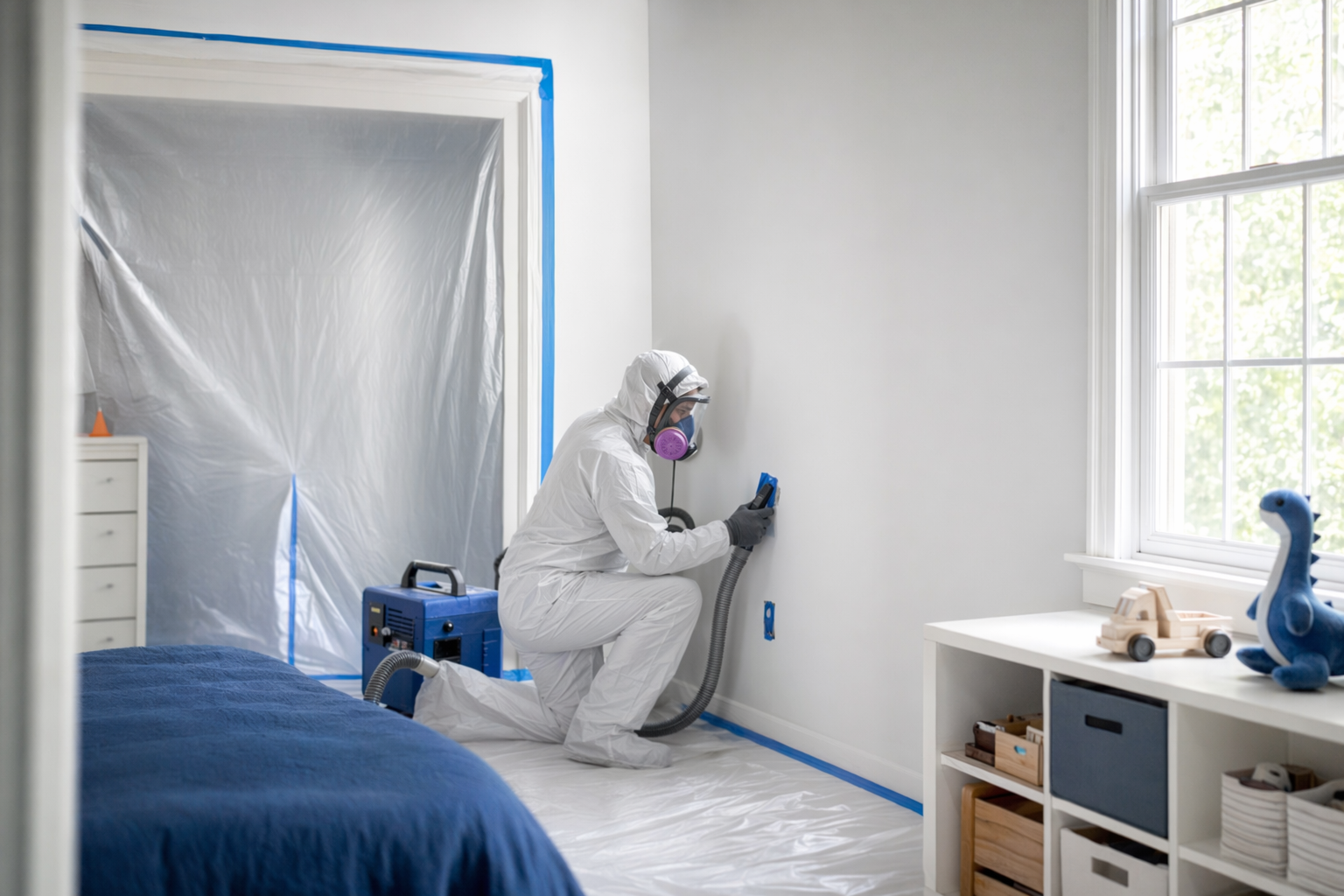
If you think your child may be around lead paint, lead dust, or paint chips, the safest first step is simple: do not sand, scrape, cut, drill, or tear anything out. Disturbing old paint can release dangerous lead dust that is easy for children to breathe in or swallow.
Keep children and pregnant people away from the area if you can. Wash children’s hands often, especially before eating and sleeping, and clean up visible paint chips carefully without dry sweeping or creating dust.
If you are worried your child may already have been exposed, contact your child’s doctor or local health department as soon as possible. They can tell you whether blood lead testing makes sense and what to do next.
Abatewell is a free matching and directory service. We do not test for lead, remove lead, or give medical, legal, or regulatory advice, but we can help you find licensed or certified local professionals through get matched and learn more in our guides.
Why lead is especially dangerous for children and pregnant people
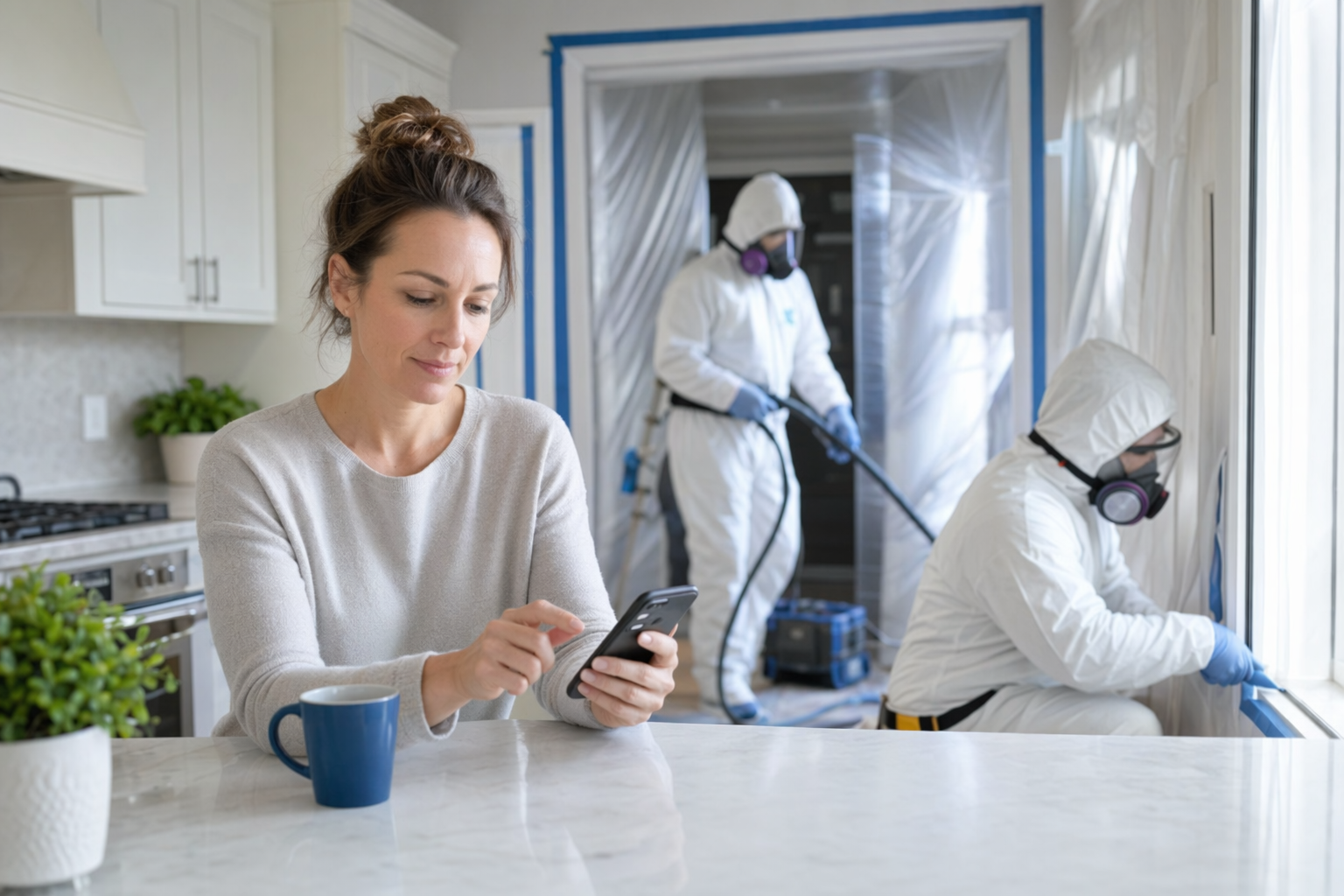
Lead is toxic, and young children are especially vulnerable because their brains and nervous systems are still developing. Even small amounts of lead exposure can be a problem. Children also put hands, toys, and other objects in their mouths more often, which makes lead dust and paint chips more dangerous.
Pregnant people need to be especially careful too. Lead exposure during pregnancy can harm both the pregnant person and the baby. If there is a health concern, a doctor or local health department is the right place to ask what testing or follow-up is appropriate.
One hard part about lead is that a child may have no obvious symptoms at all. When symptoms do appear, they can be vague and easy to miss, which is one reason home testing matters when there is peeling paint, renovation in an older home, or possible contaminated dust.
Possible signs of lead exposure
Lead exposure does not always cause clear symptoms right away. Some children with elevated lead levels seem completely fine at first. That is why relying on symptoms alone can miss a real problem.
Possible signs can include irritability, tiredness, stomach pain, constipation, poor appetite, vomiting, trouble paying attention, or developmental delays. But these signs can happen with many other health issues too, so they are not enough to diagnose lead exposure.
If you are worried about your child’s health, contact a doctor, pediatrician, or local health department. They can advise you about blood lead testing and next steps. This page is general educational information only, not medical advice.
- Children may have no symptoms even when lead is present
- A blood test is typically used to check for lead exposure
- For medical questions, call a doctor or local health department
Where lead exposure often comes from at home
In many US homes, especially pre-1978 homes, the biggest concern is old lead-based paint. The danger is often not the intact paint itself, but the dust and chips created when paint peels, cracks, rubs on windows and doors, or gets disturbed during repair or remodeling.
Lead can also come from renovation work done without proper safety steps, contaminated soil near older homes or busy roads, and sometimes old painted surfaces on porches, trim, railings, or outbuildings. Imported products, pottery, spices, cosmetics, or old plumbing can also be concerns in some situations, but the home itself is a very common source.
If your home was built before 1978 and you are planning repairs or renovations, ask whether the contractor is EPA Lead RRP certified. EPA Renovation, Repair and Painting rules apply to many projects that disturb paint in pre-1978 homes and require lead-safe work practices. If another material may also be involved, such as insulation or old flooring, asbestos rules may apply too; asbestos work is heavily regulated at the state level and typically requires state-licensed professionals, containment, and proper disposal.
Why testing the home matters before any work
If there may be lead paint in the home, testing helps you make safe decisions before anyone starts sanding, scraping, demolition, or repairs. The goal is to find out what the material is and where the risk is coming from so the work can be done safely.
A certified lead inspector, risk assessor, or other qualified local professional may use on-site tools and may also collect paint, dust, or soil samples for analysis by an accredited laboratory. The right type of testing depends on the problem, the age of the home, and what kind of work is planned.
Do not let someone guess, “That’s probably fine,” and start disturbing old painted surfaces anyway. Proper testing is often the difference between a controlled project and lead dust spreading through the home.
If you need help finding someone to contact, Abatewell can help you get matched with local providers. You should still verify each professional’s certification, license where applicable, and insurance yourself through your state authority, local agency, or EPA resources.
How to choose a qualified professional and avoid red flags
Lead and asbestos work are heavily regulated for a reason. Before hiring anyone, ask what certification or license they hold, whether they carry insurance, what testing they recommend, how they will contain the work area, and how waste will be handled and disposed of. Get the scope of work and price in writing.
For paint disturbance in pre-1978 homes, ask about EPA Lead RRP certification. For asbestos-related work, ask about state asbestos licensing. In either case, verify credentials yourself rather than relying only on what a company says in an ad or over the phone.
Watch out for red flags: no license or certification, no plan for containment, promises to “just scrape or sand it off,” cash-only deals, pressure to sign immediately, or scare tactics. A trustworthy pro should be willing to explain the process calmly and clearly.
Abatewell is not a contractor, laboratory, or law firm. We are a free matching and directory service for homeowners and renters. We only collect basic contact and project details such as name, phone, optional email, concern type, ZIP code, rough home age, and preferred language.
- Verify EPA/state certification yourself
- Ask how dust containment and cleanup will be done
- Use accredited lab testing when sampling is needed
- Get scope, disposal steps, and price in writing
Costs, next steps, and getting help
Costs vary a lot by home size, how many areas need testing, whether dust or soil sampling is needed, where you live, and whether any regulated removal or repair work is required. As a very rough guide, lead testing or inspection may range from a few hundred dollars to over $1,000 in some cases, and lead-safe repair or abatement can range from hundreds to many thousands depending on the amount of material, access, containment, and disposal. These are not quotes.
If there is a possible health concern, contact your child’s doctor or local health department first. If there is a home hazard concern, the safest path is usually: stop disturbing the area, limit access, arrange qualified testing, then decide on repair or abatement based on the results.
You can explore more on our hazards and costs pages. If you want help finding local lead or asbestos professionals, use Abatewell to get matched. The service is always free for the homeowner.

If you think your child may be around lead, do not disturb the material, keep kids away, call a doctor for health concerns, and get the home tested by a certified professional first.
Common questions
Can a child have lead exposure without symptoms?
Yes. Many children with lead exposure do not show clear symptoms at first, which is why testing matters when there is a known or suspected source.
What should I do if my child may have been exposed to lead?
Call your child’s doctor or local health department promptly and ask about blood lead testing. At home, do not disturb suspected lead paint and keep children away from peeling paint, dust, and debris.
Is peeling paint always a lead problem?
No, but in a pre-1978 home it should be treated carefully until tested. Do not sand or scrape it yourself—have it evaluated by a certified professional.
Who should test my home for lead?
Look for a qualified lead professional in your area, and verify certification and insurance yourself. Depending on the situation, testing may involve a certified inspector, risk assessor, or sampling analyzed by an accredited lab.
Does Abatewell test for lead or remove it?
No. Abatewell is a free matching and directory service, not a contractor, testing lab, or law firm. We help connect people with local licensed or certified professionals.
How do I know if a contractor is using legal lead-safe practices?
Ask whether they are EPA Lead RRP certified for work that disturbs paint in pre-1978 homes, what containment steps they use, and how cleanup will be handled. Then verify their certification yourself through EPA or the appropriate state or local authority.