Guides
The EPA Lead RRP rule, explained
The EPA Lead RRP rule is a safety rule for work that disturbs painted surfaces in older homes. If your home was built before 1978, the safest first step is to avoid disturbing the paint and hire a properly certified pro who can follow the rule.
What to do right now
If you think a repair, sanding, scraping, or renovation may disturb lead paint, stop and keep children and pregnant people away from the area. Do not try to sand, scrape, or remove it yourself.
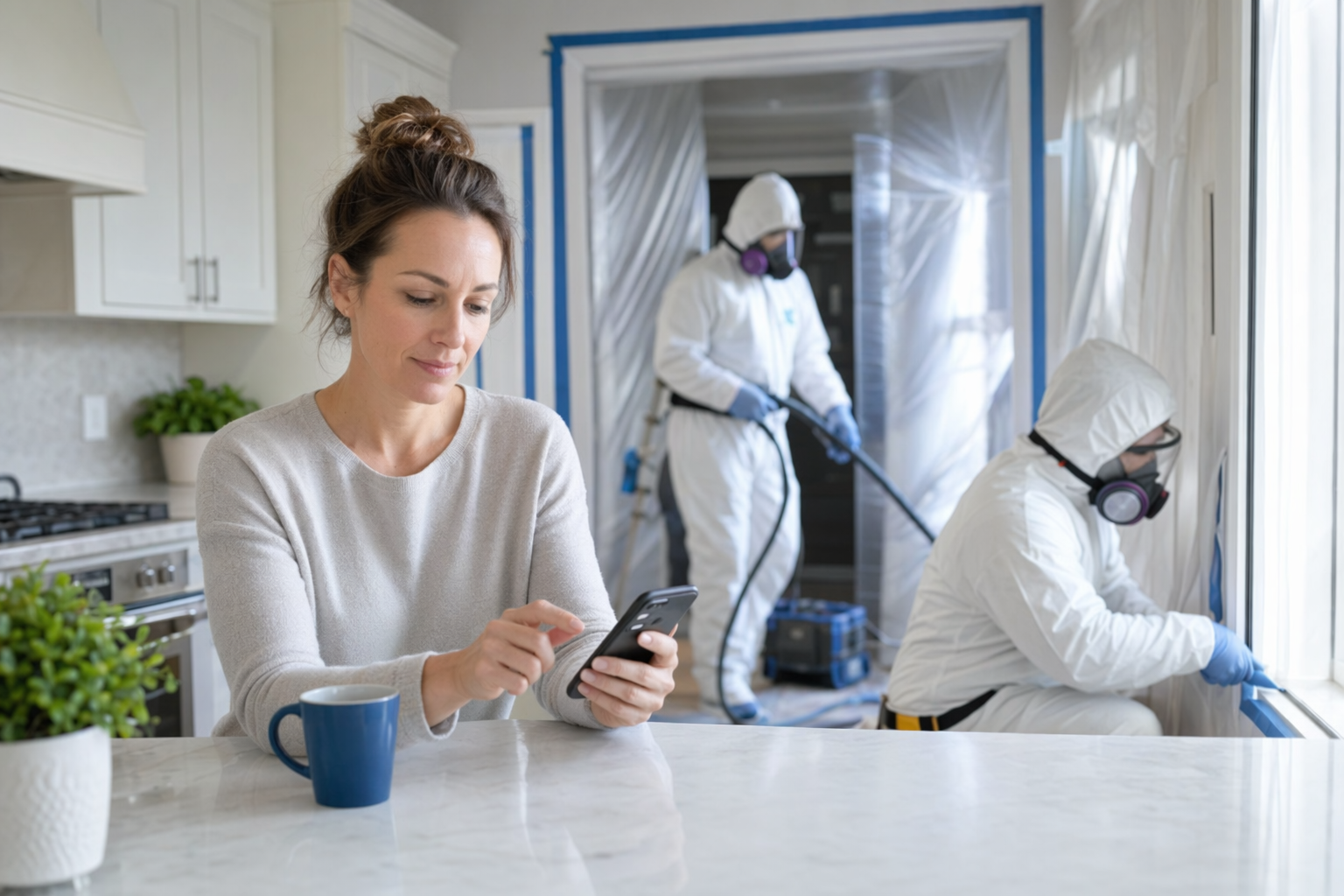
The safest next step is to have the home and the planned work reviewed by a certified lead professional before anything starts. For possible health exposure, contact a doctor or your local health department.
Abatewell is a free matching and directory service, not a contractor, testing lab, or law firm. We help you find licensed and certified pros, but we do not test, remove, or abate lead or asbestos.
What the EPA Lead RRP rule means
RRP stands for Renovation, Repair and Painting. It is an EPA rule that applies when work disturbs painted surfaces in pre-1978 housing and certain child-occupied facilities, because older paint may contain lead.
In plain language, the rule says the company doing the work must be certified for lead-safe renovation work, must use lead-safe practices, and must give the required lead information to the customer. The goal is to keep lead dust from spreading through the home.
This is especially important during repairs, remodeling, window work, demolition, or painting prep. If a contractor says they can just "sand it down" or "scrape it fast," that is a red flag.
Who needs to be certified, and what they must do
A firm that performs covered renovation work in pre-1978 homes generally needs EPA RRP firm certification, and the job must be handled by trained workers. Ask whether the company has current RRP certification and whether the person on site is trained to use lead-safe work practices.
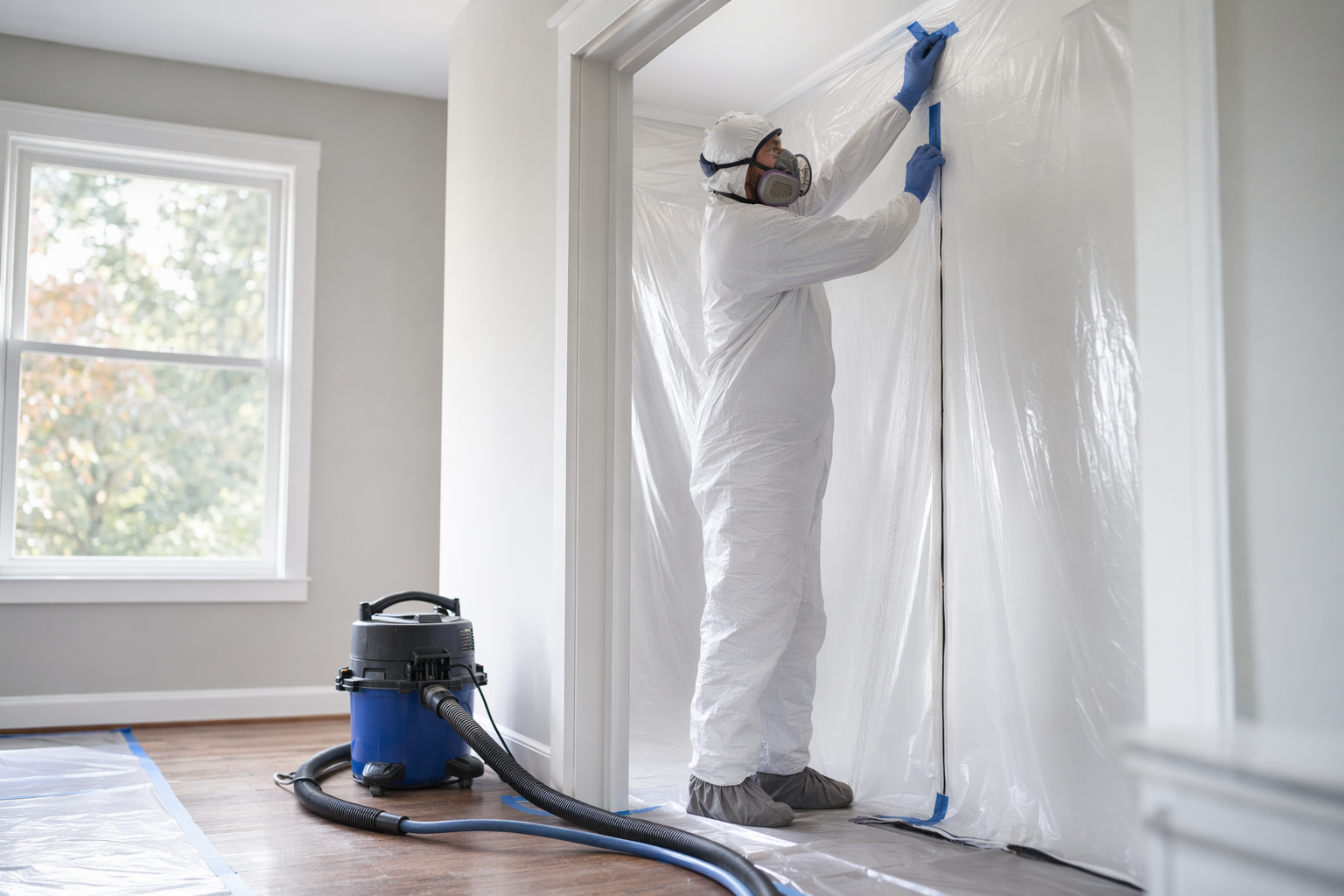
A proper lead-safe job usually includes containment, protection of the work area, cleanup, and safe disposal of debris and dust. Workers should not leave dust behind or throw contaminated debris away like ordinary trash unless the rules in your area allow it and it is handled correctly.
You can verify certification yourself. Ask for the firm's certification number, then check with EPA or your state/local authority. Also ask for proof of insurance, the scope of work in writing, and how they will contain the area and clean up.
How this relates to asbestos rules
Lead RRP is separate from asbestos rules, but the safety idea is the same: do not disturb suspected material, and use the right certified pro. If the home may also have asbestos, the work may need state asbestos licensing, proper containment, and approved disposal.
If a contractor cannot explain how they will handle both hazards, or if they suggest doing demo first and asking questions later, pause the job. In older homes, it is common for more than one hazard to be present.
If you are planning renovation in an older home, ask both about lead-safe practices and whether asbestos testing is needed before any cutting, sanding, drilling, or demolition begins.
What testing and verification should look like
For lead, a certified inspector or risk assessor can test painted surfaces and help you understand the hazard and the safest next step. For asbestos, testing should be done by an accredited lab using proper sampling procedures.
Do not rely on a contractor's guess. A professional should be able to show current license, certification, and insurance documents, and you should verify them yourself with the state, EPA, or the local licensing board.
A trustworthy pro will explain containment, cleanup, and disposal before work starts. If they are vague, refuse to put the plan in writing, or say certification is not necessary, that is a warning sign.
Costs, finding help, and common red flags
Costs vary a lot based on the size of the job, how much paint is disturbed, access, your location, and whether testing or disposal is needed. Lead-safe renovation planning, testing, or abatement-related work can range from modest inspection costs to much higher project totals, but ranges are not quotes.
To find help, start with guides for plain-language next steps, or use get matched to connect with licensed and certified professionals near you. If you want to compare what different services cover, our hazards and costs pages can help you ask better questions.
Red flags include: no certification or license, no containment, "we'll just scrape it off," cash-only demands, scare tactics, and pressure to sign immediately. Always get the scope and price in writing, and verify certification before work begins.

For older homes, the safe rule is simple: don’t disturb suspected lead paint, get it tested, and only hire certified pros who follow lead-safe and, if needed, asbestos-safe rules.
Common questions
Does the EPA RRP rule apply to every home?
No. It generally applies to renovation, repair, and painting work that disturbs painted surfaces in homes built before 1978 and certain child-occupied facilities. If you are not sure, ask a certified lead professional before the work starts.
Can I just hire a painter or handyman to sand the old paint?
Not safely, unless they are properly certified and following lead-safe rules for covered work. Sanding and scraping can create dangerous lead dust, so do not let anyone disturb suspected lead paint without checking certification first.
How do I verify a contractor's RRP certification?
Ask for the firm's certification details and check them yourself with EPA or your state/local authority. Also confirm insurance, the written scope of work, containment plan, and cleanup/disposal steps.
What if I also suspect asbestos?
Treat asbestos the same way: do not disturb it and have it tested by a certified professional first. Asbestos work is heavily regulated by state licensing rules, and proper containment and disposal are required.