Guides
Containment and safe disposal, explained
Containment and proper disposal are not optional extras in lead and asbestos work. They are basic safety steps that help keep dangerous dust and debris from spreading through your home and are often required by law.
What to do right now
If you think paint, dust, insulation, pipe wrap, floor tile, popcorn ceiling, siding, or other material may contain lead or asbestos, do not disturb it. Do not sand, scrape, cut, drill, break, sweep, or vacuum it with a regular household vacuum.
Keep children, pregnant people, pets, and anyone not necessary away from the area. If possible, close doors, avoid using fans or HVAC that could move dust, and leave the material alone until a certified professional can assess it.
The safest next step is usually to get the material tested first by a qualified professional and, if needed, use a properly licensed or certified contractor for the work. Abatewell is a free matching service and directory, not a contractor, testing lab, or law firm, and we do not test, remove, or abate anything ourselves.
What “containment” actually means
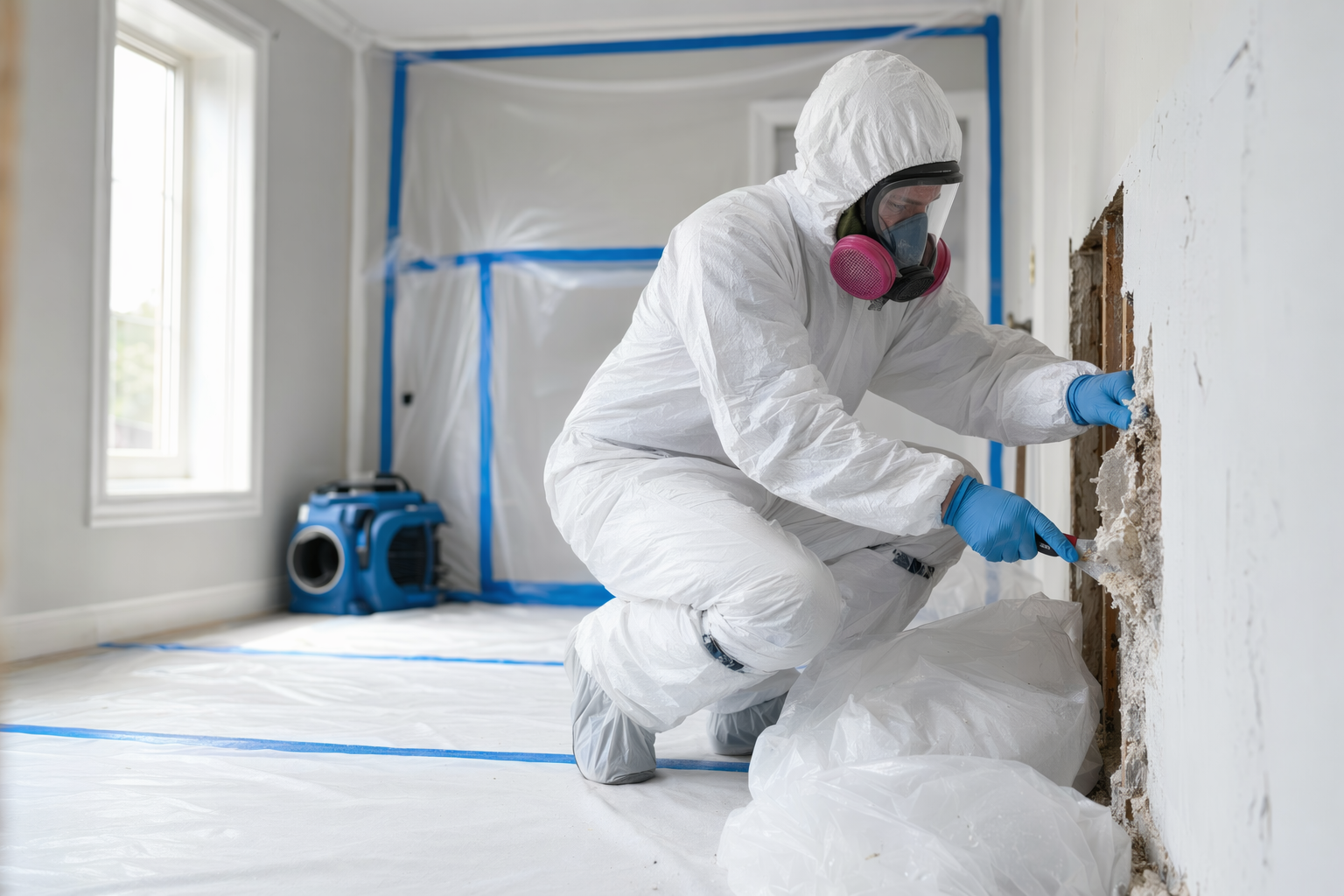
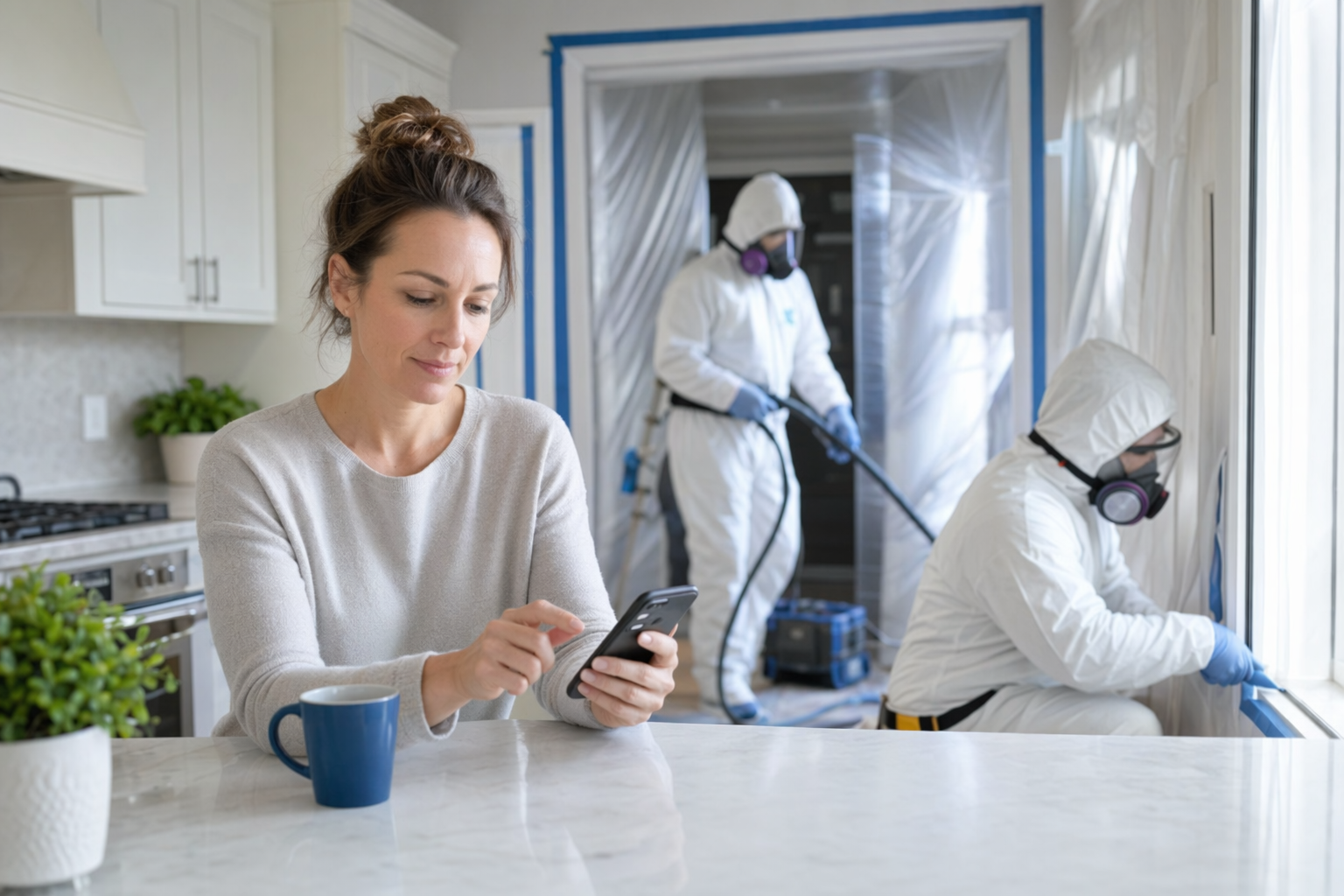
Containment means setting up the work area so dangerous dust and debris do not spread to the rest of the home, yard, or building. In plain language, it is the barrier between the hazard and the people living there.
In lead paint work, especially in pre-1978 homes, EPA Lead RRP rules often require certified renovators to use specific lead-safe work practices when paint will be disturbed. That can include plastic sheeting, restricted access, dust control, careful cleanup, and checking that the area is clean before people return.
In asbestos work, state rules are often even stricter. Licensed asbestos professionals may use sealed work areas, warning signs, negative air machines, decontamination procedures, protective clothing, and special handling of debris so fibers do not escape.
If a contractor acts like containment is optional, that is a serious warning sign. Proper containment protects your family, workers, neighbors, and anyone who enters the property later.
Why HEPA cleanup matters
Lead dust and asbestos fibers can be too small to see clearly, but they can still be harmful. That is why cleanup is not just "pick up the big pieces and go." It usually requires specialized methods.
HEPA vacuums are designed to capture very small particles that ordinary shop vacs or household vacuums may blow back into the air. Wet wiping, careful bagging, and repeated cleaning of surfaces are also common parts of proper cleanup.
For lead work, cleaning verification or clearance testing may be needed depending on the job and local rules. For asbestos work, air clearance or other post-work checks may be required under state or local rules. The exact process depends on the material, where it is located, how much was disturbed, and the rules in your area.
If anyone in your home may already have been exposed, especially a young child with possible lead exposure, contact a doctor or your local health department. This page is general educational information, not medical advice.
Why disposal is regulated
Lead and asbestos debris usually cannot just go into open trash piles, a pickup truck bed, or a regular dumpster without following rules. Packaging, labeling, transport, and disposal may all be regulated depending on the material, the amount, and your state or local requirements.
That matters because bad disposal can spread contamination from the work area to hallways, elevators, driveways, public roads, transfer stations, or landfills. A job is not truly done if the debris is leaking dust on the way out.
A qualified contractor should know where the waste can legally go, how it must be wrapped or bagged, and what records are needed. Ask them to explain their disposal plan in simple words before work starts, and get the scope and price in writing.
Rules vary by state and locality. Confirm the requirements with your state or local authority and with the certified pro you hire. Abatewell does not provide legal or regulatory advice.
How to verify a contractor before work begins
Do not rely only on a business card, truck logo, or online ad. Lead and asbestos work is heavily regulated, and you should verify certification and licensing yourself.
- Ask what hazard they think is present and whether testing is recommended before any disturbance.
- For paint work in a pre-1978 home, ask for EPA Lead RRP firm certification and the certified renovator's information.
- For asbestos, ask for the contractor's state asbestos license and any required worker or supervisor licenses.
- Ask for proof of insurance.
- Ask how they will contain the area, clean with HEPA methods, and handle disposal.
- Ask whether an accredited lab will be used for testing, and what post-work clearance steps may apply.
- Verify credentials directly with your state licensing agency or the EPA where applicable.
If you need help getting started, you can use Abatewell's free directory and matching service to find local professionals, then verify their credentials yourself. You can also browse more plain-language guides and hazard basics at hazards.
Red flags and realistic costs
Be careful if someone says, "We can just scrape it off," "No need to seal the area," or "We'll clean it with a regular vacuum." Other red flags include no license or certification, no written scope, cash-only demands, pressure to sign immediately, scare tactics, or refusal to explain disposal.
Testing, containment, cleanup, and disposal all affect price. Small inspection or sampling jobs may cost hundreds of dollars, while larger abatement projects can run into the thousands or much more. Lead paint stabilization or lead-safe renovation may cost less than full removal in some cases, and asbestos costs can rise quickly when access is difficult, material is friable, or disposal rules are stricter.
As a very general guide, simple testing may range from roughly a few hundred dollars upward, and abatement projects may range from roughly $1,500 to $15,000 or more depending on the material, quantity, access, your area, containment needs, and disposal requirements. These are not quotes.
For a closer sense of typical ranges, see costs. The real number depends on your specific home, the lab results, local rules, and the contractor's written scope of work.

If lead paint or asbestos may be present, do not disturb it—proper containment, HEPA cleanup, and legal disposal are essential, and you should verify the contractor's certification yourself.
Common questions
Why can't a contractor just clean up dust with a regular vacuum?
Regular household vacuums and many shop vacs are not designed to safely capture lead dust or asbestos fibers. They may spread fine particles back into the air, which is why HEPA methods are so important.
Is containment really necessary for a small job?
Often yes. Even a small area can create dangerous dust or fibers if the material is disturbed. The exact requirements depend on the hazard, the amount, and state or local rules, but containment is a basic safety measure, not just an upsell.
Who makes the rules for this work?
For lead paint work in pre-1978 homes, EPA Lead RRP rules are a key part of the picture. For asbestos, state licensing and abatement rules are especially important, and local rules may also apply.
Should I test before renovation?
In most cases, yes. If your home is older or you suspect lead paint or asbestos, testing before sanding, cutting, demolition, or remodeling is the safer path.
Can Abatewell tell me if a contractor is definitely legal or safe?
No. Abatewell is a free matching and directory service, not a regulator, contractor, lab, or law firm. We can help you find local professionals, but you should verify licenses, certifications, and insurance yourself with the state or EPA where applicable.
What information do I need to share to get matched?
Usually just contact and project-intent details like your name, phone, optional email, concern type, ZIP code, rough home age, and preferred language. You should never need to provide bank account numbers, Social Security numbers, or immigration status for this.