Services
RRP-certified renovation and repair
If your home was built before 1978, renovation work that disturbs paint can create dangerous lead dust. This guide explains what EPA RRP-certified work means, what safe crews do, and how to find and verify a qualified pro.
What to do right now
If you suspect old paint may contain lead, do not sand, scrape, cut, drill, or demolish it yourself. Keep children, pregnant people, and pets away from the area until you know what you are dealing with.
Before renovation in a pre-1978 home, the safest step is usually to have the work planned by an EPA Lead RRP-certified firm, and in some cases to have paint tested by a qualified professional or accredited lab. If someone may already have been exposed to lead dust, contact a doctor or your local health department.
Abatewell is a free matching and directory service. We do not test, remove, or abate lead paint or asbestos, and we do not give legal, regulatory, or medical advice.
What RRP-certified renovation means
EPA RRP stands for Renovation, Repair and Painting. In general, it applies when paid work disturbs painted surfaces in housing or child-occupied facilities built before 1978. The rule is meant to reduce lead dust hazards during common jobs like window replacement, drywall repair, cabinet work, plumbing access, painting prep, and partial demolition.
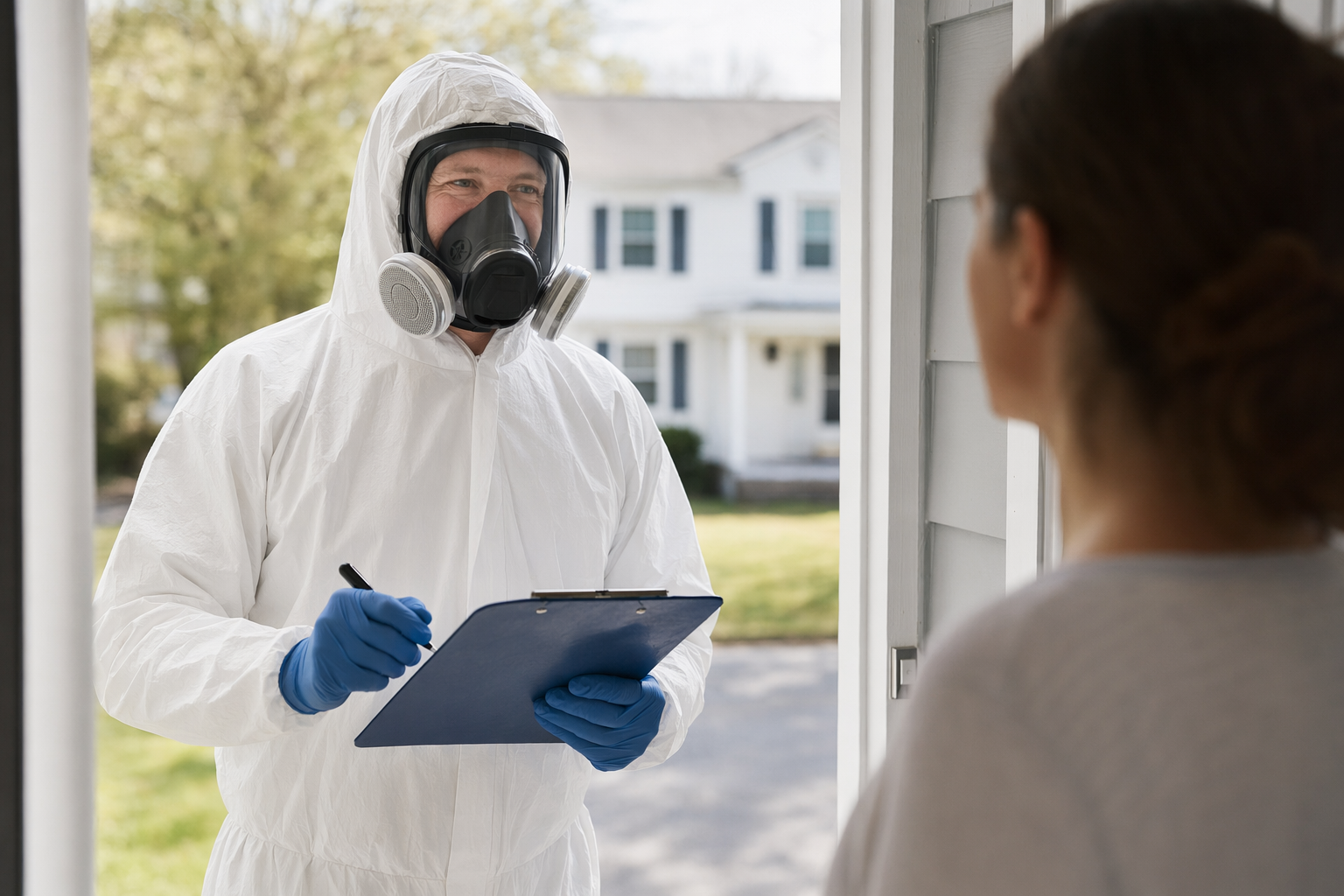
An RRP-certified firm is a company certified by the EPA or an authorized state program, with a trained certified renovator assigned to the job. That does not mean every old painted surface has been tested and confirmed as lead, but it does mean the firm is supposed to use lead-safe work practices unless testing shows the paint is not lead-based.
RRP is not the same as full lead abatement. Abatement is a more specialized, regulated process intended to permanently eliminate lead hazards. RRP covers renovation and repair work that may disturb paint. Depending on your project, you may need lead-related services beyond ordinary renovation.
If your project may also disturb materials that could contain asbestos, that is a separate issue with separate rules. Asbestos work is typically regulated through state licensing, special containment, and proper disposal. Do not let a contractor treat possible asbestos like ordinary demolition debris.
How a safe RRP crew usually works
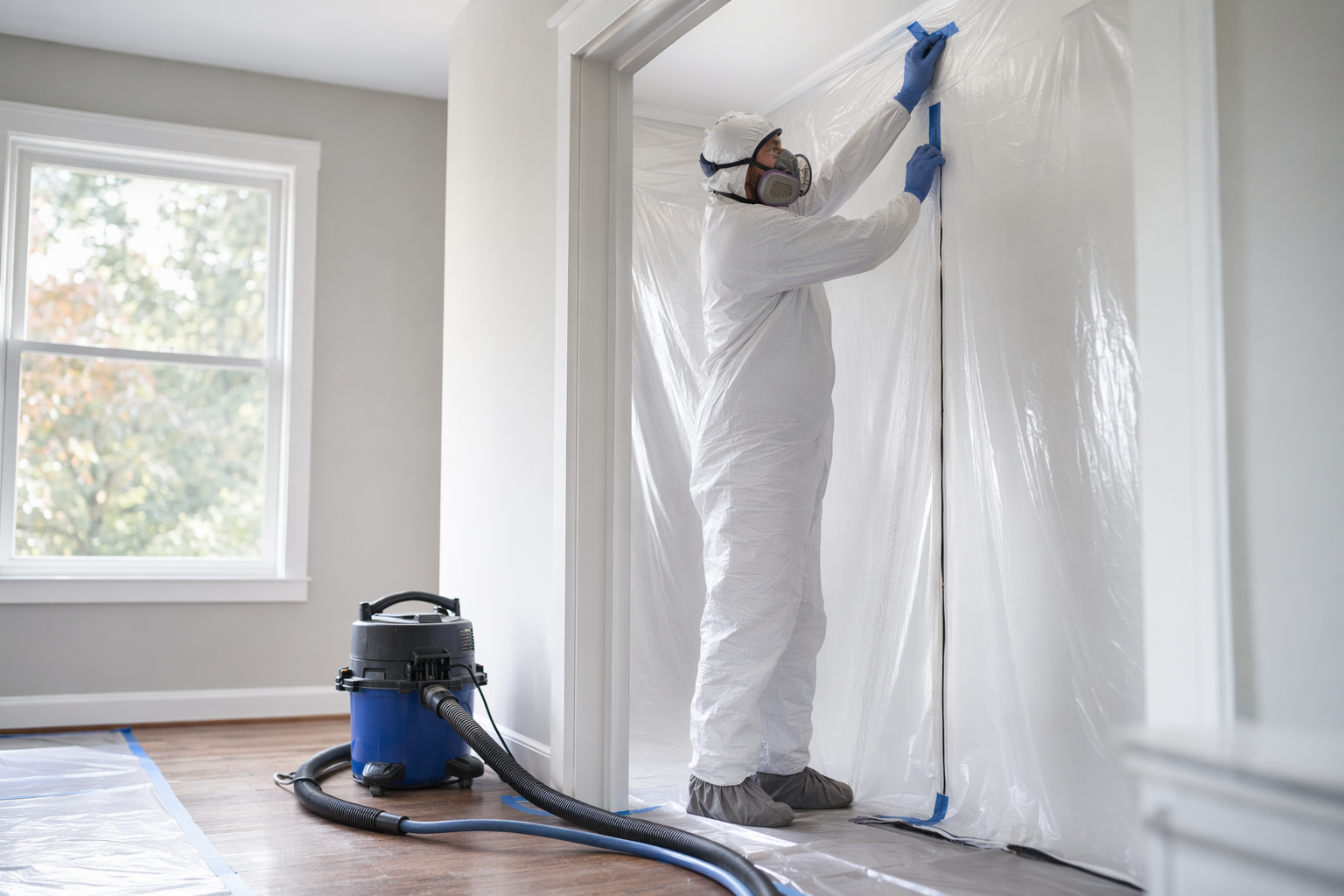
A careful RRP-certified crew should explain the scope before work starts and set up the area to control dust. That usually includes posting warning signs, isolating the work area, covering floors and belongings, closing doors and vents when needed, and using plastic containment so dust does not spread through the home.
Workers should use the right protective gear and lead-safe methods. That can include HEPA-equipped vacuums, wet methods to reduce dust, careful debris handling, and daily cleanup. Unsafe shortcuts are a major red flag.
A safe crew should not say, "we'll just sand it off" or "a little dust is fine." Lead dust can be harmful even when you cannot see it. When demolition is involved, the crew should control debris, bag waste properly, and follow local disposal rules.
Typical lead-safe steps include:
1. Confirm the home age and identify which painted surfaces will be disturbed.
2. Provide required lead hazard information before work, when the rule applies.
3. Set up containment with plastic sheeting and restricted access.
4. Use methods that minimize dust, not open-ended dry sanding or careless scraping.
5. Clean thoroughly with HEPA vacuuming and wet wiping.
6. Perform required cleaning verification and document the job.
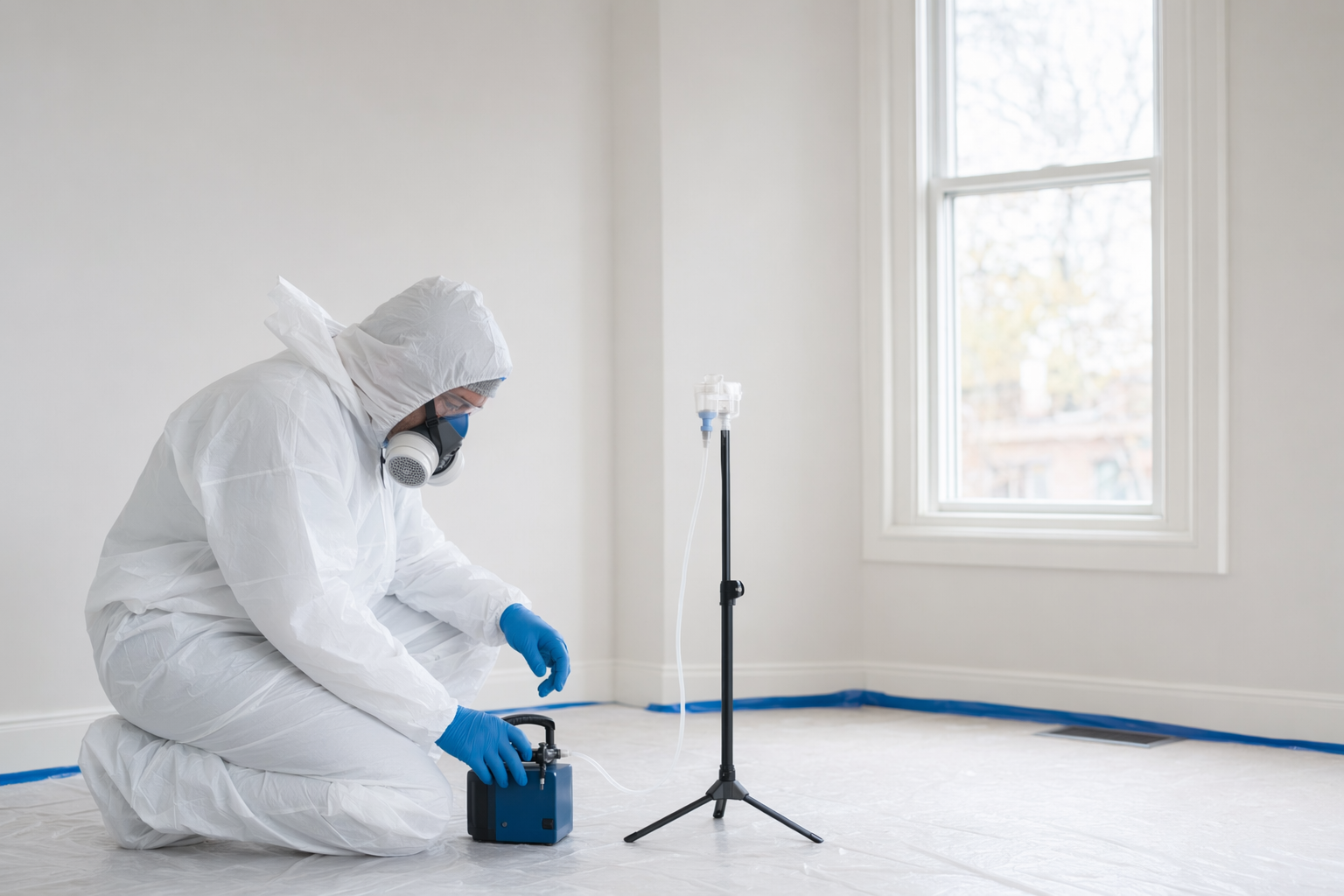
For larger or more complex hazards, some owners also choose post-work dust testing or clearance through a qualified professional and accredited lab. Requirements vary by state and project type, so confirm what applies in your area.
What work practices and paperwork to expect
Before work begins, ask who holds the firm's EPA RRP certification, who the certified renovator is, and whether the company is insured. Ask what surfaces will be disturbed, how they will contain dust, how they will clean, and whether any testing is recommended before the job starts.
You should also ask for the scope and price in writing. The written scope should describe the work area, the lead-safe setup, cleanup steps, and who is responsible for debris handling. If another hazard may be present, such as asbestos in old flooring, texture, insulation, or pipe wrap, the contractor should stop and tell you whether a separately licensed asbestos professional is needed.
Rules can differ by state, city, building type, and whether children are present. This is general educational information, not legal or regulatory advice. Always verify certification and licensing yourself with the EPA or your state and local authority.
What RRP-certified renovation can cost
Costs vary a lot because RRP is usually part of a larger renovation or repair project. The real number depends on the material, how much area will be disturbed, access, your location, labor rates, whether occupants must stay out of the area, and whether testing, extra containment, or special disposal is needed. These ranges are general information only, not quotes.
For a small repair with basic lead-safe setup, cleanup, and paperwork, added RRP-related cost may be a few hundred dollars. For jobs like window replacement, larger painting prep, kitchen or bath work, or multi-room repairs in a pre-1978 home, lead-safe setup and cleanup can add roughly $500 to $2,500 or more on top of the renovation itself. Larger occupied projects with extensive containment can cost more.
If you also need paint testing, dust sampling, or lead inspection from a qualified professional, that is usually a separate charge. If asbestos may be involved too, costs can rise further because asbestos testing, licensed abatement, containment, and disposal are separate regulated services.
You can read more general price information at costs, but only a certified local pro can give a meaningful estimate after understanding your specific project.
Red flags and how to find a certified pro
Be cautious if someone says certification does not matter, wants to start immediately without discussing containment, promises to scrape or sand everything quickly, refuses to put the scope in writing, pushes cash-only payment, or uses scare tactics to pressure you. Those are common warning signs.
A trustworthy company should be willing to show its EPA RRP firm certification, identify the certified renovator, explain the cleanup plan, and answer questions calmly. If asbestos may be present, they should also tell you when a separately licensed asbestos professional is required rather than guessing or tearing into the material anyway.
To find a company, start with RRP and related services or use Abatewell's free matching service. We only collect basic contact and project-intent details such as your name, phone, optional email, concern type, ZIP code, rough home age, and preferred language. It is always free for the homeowner.
When comparing companies, verify these points yourself:
- EPA RRP firm certification or authorized state certification
- Name of the certified renovator assigned to your job
- Proof of insurance
- Written scope with containment and cleanup details
- Clear explanation of whether testing is recommended first
- Proper handling of any possible asbestos issue under state licensing rules
If you are not sure whether your project involves lead, asbestos, or both, review common warning signs at hazards and ask for the safest next step before any surface is disturbed.
If old paint might contain lead, do not disturb it—use an EPA RRP-certified firm, make sure they control dust safely, and verify their certification yourself.
Common questions
Do I need an RRP-certified contractor if my house was built before 1978?
Often, yes, if paid renovation, repair, or painting work will disturb painted surfaces. Exact requirements can depend on the property type, location, and scope, so verify with an EPA RRP-certified firm and your state or local authority.
Does RRP certification mean the contractor is doing lead abatement?
No. RRP covers lead-safe work practices during renovation and repair. Lead abatement is a different, more specialized service intended to permanently eliminate lead hazards.
Should I test the paint before renovation?
In many cases, testing is a smart first step, especially if the scope is unclear or you want to know whether lead is actually present. A qualified professional or accredited lab can help, and requirements vary by project and location.
Can I stay in the home during RRP work?
Sometimes, but it depends on the size of the job, the work area, and who lives there. Children and pregnant people should be kept well away from the contained area, and the contractor should explain any temporary relocation or room closure needs.
What if the contractor finds possible asbestos during the job?
They should pause and treat it as a separate hazard. Asbestos testing and abatement are regulated separately, usually under state licensing rules, and suspected material should not be disturbed without the proper professional.
How do I verify an RRP-certified firm?
Ask for the firm's certification details, the name of the certified renovator, and proof of insurance, then verify them yourself through the EPA or your state's authorized program. Also get the containment, cleanup, and price in writing before work starts.