Guides
How to test for lead paint
Learn how lead-paint testing works—what certified inspections/risk assessments look for, what XRF and lab tests can (and can’t) confirm, and what to do after you get results.
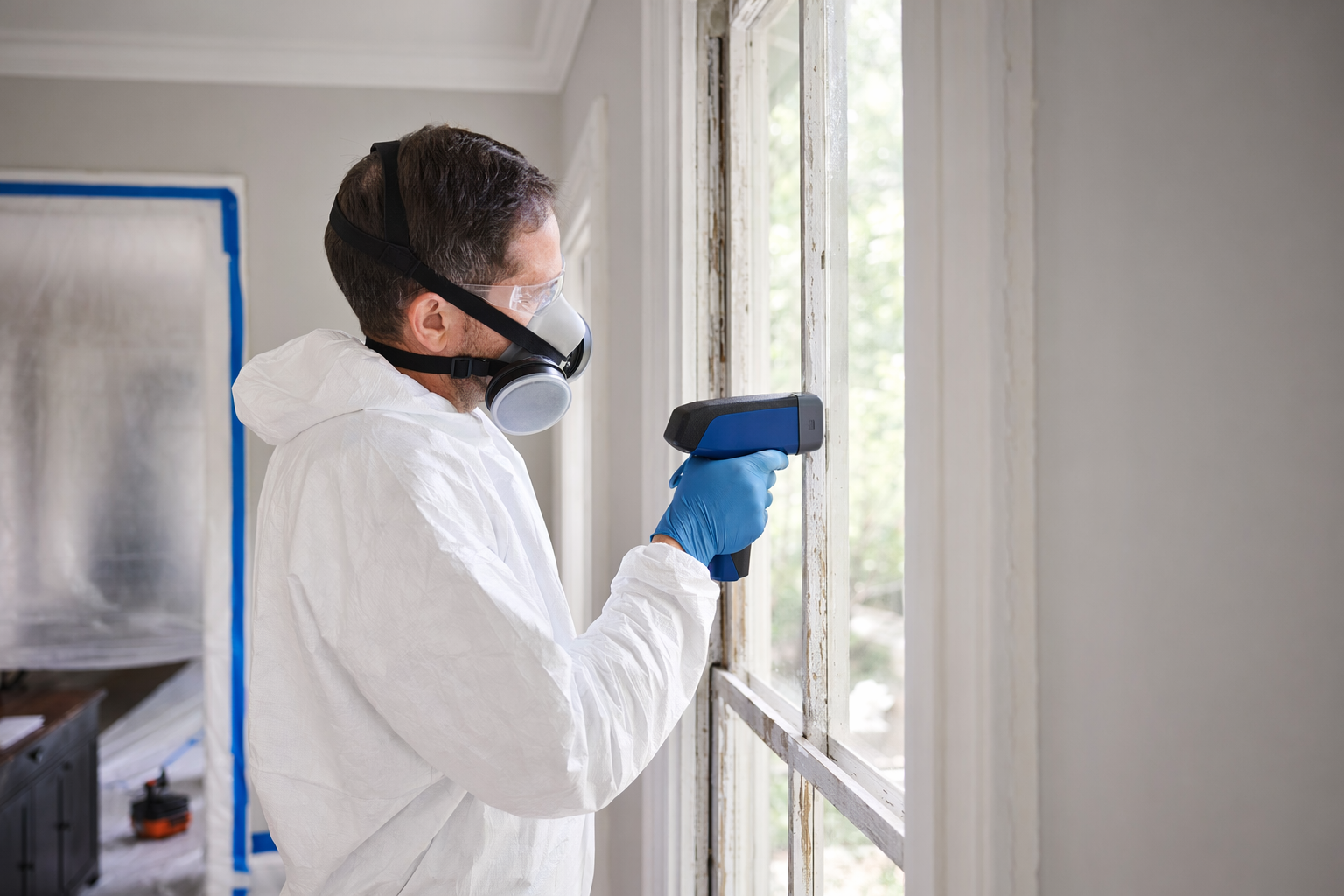
What to do right now (before any testing)
If you suspect lead paint, the safest first step is to NOT disturb it. Don’t sand, scrape, drill, cut, or scrape off paint, and keep children and people who don’t need to be there away.
Have it tested by a licensed/certified professional first—especially before any renovation. If there’s a child with possible lead exposure, contact a doctor or your local health department for guidance.
Abatewell is a FREE matching/directory service that helps you find qualified, local lead testing and abatement professionals. We don’t test or remove lead ourselves, and we don’t replace advice from certified experts or your local authorities.
If you’re planning repairs soon, remember: in many pre-1978 homes, disturbing paint can require EPA Lead RRP (Renovation, Repair and Painting) practices—so verify the right certification before work starts.
- Don’t disturb suspected lead paint (no sanding/scraping/cutting).
- Keep people away, especially kids and pregnant people.
- Test first with a certified inspection/risk assessment professional.
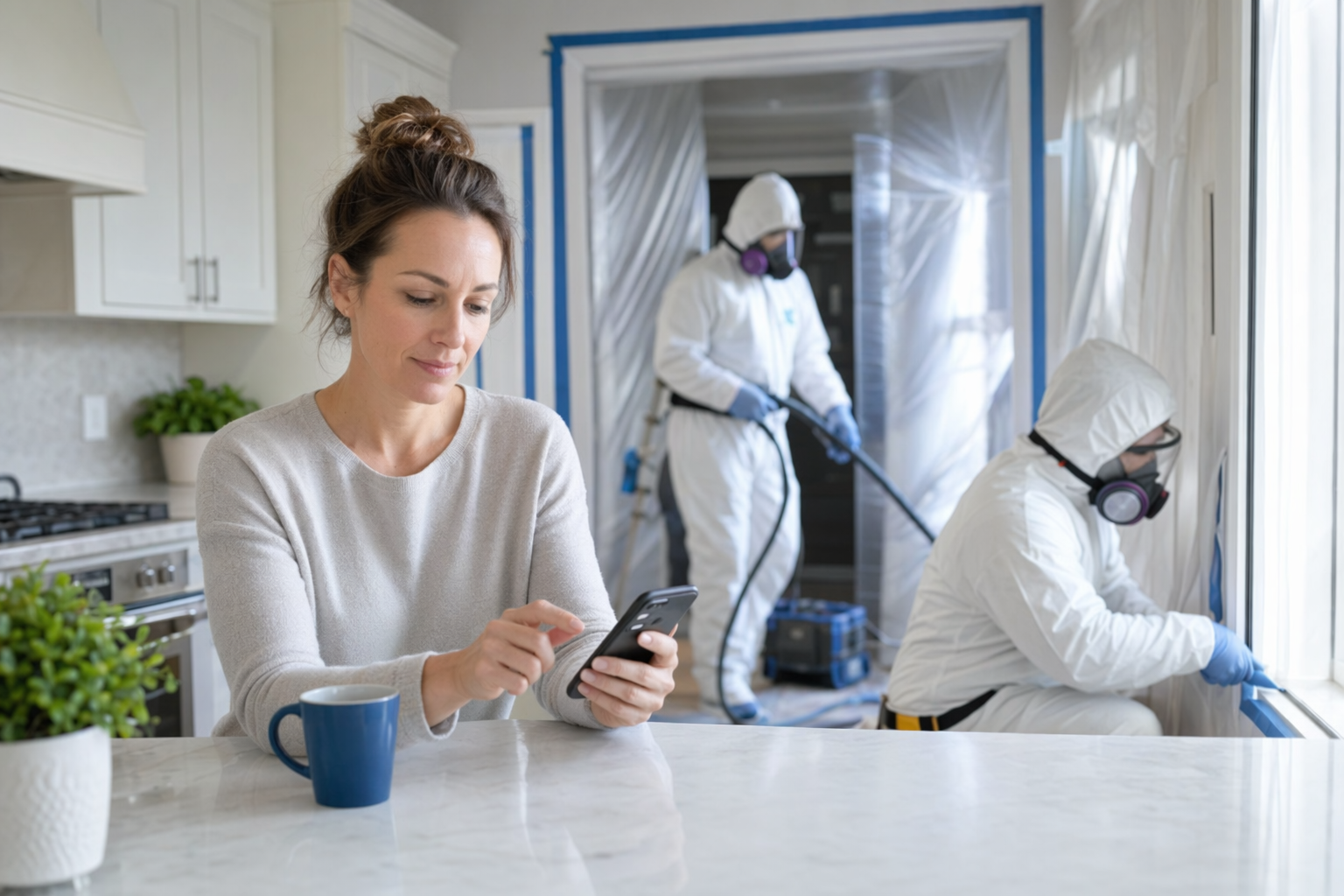
Two common ways professionals test: inspection vs. risk assessment
When people say “lead paint testing,” they often mean one of two related approaches: an inspection or a risk assessment.
- An inspection usually identifies whether lead-based paint is present and where it’s found.
- A risk assessment usually looks for lead hazards (like deteriorated paint or dust/soil risks) and may include sampling plus control recommendations.
The exact steps depend on your home, but a certified pro typically coordinates access to suspect areas (for example, window sashes, doors, trim, stairs, and painted surfaces that show wear). They also consider how the home has been maintained.
Ask the professional what the scope includes (which rooms/components, which sampling methods, and how results will be reported). Clear scope reduces surprises later.
What XRF and lab tests can tell you
You’ll sometimes hear about two “data sources”: XRF readings and lab results.
XRF (X-ray fluorescence) is a handheld tool that can rapidly indicate whether lead is present on a painted surface. It’s useful for identifying areas to focus on, but in many situations it’s not the only confirmation step—because results can vary by surface conditions (for example, coatings, thickness, and other materials).
Lab testing is typically used to confirm findings. A pro may take a paint chip or dust wipe sample and send it to an accredited laboratory. Lab results are often used to confirm whether lead is actually present at levels of concern.
If you get results that mention “ppm” or “lead content,” ask what testing method produced the number and whether the report follows the standards your state/local program uses.
Home test kits: useful for screening, limited for certainty
Home test kits can seem like an easy shortcut. But many kits are designed to screen, not to provide the same level of certainty as certified inspections with proper sampling and documentation.
Kits may be affected by paint layers, surface preparation, and how the kit is used. Some kits can produce false negatives (missing lead) or false positives (detecting something else), and they usually don’t replace a formal professional assessment for decision-making—especially if children may be exposed.
If you choose to use a kit, treat it as a “maybe” signal, not proof. The safest next step remains: keep the area undisturbed and get certified testing before any renovation or demolition.
If your goal is a clear answer for safety and renovation planning, professional testing is usually the most reliable path. You can also compare costs and scopes by reviewing typical ranges here: lead and abatement costs.
How to interpret results (and what to do with them)
Testing results usually come as part of an inspection/risk assessment report. Your next steps depend on whether lead paint is found and whether there are “hazards” like peeling, chipping, friction surfaces, or contaminated dust.
Common “good safety practice” steps—regardless of whether you’re waiting on paperwork—include:
- Keep children away from areas with peeling, chipping, or dust.
- Clean safely using methods recommended by your certified pro (avoid aggressive sweeping or vacuuming that can spread dust if you’re not using the right equipment).
- Plan any repairs with properly trained, certified contractors.
If results suggest lead hazards, you may need containment and proper cleanup/dust control during repairs. In many cases, hiring an EPA Lead RRP–certified renovation firm (for relevant work in pre-1978 homes) is important for disturbing paint.
Because rules and recommended actions vary by state/local program, rely on your report and ask the certified professional to explain what the results mean for your specific home.
Verify certifications and avoid lead-paint testing scams
Lead work is regulated, and testing/reporting should be done professionally. Before you hire anyone, verify their credentials yourself.
For renovations that disturb paint in pre-1978 homes, look for EPA Lead RRP (Renovation, Repair and Painting) certification. For asbestos, licensing is state-based; for lead, licensing/certification requirements can vary by state for inspectors, risk assessors, and labs.
Here are practical verification steps:
- Ask for the person/company’s EPA Lead RRP certification details when relevant to the work.
- Ask what standards their report follows (and who the lab is, if lab testing is used).
- Confirm the lab is accredited for the relevant tests when samples are sent out.
- Check the state requirements for lead inspectors/risk assessors in your area.
- Verify insurance (general liability and, where appropriate, coverage related to the testing/inspection activities).
Red flags to watch for:
- No certification/license and no clear explanation of how they’ll test.
- “We’ll just scrape/sand it off” pressure or scare tactics.
- Cash-only deals, no written scope, or a refusal to provide a clear written report.
- Vague “guarantees” about health outcomes or pricing you can’t document.
- Trying to rush you to sign on the spot.
If you want to find a qualified local pro, you can use Abatewell’s FREE matching directory here: get matched. Share your ZIP, what you suspect, and your preferred language—then verify certification directly with the pro and your state/local authority.

To test for lead paint safely, don’t disturb suspect surfaces—get a certified inspection/risk assessment using appropriate methods, and verify credentials before any renovation.
Common questions
Should I do a home lead test kit or hire a professional?
Home kits can be a quick screen, but they often can’t provide the level of certainty or documentation that certified inspections/risk assessments provide. If you’re planning renovations or there’s a child/ongoing exposure concern, it’s safer to test first with a certified professional.
What’s the difference between lead inspection and lead risk assessment?
An inspection focuses on where lead-based paint is present. A risk assessment looks for lead hazards (like deteriorating paint and other risk conditions) and typically includes recommendations to reduce risk.
What does an XRF test mean for my home?
XRF can indicate whether lead may be present on a painted surface. Depending on the situation and your local standards, a professional may use lab testing to confirm results and provide more definitive information.
How do I verify that a testing company is legit?
Ask for their relevant credentials and verify them yourself with EPA and/or your state program. For renovations that disturb paint in pre-1978 homes, look for EPA Lead RRP certification; for asbestos, check state asbestos licensing. Also confirm lab accreditation (if samples go to a lab) and request a written scope and report.
If lead paint is found, do I have to remove it right away?
Not always. In many cases, the priority is preventing exposure—especially if paint is deteriorating or creating dust. Your report should guide next steps, including whether specific areas need stabilization, safe repair, or containment during work. A certified professional can explain options for your situation.