Quick answers
What year homes are likely to have asbestos?
Asbestos was used in many building materials for decades, but it depends on the home’s age, location, and what was installed. Here’s how to think about risk—safely and without guessing.
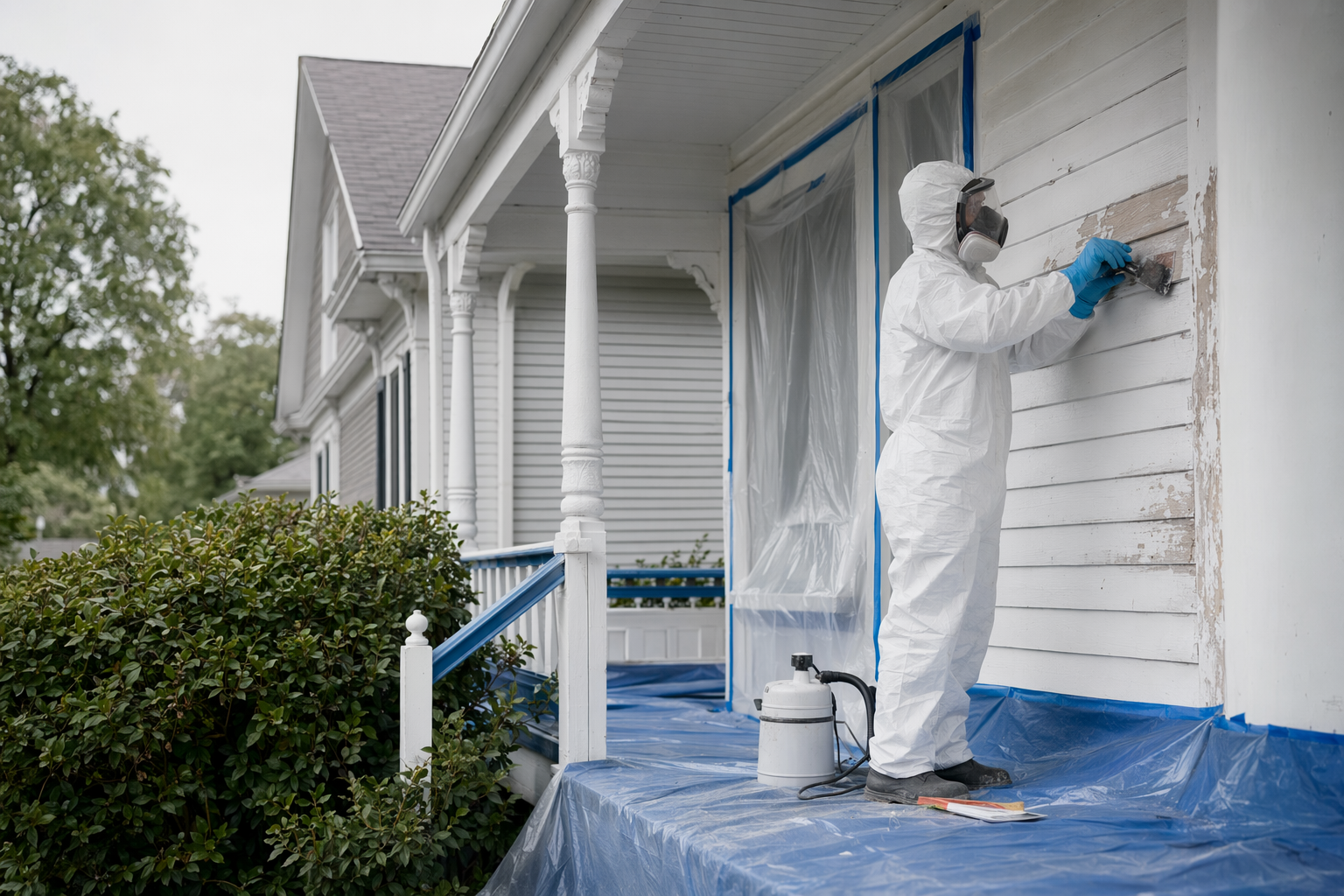
Do this right now if you suspect asbestos
If you suspect asbestos, the safest first step is to NOT disturb it.
- Stop sanding, scraping, cutting, demolition, or “cleaning it up” yourself.
- Keep people—especially kids and anyone with higher health risks—away from the area.
- If there’s ongoing debris or a disturbance risk, consider temporarily sealing the area to prevent dust spread.
- Get it tested by a licensed/certified asbestos testing professional before any work.
Abatewell is a free matching/directory service, not a testing lab and not an asbestos contractor. We can help you find licensed, certified professionals near you, but you should still verify their credentials with your state and/or EPA requirements.
- Don’t disturb suspected asbestos—test first.
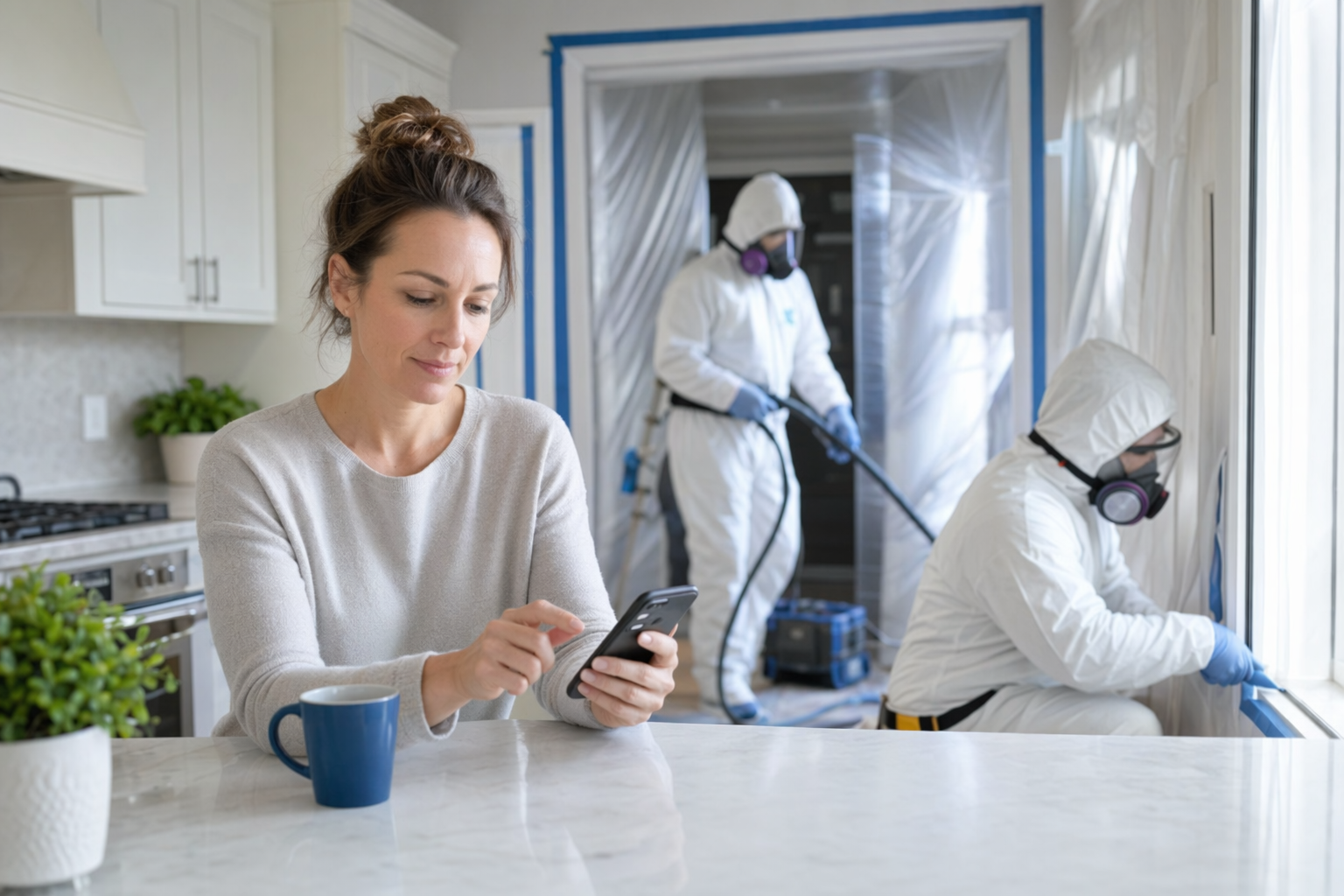
What years are most likely for asbestos in a home?
Asbestos was used most heavily in the U.S. building products between the 1940s and the 1970s, and it can still be found in some older homes built earlier or updated later. A home’s construction date is a useful starting clue—but it’s not proof.
Asbestos wasn’t “only” used in one year. Materials were installed over time, and some homes were renovated with older products even after the typical asbestos-use period ended. That’s why testing matters.
A simple way to think about it:
- If your home was built or heavily remodeled in the mid-1900s to early 1980s, treat it as higher risk until tested.
- If your home has older building components that can include asbestos (see below), risk depends on the specific material—not the whole house.
- If you’re buying a home, the inspection should include targeted asbestos testing where appropriate (or leave it undisturbed until tested).
- Heaviest use: roughly 1940s–1970s; still possible in some older homes.
Which home materials are most likely to contain asbestos?
Asbestos is usually tied to specific materials. Some are more likely than others, and condition matters. If anything is damaged, crumbling, or creating dust, it’s more urgent to test and get expert guidance.
Common examples (not a complete list):
- Insulation (especially around pipes, boilers, furnaces, or older ductwork)
- Some fireproofing materials (spray-on or fireproofing on beams/structural components)
- Boiler and furnace parts (including older gaskets)
- Textured/plaster finishes and some patching compounds in older buildings
- Certain floor tiles, sheet flooring, and older “cutback” adhesives
- Some ceiling tiles (in certain buildings)
If you see deteriorating insulation, broken floor tiles, or dust when you touch surfaces, resist the urge to “just deal with it.” Dust from asbestos-containing materials can be harmful if inhaled.
- Risk depends on the material and condition—not just the year.
How asbestos testing works (and why you should test first)
A qualified asbestos testing professional typically collects samples using safe, controlled methods and sends them to an accredited laboratory for analysis. The lab results tell you whether asbestos is present and which material types are affected.
Testing before work helps you avoid accidentally spreading fibers during:
- Demolition
- Dry scraping/sanding
- Cutting drywall or flooring
- Removing insulation
- “Quick cleanup” without proper containment
What to ask a testing pro when you call:
- Are you licensed/certified for asbestos testing in my state?
- Which lab will you use, and is it accredited?
- What samples will you take (by material type and location)?
- Will you provide a written report with results and recommendations?
Abatewell can help you find testing professionals, but we don’t control their methods or results. Always review the written report and any scope recommendations you receive.
- Testing usually means sampling + accredited lab results.
Rules and certifications: how to verify a pro is legit
Lead and asbestos are regulated differently, and rules vary by state and locality. For asbestos, many states require specific licensing for abatement (and sometimes also for inspections/testing). Make sure your professional is allowed to do the exact work they’re offering.
When you verify a pro, look for:
- State asbestos licensing/registration (where required)
- Proper insurance
- Written containment and work practices for abatement (if they later propose removal)
- Clear disposal procedures for regulated waste
- A written scope and written price range based on the sampling/test results
For lead-only work in pre-1978 homes, there’s also an EPA Lead RRP certification requirement whenever paint is disturbed (EPA “Renovation, Repair and Painting”). If your project involves both lead and asbestos risks, ask how the contractor plans to handle each hazard correctly—without mixing safety steps.
How to verify (simple approach):
- Ask the pro for their license/certification number and insurance certificate.
- Verify that number on your state’s licensing/inspection website or through the relevant state agency.
- If they mention EPA requirements (like Lead RRP for disturbing paint), verify the certification through EPA’s resources or the certifying listing.
If a “pro” won’t share proof or gets defensive, treat that as a warning sign and move on.
- Asbestos requirements are state-based; verify licenses yourself.
Red flags and realistic costs (what to expect)
Be cautious of scams or unsafe shortcuts. Asbestos work should not be done like ordinary cleaning.
Red flags include:
- No visible license/certification for asbestos work in your state
- “We’ll just scrape/sand it off” without containment
- Pressure to sign on the spot or scare tactics to push immediate work
- Cash-only payments or refusing a written scope
- No clear plan for containment, air control (when required), and disposal
- Vague promises like “It’s definitely asbestos” without proper testing
Costs vary widely. Testing costs and abatement costs depend on how much material is impacted, how accessible it is, the type of material, whether containment is needed, required disposal, and your local market.
Typical ranges (not quotes):
- Testing: often a few hundred dollars to over $1,000+ depending on number of samples/materials.
- Abatement: can range from roughly a few thousand dollars to tens of thousands for larger or more complex areas.
If you want more cost context, see asbestos testing & abatement costs.
- Get a written scope, verify licenses, and avoid containment-free “quick fixes.”
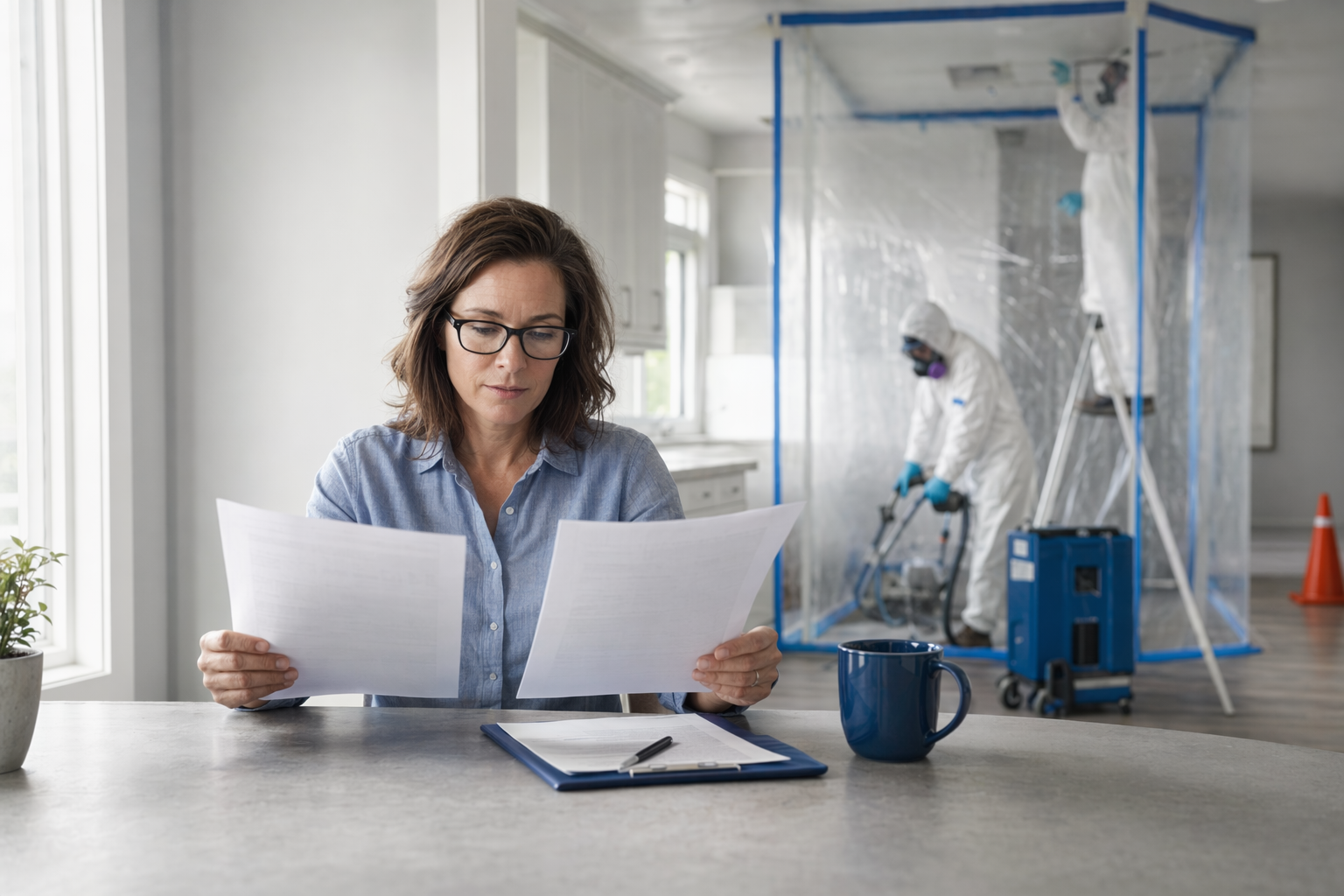
Asbestos is most common in homes built mid-century through the early 1980s, but only testing of specific materials can confirm it—don’t disturb suspected material and find a licensed tester first.
Common questions
My home was built in 1980. Is it likely to have asbestos?
It’s still possible, but the risk is usually lower than in many mid-century homes. The better question is whether the specific materials in your home match items commonly associated with asbestos (like certain insulation, floor tiles, adhesives, or older fireproofing). Testing is the only reliable way to know.
If asbestos is in the home, does that mean I must remove it?
Not always. Whether something needs abatement depends on factors like the material type, condition, and whether fibers could be released (for example, damage or ongoing disturbance). A licensed professional should review test results and recommend safe options.
Can I do a DIY sample test to find out?
Be cautious. Improper sampling can disturb material and spread dust. Most people should use a licensed asbestos testing professional who follows safe collection methods and sends samples to an accredited lab.
Do lead and asbestos rules overlap?
They can both be present in older homes, but they have different rules. EPA Lead RRP may apply if you disturb pre-1978 paint, while asbestos work is typically governed by state licensing and containment/disposal requirements. If you’re planning renovation, ask how a pro will handle each hazard safely.