Quick answers
Does my popcorn ceiling have asbestos?
Maybe — many older popcorn ceilings did contain asbestos, but you cannot tell by looking. The safest next step is do not disturb it, keep people away from the area, and have it tested before scraping, sanding, drilling, or removing anything.
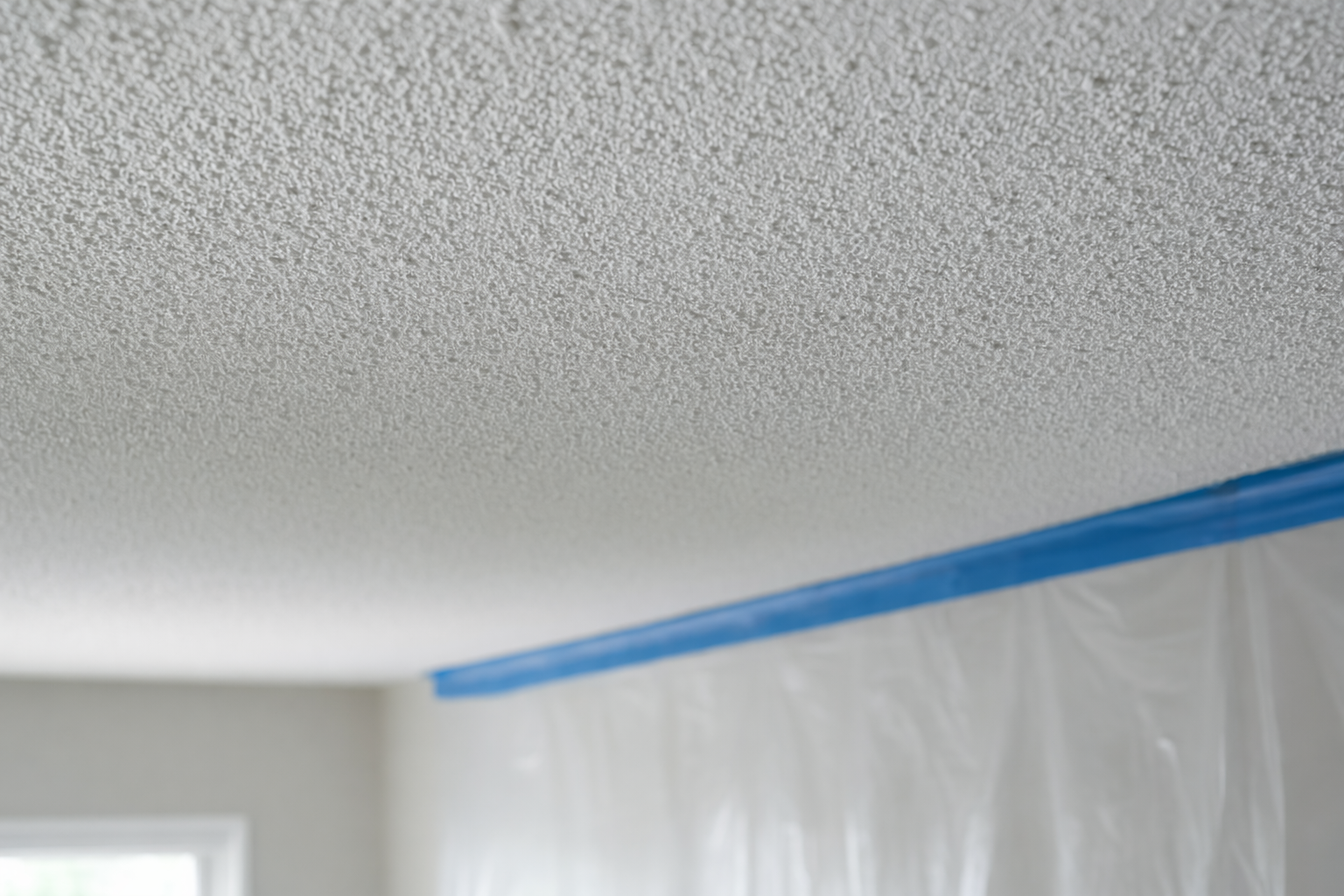
What to do right now
If you suspect a popcorn ceiling may contain asbestos, do not scrape it, sand it, drill into it, cut into it, or try to remove it yourself. Even small disturbance can release fibers into the air. Keep children, pets, and anyone not needed out of the area as much as you can.
If the ceiling is intact and not being disturbed, it may present less immediate risk than damaged material. The danger usually increases when asbestos-containing material is cut, crumbled, scraped, or otherwise disturbed.
- Stop any renovation or repair work in that area.
- Do not touch or test it yourself with a hardware-store kit unless a certified professional tells you that is appropriate in your state.
- Arrange testing by a qualified asbestos professional, with analysis by an accredited lab.
- If the ceiling is damaged or debris has fallen, avoid the area and ask a licensed asbestos pro what to do next.
Abatewell is a free matching and directory service. We do not test, remove, or abate asbestos, and we do not give legal, regulatory, or medical advice.
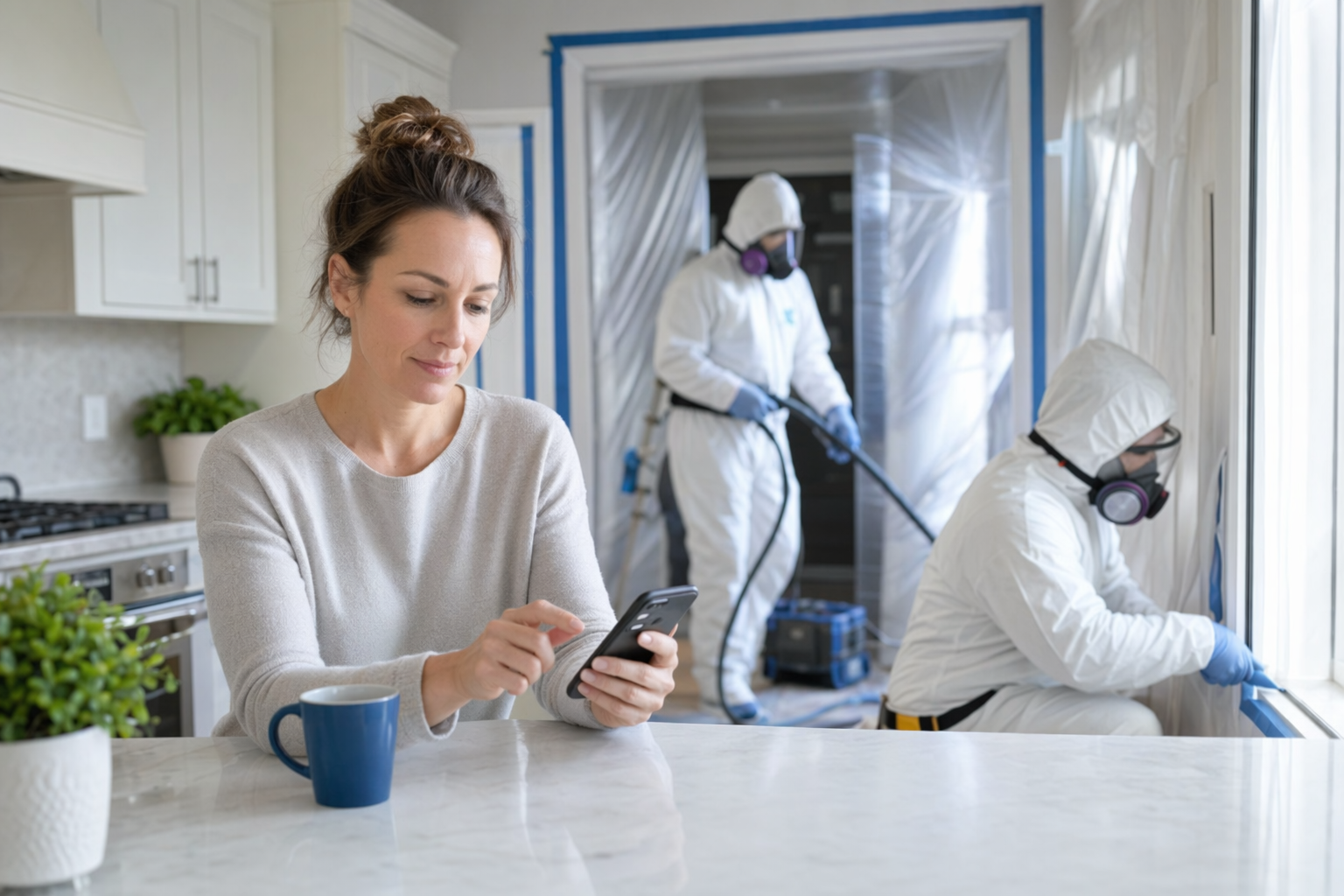
Can you tell if a popcorn ceiling has asbestos just by looking?
No. A popcorn ceiling can look exactly the same whether it contains asbestos or not. Color, texture, age, and appearance alone are not enough to know.
In many homes, especially older homes, textured ceilings installed or patched decades ago may have used asbestos-containing material. In general, ceilings installed before the late 1970s are more suspicious, but age alone still does not confirm anything. Some ceilings were added later using leftover materials, and some older ceilings do not contain asbestos at all.
The only reliable way to know is proper sampling and laboratory testing. That is why the safest rule is simple: test first, disturb later only if a properly licensed professional says it is safe and legal to do so.
When popcorn ceilings are more concerning
A popcorn ceiling deserves more caution if it is damaged, flaking, crumbling, water-stained, falling down, or about to be disturbed during repair or renovation. Risk is also higher if you plan to install lights, fans, recessed fixtures, speakers, vents, or anything that requires drilling or cutting.
If you are buying or selling a home, planning a remodel, or fixing a leak, this is often the time people discover the issue. Do not let a painter, handyman, or demolition crew start scraping before the material is identified.
Red flags to watch for:
- "We can tell by looking."
- "We will just scrape or sand it off."
- No state asbestos license where one is required.
- No mention of containment, cleanup, or disposal.
- Cash-only pricing or pressure to sign immediately.
- No written scope of work.
If anyone minimizes the need for testing or proper containment, slow down and verify their credentials yourself.
How asbestos testing usually works
A qualified asbestos inspector or other properly credentialed professional will usually inspect the material, discuss the home's age and condition, and collect a small sample using safety procedures. That sample should be analyzed by an accredited laboratory. State and local rules can vary, so ask what credentials are required where you live.
Do not assume a general contractor is the right person to identify asbestos. Asbestos work is heavily regulated. If removal or repair is needed, many states require a specific asbestos abatement license. Proper containment and legal disposal are also required, and those steps affect both safety and price.
Ask these questions before hiring anyone:
- Are you licensed or certified for asbestos inspection or abatement in my state, if required?
- Will the sample be sent to an accredited lab?
- If removal is needed, how will you contain the area and dispose of the waste?
- Are you insured?
- Can you give me the scope and price in writing?
You can start with more answers or use Abatewell to find local help. Always verify any professional's license, certification, and insurance yourself with your state authority and, where relevant, EPA resources.
What if the ceiling tests positive?
A positive test does not always mean the ceiling must be removed immediately. The right next step depends on condition, location, whether it will be disturbed, and your state and local rules. In some cases, an intact material may be managed in place. In other cases, damage, renovation plans, or sale requirements may make professional abatement the safer path.
If removal or repair is needed, the work should be done by a state-licensed asbestos abatement contractor where required. Proper containment, worker protection, cleanup, and disposal matter. This is not ordinary demolition or painting work.
If the same older home may also have painted surfaces that could contain lead, remember that disturbing paint in pre-1978 homes is also regulated. Firms doing renovation, repair, or painting that disturbs painted surfaces generally need EPA Lead RRP certification, or equivalent state authorization where applicable. If your project involves both ceiling texture and old paint, ask about both asbestos licensing and lead-safe certification.
Typical cost ranges and how Abatewell can help
Testing a suspected popcorn ceiling may cost roughly $250 to $800+ for an inspection and sampling in many areas, though small jobs can be lower and complex jobs can be higher. If the material tests positive, professional asbestos abatement for a popcorn ceiling can range from about $5 to $15+ per square foot in some markets, and sometimes more when access is difficult, containment is extensive, disposal rules are strict, or the ceiling is damaged. These are general ranges, not quotes.
Your real price depends on how much ceiling there is, whether testing is already done, ceiling height, furniture and access, local labor costs, required containment, air clearance or reinspection needs, and legal disposal requirements. A written estimate should clearly say what is included.
Abatewell is free for homeowners and renters. We are not a contractor, lab, or law firm. We simply help you connect with licensed, certified lead and asbestos professionals near you based on basic contact and project details such as your name, phone, optional email, concern type, ZIP code, rough home age, and preferred language. See our cost guides, browse guides, or get matched for local options.
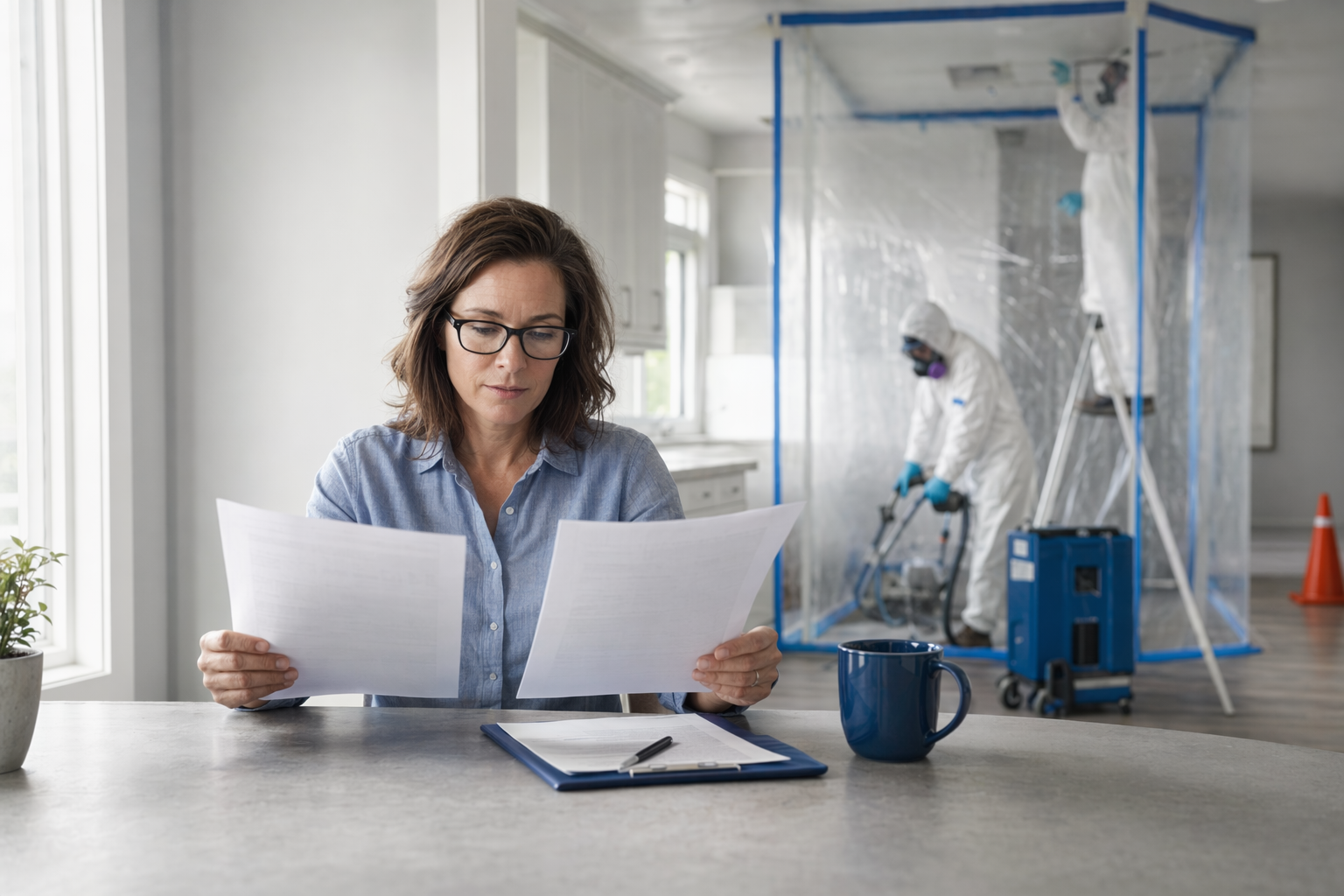
You cannot tell by looking, so do not disturb a popcorn ceiling you suspect—have a properly qualified asbestos professional test it first.
Common questions
What years of popcorn ceiling might have asbestos?
Popcorn ceilings in older homes, especially those installed before the late 1970s, are more suspicious, but the year alone does not prove anything. The only reliable way to know is testing by a qualified professional and an accredited lab.
Is it dangerous to live under a popcorn ceiling that has asbestos?
If the material is intact and undisturbed, risk is often lower than if it is damaged or being worked on. The bigger concern is scraping, sanding, drilling, demolition, water damage, or crumbling material that can release fibers.
Can I remove a popcorn ceiling myself if I wear a mask?
Do not do that. Asbestos removal is heavily regulated, often requires state licensing, and needs proper containment and disposal. A mask does not make DIY removal safe or legal.
Can a painter or handyman test or remove it?
Not necessarily. Asbestos inspection and abatement often require specific credentials or state licenses. Verify qualifications, insurance, and disposal plans yourself before anyone touches the ceiling.
How do I verify an asbestos professional?
Ask for their full license or certification name and number, then check it with your state asbestos licensing authority or other relevant state agency. Also ask for proof of insurance and confirm that any lab used for samples is accredited.
Does Abatewell do asbestos testing or removal?
No. Abatewell is a free matching and directory service only. We do not test, inspect, remove, abate, or give legal, regulatory, or medical advice.