Quick answers
Do I have to disclose asbestos when selling a home?
If you suspect asbestos in your home, you may need to disclose it during a sale—but the exact rules depend on where you live and the property situation. Here’s general, plain guidance on what to do next.
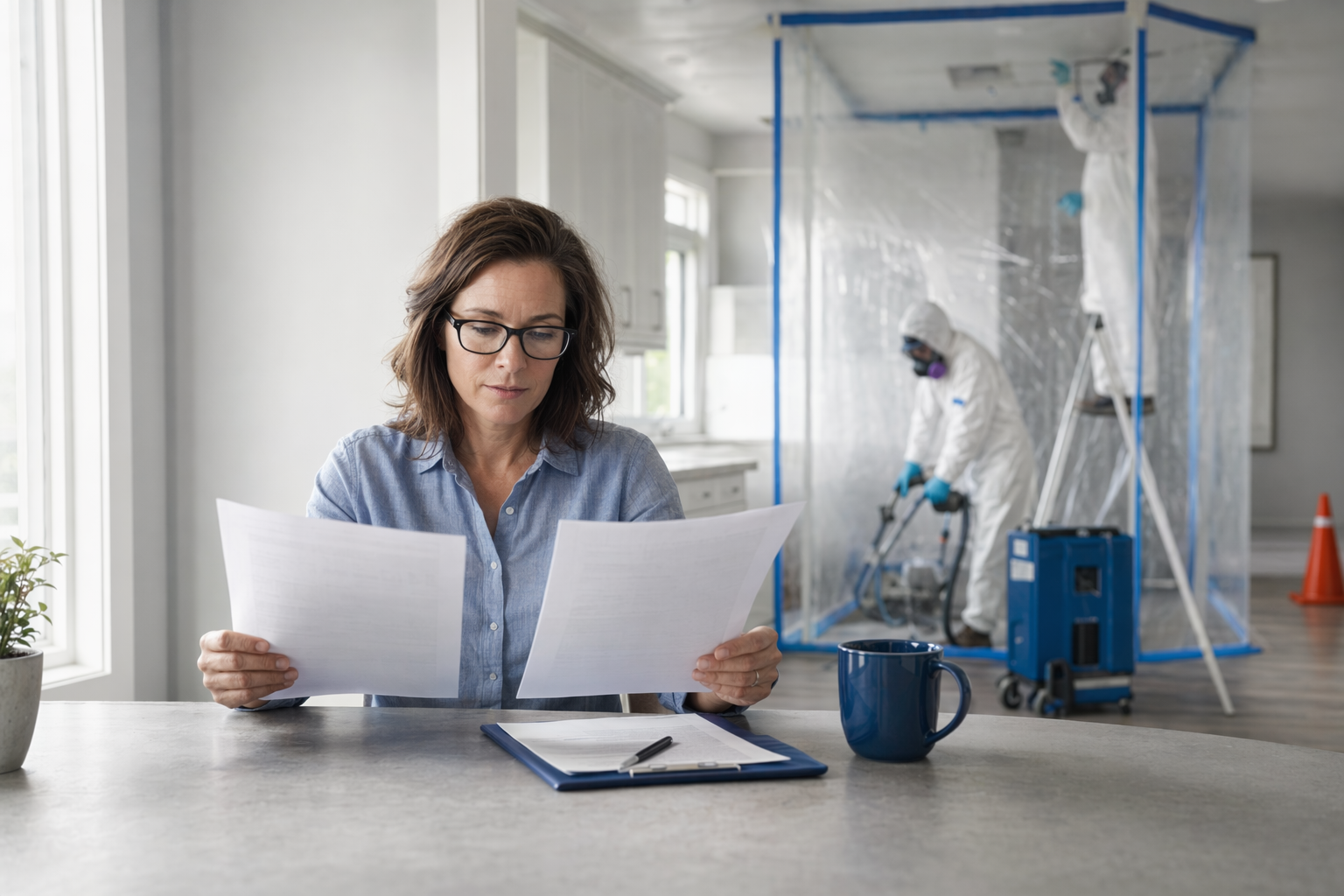
What to do right now (before you touch anything)
1. Do not sand, scrape, cut, or remodel suspected asbestos areas.
2. Keep people (especially kids) away from the area and avoid activities that make dust.
3. Get a qualified, licensed testing professional to confirm whether asbestos is present before you make repair or removal plans.
4. Contact your local housing/health department or a qualified real-estate professional for information about disclosure requirements in your area (rules vary by state and locality).
- Abatewell is a FREE matching/directory service—we don’t test or remove asbestos, and this isn’t legal advice.
- If you’re worried about exposure, contact your doctor or local health department for next-step guidance.
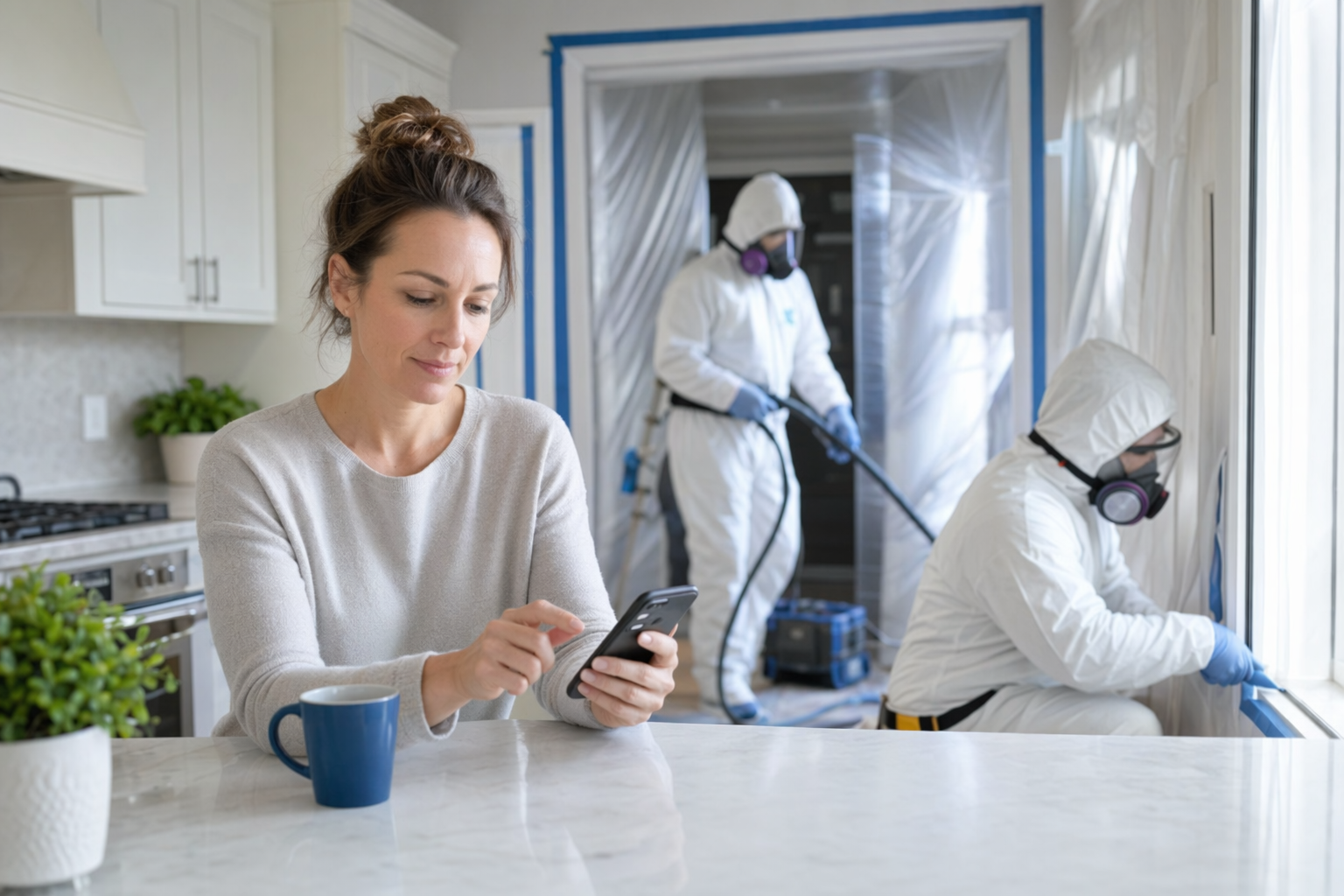
Do you have to disclose asbestos when selling a home? (general answer)
In many places, sellers are expected to disclose known hazardous conditions—including asbestos—especially if the home contains asbestos-containing materials (ACMs) and the seller knows (or should reasonably know) about it.
However, disclosure laws vary a lot by state, county, and sometimes city. Some rules focus on “known” asbestos, while others also address what was repaired or disturbed, or what was found during inspections. Sometimes the obligation depends on the age of the home and the type of material (for example, older insulation, certain floor tiles, or boiler-system insulation).
Because of these differences, the safest approach is: (1) identify whether asbestos is likely, (2) confirm with a properly accredited test, and (3) discuss disclosure based on your local requirements—not a generic template.
- If you only suspect asbestos and haven’t tested, consider getting it tested before making statements.
- Avoid guessing—uncertainty can create problems for both buyer and seller.
How asbestos testing affects disclosure and next steps
If you have documentation from a qualified professional showing asbestos (or showing a “no asbestos detected” result), that information can help you answer questions from buyers and agents accurately.
Testing should be done with proper sample collection, chain-of-custody, and lab analysis by an accredited testing lab. The professional you hire should understand the right sampling plan for your home materials and should not create extra dust. If asbestos is confirmed, the professional can advise on safe options (often containment, repair, or removal—depending on condition and location).
Important: do not “test” by demo-ing or taking samples yourself. DIY disturbance can spread fibers and increase risk.
- Look for accredited lab results and written documentation you can share during the sale process.
- Confirm whether the tested material is intact, damaged, or in a high-dust-risk location.
What the law and safety expectations generally focus on
Asbestos and lead hazards are treated seriously in the US because improper work can release fibers into the air. The “what you must do” details depend on your location and the type of work you plan to do.
For asbestos, states typically require licensing for abatement/contractors and also expect proper containment and disposal practices. If asbestos removal is planned, professionals should use controlled work areas (containment), protective equipment, HEPA filtration where appropriate, and properly labeled waste disposal.
For renovations that disturb paint in pre-1978 homes, EPA requires Lead RRP (Renovation, Repair and Painting) certification. Even though this page is about asbestos, the overall lesson is the same: regulated hazards require regulated, certified work—not guesswork and not DIY disturbance.
- Verify local asbestos licensing requirements—requirements are not identical across states.
- Expect that any work that disturbs suspect material should be done under the right containment and disposal rules.
How to find a certified asbestos testing pro (and verify credentials)
Abatewell can help you find licensed, certified lead and asbestos testing professionals near your ZIP code—free for homeowners. Use get-matched to share your ZIP, general concern, and preferred language.
Before you hire anyone, verify certification/licensing yourself with your state (for asbestos) and with any applicable federal program. Ask for:
- Proof of state asbestos licensing/authorization (as applicable to the exact services they provide)
- Evidence of appropriate insurance (liability and—if relevant—coverage for the type of work)
- A clear written plan for sampling/testing (what they’ll test, where, and how samples will be handled)
- Written lab results from an accredited lab, with documentation you can provide to the buyer or agent
If they want to start scraping/sanding/demolition before testing, or they can’t explain containment, sampling methods, or documentation, that’s a major red flag. For general guidance on hazards and next steps, see guides and answers.
- You’re the decision-maker—verify credentials before signing or paying.
- If anything feels rushed or vague, slow down and ask for documentation.
Asbestos disclosure red flags and scam warning signs
Be cautious of people who pressure you to remove or “fix” asbestos immediately without confirming what’s actually there. In addition to safety risks, scams often rely on fear and urgency.
Common red flags include:
- No license/certification for the work they’re proposing (especially for abatement/related tasks)
- “We’ll just scrape/sand it off” without testing or proper controls
- No containment plan, no mention of preventing dust spread, and no explanation of disposal practices
- Cash-only offers, no written scope, or pressure to sign on the spot
- Scare tactics like “You must remove everything right now” with no assessment or documentation
What to do instead: get a clear scope and price in writing (as an estimate/range only), ask for proof of certification, and keep testing results organized so you can answer disclosure questions accurately.
- Cost ranges vary widely by material, access, amount of work, and disposal/testing needs—see [costs](/costs/) for typical ranges.
- If you feel pressured, pause and get a second opinion from a properly licensed professional.
Typical cost ranges (what buyers/sellers often run into)
There isn’t a single price for asbestos disclosure or testing. Costs depend on how many materials/samples are needed, how accessible they are, whether there’s visible damage, and what accredited lab analysis and documentation are required.
In many cases, testing and documentation may cost less than abatement/removal. If asbestos is confirmed and disturbance is required, containment and disposal make the overall job more expensive. For rough expectations, review costs; remember that ranges are not quotes.
If your sale requires specific steps, ask your testing/abatement professional what documents they provide (for example, lab reports and work documentation) so you can plan responsibly.
- Avoid paying for “guaranteed removal” promises—safe outcomes depend on proper containment, methods, and verification.
- Always get written paperwork tied to your property and materials.
Don’t disturb suspected asbestos—get it tested first, then follow your local disclosure rules with proper documentation from a certified, licensed pro.
Common questions
I only suspect asbestos, not confirmed—do I still have to disclose it?
It depends on your local disclosure laws and what you know. Many places focus on what the seller knows or reasonably should know. The safest step is to get it properly tested (by a qualified professional with accredited lab results) before making definite claims.
Does asbestos testing documentation help with selling and disclosure?
Yes, written testing results can help you answer buyer questions accurately and provide evidence of what’s actually present. Keep lab reports and any written explanations in your sale records.
Can I remove asbestos myself to avoid disclosure issues?
In most cases, DIY disturbance is unsafe and may be illegal or heavily regulated. Asbestos work is typically subject to state licensing and strict containment/disposal requirements. Have a qualified professional confirm and advise on safe options.
How can I verify an asbestos pro is truly qualified?
Ask for proof of state licensing/authorization for the services they provide and verify it with your state licensing authority. Also confirm insurance and that they use accredited lab testing with written results and documentation.