How we've helped
A popcorn ceiling that tested positive for asbestos
An anonymized, illustrative story about doing the safe thing: not disturbing a popcorn ceiling, testing first, and hiring properly licensed asbestos professionals instead of taking a risky shortcut.
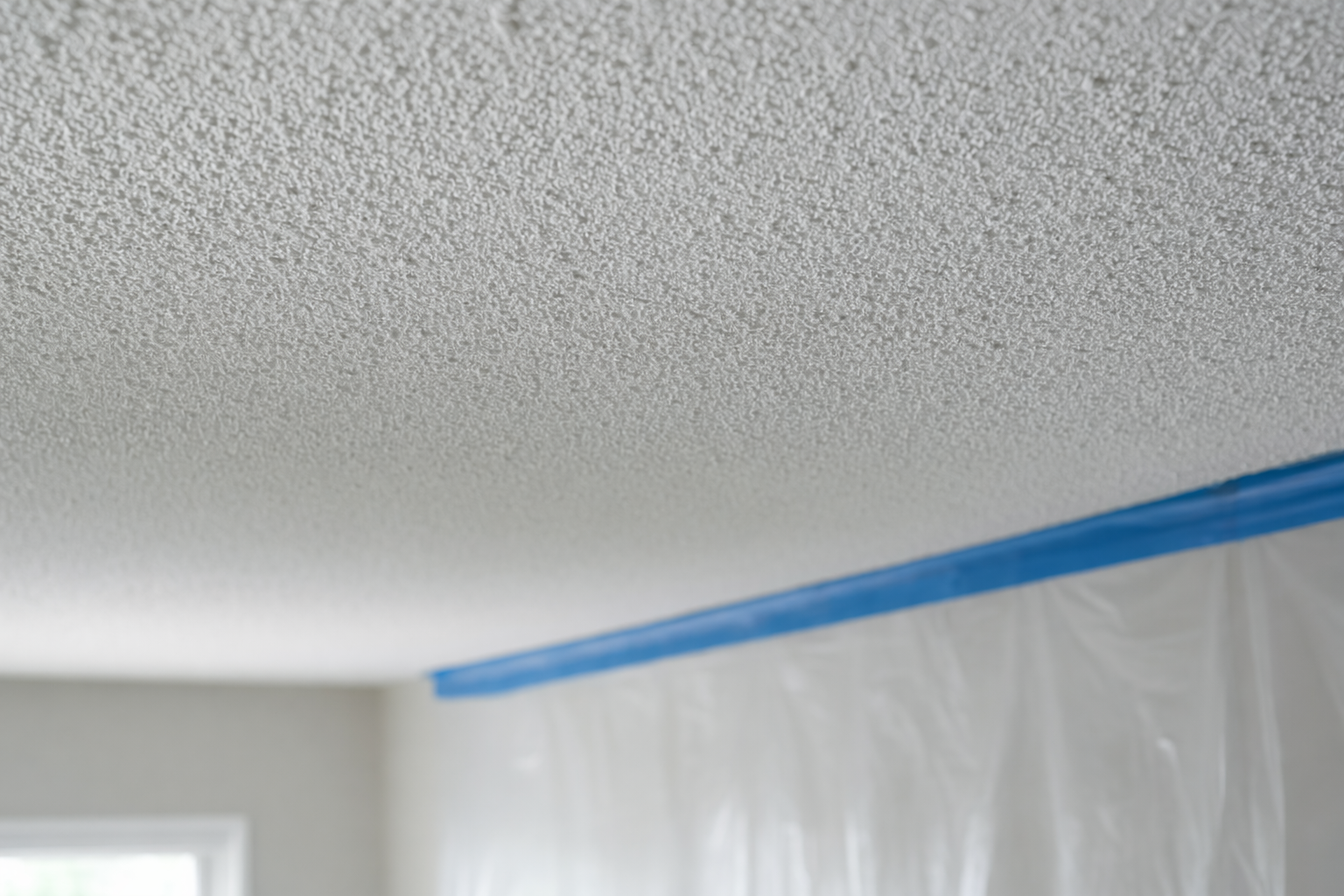
What happened first: they stopped and tested
This is an illustrative story, not a real named client. A family buying an older home noticed a textured popcorn ceiling in several rooms and planned to remove it before moving in. Before scraping, sanding, or wetting anything, they paused and asked a basic question: could it contain asbestos?
That pause mattered. Instead of starting demolition, they kept people out of the work area as much as possible and arranged testing through a qualified professional. The sample was sent to an accredited lab, and the result came back positive for asbestos.
That changed the plan right away. No DIY scraping, no handyman shortcut, and no "we can just take it down fast" approach. The safest next step was to have certified, state-licensed asbestos professionals evaluate the job and explain proper containment and disposal.
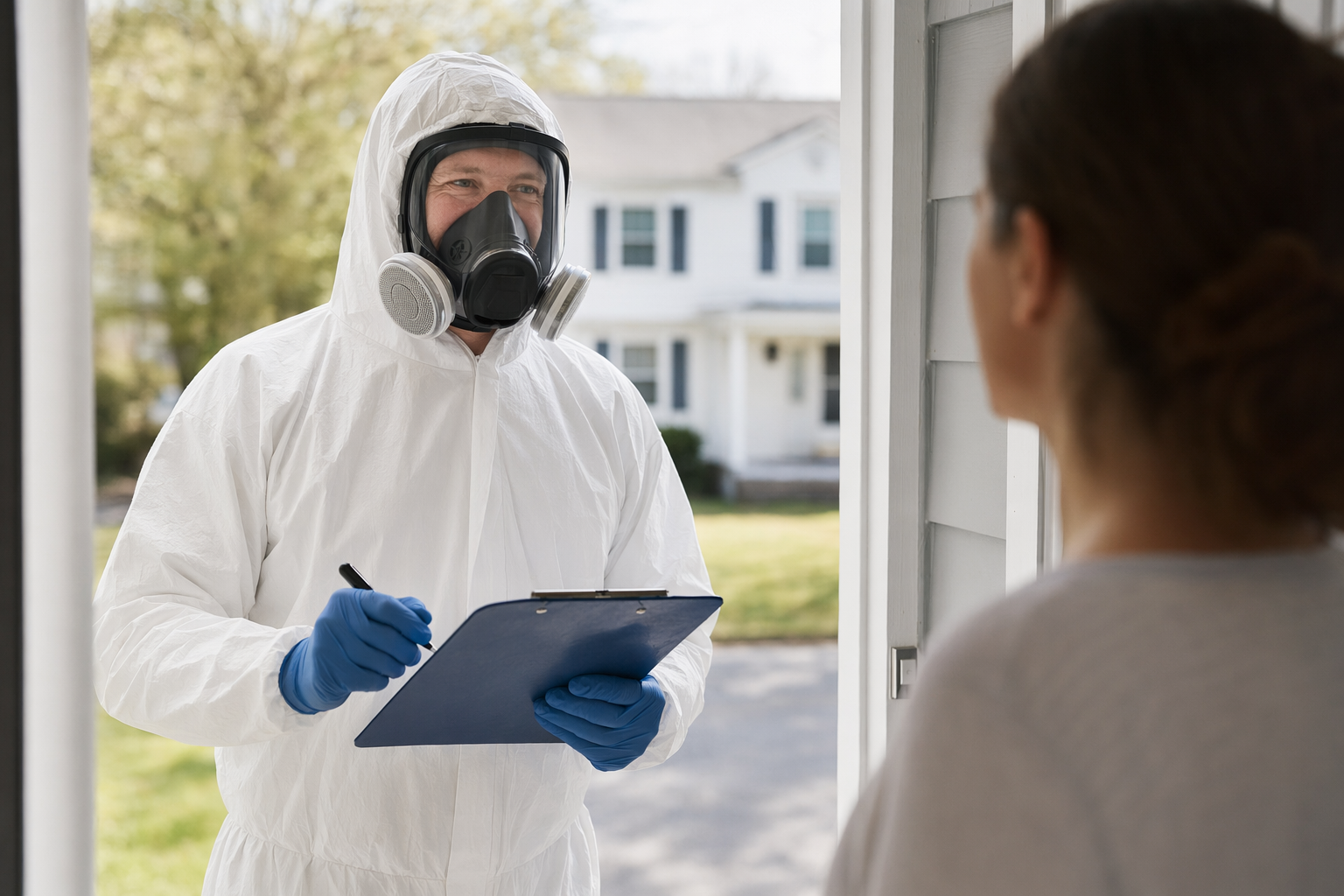
Why testing first made a big difference
Popcorn ceiling material in older homes can sometimes contain asbestos. You usually cannot tell by looking at it. If suspected material is cut, scraped, sanded, drilled, or torn out, tiny fibers can be released into the air.
In this story, testing first helped the family avoid turning a manageable project into a contamination problem. They did not guess, and they did not let anyone disturb the ceiling before the result was known.
That is the main lesson for most people: if you suspect asbestos or lead paint, do not disturb it first. Get it tested by the right qualified professional. For asbestos, rules often require state licensing for abatement work, special containment, and proper disposal. For paint in pre-1978 homes, disturbing painted surfaces can also trigger EPA Lead RRP requirements. Exact rules vary by state and local area, so confirm them yourself with your state or local authority and the contractor's credentials.
The uncertified 'deal' they did not take
After the test result, the family heard from someone offering a cheaper option: "We can just scrape it off and bag it up." The price sounded good, and the person said permits and special setup were "not necessary."
That was a red flag. Asbestos work is heavily regulated in many places. A low price does not help if the worker is not properly licensed, does not use containment, or disposes of waste the wrong way. Poor handling can spread dust, create cleanup costs, and expose people in the home.
The family asked basic questions: Are you state-licensed for asbestos abatement? What containment will you use? How will waste be packaged, transported, and disposed of? Can you show insurance? Can you provide the scope in writing? The cheap option did not give clear answers, so they walked away.
That is often the right move. Common scam or danger signs include no license or certification, no containment plan, "we'll just scrape/sand it off," cash-only demands, scare tactics, and pressure to sign right away.
How the certified pros handled it
The family then spoke with properly credentialed asbestos professionals and verified the licensing themselves. They also asked about insurance, the written scope of work, how the area would be isolated, and how waste would be disposed of according to state and local rules.
The crew explained the containment plan in plain language. Work areas would be sealed off, access would be limited, debris would be handled carefully, and disposal would follow the required process. The family appreciated that the contractor did not promise a miracle or rush them into signing. They explained what they would do, what they would not do, and what the job depended on.
That calm, regulated approach is what you want to see. For asbestos, state licensing is typically central. For renovation work that disturbs paint in pre-1978 homes, EPA Lead RRP certification may also matter. Different hazards can overlap in older homes, so it is reasonable to ask how the company handles both issues and what testing is needed before work starts.
What the project likely cost
In this illustrative example, the final price was higher than the uncertified offer, but the family understood why. The real cost of asbestos-related work depends on the material, how much there is, access, your location, whether testing is already done, and the containment and disposal rules that apply.
As a general educational range, asbestos sampling and lab analysis may cost roughly a few hundred dollars, while a small-to-mid-size containment and removal project can run from the low thousands to several thousand dollars or more. Larger, harder-to-access, or more regulated jobs can cost significantly more. These are not quotes.
The family chose the written, regulated option because it reduced the chance of a much bigger problem later. Cheap work that skips containment or proper disposal can become expensive if contamination spreads or the work has to be redone.
No one should promise you a price or timeline before they understand the material, quantity, access, and local requirements. Get the scope and price in writing, and compare certified providers carefully.
How Abatewell fits in
Abatewell is not a contractor, testing lab, or law firm. We do not test for asbestos or lead, remove anything, or give legal, regulatory, or medical advice. We are a free matching and directory service that helps people find licensed, certified lead and asbestos professionals near them.
If you are worried about a popcorn ceiling, old flooring, pipe insulation, or painted surfaces in an older home, the safest starting point is usually the same: do not disturb it, keep people away from the area when possible, and arrange proper testing first. Then verify the professional's license, certification, and insurance yourself with your state or the EPA where relevant.
If you want help finding professionals, you can see more stories, learn how it works, or get matched. We only collect basic contact and project-intent details such as your name, phone, optional email, concern type, ZIP code, rough home age, and preferred language. The service is free for the homeowner.
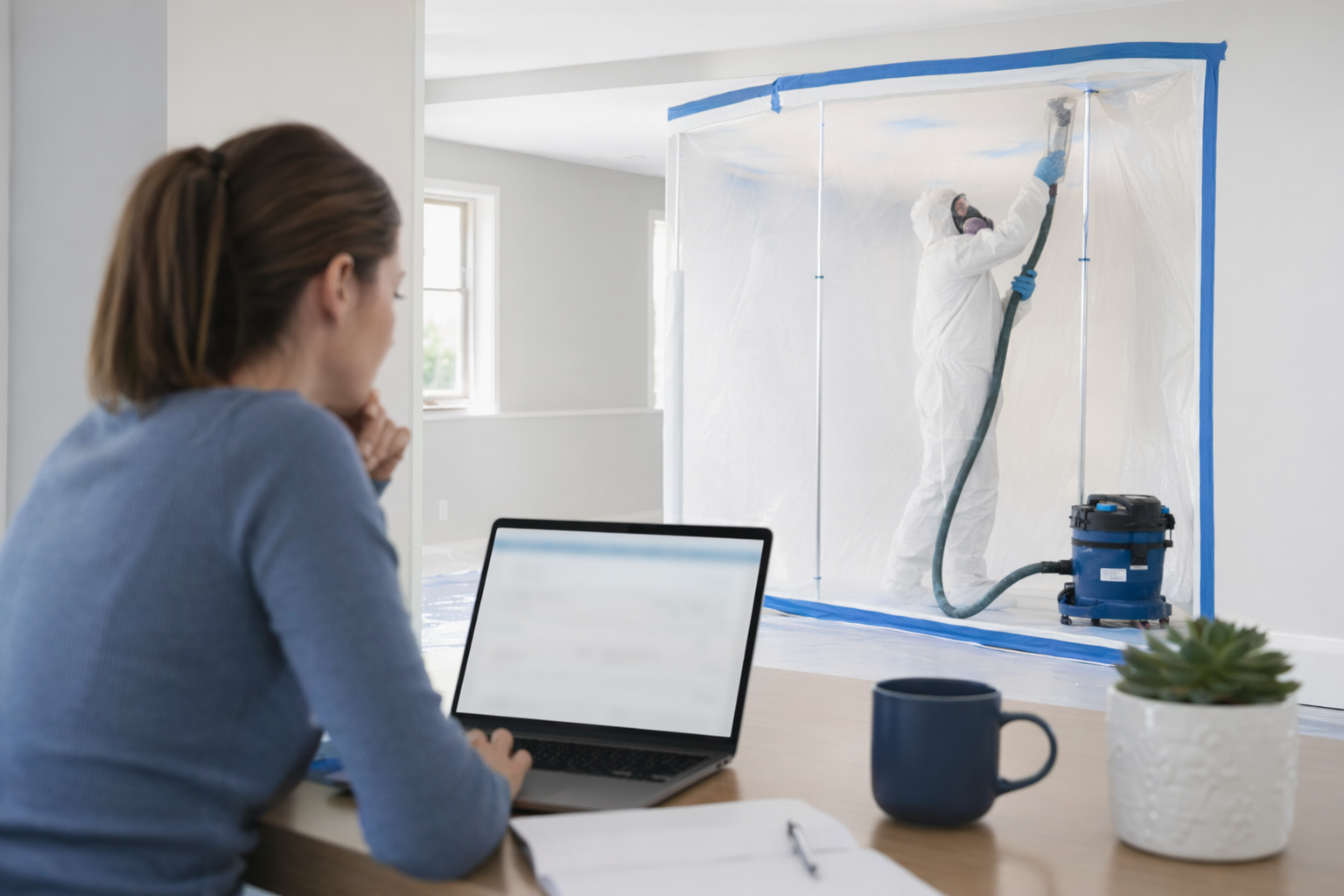
This story shows why it is usually safer to stop, test first, and hire properly certified asbestos pros instead of taking a cheap shortcut.
Common questions
Can I tell if a popcorn ceiling has asbestos just by looking at it?
No. You usually cannot confirm asbestos by sight alone. The safest step is not to disturb it and to have it sampled and tested through the proper professional process and an accredited lab.
What should I do if a contractor says they can just scrape it off cheaply?
Treat that as a warning sign, especially if they cannot show state asbestos licensing, insurance, containment plans, and written disposal procedures. Verify credentials yourself before agreeing to any work.
Does Abatewell test or remove asbestos?
No. Abatewell is a free matching and directory service only. We do not test, remove, or abate asbestos or lead, and we do not provide legal, regulatory, or medical advice.
What information do I need to share to get matched?
Only basic contact and project-intent details: name, phone, optional email, concern type, ZIP code, rough home age, and preferred language. We do not ask for financial account numbers, Social Security numbers, or immigration status.
What if I am worried someone in my home was exposed?
For a health concern, especially involving a child, contact a doctor or your local health department. This page is general educational information, not medical advice.