Services
Lead paint inspection and risk assessment
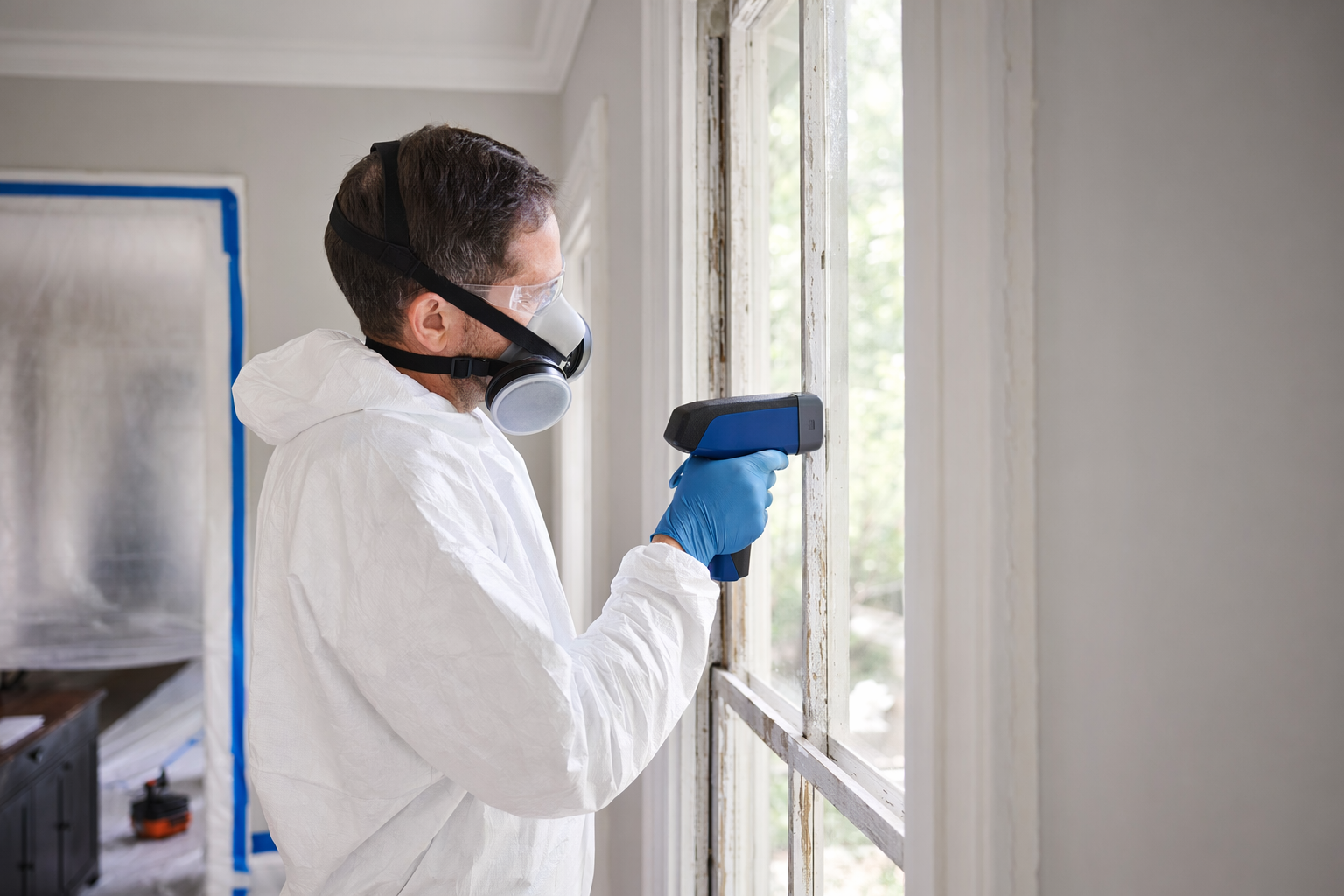
If you think old paint in your home may contain lead, do not sand, scrape, or disturb it. A certified lead professional can inspect or assess the risk so you know what is actually there and what to do next.
What to do right now
If paint may be from before 1978, treat it carefully until it is properly checked. Do not sand, scrape, cut, drill, or start renovation in the area first.
Keep children, pregnant people, and pets away from peeling paint, dust, and renovation areas. If paint chips or dust are present, avoid dry sweeping and do not try to remove the material yourself.
The safest next step is to have the home evaluated by a certified lead professional. Abatewell is a free matching and directory service that helps you find licensed or certified lead pros near you. We do not test, inspect, or remove anything ourselves, and this page is general educational information only — not legal, regulatory, or medical advice.
Lead inspection vs. lead risk assessment
These two services are related, but they are not the same.
A lead paint inspection is used to find out whether lead-based paint is present and where it is located. The inspector may use an XRF device or collect paint-chip samples for an accredited laboratory. This is often useful before buying a home, before renovation, or when you want a full picture of painted surfaces.
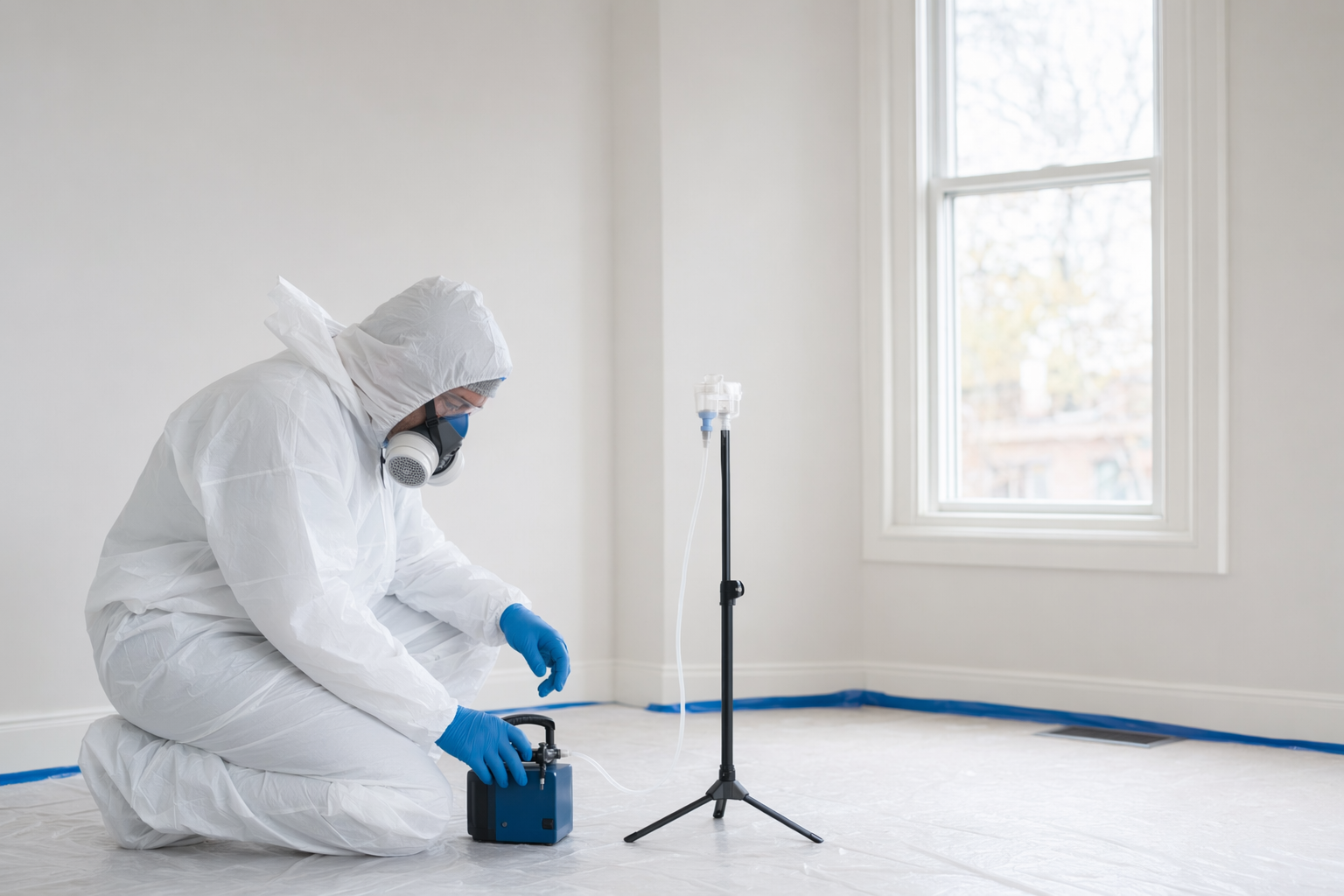
A lead risk assessment focuses on actual exposure risk in the home, not just whether lead paint exists. The assessor looks at deteriorated paint, friction and impact surfaces like windows and doors, dust, and sometimes bare soil. They may take dust-wipe samples and other samples for accredited lab testing, then explain which conditions are most likely to create lead exposure.
In simple terms: an inspection answers "Where is lead paint?" A risk assessment answers "How could someone be exposed here, and what should be addressed first?" Some homes may need one service; some may need both.
How certified lead testing and assessment usually works
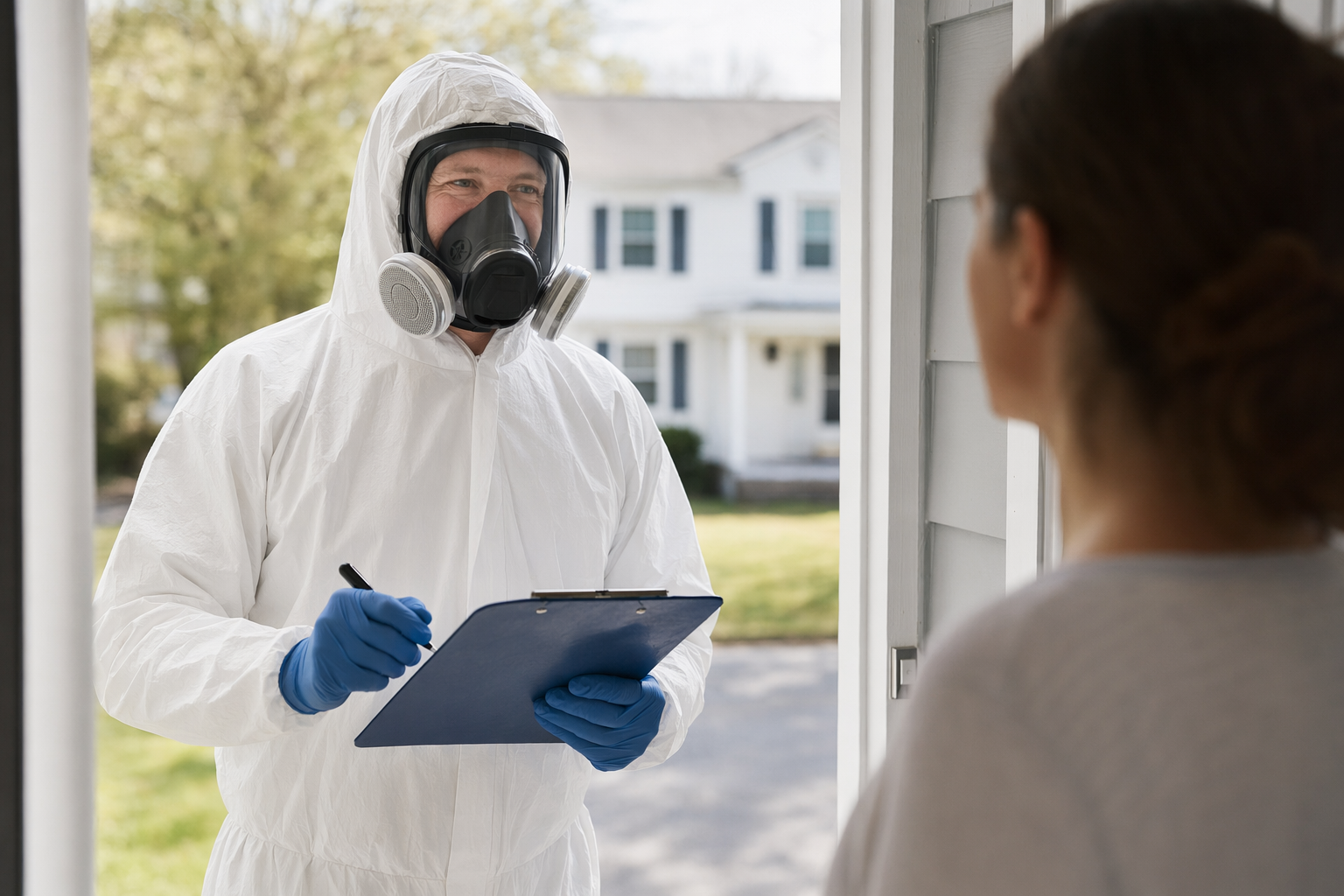
A qualified lead professional starts by asking about the age of the home, renovation plans, visible peeling paint, and who lives there. They then examine painted surfaces, especially problem areas such as windows, doors, trim, porches, stairs, and places with chipping or rubbing paint.
Testing may involve handheld XRF analysis, which can often give immediate results on painted surfaces, or paint-chip and dust-wipe samples sent to an accredited laboratory. The exact method depends on the surface, the purpose of the job, and state or local rules.
If conditions suggest a hazard, the report should clearly describe what was tested, the results, and recommended next steps. That may include monitoring intact paint, specialized cleaning, repairs, interim controls, or full lead abatement by a properly licensed contractor.
If work will disturb paint in a pre-1978 home, federal EPA Lead RRP rules often apply. That means renovation firms should be EPA-certified and use lead-safe work practices such as containment, minimizing dust, HEPA cleanup, and proper handling of waste. If another hazard such as asbestos may be present, asbestos work is regulated separately at the state level and usually requires its own licensed professionals, containment, and disposal procedures.
What safe follow-up work looks like
If lead hazards are confirmed, the right next step depends on the condition of the paint and your plans for the property. Intact paint may sometimes be managed, while peeling paint, friction surfaces, or renovation areas may require more formal action.
Certified lead professionals may recommend interim controls, encapsulation, enclosure, component replacement, or full abatement. They should explain the scope in plain language and describe how they will control dust and protect people in the home.
Safe work normally includes restricted access, plastic containment, worker protective equipment, careful removal methods that limit dust, HEPA vacuums, wet cleaning, and proper waste handling. In many projects, post-work clearance testing is important to confirm the area was cleaned to required standards before normal use resumes.
Do not hire anyone who says they will "just sand it off" or remove paint without containment. For lead and asbestos alike, proper containment, cleanup, and disposal are a major part of safe regulated work.
Typical cost ranges
Costs vary a lot by home size, number of rooms or components tested, your location, access, the testing method used, and whether lab samples or clearance are needed. These are general ranges, not quotes.
A basic lead inspection or limited lead paint testing visit may start around $250 to $700 in some areas. A more detailed whole-home lead inspection is often around $400 to $1,200+. A lead risk assessment may be roughly $300 to $900+, and combined inspection plus risk assessment services can be higher.
If laboratory sampling is used, each sample may add cost. If confirmed hazards lead to repairs or abatement, the total can rise significantly depending on how much material is involved and whether windows, doors, trim, or large painted surfaces must be addressed. Clearance testing after the work is often a separate charge.
The real price depends on the material, how much there is, access, your area, and required testing, containment, and disposal. Use ranges only to plan — not as a promise of what your job will cost. You can learn more at cost guides.
- Ranges are general examples, not quotes
- Lab samples and clearance testing may cost extra
- Abatement or component replacement can cost much more than testing
How to verify and find a certified pro
Before hiring anyone, ask exactly what credential they hold and what service they are providing: lead inspection, risk assessment, lead-safe renovation, or lead abatement. Then verify that certification or license yourself through your state program or the EPA where applicable. Also ask for proof of insurance.
For renovation that disturbs paint in pre-1978 homes, look for EPA Lead RRP firm certification and lead-safe work practices. For actual lead abatement, many states require additional licensing or certification. If another material may contain asbestos, do not assume one contractor can handle both; asbestos rules are separate and usually require state-licensed asbestos professionals.
Watch for red flags: no certificate or license number, no containment plan, promises to sand or scrape everything quickly, cash-only pricing, pressure to sign immediately, or scare tactics. Get the scope of work, cleanup steps, and price in writing before you agree.
Abatewell helps you get matched with lead professionals near you at no cost to the homeowner. We only collect basic contact and project details such as your name, phone, optional email, concern type, ZIP code, rough home age, and preferred language. You can also browse service options or learn more about common lead and asbestos hazards.
Do not disturb suspected lead paint — have a certified professional inspect or assess it first, and verify their credentials yourself.
Common questions
Do I need a lead inspection or a risk assessment?
If you want to know whether lead-based paint is present and where, an inspection is usually the right service. If you are worried about actual exposure from dust, peeling paint, windows, doors, or a child’s contact with surfaces, a risk assessment is often more useful.
Can I use a home test kit instead?
Home kits may miss hazards or give limited information, especially when you need reliable results for a property decision, renovation, or family health concern. A certified lead professional using proper methods and accredited lab testing is the safer choice.
Is lead paint dangerous if it is not peeling?
Intact paint is often less risky than peeling or damaged paint, but it can still become a hazard on friction or impact surfaces like windows and doors or during renovation. Do not disturb it; have a certified pro assess it first.
Who should I call if I think my child was exposed to lead?
Contact your doctor or pediatrician and your local health department promptly. Abatewell does not provide medical advice, testing, or treatment.
Will the inspector also remove the lead paint?
Not always. Inspection and risk assessment are evaluation services; removal or abatement is separate regulated work and may require a different license or certification. Ask what service is being offered and verify credentials yourself.
How long does lead testing take?
Some on-site XRF testing can provide results during the visit, while lab-based sampling may take longer. Timing depends on the scope of the job, testing method, lab turnaround, and local availability.