Services
Asbestos inspection and testing
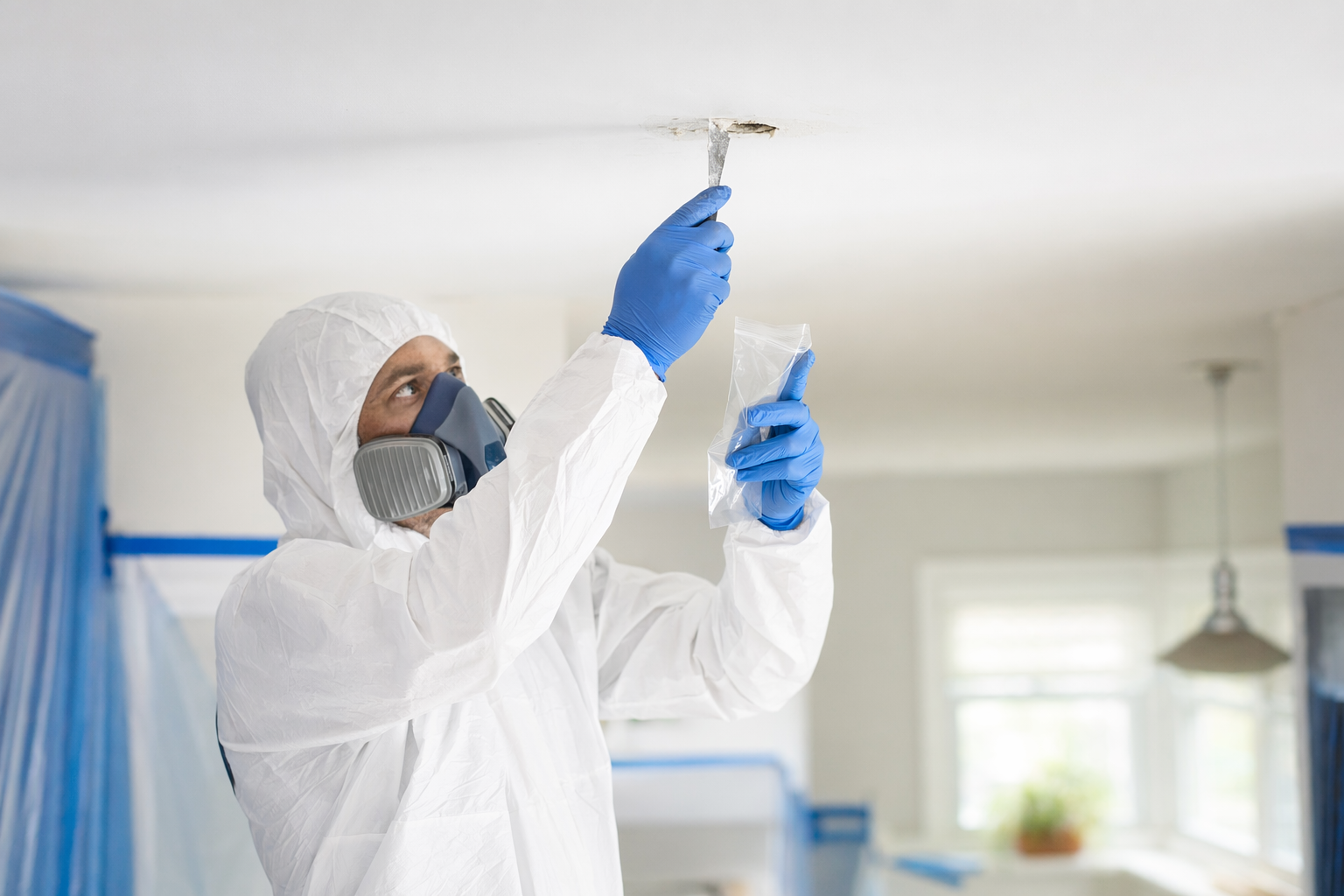
If you think a material may contain asbestos, the safest first step is not to disturb it. A licensed asbestos professional can inspect it, take samples safely when needed, and send them to an accredited lab for testing.
What to do right now
Do not cut, sand, scrape, drill, break, or remove suspected asbestos material yourself. Keep children, pets, and other people away from the area as much as you can, and avoid anything that could make dust.
If work is planned, stop before demolition or renovation starts and get the material checked first. Asbestos is often found in older insulation, pipe wrap, popcorn ceilings, floor tile, mastic, siding, roofing, and some textured materials.
If the material is damaged and dust may be present, limit access and contact a licensed asbestos professional for inspection and testing. Abatewell is a free matching/directory service — not a contractor, testing lab, or law firm — and does not test, remove, or abate anything.
What asbestos inspection and testing involves
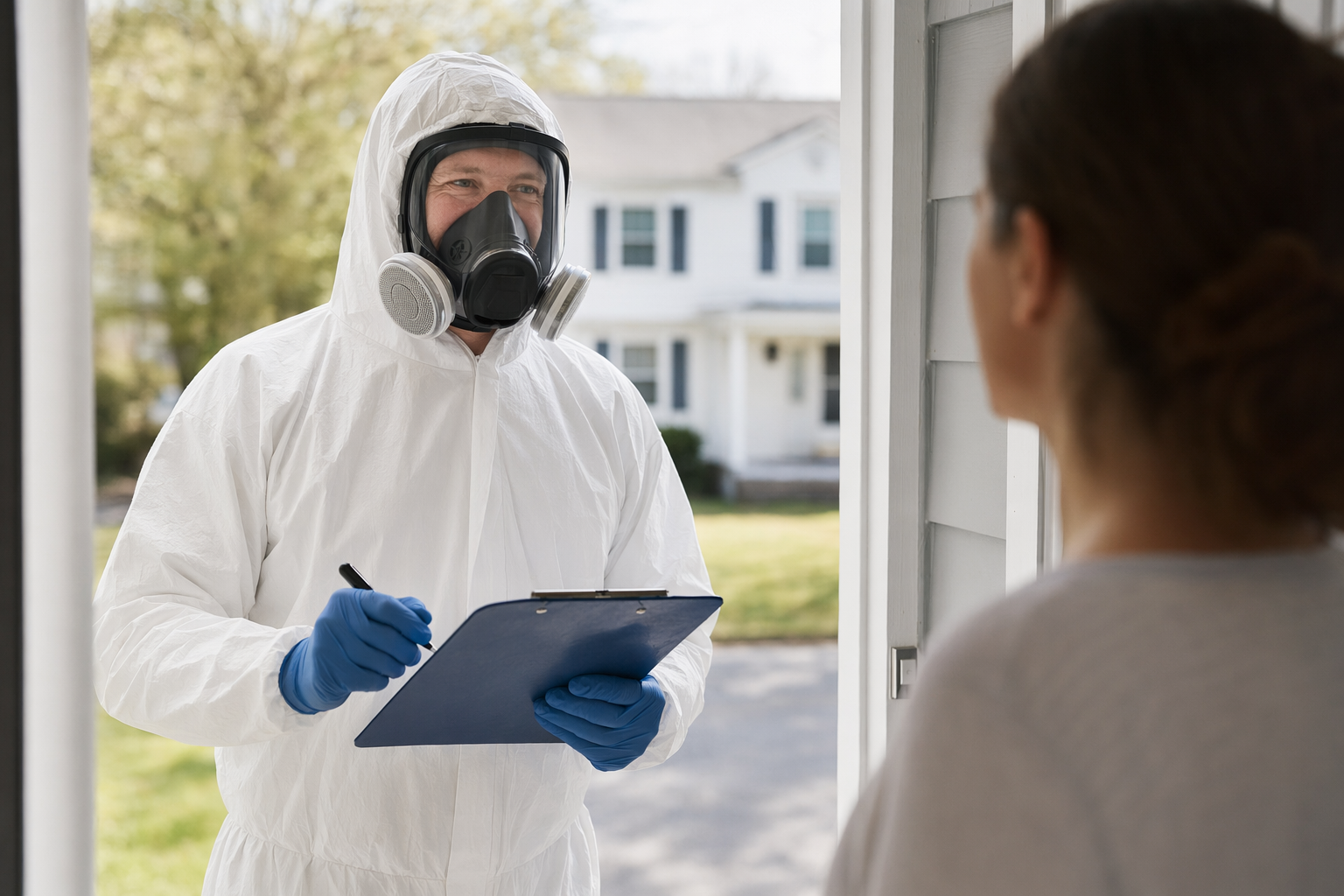
An asbestos inspection is meant to answer a basic question: is asbestos present, where is it, and is it likely to be disturbed? The inspector looks at suspect materials, their condition, and whether planned work could affect them.
Sometimes a trained professional can identify likely asbestos-containing materials by age, type, and appearance, but the usual way to confirm is laboratory testing. If sampling is needed, the inspector takes small samples using safety steps designed to reduce dust and then sends them to an accredited lab for analysis.
A proper inspection report may describe the suspect materials, where they are, how many samples were taken, and the lab results. Depending on your state and your project, you may also need a more formal survey before renovation or demolition.
Testing matters because different materials are handled differently. If a material is asbestos-containing, the next steps may be management in place, repair, encapsulation, enclosure, or licensed abatement, depending on condition, location, and local rules.
How a licensed pro samples safely
Asbestos work is heavily regulated, and the rules vary by state and by the type of building and project. In many places, inspection and sampling must be done by a state-licensed or state-certified asbestos inspector, and any removal must be done by a separately licensed asbestos abatement contractor.
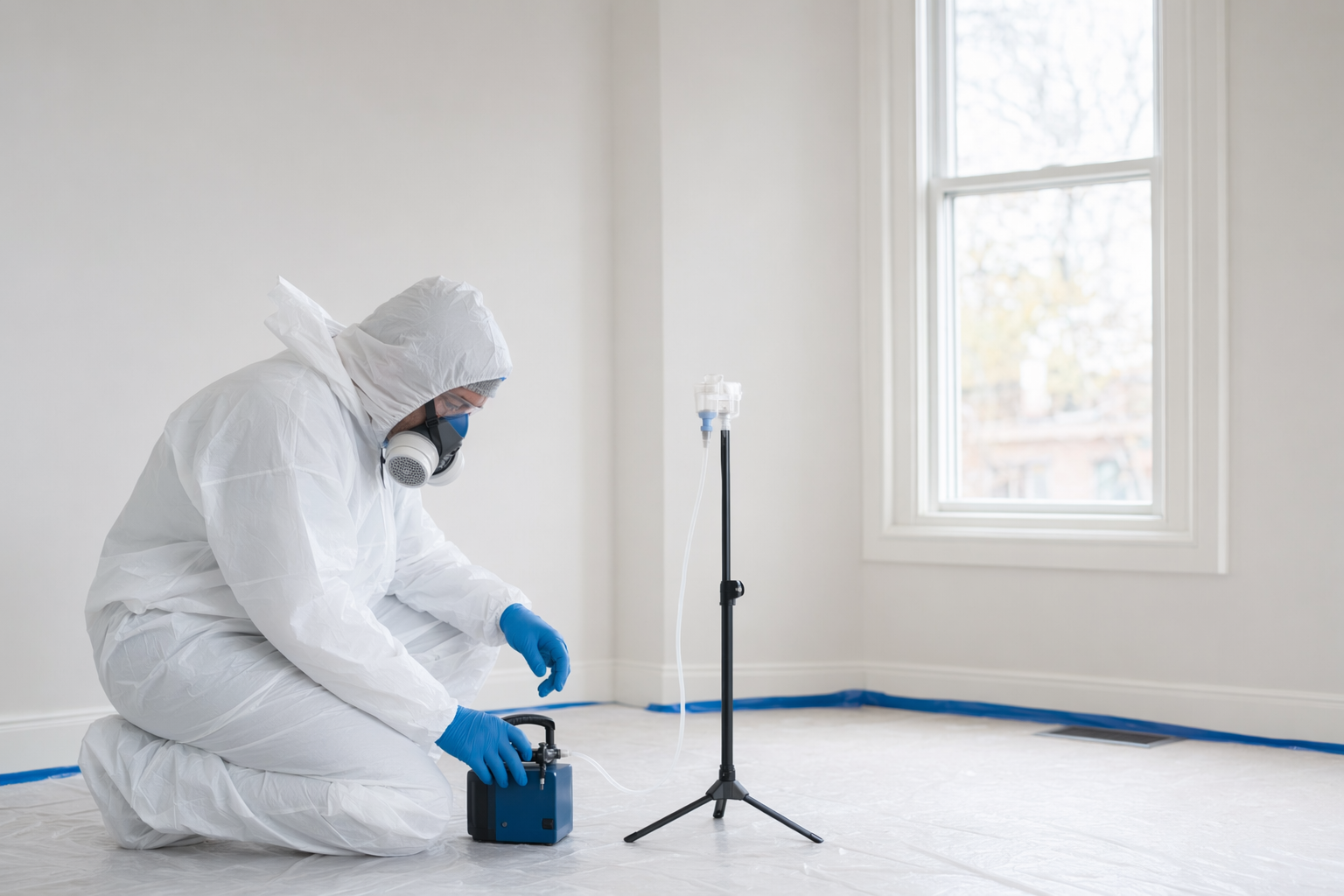
A careful professional should explain how they will control dust before taking samples. That can include limiting access, using personal protective equipment, placing plastic sheeting, wet methods where appropriate, careful sample handling, and HEPA vacuum cleanup. They should also explain how sample holes will be sealed or repaired after sampling.
If larger disturbance is needed later, proper containment, worker protection, and legal disposal become even more important. Asbestos debris generally cannot just go in ordinary trash. Disposal rules, waste packaging, transport, and landfill acceptance vary by state and locality.
For projects that may also disturb paint in a pre-1978 home, ask about EPA Lead RRP rules too. Renovation, repair, and painting that disturbs painted surfaces in those homes may require an EPA Lead RRP-certified firm, even if asbestos is the main concern.
What lab testing and results mean
The samples taken during an inspection are usually sent to an accredited laboratory. Ask which lab will do the testing and whether it is accredited for the method being used. Lab testing helps move the decision from guessing to documented results.
Your report should make clear which material was tested, where it was located, and what the lab found. If results show asbestos, that does not always mean immediate removal is needed. Sometimes intact material can be managed safely until a licensed abatement contractor is needed.
If results are negative but the situation is unusual, limited, or hard to access, ask the inspector whether more sampling is needed. One sample does not always represent every similar-looking material in a home.
If abatement is later performed, you may also hear about clearance or post-abatement air testing. That is a separate step used in some projects to help confirm the area was cleaned properly after licensed work.
Typical cost ranges
Costs vary a lot based on the material, how many suspect areas there are, how easy they are to reach, how many samples are needed, your location, and the lab method and turnaround time. These are general educational ranges, not quotes.
For a small residential asbestos inspection with a limited number of samples, you may see roughly a few hundred dollars on the low end. More commonly, homeowners may pay about $300 to $800 or more for an inspection and several samples, with higher totals for larger homes, multiple materials, rush lab work, or more detailed pre-renovation surveys.
Per-sample lab charges may be built into the inspection price or listed separately. If more areas need testing, the total can rise quickly. If asbestos is confirmed, abatement costs are separate and can range from hundreds to many thousands of dollars depending on the material, amount, containment needs, access, and disposal requirements.
For more background on pricing, see costs. The only reliable number is a written estimate based on your actual property and the actual materials involved.
How to verify and find a certified asbestos professional
Do not hire based only on a phone promise that someone can "test and remove everything cheaply." Ask what license or certification they hold for inspection or abatement in your state, whether they are insured, what lab they use, and how they control dust during sampling.
Get the scope in writing. A good estimate or proposal should say what areas will be inspected, how sampling is priced, whether lab fees are included, what the turnaround time is, and what happens if asbestos is confirmed.
You should verify the professional's license or certification yourself with your state asbestos licensing authority or other state program, and verify any EPA certifications that apply. Abatewell can help you get matched with professionals in our free directory, but you should still confirm licensing, certification, and insurance on your own.
You can also browse related services and read more about common hazards. Abatewell is free for homeowners and renters. We only collect basic contact and project-intent details such as your name, phone, optional email, concern type, ZIP code, rough home age, and preferred language.
Red flags to watch for
Be cautious if someone says they can tell for sure just by looking and there is no need for lab testing, especially if they also push immediate removal. Visual identification can help guide an inspection, but accredited lab testing is the usual way to confirm asbestos.
Other warning signs include no state license or certification, no proof of insurance, no discussion of containment, suggestions to just scrape, sand, or break material apart, cash-only demands, scare tactics, or pressure to sign immediately.
Use this checklist when you talk to a company:
- State asbestos inspection or abatement license/certification, if required
- Clear written scope and price
- Accredited lab information
- Dust control steps, PPE, and HEPA cleanup plan
- Legal packaging, transport, and disposal plan if removal is needed
- Insurance and who supervises the job
If you think a material may contain asbestos, do not disturb it — have a properly licensed professional inspect it and use an accredited lab to test it first.
Common questions
Can I test asbestos myself with a home kit?
The safer choice is to avoid disturbing the material and have a licensed asbestos professional inspect and sample it. Even small sampling can release dust if it is done poorly, and state rules may limit who can perform asbestos work.
Does a positive asbestos test mean I must remove it right away?
Not always. If the material is intact and unlikely to be disturbed, a licensed professional may recommend managing it in place, enclosure, or encapsulation instead of immediate removal. The right step depends on the material, its condition, the location, and local rules.
How long do asbestos test results take?
It depends on the lab and whether you pay for rush service. Some results may come back in a day or two, while standard turnaround can take longer.
Who is allowed to do asbestos inspection and sampling?
That depends on your state and the type of property and project. In many places, asbestos inspection and sampling require a state-licensed or state-certified professional, and removal requires a separately licensed abatement contractor. Verify credentials yourself with your state.
What should I do if my child may have been exposed to asbestos or lead dust?
For a health concern, contact a doctor or your local health department. Abatewell does not provide medical advice, and a licensed environmental professional can help with testing and next steps for the property.
Is Abatewell the company that does the inspection?
No. Abatewell is a free matching and directory service. We do not test, remove, or abate asbestos or lead, and we do not provide legal, regulatory, or medical advice.