Services
Asbestos abatement and removal
Asbestos abatement is regulated work that should be handled by a state-licensed professional, not as a DIY project. Do not cut, scrape, drill, or remove suspected asbestos—keep people away and get it properly evaluated first.
What to do right now
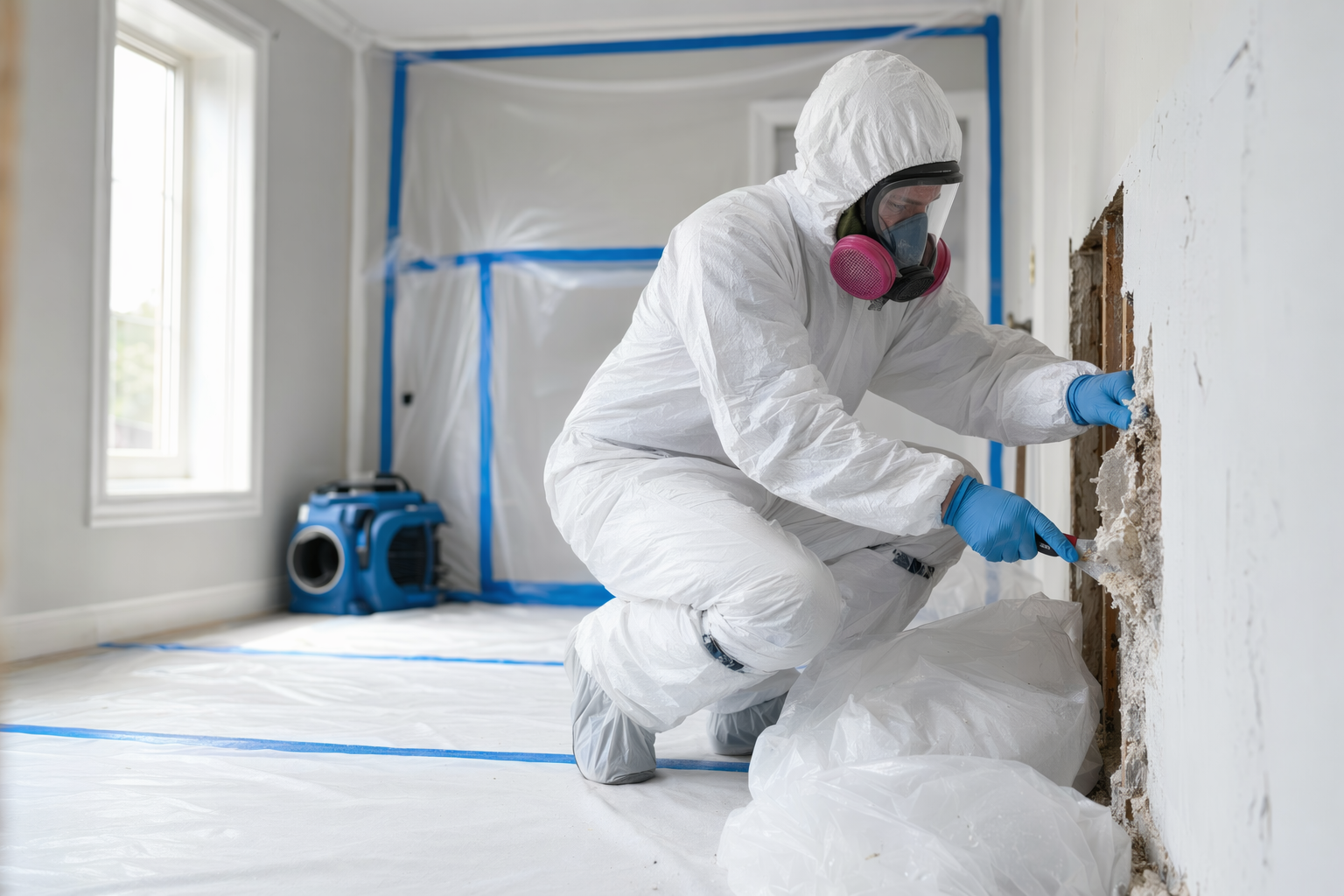
If you think a material may contain asbestos, the safest first step is to leave it alone. Do not break, sand, scrape, cut, drill, tear out, or try to bag it yourself. Disturbing asbestos can release tiny fibers into the air.
Keep children, pets, and other people away from the area if you can. Avoid sweeping or using a regular household vacuum on dust or debris from suspected material.
Before any renovation, demolition, cleanup, or real-estate work, have the material assessed and, when appropriate, sampled by a qualified professional and tested by an accredited lab. Abatewell is a free matching and directory service, not a contractor, testing lab, or law firm, and we do not test for or remove asbestos.
What asbestos abatement and removal actually involves
Asbestos abatement is the controlled process of repairing, enclosing, encapsulating, or removing asbestos-containing material so fibers are not released into the air. The right approach depends on the type of material, its condition, where it is located, whether it will be disturbed, and what your state requires.
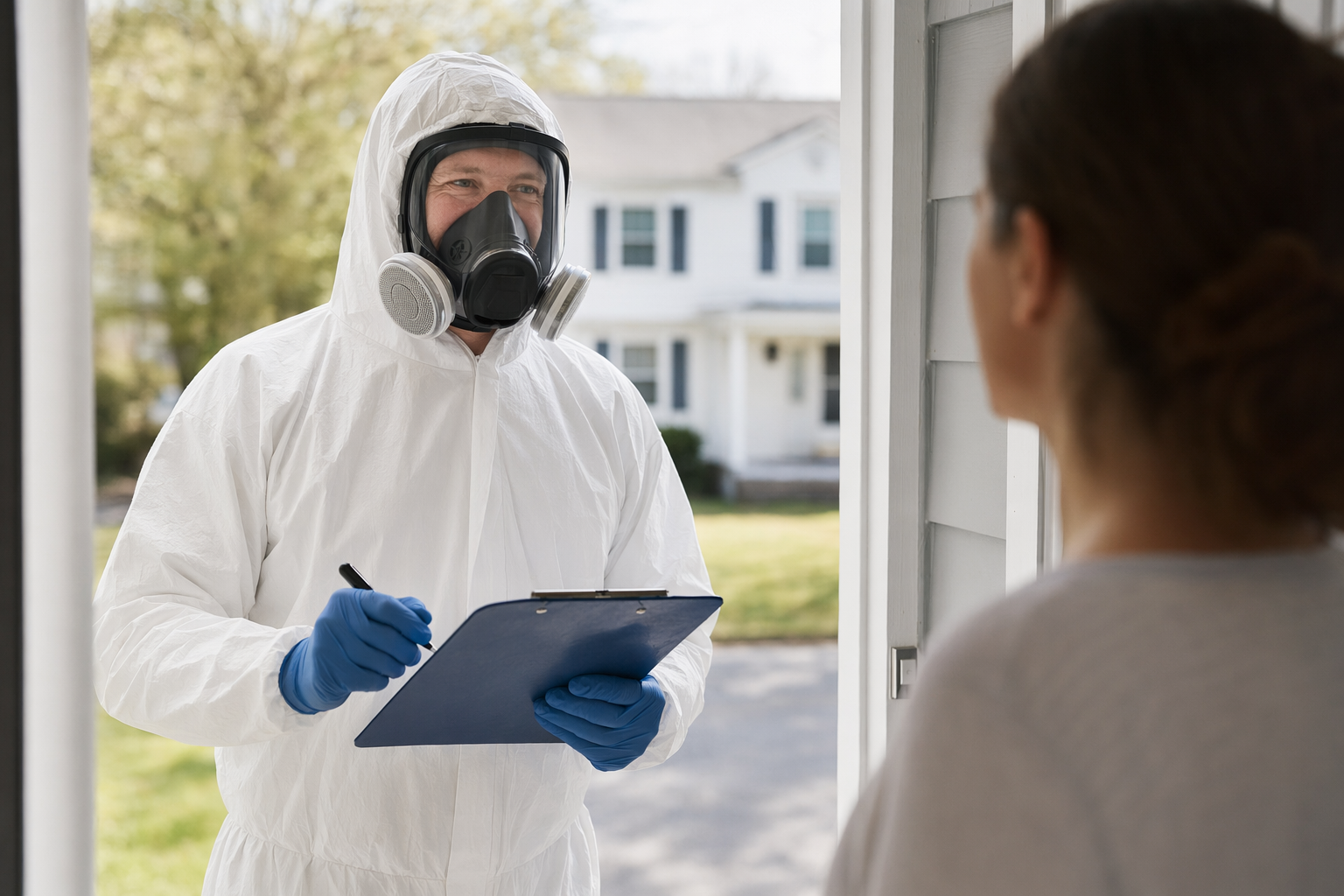
In many jobs, the licensed contractor starts by setting up containment around the work area. That may include critical barriers with plastic sheeting, sealed openings, warning signs, restricted access, decontamination procedures, and negative air machines with HEPA filtration to keep fibers from spreading.
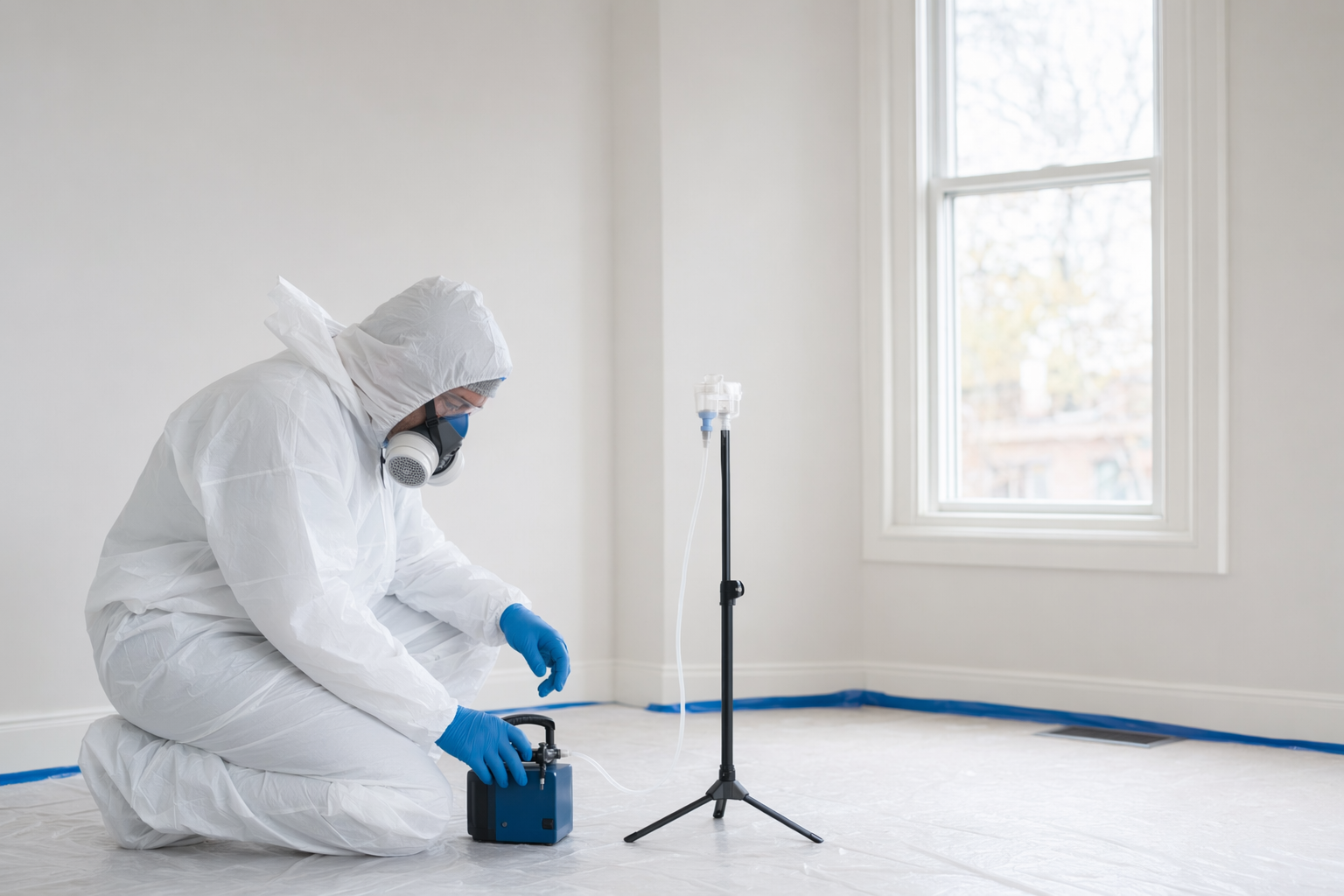
Workers typically wear proper personal protective equipment, use asbestos-specific work methods to keep dust down, and place waste in approved, labeled containers for transport and disposal at authorized facilities. After the work, the area is carefully cleaned with HEPA methods and wet cleaning. Depending on the project and local rules, a final visual inspection and clearance air testing may be performed before the area is returned to normal use.
Not every asbestos problem means full removal. In some cases, a licensed pro may recommend repair, enclosure, or encapsulation if the material is intact and can be safely managed. The correct choice is site-specific and regulated by state and local rules.
How licensed pros do the work safely
Good asbestos work is about control. A professional should have a written scope, explain what material is being addressed, describe how the area will be contained, and tell you how waste will be handled and where it will go.
A typical process may look like this:
1. Inspect the area and review test results or arrange proper sampling through qualified channels.
2. Define the work area and set up containment, warning signs, and restricted access.
3. Use PPE, wet methods, and HEPA-equipped equipment as required.
4. Remove, repair, enclose, or encapsulate the material using regulated procedures.
5. Package, label, transport, and dispose of waste according to state and local rules.
6. Perform final cleaning, visual review, and any required clearance testing before re-occupancy.
If the project also disturbs painted surfaces in a pre-1978 home, ask whether EPA Lead RRP rules also apply. Lead and asbestos can exist in the same older property, and different certifications may be needed for different parts of the job.
Because this work is heavily regulated, always verify the contractor's state asbestos license, required certifications, and insurance yourself with your state licensing authority or environmental agency. Do not rely only on a business card, website, or verbal promise.
What asbestos abatement can cost
Costs vary a lot. The real number depends on what the material is, how much there is, whether it is friable or damaged, how easy it is to access, where you live, whether testing and air clearance are needed, and what disposal rules apply. These are general ranges, not quotes.
Small, limited abatement jobs may start around a few hundred to a few thousand dollars. Many contained removal projects in homes fall roughly in the low thousands to several thousands. Larger, more complex jobs—especially pipe insulation, extensive damaged material, hard-to-access areas, or multi-room containment—can cost much more.
You may also see separate charges for inspection or sampling, accredited lab analysis, permits or notifications where required, air monitoring or clearance, and disposal fees. If you want a broader overview, see costs.
Be careful with very low bids. A cheaper price can mean shortcuts on containment, labor, insurance, cleanup, or disposal. For asbestos, those shortcuts can create serious contamination problems and bigger costs later.
Red flags and scam warning signs
You are allowed to slow down and check credentials. A trustworthy company should be willing to explain its license, scope, containment plan, cleanup steps, and disposal process in plain language.
Watch for these red flags:
- No state asbestos license or unclear certification status
- No proof of insurance
- "We'll just scrape it out" or "It's safe, no containment needed"
- No mention of sealed work areas, negative air, HEPA cleanup, or proper disposal
- Pressure to sign immediately or scare tactics
- Cash-only demands or refusal to provide a written scope and price
- Promises that skip testing, documentation, or clearance when those may be needed
Get the scope of work and price in writing. Ask what material is being addressed, what method will be used, whether air clearance is included, and how waste disposal will be documented.
This page is general educational information, not legal, regulatory, or medical advice. Requirements vary by state, locality, building type, and material.
How to find and verify a certified asbestos abatement pro
Start with companies that specifically perform asbestos abatement under state licensing rules—not general handymen or ordinary demolition crews. Ask what license they hold, whether they carry liability and workers' compensation insurance, and whether they can work on your type of property.
Use a simple checklist when you call:
1. Are you licensed by the state for asbestos abatement?
2. What exact material do you think is involved, and do I need testing first?
3. How will you contain the area and protect the rest of the home?
4. Will you use negative air, HEPA cleanup, and proper disposal?
5. Is clearance testing or final air testing included or recommended?
6. Can you provide a written scope, timeline estimate, and proof of insurance?
You can use Abatewell to get matched with local professionals or browse the services hub to understand related work. Our service is free for homeowners and renters. We only collect basic contact and project details such as your name, phone, optional email, concern type, ZIP code, rough home age, and preferred language so you can connect with participating pros.
Abatewell does not perform testing or abatement, and we do not guarantee a contractor's work. Always verify licenses, certifications, and insurance yourself with the state or EPA where relevant before hiring.
If you think something in your home may contain asbestos, do not disturb it—get it checked and handled by a properly licensed professional.
Common questions
Should I remove asbestos myself if it looks like a small job?
No. The safest step is not to disturb suspected asbestos and to have it evaluated first. Removal is heavily regulated, and improper handling can spread fibers through the home.
Do all asbestos materials need to be removed?
Not always. If a material is in good condition and will not be disturbed, a licensed professional may recommend management, repair, enclosure, or encapsulation instead of removal.
How do I know if a contractor is really qualified?
Ask for their state asbestos license, proof of insurance, and a written scope of work, then verify those credentials yourself with your state licensing or environmental agency. Do not rely only on online ads or verbal claims.
Is air testing always included after asbestos abatement?
Not always. Whether clearance air testing is required or recommended depends on the project, the material, and local rules. Ask about final visual inspection and clearance before you hire.
Can a regular remodeling contractor handle asbestos during a renovation?
Usually not unless they hold the proper asbestos licensing required by the state. And if the job also disturbs paint in a pre-1978 home, EPA Lead RRP rules may also apply.
How much does asbestos removal cost?
It varies widely based on the material, amount, condition, access, your location, testing, containment, and disposal requirements. General ranges can be helpful, but they are not quotes.