Guides
How to verify EPA and state certification
Before you hire anyone for possible lead paint or asbestos, verify their EPA or state certification yourself. Do not let anyone sand, scrape, cut, or demolish suspected material until a certified pro has tested it and explained the plan.
What to do right now
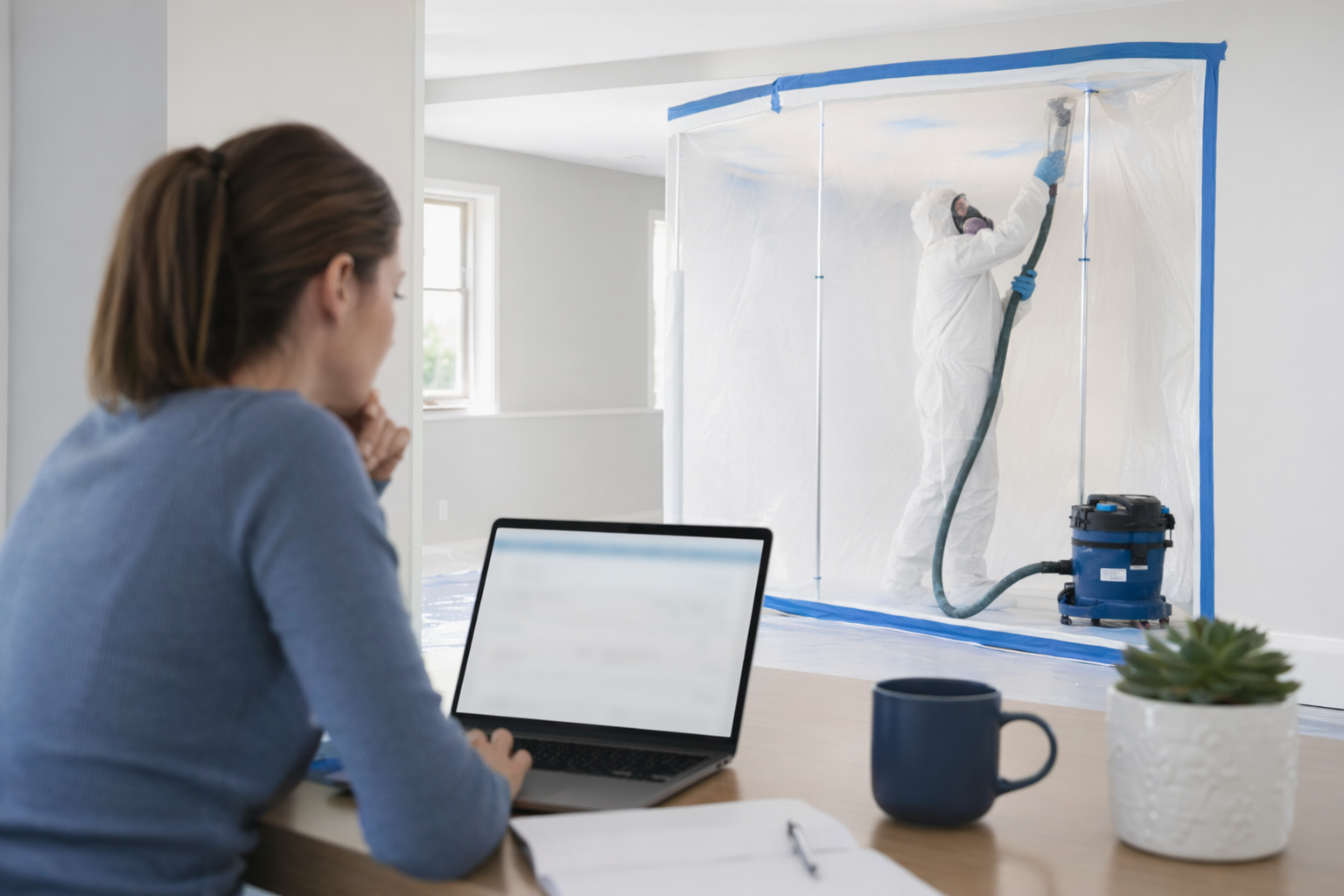
If you suspect lead paint or asbestos, the safest first step is to not disturb it and keep people, especially children, away from the area.
Ask the contractor for their exact license or certification number before you sign anything or pay a deposit. For lead work in pre-1978 homes, ask about EPA Lead RRP certification if the job will disturb painted surfaces. For asbestos work, ask for your state asbestos abatement license and proof that they know the required containment and disposal rules.
If there is any visible damage, dust, or you think someone may have already been exposed, stop work and contact a doctor or your local health department for health guidance. Abatewell is a free matching and directory service only; we do not test, remove, or abate lead or asbestos.
How to verify a lead or asbestos pro
Start by asking the company for their full legal business name, the worker or supervisor name, and the certification or license number. A serious pro should give this to you clearly and without pressure.
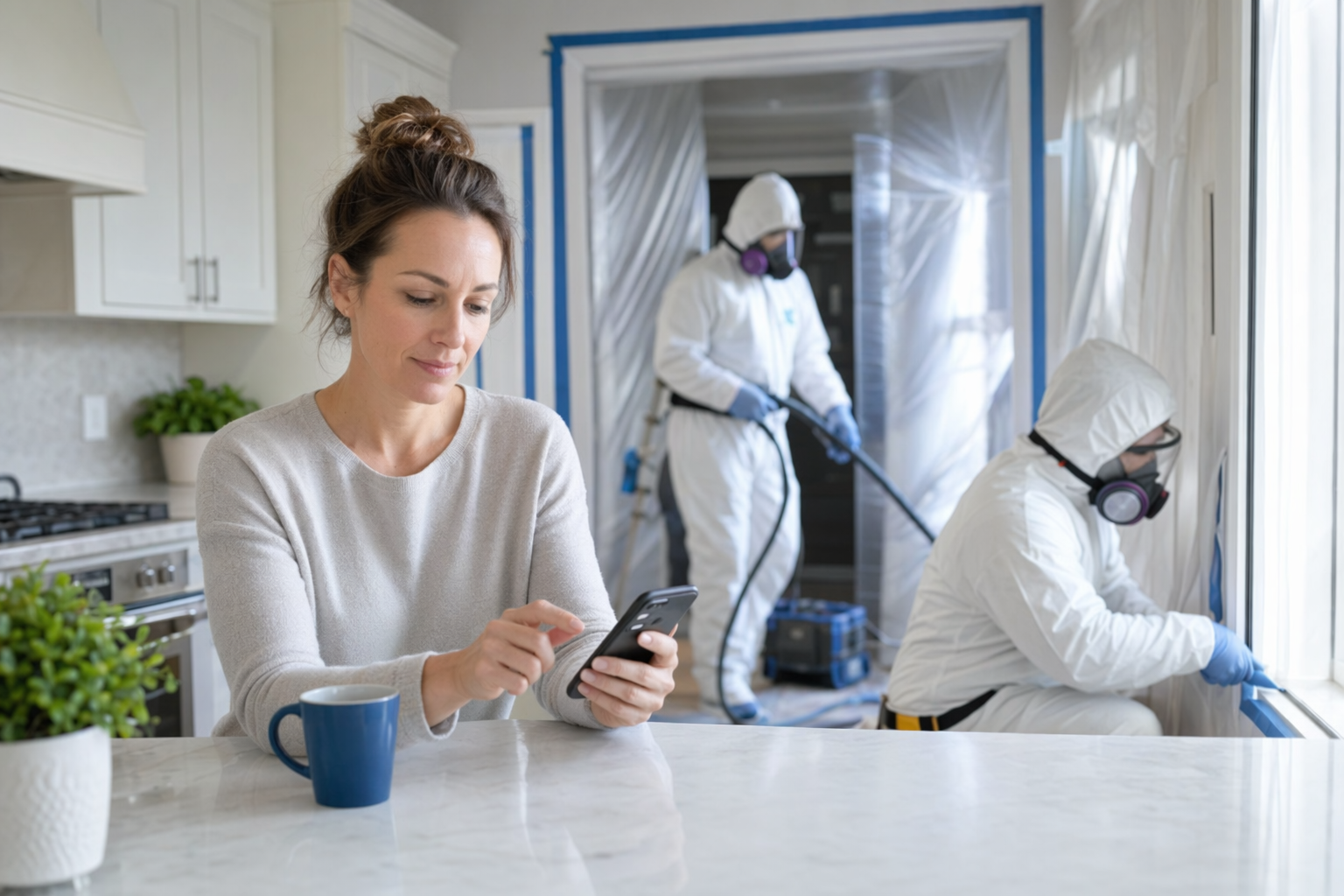
Then verify it yourself with the state or EPA office that issues or recognizes the credential. For lead, check the EPA’s Lead Renovation, Repair and Painting program if the work will disturb paint in a pre-1978 home. For asbestos, check your state’s licensing or environmental agency, because asbestos rules are state-specific and may also involve local permits.
Do not rely on a business card, a logo on a truck, or a verbal promise. Ask for proof of insurance too, and match the dates, business name, and scope of work to your project.
What to look for in the paperwork
A trustworthy company should be willing to show you documents that match the job they are proposing. That usually includes a license or certification, insurance, a written scope of work, and any required testing or inspection report from an accredited lab.
For asbestos jobs, the plan should mention proper containment, worker protection, and legal disposal. For lead jobs, it should explain how they will control dust, protect the area, and clean up safely.
If the answer is vague, ask for it in writing. If they will not provide it, walk away.
Red flags and scams to avoid
Be careful if anyone says they can "just scrape it off" or "sand it quickly". That is a common warning sign because it can spread hazardous dust.
Other red flags include no license or certification, no containment, cash-only pressure, scare tactics, a demand to sign on the spot, or a promise that testing is unnecessary. Also be cautious if the price is very low with no written scope, or very high with no explanation.
Get the scope and price in writing, and verify certification before work starts. If you want help finding a certified pro near you, use Get matched or browse the guides.
Costs, timelines, and what varies
Verification itself is usually free, but testing, inspection, and abatement are not. Honest cost ranges can be helpful, but they are not quotes.
Real pricing depends on the material, how much there is, how easy it is to access, your area, and the testing, containment, cleanup, and disposal required. In many cases, lead testing or inspection may cost a modest amount, while asbestos inspection and abatement can range from a few hundred dollars for a small, simple job to several thousand dollars or more for larger or harder projects.
Always confirm the final price in writing after the site is inspected and the scope is clear. For general background on why this work is so regulated, see hazards and costs.
How Abatewell fits in
Abatewell is a free matching and directory service for people looking for licensed, certified lead and asbestos professionals near them. We are not a contractor, testing laboratory, or law firm, and we do not make licensing decisions.
We collect only contact information and project intent, such as your name, phone number, optional email, concern type, ZIP code, rough home age, and preferred language. We do not ask for financial account numbers, SSNs, immigration status, or sensitive personal records.
If you are ready to compare certified professionals, you can start with Get matched.

Do not let anyone disturb suspected lead or asbestos until you verify their certification, their insurance, and their written plan yourself.
Common questions
How do I know if a lead or asbestos contractor is really certified?
Ask for their full legal business name and certification or license number, then verify it with the EPA or your state agency yourself. Do not rely only on a logo, a business card, or what they say on the phone.
Do I need EPA RRP certification for all lead jobs?
EPA Lead RRP certification matters when a contractor disturbs painted surfaces in a pre-1978 home. If you are unsure, ask the contractor and your local EPA or state office before any work starts.
Who licenses asbestos workers?
Asbestos licensing is usually handled by the state, and the rules vary by location. Check your state environmental or labor agency to confirm the worker, company, and the type of asbestos work they are allowed to do.
What if I already paid a deposit?
If you have doubts, stop the job and verify the company before more work happens. Ask for a written contract, proof of certification, and insurance, and contact your state agency or local consumer office if something does not match.