Guides
Where asbestos hides in older homes
Asbestos was used in many building materials in older homes. If you’re worried, don’t guess—avoid disturbing anything and get certified asbestos testing before any drilling, sanding, demolition, or renovation.
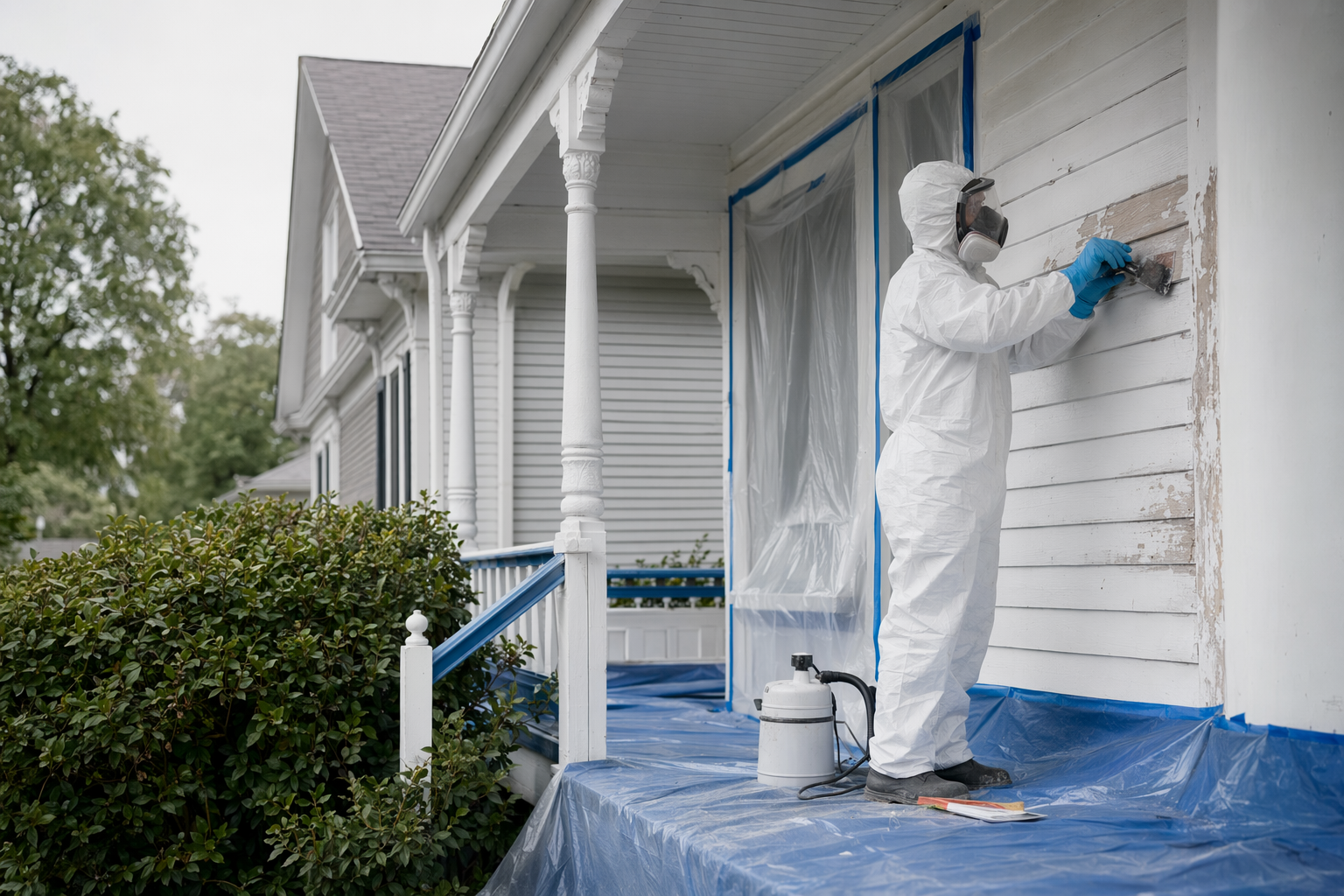
What to do right now if you suspect asbestos
1. Stop work (or don’t start it): don’t scrape, sand, cut, drill, or “just remove” suspected material.
2. Keep people away: especially children, pregnant people, and anyone with breathing issues. Close doors, and avoid tracking dust around the home.
3. Get it tested first: hire a licensed/certified asbestos testing professional to collect samples and send them to an accredited lab.
4. Ask your local health department for guidance if you have a child with possible exposure concerns or if you’re unsure what to do next.
- If you see damaged, crumbling, or water-damaged material, treat it as higher risk—avoid touching it and plan for testing and containment.
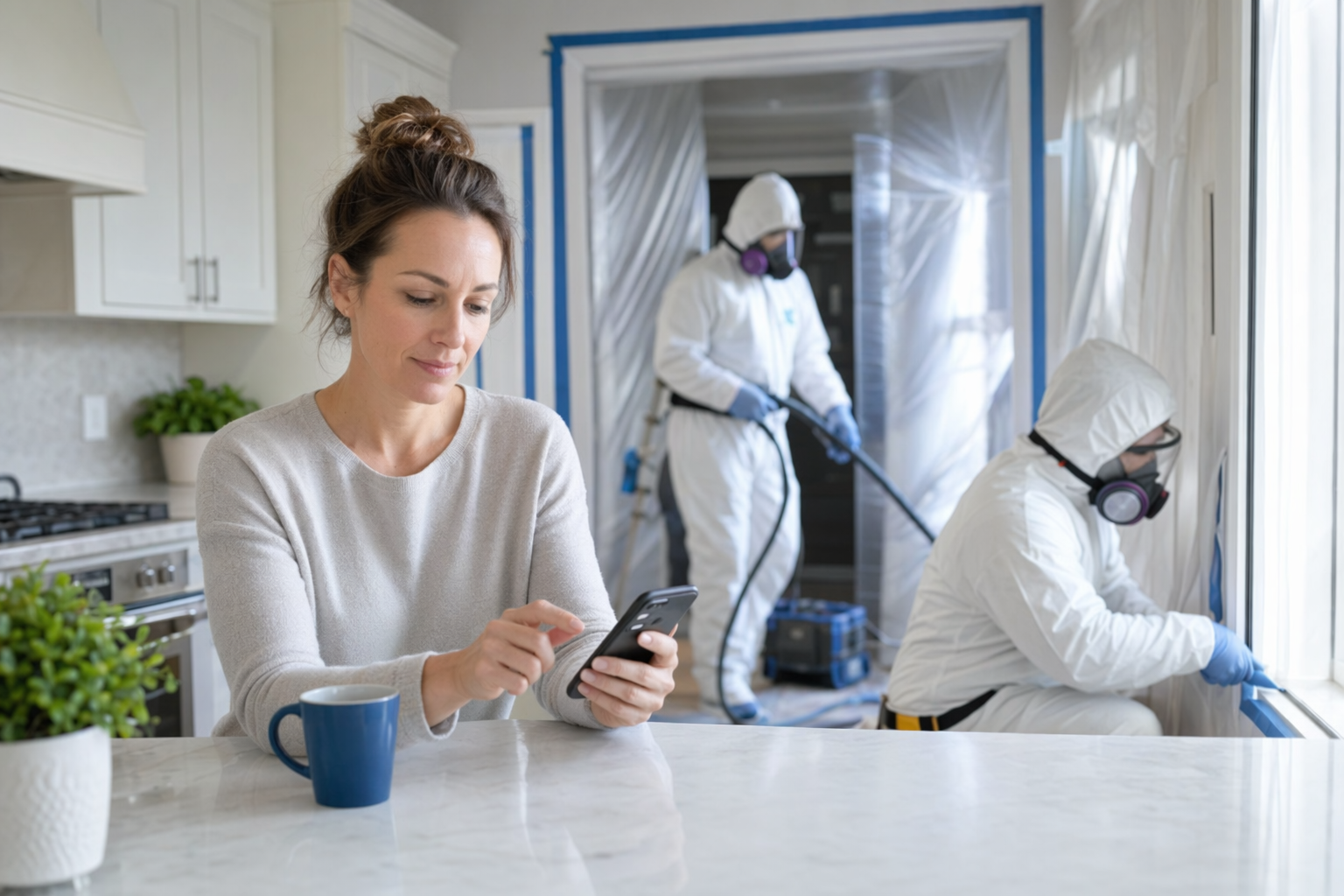
Common places asbestos hides in older homes
Asbestos wasn’t used in one single “thing.” It was added to different products to improve strength, insulation, and fire resistance. That means you can’t reliably tell by appearance—especially once materials are painted, covered, or damaged.
Here are frequent locations where asbestos was used, particularly in homes built before major bans and as materials were updated over time:
1. Flooring materials: old sheet vinyl, vinyl tile (and some “mastic” adhesive), textured/raised vinyl, and some linoleum backing.
2. Insulation: pipe insulation and boiler insulation; insulation in ducts or around furnaces.
3. Popcorn/textured ceilings: some older “acoustic” or sprayed textures may contain asbestos.
4. Ceiling and wall joint compound (patching/plaster products): some older wallboard and compound may contain asbestos.
5. Siding and exterior panels: certain cement-based siding, soffit, and exterior trim materials.
6. Pipe wrap and duct insulation: especially on older heating systems.
7. Heat-protective materials: around fireplaces, wood stoves, furnaces, and older boiler systems.
8. Roofing and shingles (less common than flooring/insulation, but possible): some older roof shingles and underlayment materials.
If you’re planning renovations, even small tasks matter. Asbestos dust can be released when materials are disturbed—through removal, demolition, sanding, or cutting.
If you want help locating appropriate professionals near you, you can use get-matched or browse our hazards resources to understand next steps.
Why “it looks fine” still isn’t a safe assumption
Asbestos can be present even if the material seems intact, covered with paint, or hasn’t been touched in years. The real risk is what happens when materials are disturbed and fibers become airborne.
A few scenarios that commonly lead people into trouble:
1. Renovation work: opening walls, removing old flooring, updating HVAC, replacing plumbing, or dealing with ceiling textures.
2. Repair work: scraping patch areas, removing old caulk/putty, or cutting drywall to access wiring or pipes.
3. Water damage: when wet or dried materials are disturbed during cleanup.
4. Demolition or “tear-out”: removing multiple layers (for example, tile over old flooring, or insulation behind panels) without knowing what’s underneath.
Because you can’t reliably identify asbestos by sight, the safest path is testing by a qualified pro before any disturbance.
How testing works (and what to ask for)
Professional asbestos testing generally involves collecting small samples using methods designed to avoid spreading fibers, followed by lab analysis. Lab results help you decide whether abatement is needed and what precautions to use.
When you contact a testing professional, ask:
1. Are you licensed/certified for asbestos sampling in my state?
2. Will samples be sent to an accredited lab (and can you share the lab’s accreditation details or reporting format)?
3. What areas and materials are included in the scope (for example: floor tile + mastic, insulation wrap, ceiling texture, or specific pipe locations)?
4. How will you prevent dust/contamination during sampling?
5. Will you provide a written report that clearly states whether asbestos is present and in what material types?
If you’re also concerned about lead paint: disturbing old paint in pre-1978 homes requires EPA [Lead RRP] (Renovation, Repair and Painting) certified practices. That’s separate from asbestos rules—so confirm you’re getting the right expertise for each hazard.
For more educational checklists and next steps, see guides and our planning resources in costs (to understand what typically affects pricing).
Verify licensing and avoid common asbestos red flags
Asbestos work is heavily regulated. Requirements vary by state and sometimes by local rules, but the key is that a qualified professional must be authorized to do the type of work in your area.
Before you hire anyone, verify:
- Testing credentials: the sampler’s license/certification for asbestos sampling in your state (or equivalent authorization).
- Lab accreditation: the lab should be accredited for asbestos analysis under recognized standards.
- Abatement credentials (if needed): the abatement contractor’s state licensing and proof of required containment and disposal practices.
Look out for red flags:
- “We’ll just scrape/sand it off” without containment planning or proper disposal.
- No visible license/certification information, or refusal to provide it.
- Pressure tactics: trying to scare you, pushing you to sign on the spot, or promising “guaranteed removal.”
- Cash-only offers or unclear written scope.
- Vague descriptions like “we’ll handle it” with no details about containment, air controls (when required), and waste handling.
A legitimate team can explain the process calmly, provide a written scope, and discuss how they’ll protect occupants and prevent dust spread.
What it may cost (typical ranges) and what changes the price
Costs vary widely based on how much material is involved, how hard it is to access, whether multiple rooms/material types are present, and whether additional controls are required for safety and disposal. Testing and abatement are separate steps in most cases.
Typical cost factors include:
1. Number of samples and materials tested (for example, flooring + mastic, ceiling texture, insulation areas).
2. Size/complexity of the area (small bathroom vs. whole-room renovation, exposed pipe runs, etc.).
3. Condition of materials (intact vs. damaged/crumbling).
4. Access and containment needs (work behind walls, tight spaces, occupied homes, stairs, and pathways).
5. Disposal requirements for asbestos-containing waste.
To get a realistic planning range, visit costs. Remember: ranges are not quotes, and your local market and project details drive the final number.
If you’d like help finding licensed/testing professionals near you, Abatewell is a free matching/directory service—use get-matched and share the type of concern, your ZIP code, and the rough age of the home.
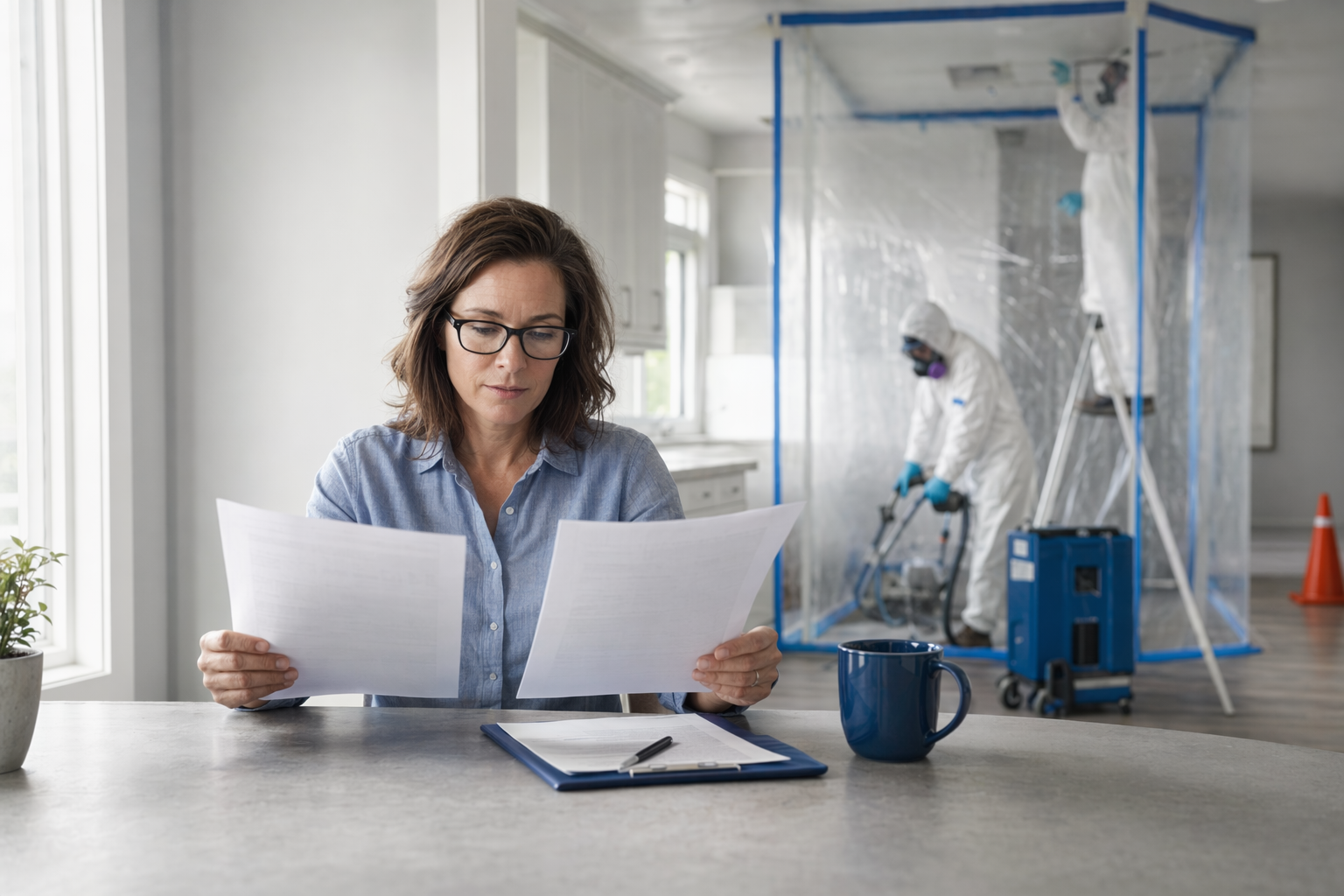
Common asbestos locations include old flooring, insulation, ceiling textures, siding, and pipe wrap—but the safest next step is to leave suspected material undisturbed and get accredited testing by a certified professional.
Common questions
Can I tell if something has asbestos just by looking at it?
Usually, no. Asbestos-containing materials can look similar to non-asbestos materials, and painting or damage can hide clues. The safe approach is to test by a licensed professional and get accredited lab results before any disturbance.
Is asbestos only in homes built decades ago?
Asbestos is more common in older homes, but it can still be present due to older materials being installed or updated over time. If your home has older building components (flooring, insulation, textures, siding, pipe wrap), testing is the only reliable way to know.
What’s the difference between lead testing and asbestos testing?
They’re different hazards with different rules and professionals. In pre-1978 homes, EPA Lead RRP requirements apply if you disturb painted surfaces, while asbestos work depends on state licensing and containment/disposal requirements. Confirm you’re addressing each hazard properly.
Should I clean up dust myself if I disturbed a suspected asbestos area?
Avoid further disturbance and limit spread (for example, keep people away and don’t track dust). Then contact a certified asbestos professional for guidance and assessment. If there’s a health concern—especially for a child—contact a doctor and/or your local health department.
How do I verify a pro is actually certified?
Check with your state’s licensing/certification board or the relevant agency for asbestos authorization (sampling and/or abatement). Ask for documentation, and confirm the lab’s accreditation for asbestos analysis. If they can’t provide verification, treat that as a red flag.