Guides
Testing vs. assuming the worst
Suspecting lead paint or asbestos can feel urgent—but the safest (and often most cost-controlled) choice is to test by a certified professional before you disturb anything. Here’s a clear compare: test first vs assume.
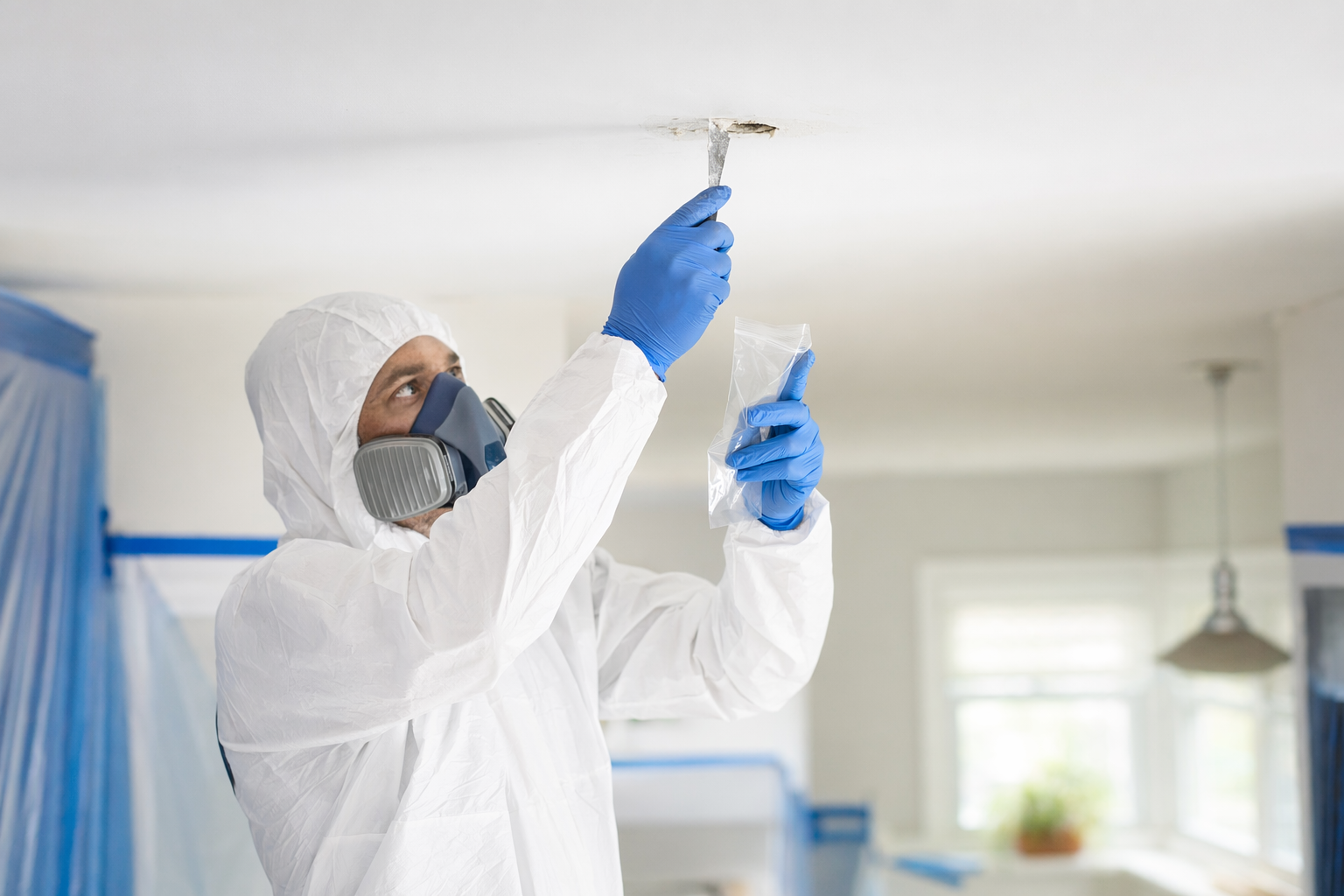
What to do right now (before you decide)
- Stop disturbing anything that may contain lead paint or asbestos (no sanding, scraping, drilling, demolition, or “just to see”).
- Keep people—especially children, pregnant people, and anyone with breathing problems—away from the area.
- Plan for certified testing before repairs or renovations. If you see damage (dust, crumbling material), improve ventilation only if it doesn’t spread dust.
- If you’re worried about possible exposure (for example, a child may have swallowed dust), contact a doctor and/or your local health department for guidance.
Abatewell is a FREE matching/directory service. We do not test, remove, or abate lead or asbestos, and we don’t give medical or legal advice. A licensed/certified pro should guide next steps based on your exact materials and situation.
If you’re unsure what’s suspected, start with the question: “Can testing be done without creating dust?” In most cases, the safest path is to contain your risk while you arrange testing and a plan for any necessary work.
- Don’t disturb suspected material—test first by a certified pro.
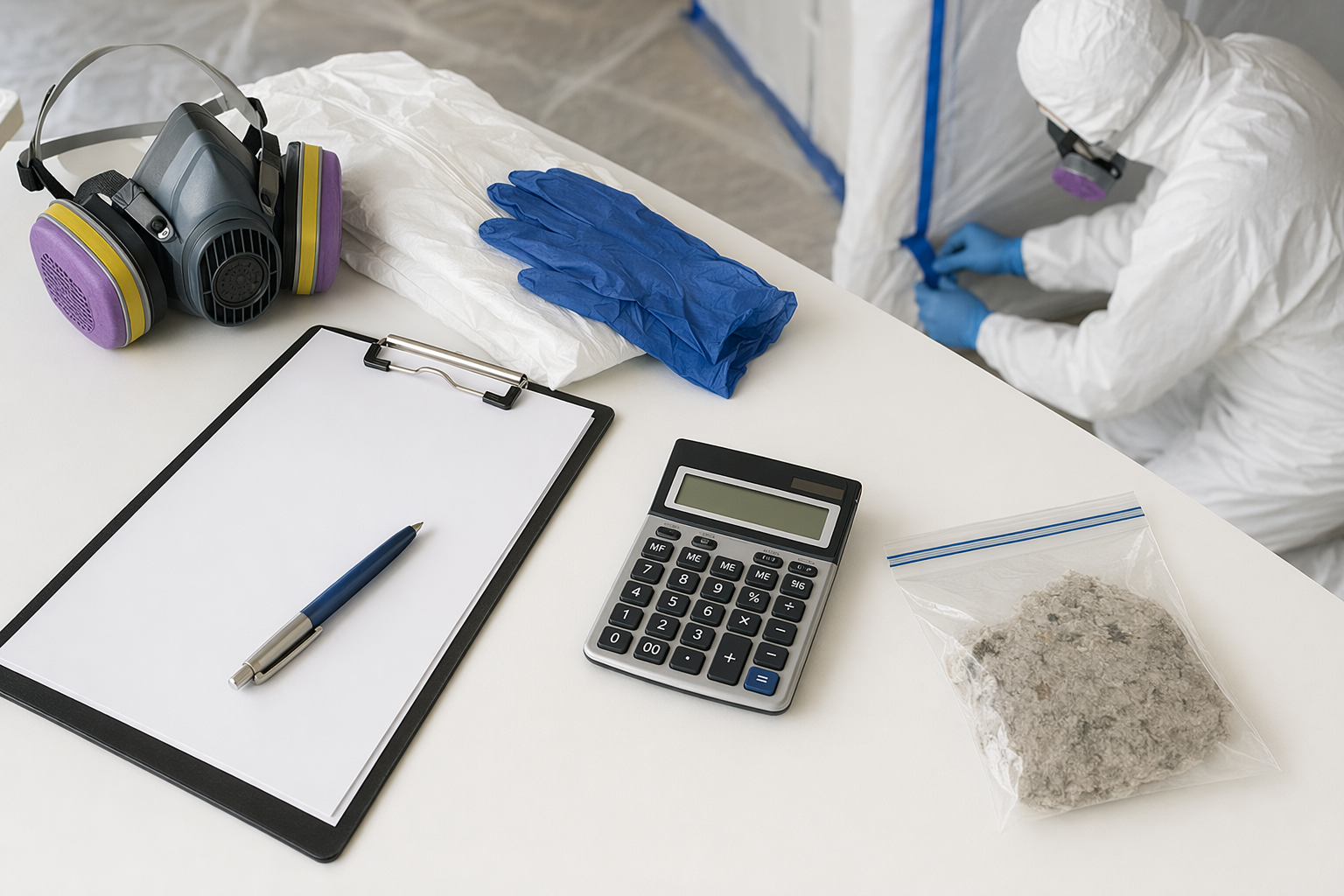
Option A: Testing first (certified sampling & lab results)
Testing means a qualified, properly equipped professional collects samples and sends them to an accredited lab (for asbestos) or uses appropriate certified methods for lead. The goal is to confirm what’s present, where it is, and how much is likely involved—so you’re not guessing.
When testing makes the most sense:
- Before any renovation, demolition, sanding, scraping, drilling, or cutting in older buildings (especially pre-1978 for lead paint).
- When there’s visible wear, cracking, peeling, or previous work that may have disturbed painted surfaces.
- When you need a clear scope for containment, disposal, and safe work practices.
- When you’re trying to control costs by avoiding unnecessary removal.
Important certification to watch for:
- Lead paint: If the work will disturb painted surfaces in a home built before 1978, ask about EPA [Lead RRP (Renovation, Repair and Painting)](https://www.epa.gov/lead) certification for the firm doing the job.
- Asbestos: Asbestos abatement/removal activities are typically regulated through [state asbestos licensing] and require trained, licensed professionals (requirements vary by state). Your testing and any later work should follow local rules for containment and disposal.
After testing, the same pro (or a separate licensed abatement contractor) should explain what the results mean and what safe options fit your situation—often including encapsulation, specialized removal, repairs that avoid generating dust, or abatement with containment and proper disposal. Abatewell can help you find professionals near you via get-matched.
- Testing helps you avoid both unnecessary work and unsafe shortcuts.
Option B: Assume the worst (skipping certified testing)
Assuming the worst can feel safer, but it often creates avoidable risks and costs. When you guess, you may either:
- Over-treat a problem (pay for removal/abatement you didn’t need), or
- Under-protect the situation (if the hazard is different than you assumed and you don’t follow the right controls).
When “assume” is sometimes used as a temporary step:
- If you must stop immediate hazards (for example, obvious damage releasing dust) while testing is arranged.
- If there’s an urgent safety issue where delaying action could expose people to dust—your local health department or a certified pro can advise what level of interim control is appropriate.
Common pitfalls with assumption:
- Rushing into work without containment and proper disposal procedures.
- Using non-certified “quick fixes,” like dry scraping or sanding, which can spread dust.
- Signing on quickly under pressure or being told to pay cash immediately.
Scam and red-flag patterns to watch for (for either lead or asbestos):
- No verifiable license/certification, no written scope, or “trust us” promises.
- Pressure to start immediately without assessment/testing.
- Claims like “we’ll just scrape/sand it off” with no containment plan.
- Fear tactics (“it’s definitely everything in the house”) instead of evidence.
If you do interim control before testing, the safest baseline is usually: minimize disturbance, keep people away, and arrange certified testing as soon as possible. Testing results then let you choose the correct next step—without guessing.
- Assuming can lead to unnecessary cost—or the wrong controls.
Compare outcomes: cost control, safety, and decision certainty
Here’s the practical comparison, without promising a “winner,” because your material and building conditions matter.
1. Safety certainty
- Testing (Option A): Identifies what’s actually present and where, so controls can match the real risk.
- Assuming (Option B): You may use stronger controls than needed, but you still don’t have proof—so you can’t be confident your plan matches the hazard.
2. Cost control (ranges, not quotes)
- Testing (Option A): Often costs less than unnecessary abatement because you only tackle confirmed hazards and can limit work to the affected areas. Total cost depends on access, number of areas sampled, and required lab/testing steps.
- Assuming (Option B): If you end up paying for removal/abatement you didn’t need, costs can rise sharply. If you guess wrong, you may also face rework and additional controls.
Typical cost ranges vary widely by location and building complexity. In many areas, testing is often a smaller share of total project cost than full abatement, but it’s not always cheap—especially when multiple locations or specialized sampling are needed. For rough planning, see costs and confirm details with a certified pro.
3. Fit for common “next steps” after results
- Lead: Sometimes encapsulation or repairs that address deteriorated paint may be appropriate, but the correct choice depends on the condition of surfaces and your planned renovation.
- Asbestos: Options may range from monitored containment to removal, but required containment, methods, and disposal procedures are heavily regulated. Only a state-licensed/properly authorized professional should recommend what’s safest and compliant for your situation.
The most reliable approach is: get certified testing, then decide with licensed professionals based on your results and your project scope. If you want to find the right experts, start with services and get-matched.
- The “best” choice depends on what’s actually in your home and what work you plan to do.
How to choose a certified pro (and avoid bad jobs)
Even with testing, the quality of the work depends on the professional. Before you hire, verify credentials yourself—rules vary by state and locality.
For lead and pre-1978 homes:
- Ask whether the firm doing any disturbance work is properly covered under EPA Lead RRP (Renovation, Repair and Painting) certification where required.
For asbestos:
- Ask which state licensing applies to the work being done in your area and verify the license/authorization directly with your state agency.
- For removal/abatement work, confirm there will be containment and proper waste handling/disposal.
Questions to ask any testing or abatement professional:
- What exactly are you sampling (and why)?
- How many areas/materials will be tested based on my renovation plans?
- How will you prevent dust spread during sampling and setup?
- Will you provide a written report with lab results (and what the results mean)?
- If abatement is recommended, what containment and disposal methods will you use?
- Can you provide documentation of license/certification and insurance?
Then compare options using the same standard: “What’s the scope, what’s the method, and how does it control dust?” A written plan helps prevent misunderstandings. If someone won’t explain their approach clearly, that’s a warning sign.
Abatewell can connect you to nearby professionals for lead and asbestos testing and abatement work—but you remain in control. You should verify certifications and choose the plan that best fits your results and budget.
- Verify licenses/certification yourself; ask for a written scope and dust-control approach.
Decision guide: which option fits your situation?
Use this quick guide to decide between testing first vs assuming while you wait.
1. Choose testing first (Option A) if:
- You’re planning any renovation, repair, or demolition in an older home.
- You suspect lead paint or asbestos but don’t have lab-confirmed results.
- You want a scope that matches the actual hazard.
2. Use “assume” only as a temporary safety pause (Option B) if:
- There’s an immediate need to reduce exposure while testing is being scheduled.
- A certified pro or your local health department tells you interim steps are necessary.
- You can keep people away and prevent dust disturbance until testing.
3. Don’t “assume” when it increases disturbance:
- Avoid any plan that requires sanding, scraping, cutting, or demolition before testing.
When you’re ready to move forward, Abatewell can help you find certified local experts through get-matched. For general guidance on the process, start with guides and read the steps you’ll want to follow after you get results.
Bottom line: testing first is usually the safest way to control both health risk and unnecessary cost—while assuming is best limited to short-term interim precautions until certified testing confirms what you’re dealing with.
- Testing first is the default for renovation decisions; assume only as a temporary safety pause.
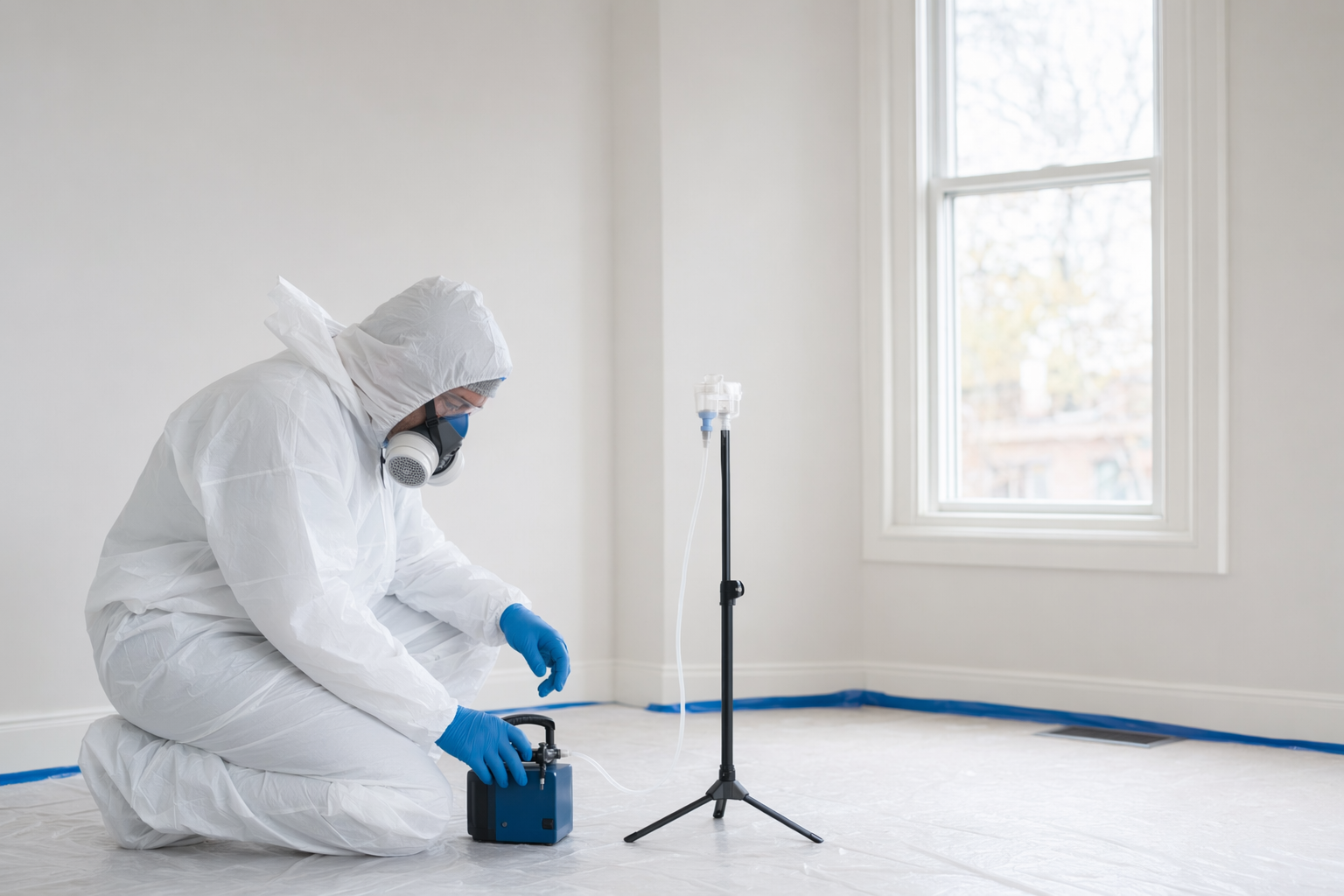
Test first with certified professionals before you disturb suspected lead paint or asbestos—this is usually the safest way to control risk and avoid unnecessary, costly work.
Common questions
Is it really worth paying for certified testing if I’m pretty sure it’s lead or asbestos?
Yes—certified testing provides evidence, so you can choose the safest and most appropriate plan instead of guessing. It can also help you avoid paying for removal you don’t need (or using the wrong controls).
What’s the difference between encapsulation and removal?
Encapsulation typically means sealing or covering hazardous material so it’s less likely to release fibers/dust, while removal removes the material entirely using regulated methods. Which option fits depends on the material condition, location, and your renovation plans—so a certified professional should recommend a plan based on your test results.
Can I test or remove it myself to save money?
It’s not recommended. Testing and especially any disturbance/removal require the right procedures to prevent dust spread and to meet state/local rules for disposal. Using certified pros helps protect your household and keeps work compliant.
How do I verify a lead or asbestos professional is actually certified?
Verify licenses/certification yourself with the appropriate agency (for lead work, look for EPA Lead RRP coverage where required; for asbestos work, confirm state licensing/authorization). Also ask for proof of insurance and request a written scope.