Quick answers
What is EPA RRP certification?
EPA RRP certification is the federal training that helps contractors follow safety rules when disturbing painted surfaces in most pre-1978 homes. It’s not a license to “remove lead,” but a way to prove proper lead-safe work practices.
What to do right now if you suspect lead paint
If you suspect lead paint in your home, the safest first step is to NOT disturb it. Don’t sand, scrape, cut, drill, or demo it, because that can create dangerous dust.
- Keep children and anyone who may be more vulnerable away from the area.
- Close doors/contain the space if you can do so safely (without working on the material).
- Get a licensed, certified lead professional to test/inspect before you start any work.
If a child may have been exposed, contact a doctor and/or your local health department. This page is general guidance—not medical advice.
- Don’t disturb suspected lead paint (no sanding/scraping/demolition).
- Test first with a certified professional.
EPA RRP certification—plain-language meaning
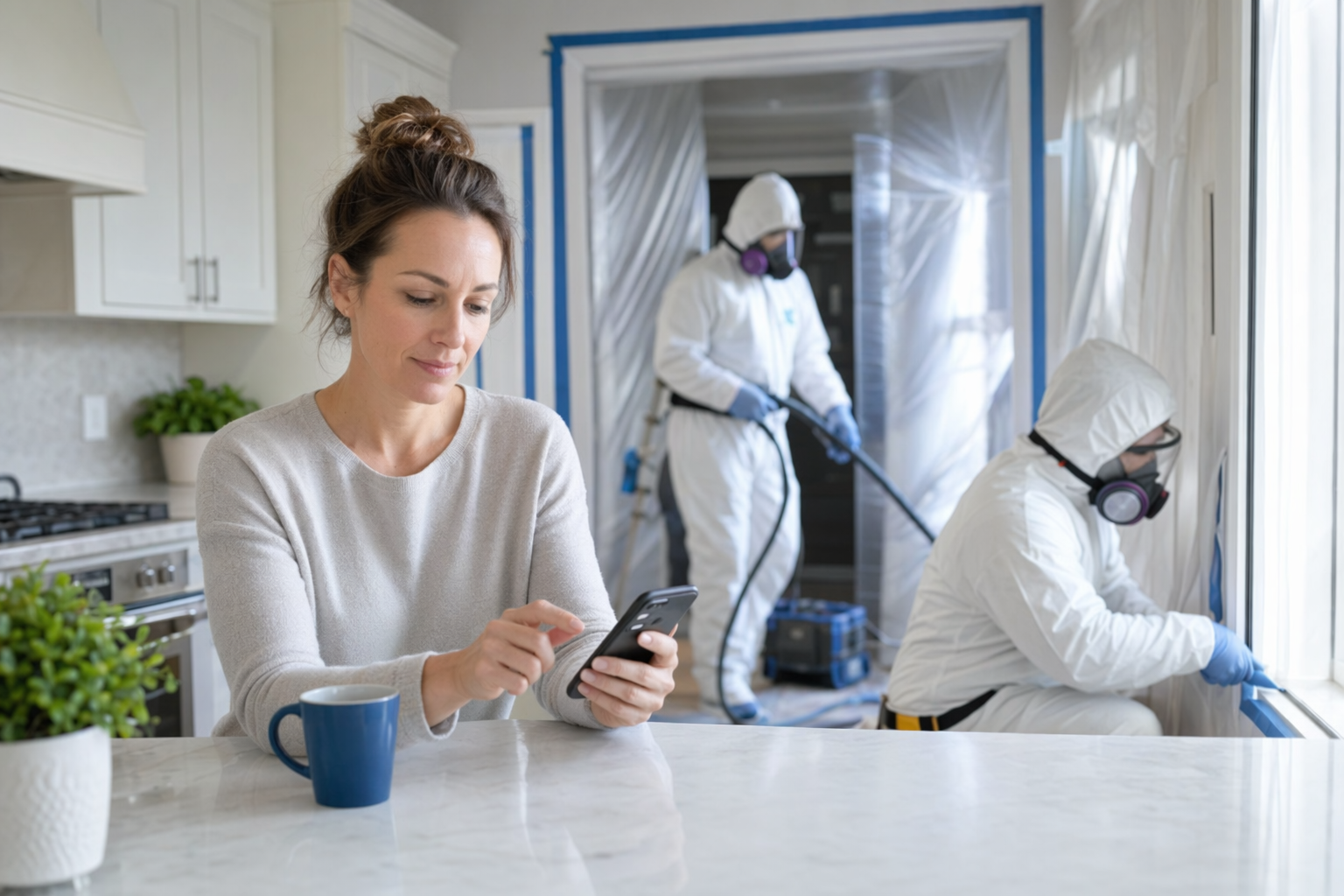
EPA RRP stands for “Renovation, Repair and Painting.” In many cases, if your home was built before 1978, federal rules require that contractors follow specific lead-safe work practices when they disturb painted surfaces.
EPA Lead RRP certification is training that shows a contractor understands how to prevent lead dust and chips from spreading during renovations. It includes requirements for work practices, cleanup, and worker safety.
Important: EPA RRP is about how work is done. It is not the same as (1) asbestos licensing or (2) a testing lab certificate. Also, Abatewell does not test or remove lead paint—we help you find appropriate pros.
- RRP = lead-safe practices for disturbing painted surfaces (often pre-1978 homes).
- It’s training for contractors’ methods—not asbestos licensing, and not testing.
When RRP is usually required (and when it may not be)
EPA RRP is typically triggered when a contractor performs renovation, repair, or painting that disturbs painted surfaces in target housing (often pre-1978) or certain child-occupied facilities.
If the work involves disturbing paint (for example: replacing windows, removing cabinets, sanding, scraping, drilling, or demolition), that’s where lead-safe containment and cleanup matter most.
However, whether a specific job falls under RRP can depend on your building type, date, and the exact tasks. Always ask your contractor to explain how their work complies with the applicable rules—and verify their credential yourself.
- Disturbing paint (windows, drilling, sanding, demolition) is where lead safety rules matter most.
- Rules vary by situation—ask for clear compliance and verify certification.
What “good” lead-safe work looks like (containment + cleanup)
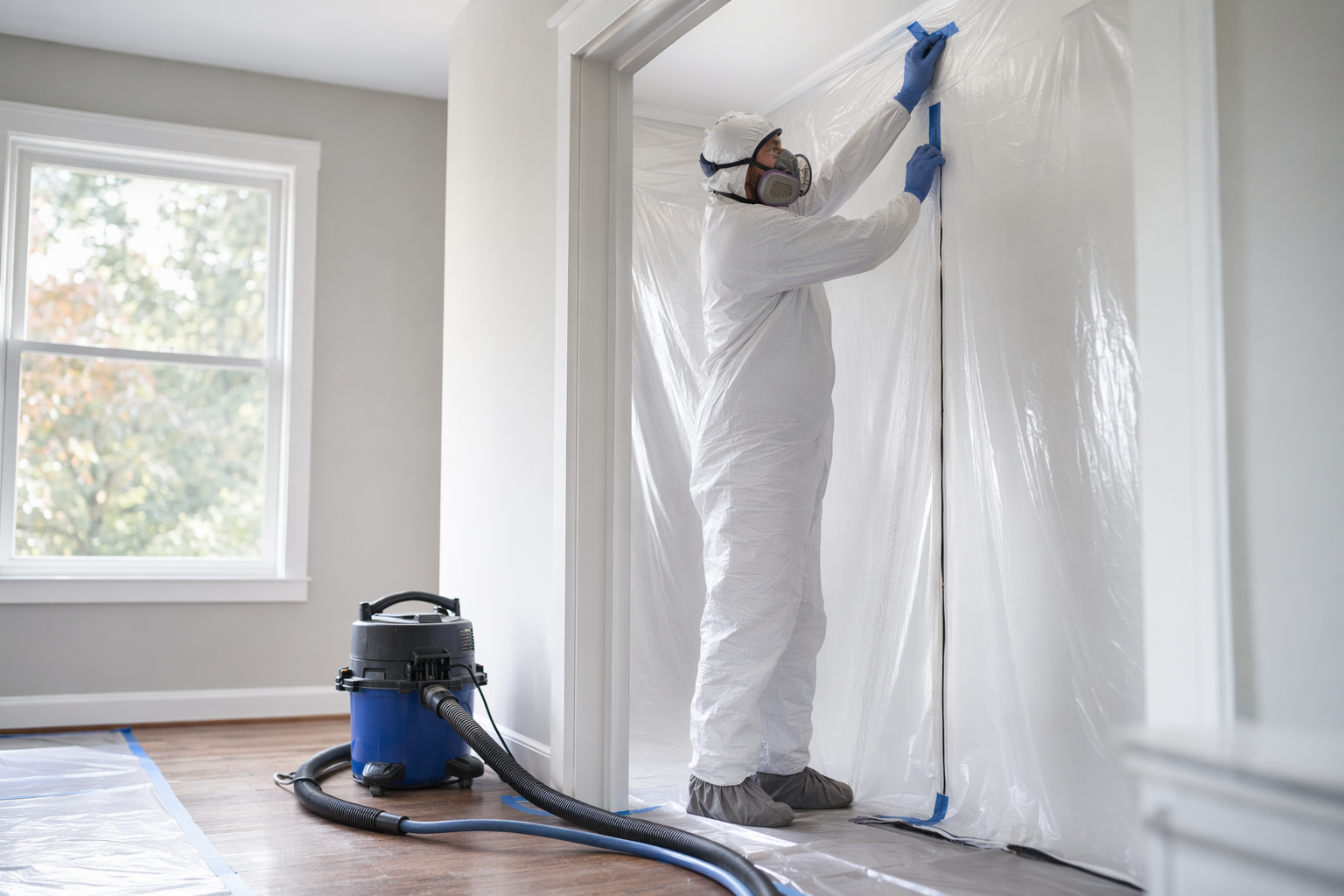
A compliant RRP approach focuses on preventing lead dust and debris from spreading to other rooms or being carried out on clothing/shoes. Ask what containment and cleanup steps they will use before any work begins.
Common elements include:
- Containment of the work area (for example, sealing off doors/vents and using plastic sheeting where appropriate)
- Using the right methods to minimize dust (not dry scraping/sanding)
- Careful cleanup, often including visual cleanup and specialized cleaning steps
- Proper handling/disposal of waste and debris
Your contractor should also explain how they will protect workers and occupants during the project. If they downplay the hazard or suggest you can just “scrape/sand it off,” treat that as a red flag.
- Lead-safe work prioritizes dust containment and proper cleanup/disposal.
- Ask for the method—not just “we’re certified.”
How to verify an EPA RRP credential (and state asbestos licensing separately)
Because Abatewell is a directory/matching service, we can help you find candidates, but you must verify credentials yourself. For lead RRP, you want proof that the contractor (and relevant staff) has the required EPA certification.
For lead (EPA RRP), verification steps typically include:
1. Ask the contractor for their EPA RRP certification details (who is certified and what category/timeframe applies).
2. Check against EPA’s certification/firm information resources when available, or confirm through the training provider’s documentation.
3. Request proof of insurance and any additional documentation they rely on.
For asbestos (separate from lead): asbestos work is regulated under state licensing and rules. If asbestos is a concern, you should verify that the provider is properly licensed in your state for the specific type of work, and confirm they have the required containment and disposal practices for asbestos waste.
- Verify EPA RRP certification details yourself—don’t rely on verbal claims.
- Asbestos is separate: verify state licensing before any disturbance.
Costs and red flags: what to expect and what to avoid
Costs vary widely based on what’s disturbed (surface area), access, how much cleanup/containment is required, waste disposal needs, and your local market. Testing and inspection can also affect the total. Typical ranges (not quotes) often look like:
- Lead risk assessment or dust/lead testing: commonly a few hundred dollars to over a thousand, depending on scope and lab/testing requirements.
- Lead-safe renovation work: commonly ranges from several hundred to several thousand+ for many projects; complex jobs can be higher.
- Asbestos-related testing/abatement: can be substantially higher, especially with proper containment, clearance testing, and disposal.
Red flags to watch for:
- No clear certification/license shown or refusal to provide documentation
- “We’ll just scrape/sand it off” with no containment plan
- Pressure to sign immediately or scare tactics (“your home is definitely toxic—pay now”)
- Cash-only payments or no written scope
- No mention of required containment and proper disposal
If you’re hiring for a lead or asbestos concern, get the scope of work and expected compliance steps in writing. You can also use Abatewell’s get matched to connect with licensed/certified professionals near you—but always verify their credentials yourself.
- Prices vary a lot; ranges are not quotes, and the job scope drives the cost.
- Avoid unlicensed/unclear pros and anyone who won’t explain containment + cleanup.

EPA RRP certification is training that helps contractors do lead-safe renovations when disturbing paint in many pre-1978 homes—get the right certified pro, keep people away, don’t disturb suspected material, and verify credentials yourself.
Common questions
Does EPA RRP certification mean the contractor is allowed to remove lead paint?
EPA RRP certification is specifically about following lead-safe work practices when disturbing painted surfaces in covered homes. It’s not the same as a lab testing credential, and it doesn’t replace other requirements that may apply to different hazards (like asbestos), permits, or state rules.
If my home was built after 1978, do I still need RRP?
If the home truly was built after 1978 and no older materials were used, the risk may be lower. But for renovations that involve multiple buildings/structures, older additions, or uncertain dates, you should still ask a certified professional to confirm what’s present before disturbing materials.
Can I test lead myself with a kit?
Some home test kits exist, but they may not be as reliable as accredited lab testing or professional assessments—especially when results affect safety decisions. If you’re worried about children or exposure, consider getting an inspection/testing plan from a qualified, certified pro and follow their recommendations.
What about asbestos—does RRP cover that too?
No. EPA RRP is for lead-safe practices. Asbestos is regulated separately, usually with state-specific licensing and strict requirements for containment and disposal. If asbestos is suspected, verify state asbestos licensing and have it tested before disturbing materials.
How can Abatewell help if you don’t test or remove materials?
Abatewell is a FREE matching/directory service that helps you find licensed, certified lead and asbestos testing and abatement professionals near you based on your ZIP and concern. The professionals do the testing/removal; you should verify licenses/certifications yourself.