Quick answers
What does lead or asbestos encapsulation mean?
Encapsulation means sealing a hazardous material so dust or fibers are less likely to escape. It can be a valid option in some cases, but suspected lead paint or asbestos should not be disturbed and should be evaluated first by a properly certified professional.
What to do right now
If you think a surface or material may contain lead paint or asbestos, do not sand, scrape, drill, cut, or tear it out to “see what’s underneath.” Disturbing it can release dangerous dust or fibers into the air.
Keep children, pets, and other people away from the area as much as you can. If the material is damaged, crumbling, or already disturbed, avoid touching it and contact a properly certified testing or abatement professional.
Before any renovation, repair, painting, or demolition, have the material evaluated and, when needed, tested by an accredited lab through a qualified professional. If you are worried about possible lead exposure in a child or anyone in the home, contact a doctor or your local health department.
In plain English: what encapsulation means
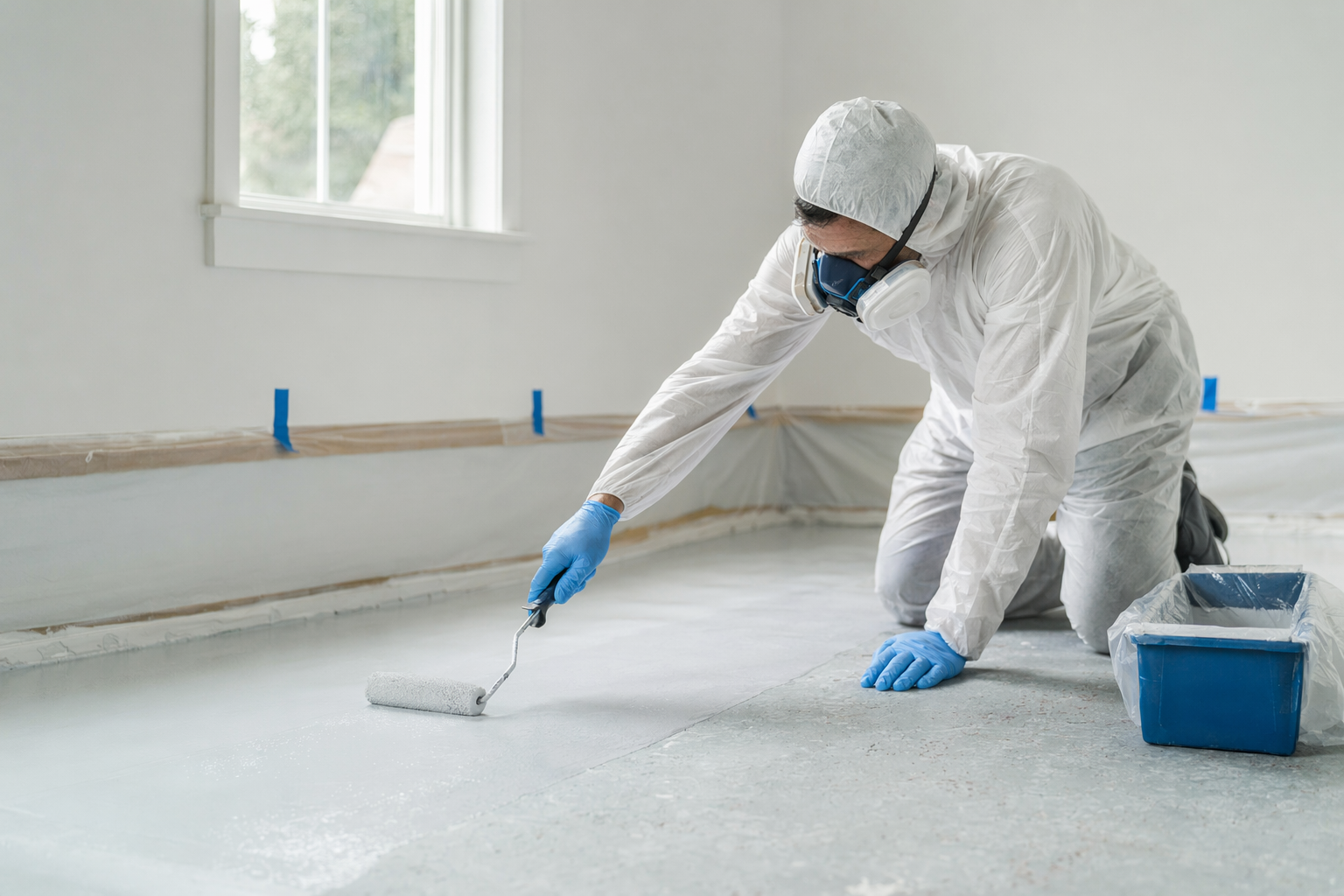
Encapsulation means covering or sealing a hazardous material so it is less likely to release lead dust or asbestos fibers. It is not the same as removing the material. The hazardous material usually stays in place.
For lead paint, encapsulation usually means applying a special coating over intact lead-based paint so the old paint is sealed under a durable barrier. For asbestos, encapsulation usually means using a product designed to bind or seal asbestos-containing material so fibers are less likely to break loose.
This can sometimes be a reasonable management option when the material is in good enough condition, can be safely sealed, and is not likely to be disturbed later. But it is not a do-it-yourself safety shortcut. The right method depends on the material, its condition, where it is, and what work is planned.
When encapsulation may help — and when it may not
Encapsulation is often considered when the material is still fairly stable and leaving it in place is safer than removing it right away. For example, a pro may consider it for intact lead-painted surfaces that are not peeling badly, or for certain asbestos-containing materials that are not badly damaged and can be properly sealed.
It may not be a good option if the surface is deteriorated, friable, flaking, water-damaged, exposed to heavy wear, or likely to be cut, sanded, drilled, or demolished later. In those cases, sealing over the problem may fail, hide damage, or make future work more complicated.
Encapsulation also does not make the hazard disappear forever. It may need monitoring, maintenance, and clear records so future owners, tenants, or contractors know the material is still there. A certified professional can explain whether encapsulation, enclosure, repair, or removal makes the most sense for your situation.
Lead vs. asbestos: important differences
Lead and asbestos are both serious hazards, but they are handled under different rules and with different work practices. Lead is often a concern in paint in homes built before 1978. If renovation, repair, or painting will disturb painted surfaces in a pre-1978 home or child-occupied facility, EPA Lead RRP rules often apply, and the firm should be EPA-certified with trained renovators following lead-safe work practices.
Asbestos is commonly found in older insulation, pipe wrap, textured materials, flooring, siding, roofing, and other building products. Asbestos abatement licensing is usually handled at the state level, and the exact license required can depend on the type of material and the work being done.
For both hazards, proper containment, cleanup, and disposal matter. Testing should be done correctly, and lab analysis should be performed by an accredited laboratory when required. Because rules vary by state and locality, always confirm requirements with your state or local authority and the professional you hire.
How professionals decide if encapsulation is appropriate
A qualified professional usually looks at what the material is, what condition it is in, where it is located, and whether people are likely to touch it or disturb it during normal use or future renovation. They may recommend testing first so everyone knows exactly what is present before a plan is made.
For lead paint, they may evaluate the condition of the painted surface, friction and impact areas like windows and doors, and whether a special encapsulant coating is suitable. For asbestos, they may look at whether the material is non-friable or friable, whether it is damaged, and whether sealing it would actually reduce risk or create problems later.
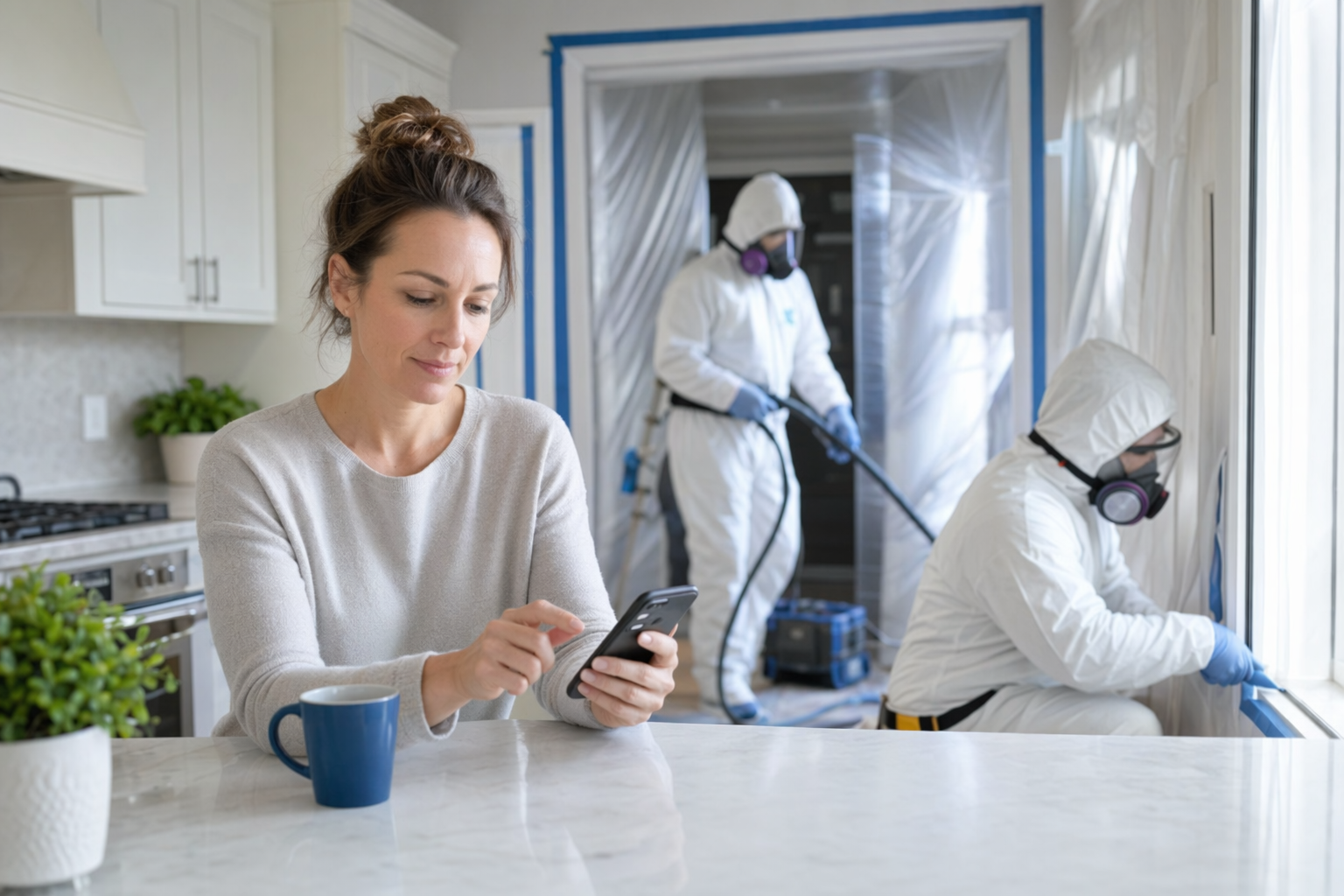
If encapsulation is chosen, the work should still be done using the right preparation, containment, cleanup, and disposal steps for that hazard. This is one reason not to accept casual promises like “we’ll just paint over it” or “we’ll just spray something on it.” A real plan should match the material and the law.
Cost, red flags, and how to find a certified pro
Costs vary a lot. Testing may cost roughly a few hundred dollars for a small, straightforward visit, while larger or more complex projects can cost more. Encapsulation itself can range from a few hundred dollars for a limited area to several thousand dollars or more depending on the material, square footage, access, prep, containment, local labor rates, and required cleanup and disposal. These are general ranges, not quotes. You can read more at costs.
Watch for red flags: no license or certification, no discussion of containment, no written scope, pressure to sign immediately, cash-only demands, or someone saying they will simply scrape, sand, or dry-remove the material. Those are major warning signs.
Before hiring anyone, verify their certification or license yourself. For lead work that disturbs paint in pre-1978 homes, ask whether the firm is EPA Lead RRP certified and confirm it through EPA or your state program where applicable. For asbestos, ask for the contractor's state asbestos license and verify it with the state agency that regulates asbestos work. Also confirm insurance, ask where samples will be analyzed, and get the scope and price in writing.
Abatewell is a free matching and directory service, not a contractor, testing lab, or law firm. We do not test for, remove, or abate lead or asbestos. We help you find local licensed or certified professionals to contact, and it is always free for the homeowner. If you want help getting started, use get matched or browse more plain-language answers and guides.
- Do not disturb suspected lead paint or asbestos before testing
- Verify EPA lead certification or state asbestos licensing yourself
- Get the scope, containment plan, and price in writing
- General information only; rules and costs vary by state and project

Encapsulation means sealing lead paint or asbestos in place, but you should not disturb suspected material and should have a certified professional evaluate it first.
Common questions
Is encapsulation the same as removal?
No. Encapsulation means sealing the material in place to reduce the chance of dust or fibers being released. Removal means taking the hazardous material out, which is a different type of job with different risks and rules.
Is it safe to just paint over lead paint or asbestos?
Not necessarily. Ordinary paint is not the same as a proper encapsulation system, and covering a hazardous material without the right prep and evaluation can fail or create new problems. Suspected material should be evaluated first by a properly certified professional.
Can I encapsulate lead paint or asbestos myself?
It is usually safest not to. Disturbing the material during prep can release lead dust or asbestos fibers, and the work may be regulated. Before doing anything, have it evaluated and follow the rules that apply in your state and to your project.
How do I know if encapsulation is allowed for my situation?
That depends on the material, its condition, where it is, and what work is planned. A certified professional can assess the situation, and you should also confirm applicable state or local rules yourself because requirements vary.
How do I verify a contractor is really qualified?
Ask for the firm's certification or license number and verify it yourself with EPA or the relevant state agency. Also ask for proof of insurance, a written scope of work, how they will contain the area, and where testing will be done.
What if my child may have been exposed to lead?
Contact your child's doctor or your local health department as soon as possible. Abatewell is not a medical service, and medical concerns should be handled by a healthcare professional.