Quick answers
How do I know if my home has lead paint?
You usually cannot tell for sure just by looking. If your home may have old paint, the safest step is to not disturb it, keep people away from peeling or damaged areas, and have it tested by a certified professional first.
What to do right now
The short answer: you cannot confirm lead paint by sight alone. Older paint, especially in homes built before 1978, may contain lead, but a test is the only way to know.
Until you know, do not sand, scrape, drill, cut, or demolish painted surfaces. Keep children and pregnant people away from peeling, chipping, or dusty areas, and clean up loose dust gently without creating more dust.
If you need help finding a pro, Abatewell is a free matching and directory service. We are not a contractor, testing lab, or law firm, and we do not test for or remove lead paint ourselves.
Signs that make lead paint more likely
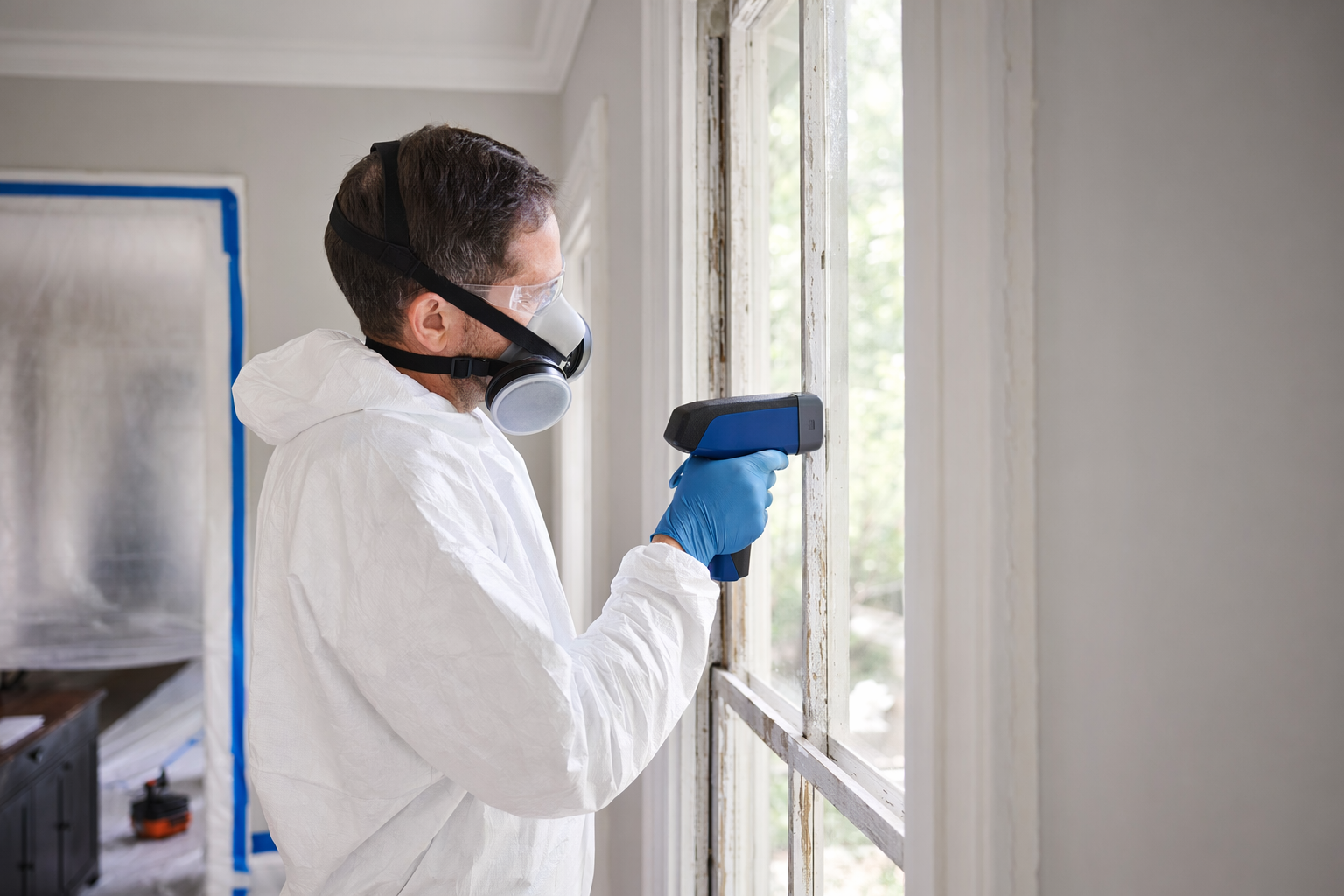
Lead paint is more likely in older homes, especially homes built before 1978. It may be on windows, trim, doors, baseboards, porches, railings, stairs, cabinets, and older exterior siding. Layers of old paint under newer paint can still be a problem if they are disturbed.
Peeling, cracking, chalking, or rubbing paint can create dangerous lead dust. Windows and doors are common trouble spots because painted surfaces rub together and make dust even when the paint does not look terrible.
That said, appearance is not enough. Newer paint can cover older lead paint, and paint that looks fine can still contain lead underneath.
How lead paint is actually confirmed
To know for sure, you need proper testing. A certified lead professional may use an XRF device, collect paint chip samples, or take dust samples depending on the situation. Samples should go to an accredited lab when lab testing is used.
If you are planning repairs or renovation, testing before the work starts is especially important. Disturbing painted surfaces without knowing what is there can spread lead dust through the home.
- Ask whether the pro does lead testing, lead inspection, risk assessment, or dust sampling.
- Ask what kind of test they will use and whether samples go to an accredited lab.
- Ask for the findings in writing so you understand where lead was found and what needs to happen next.
If a child may have been exposed to lead dust or paint chips, contact a doctor or your local health department. Abatewell provides general educational information only, not medical advice.
Why testing first matters before renovation or repair
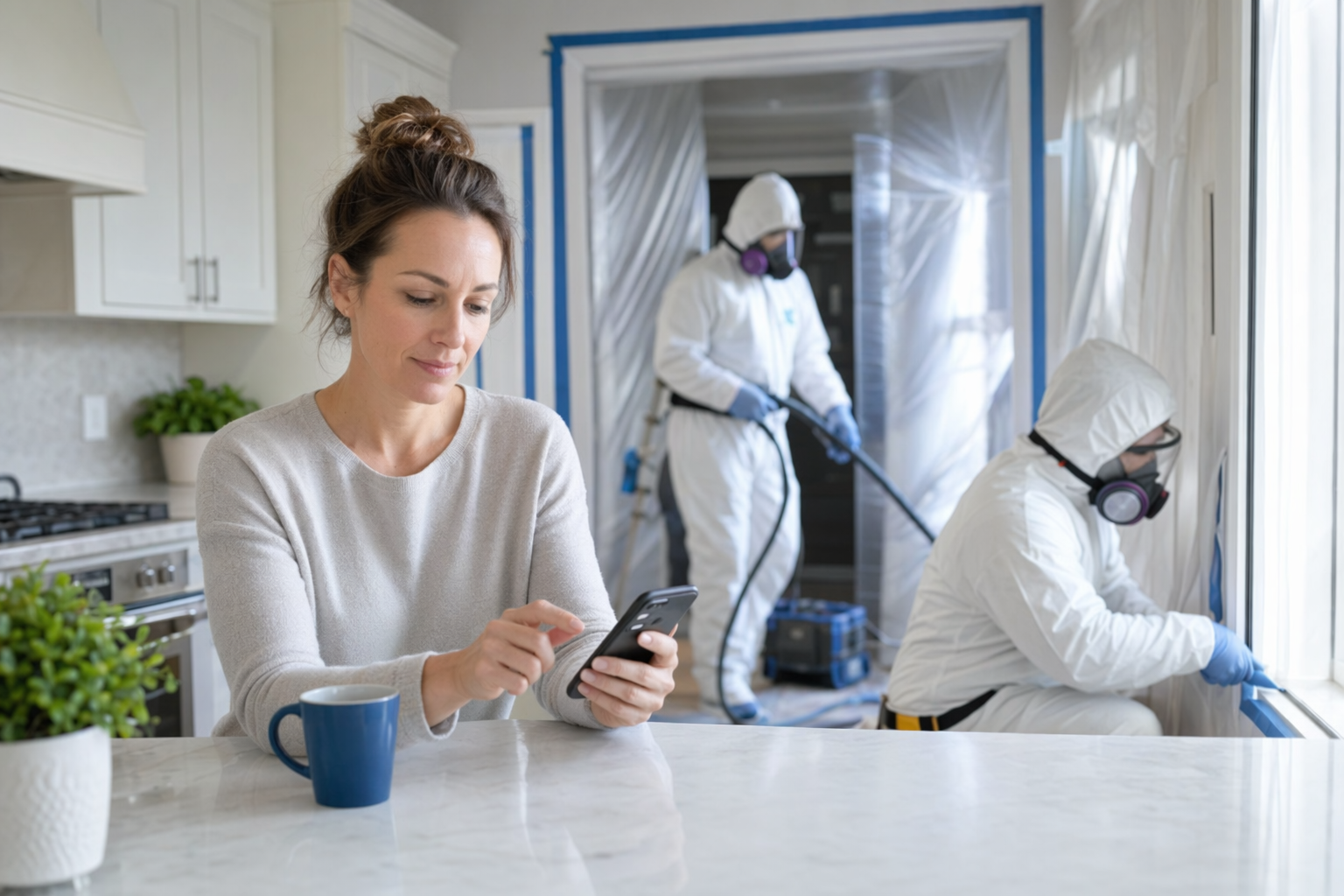
In pre-1978 homes, work that disturbs paint is heavily regulated. Contractors doing renovation, repair, or painting that disturbs painted surfaces are often required to follow EPA Lead RRP rules. That means proper training, cleaning, and work practices designed to reduce dangerous lead dust.
If someone says they can "just sand it off" or scrape it quickly without containment and careful cleanup, that is a serious red flag. The safest approach is test first, then decide on the right next step.
If your project also involves old pipe wrap, popcorn ceiling, old floor tile, insulation, or other suspect materials, asbestos may also be a concern. Asbestos work is separately regulated and usually requires state licensing, containment, and proper disposal. Do not let anyone disturb suspected asbestos either.
How to choose and verify a qualified professional
Do not rely only on a website, ad, or verbal promise. Verify the professional's certification or license yourself with your state or the EPA, and confirm they carry insurance. Rules vary by state and locality, so ask what applies where you live.
Good questions to ask:
- Are you EPA Lead RRP certified for work that disturbs paint in pre-1978 homes?
- Do you perform lead testing or inspections, and what certification do you hold for that work?
- Will you use containment and lead-safe cleanup if work is needed?
- Will testing be done by or sent to an accredited lab when required?
- Can you provide your certification, license information, and proof of insurance?
Red flags to watch for:
- No license or certification
- "We do not need to test first"
- "We will just scrape or sand it off"
- No containment plan
- Cash-only deal
- Pressure to sign right away
- Scare tactics or very vague pricing
Get the scope of work and price in writing. If you want help finding someone to contact, you can use Abatewell's free get matched service.
What testing and next steps may cost
Costs vary a lot by your area, the size of the home, how many surfaces need testing, access, and whether you need paint, dust, or multiple sample types. These are not quotes.
As a rough guide, small lead paint or dust testing jobs may start in the low hundreds of dollars, while more complete inspections or multiple samples can run higher. If lead-safe repair or abatement is needed, the price depends on how much material is involved, the method used, containment, cleanup, and disposal requirements.
The real number can only come from a certified local professional after they understand the project. You can read more about typical ranges on our costs page and browse more plain-language help in answers and guides.
Abatewell is free for homeowners. We only collect basic contact and project-intent details such as your name, phone, optional email, concern type, ZIP code, rough home age, and preferred language so you can connect with participating professionals.

You usually cannot know by looking, so do not disturb old paint—have a certified professional test it first and verify their credentials yourself.
Common questions
Can I tell if paint has lead just by looking at it?
No. Old paint may contain lead, but you cannot confirm it by appearance alone. The safest step is not to disturb it and to have it tested by a certified professional.
Does a home built before 1978 automatically have lead paint?
Not automatically, but the chance is higher. Many pre-1978 homes have lead paint somewhere, often under newer layers, so testing is the best way to know.
Is peeling paint more dangerous than paint in good condition?
Yes, peeling or damaged paint is more concerning because it can create chips and dust. Friction surfaces like windows and doors can also make lead dust even when paint does not look badly damaged.
Who should test for lead paint?
Use a properly certified lead professional and verify their credentials yourself with your state or EPA where applicable. If renovation will disturb paint in a pre-1978 home, ask about EPA Lead RRP certification too.
Should I use a home test kit from the store?
A store kit may seem convenient, but it may not give the clear answer you need for a real decision. For a home sale, renovation, or a child's exposure concern, professional testing is usually the safer and more reliable choice.
What if my child may have been exposed to lead dust?
Contact a doctor or your local health department as soon as possible. Abatewell does not provide medical advice, but possible exposure in a child should be taken seriously.