Quick answers
Do I have to disclose lead paint when selling?
Maybe. In many places, sellers must disclose known or suspected lead paint hazards, especially for older homes. This guide explains what to do next, what rules often apply, and how to find licensed testing/abatement help near you.

What to do right now (if you suspect lead paint)
If your home is older and you suspect lead paint, avoid sanding, scraping, or “quick fixes” while you’re figuring out disclosure.
- Keep people (especially children and pregnant people) away from the area.
- Don’t disturb: no sanding, drilling, demolition, or dry scraping.
- Get testing first from a certified lead testing professional (lab testing of dust/paint samples is common).
- If there’s active peeling/chipping, consider contacting your local health department for guidance.
Abatewell is a free matching/directory service—we don’t test or remove lead paint. A qualified pro can help you confirm what’s present and what your next steps should be.
Do you have to disclose lead paint when selling?
In the U.S., disclosure rules vary by state, city, and sometimes the type of transaction. Many places require sellers to disclose known lead-based paint hazards or information they have.
What “known” can mean:
- You previously had lead testing results.
- There’s visible peeling/chipping paint, evidence of prior lead hazards, or documented repairs.
- You were told about lead hazards by a contractor, inspector, landlord, or prior owner.
Even if you don’t have results in hand, it’s important to be careful. If you suspect a hazard and don’t disclose, you may still create risk—especially if the home is pre-1978 (lead paint is most common in that period). The most practical step is to confirm what’s going on with testing before you make assumptions.
Because rules depend on your location and the specifics of your home sale, this page is general education, not legal advice. If you need legal answers for your address, consider contacting a qualified attorney or your local housing/consumer agency.
How lead-related sale requirements usually work (high level)
Many buyers and sellers think about lead in terms of three different needs: disclosure, testing/inspection, and safe work practices.
1) Disclosure: Typically involves providing information and documentation you have, and sometimes specific warning language and timelines.
2) Testing/inspection: If testing is done, it should follow accepted methods and be performed by qualified professionals using appropriate sampling and accredited lab processes.
3) Renovation/safety rules: If you plan to do repairs before closing or to prepare the home for sale, you may need an EPA Lead RRP (Renovation, Repair and Painting)–certified contractor if disturbing painted surfaces in a pre-1978 home.
Important reminder: even if a rule doesn’t clearly require you to test, disturbing suspected material can create new hazard. Testing first is usually the safer route.
What to look for in a certified pro (verify yourself)
Lead work and testing are regulated, and the safest path is to hire someone who can verify their credentials and follow proper safety procedures. Don’t rely on promises—verify.
For lead (common credential):
- Look for EPA Lead RRP certification for contractors who disturb painted surfaces in pre-1978 homes (this is about safe work practices).
For asbestos (sometimes relevant in older homes):
- Asbestos abatement is state-licensed. Requirements vary by state, and proper containment and disposal are essential.
Verification checklist you can use before signing anything:
- Ask for proof of certification/license number and coverage.
- Confirm the credential directly with the agency that issued it (EPA for Lead RRP; your state for asbestos licensing).
- Ask about insurance (general liability and any job-specific coverage) and get it in writing.
If a contractor says they can “just scrape/sand it off” without containment, proper controls, and required certifications, treat that as a red flag.
If you’re getting testing or doing repairs before closing
Testing can help you make informed disclosure decisions and avoid costly surprises later. It can also guide what safety steps are truly needed.
- Ask the tester what they will sample (paint, dust, or other materials) and how results will be reported.
- Confirm whether they use an accredited lab for analysis.
- Request a written scope of work and explain what will be done before/after testing.
If you must do repairs to prepare the home for sale, make sure any disturbing work follows required safety rules.
Common safety expectations (general):
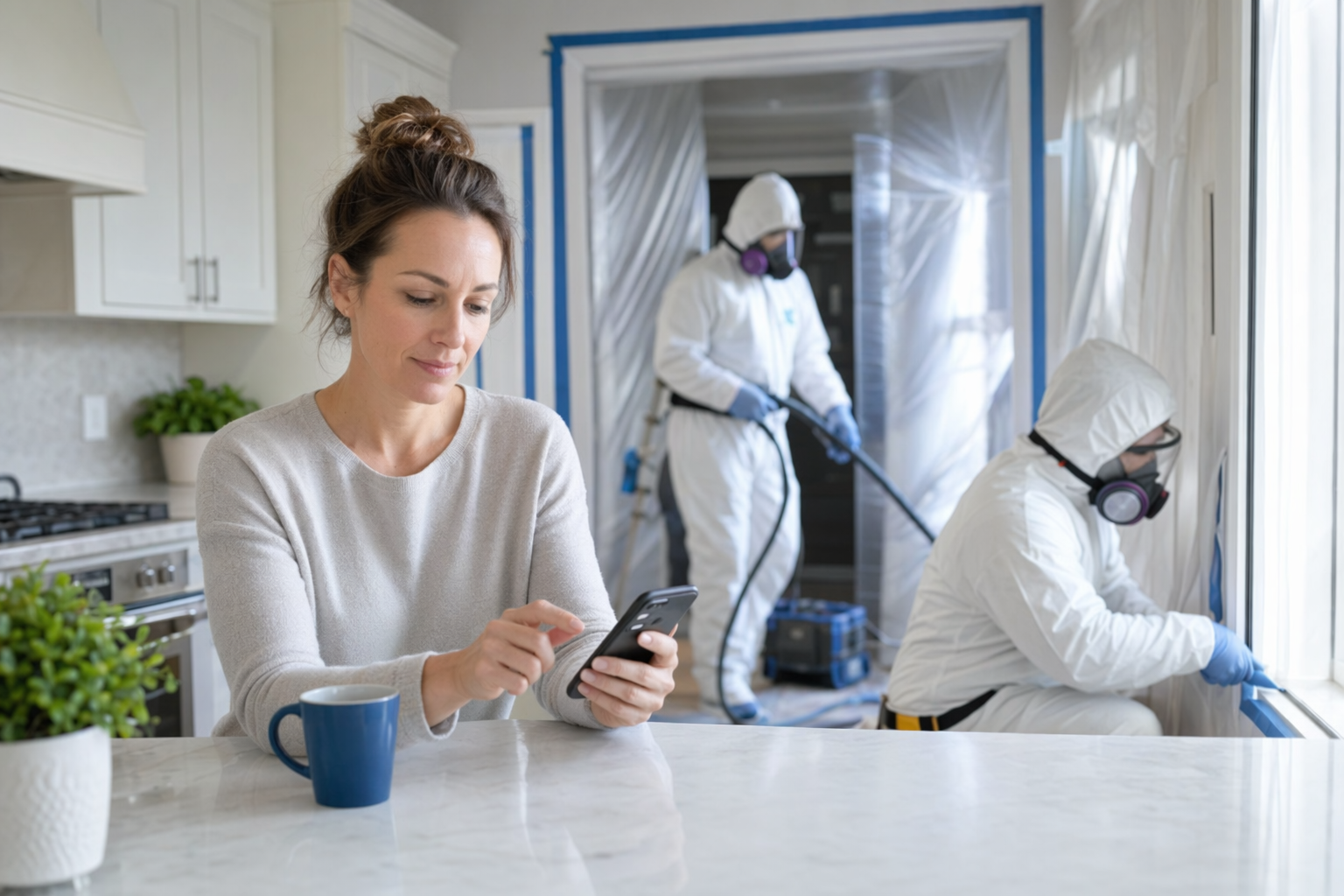
- Work areas are contained.
- Dust control and cleanup are performed properly.
- Waste disposal is handled according to rules.
Costs vary a lot based on the size of the home, how much material is involved, access, and whether you need multiple sampling methods. In many areas, lead testing can range roughly from a few hundred dollars for limited testing to more for broader inspection, but your final cost depends on your situation. Get itemized written estimates—ranges are not quotes.
Red flags and scam warnings (especially during home sales)
Some unscrupulous businesses use fear to push quick, unsafe work. If you see these, slow down and get a second opinion.
Red flags include:
- No license/certification when they claim to do lead/asbestos work.
- Pressure to sign immediately or “we can start tomorrow” without a written scope.
- Claims that they can remove hazards without proper containment, cleanup, and disposal.
- Cash-only payments or refusal to provide written documentation.
- “Guaranteed outcomes” or extreme scare tactics.
Practical protection:
- Get the scope and price in writing.
- Verify certification yourself (don’t just accept a photo of a card).
- Ask how they will protect occupants and prevent dust spread.
If you want, you can also use a free matching service to find licensed, certified lead and asbestos testing/abatement professionals near your ZIP—start at get matched.
Rules vary, but if you suspect lead paint, don’t disturb it—get it tested by a certified pro and verify any required certifications before making disclosure decisions.
Common questions
If I didn’t know about lead paint, do I still have to disclose it when selling?
Many rules focus on whether you have knowledge or documentation of lead hazards. However, if you suspect a hazard in an older home and you later learn it’s a real issue, what you disclose can matter. Check your state/local requirements for your specific situation, and consider having a certified pro test before you make assumptions.
Should I test for lead before listing the house?
Testing is often the safest way to avoid uncertainty, especially if your home is pre-1978 or you see peeling/chipping paint. It can help you decide what to disclose and how to handle any repairs. Avoid disturbing suspected material until testing guidance is in place.
I need repairs before closing—do I have to hire an EPA Lead RRP certified contractor?
In many cases, if you disturb painted surfaces in a pre-1978 home, EPA Lead RRP rules can apply to the contractor doing the work. Requirements depend on your project scope and location, so verify with the contractor’s credentials and your local rules. Abatewell can help you find certified professionals via [get matched](/get-matched/).
How can I verify a contractor is really certified?
Ask for their credential/license number and documentation, then verify it directly with the issuing authority—EPA for Lead RRP and your state for asbestos licensing. Reputable pros won’t mind verification, and they should be able to explain containment/cleanup steps in plain language.
What does lead testing usually cost?
Costs vary widely by location, home size, and how extensive the sampling is. In general, you may see roughly a few hundred dollars for limited testing, with higher costs for broader sampling and dust/wipe testing. Always request itemized written estimates; ranges are not quotes.