Quick answers
Can I remove lead paint myself?
In most cases, no — you should not remove lead paint yourself. The safest first step is to leave it alone, keep people away, and have it checked by a certified professional before any sanding, scraping, or demolition.
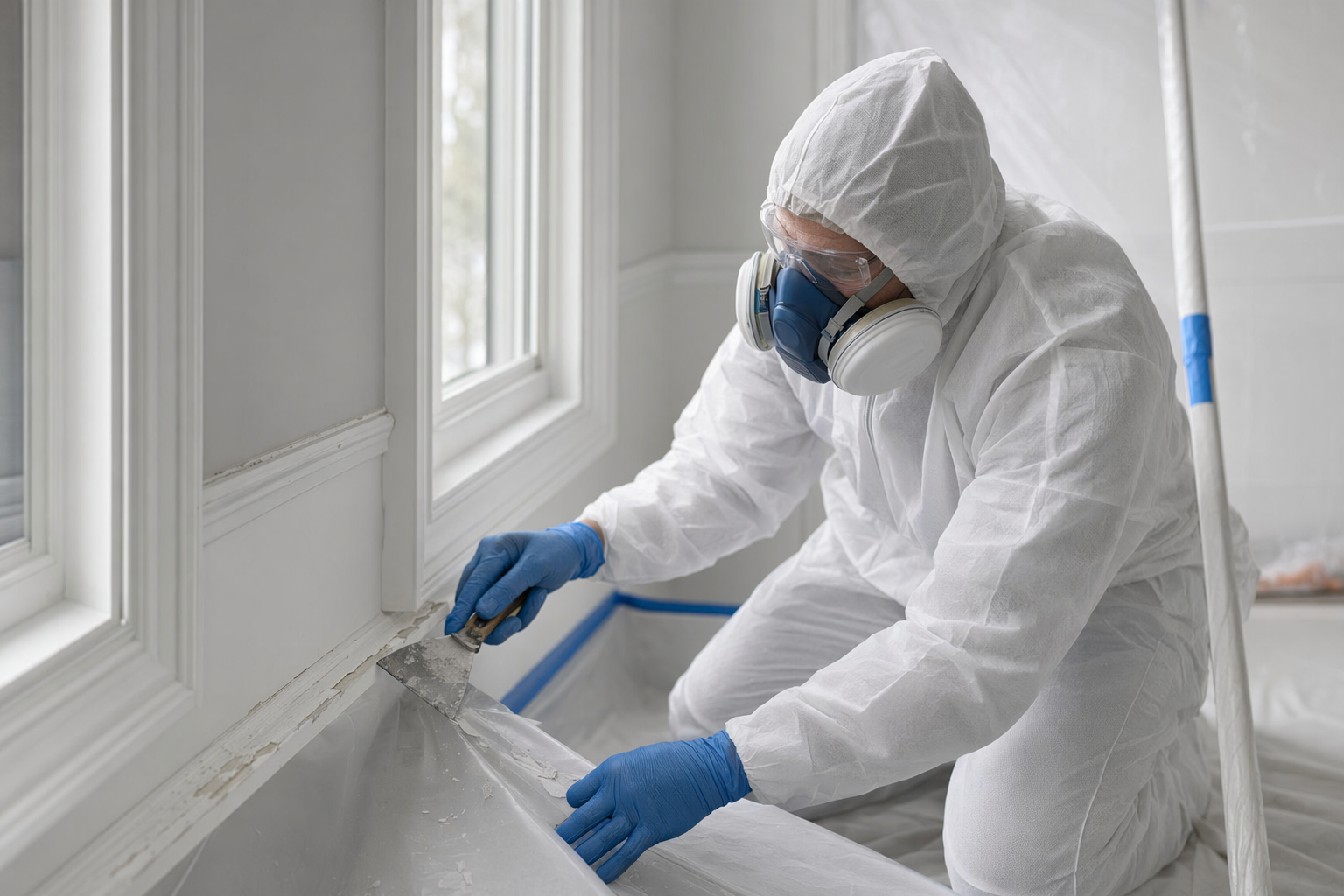
What to do right now
If you suspect lead paint, do not sand, scrape, burn, or demolish the painted surface yourself. Those actions can create dust that people can breathe in or carry through the home.
Keep children and pregnant people away from the area, close the room if you can do so safely, and clean only in ways that do not disturb the paint. If you are planning repairs, a sale, or a renovation, pause the work until the material is tested by a certified professional.
If this is about possible lead exposure in a child, contact a doctor or your local health department right away. Abatewell is a free matching and directory service; we do not test, remove, or abate lead paint ourselves.
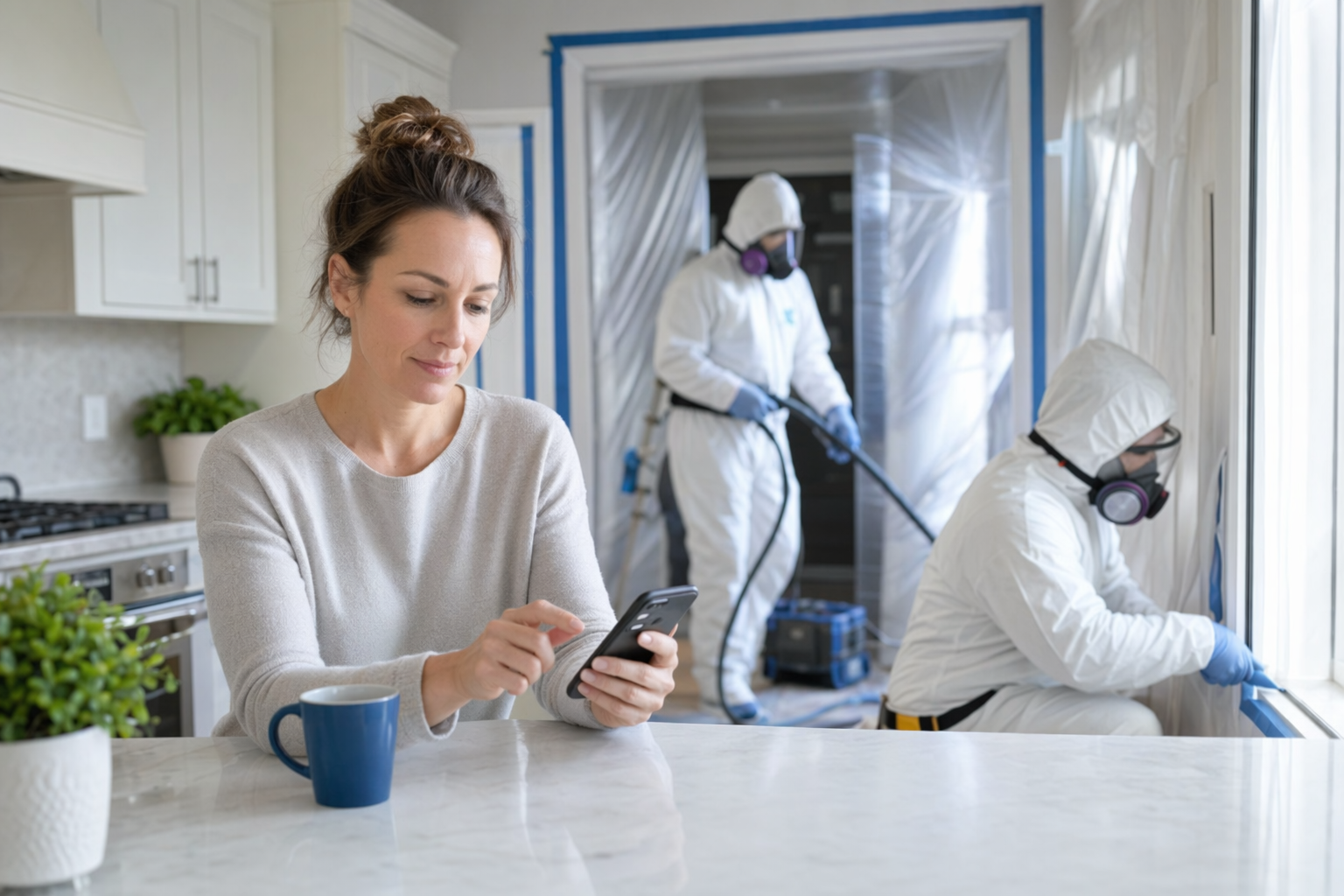
Can a homeowner remove lead paint on their own?
Sometimes the law may allow a homeowner to do certain work, but that does not make it safe. Lead-safe work is tightly regulated, and the right method depends on the home, the condition of the paint, and the type of work being done.
In pre-1978 homes, anyone who disturbs painted surfaces during renovation, repair, or painting may need EPA Lead RRP certification, and some states have extra rules. For larger jobs, damaged surfaces, or a full removal, a licensed lead professional is usually the safer choice.
The big risk is not just the paint you can see — it is the dust you cannot see. Without proper containment, cleanup, and disposal, lead dust can spread to floors, furniture, HVAC systems, and nearby rooms.
Why testing first matters
Before any work starts, the question should be: is it actually lead, and how much is there? A certified inspector or risk assessor can test the painted surfaces and help determine the safest next step.
Do not rely on guesses, online photos, or age alone. Older homes are more likely to contain lead paint, but only testing can confirm it.
If the project is also near pipe insulation, floor tile, ceiling texture, or other suspect materials, ask about asbestos too. Asbestos work is also heavily regulated, and in many states only licensed abatement professionals can handle it with the required containment and disposal.
What certified professionals should do
A qualified lead or asbestos job should include proper containment, dust control, cleanup, and legal disposal. That usually means sealing off the work area, protecting nearby surfaces, using methods that limit dust, and disposing of waste according to local rules.
Ask for the scope in writing before work starts. The plan should say what will be tested, what method will be used, how the area will be contained, how cleanup will be done, and how debris will be removed and disposed of.
Never let anyone tell you, "we'll just scrape it off" or skip containment. That is a red flag.
How to verify a pro
Verify credentials yourself before you hire anyone. For lead work, ask for their EPA Lead RRP certification if the job involves disturbing painted surfaces in a pre-1978 home. For asbestos, ask for the specific state asbestos abatement license or authorization required in your state.
Then check the license or certification with the state agency or EPA, and ask for proof of insurance. If the person is legitimate, they should be able to explain their training, show current documents, and describe how they will contain and dispose of the material.
If you want help finding options near you, use Get matched or browse guides and answers. Abatewell only collects contact and basic project details like name, phone, ZIP, rough home age, concern type, and preferred language.
What it may cost
Costs vary a lot depending on how much paint is affected, where it is, how hard it is to reach, whether testing is needed, and what disposal rules apply. These are not quotes, just rough ranges that can help you plan.
Small testing jobs may cost less than a full inspection and abatement plan, while larger removal or repair jobs can cost much more because of containment, labor, cleanup, and disposal. If asbestos is involved too, the price can rise because licensing and disposal requirements are different.
For more context, see costs. Always get the scope and price in writing from a certified pro.

Do not remove suspected lead paint yourself; keep people away, test first, and hire a properly certified professional if work is needed.
Common questions
Is it illegal for me to remove lead paint myself?
It depends on your state and the type of work, but legal permission is not the same as safe work. In pre-1978 homes, disturbing painted surfaces can trigger EPA Lead RRP requirements, and you should verify the rules with your state or local authority before doing anything.
What if I only want to sand one small spot?
Do not sand it yourself if lead is possible. Even a small job can create dangerous dust, so the safer step is to stop and have it tested or handled by a certified lead professional.
How do I know if someone is properly certified?
Ask for the exact license or certification number, then verify it with EPA or your state agency yourself. Also ask for insurance, a written scope of work, containment details, and disposal plan.
Does Abatewell remove lead paint?
No. Abatewell is a free matching and directory service only. We do not test, remove, or abate lead paint or asbestos.