Quick answers
Can I remove asbestos myself?
No—don’t remove suspected asbestos yourself. The safest next step is to avoid disturbing it, keep people away, and get it tested by a licensed, certified asbestos professional first.
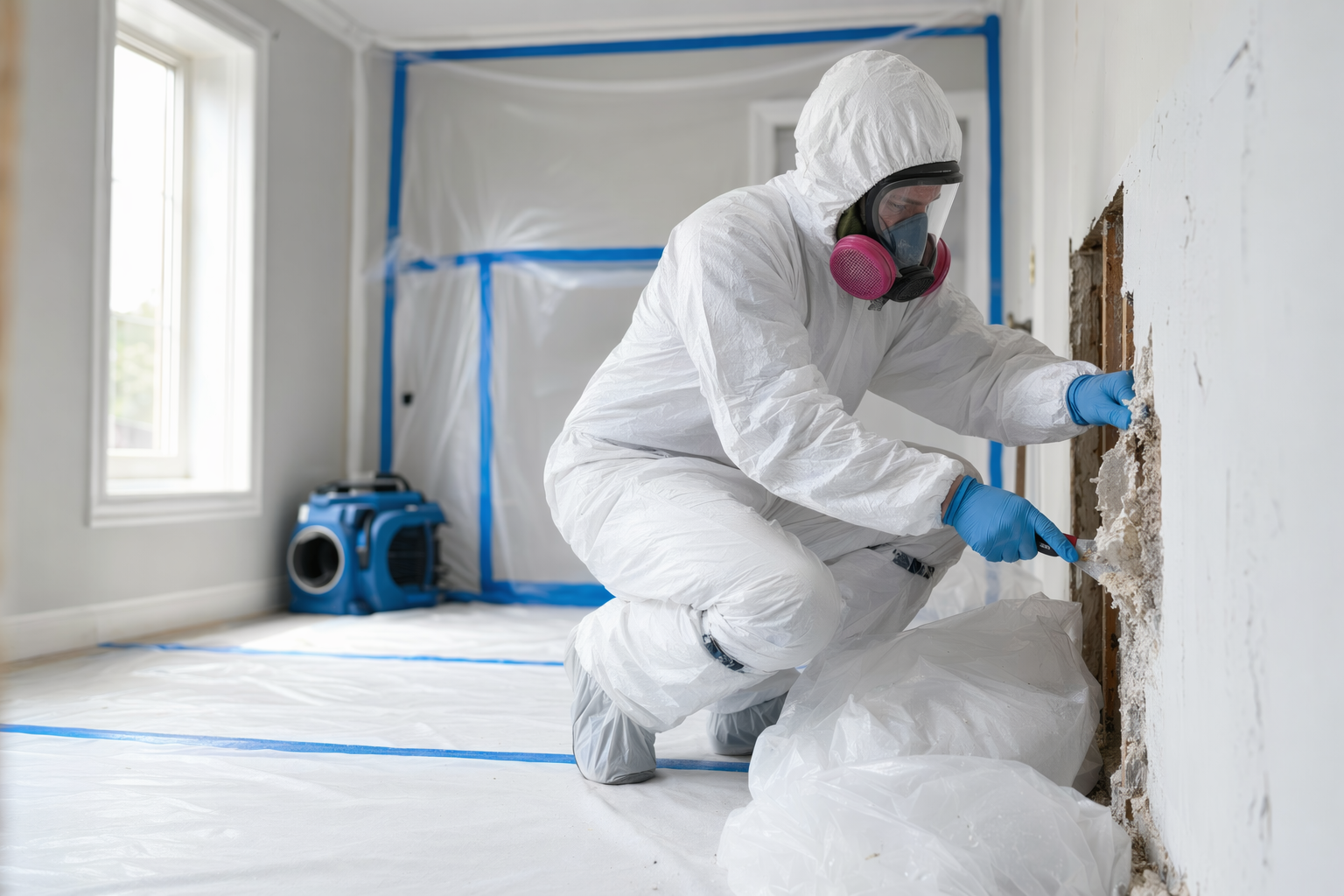
What to do right now (before you touch anything)
If you suspect asbestos, the safest answer is: do not remove it yourself.
- Stop any sanding, scraping, demolition, or “clean-up” that could make dust or fibers.
- Keep people away from the area (especially children and anyone with breathing issues).
- Close doors/limit access to the room or work zone.
- If there’s ongoing construction dust, pause work and ask a certified professional what to do next.
- Get the material tested by an accredited lab using a properly collected sample—this is usually done by a licensed/certified asbestos pro.
Abatewell is a FREE matching/directory service to help you find licensed, certified lead and asbestos testing/abatement professionals near you. We’re not a contractor and we don’t test or remove materials ourselves.
- Don’t disturb suspected asbestos—test first.
- Keep people away and pause work that could create dust.
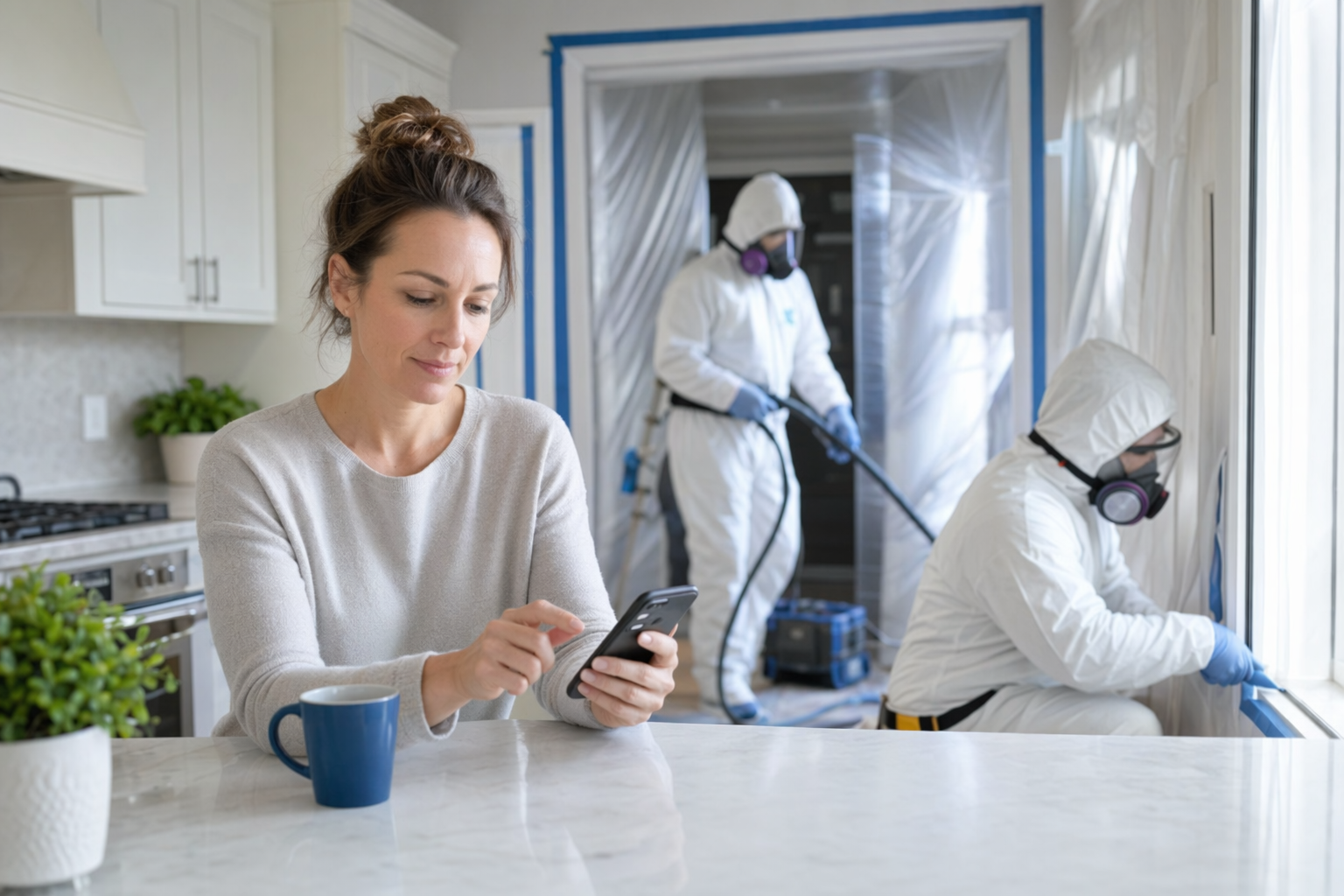
Why DIY asbestos removal is risky
Asbestos is a hazardous material because damaged or disturbed asbestos-containing material can release microscopic fibers into the air. Those fibers are hard to see, and the main danger is the exposure that happens during cutting, tearing, sanding, or bagging “as you go.”
Even if you wear a mask, DIY removal often fails key safety steps like proper containment, controlled ventilation, specialized disposal, and verification testing. That can put you, your family, and neighbors at risk.
Also, removal and disposal rules are heavily regulated. Requirements can vary by state and by the exact material (for example, insulation, flooring, siding, ceiling materials, duct wrap, or demolition debris). A licensed/certified asbestos professional knows the correct methods for containment and disposal in your area.
If you’re dealing with an active home sale, renovation, or noticed damage (crumbling, cutting, water intrusion), the “test first” approach is still the safest way to decide what to do next.
How asbestos is handled safely (test, then plan, then control dust)
A safer process usually looks like this:
- Identify what material you have (often by age, building type, and location), but don’t assume.
- Arrange for certified sampling/inspection and lab testing of the suspect material.
- If asbestos is confirmed, an asbestos professional designs a work plan (containment, protective equipment, work methods, and cleaning).
- Use proper containment and disposal so fibers don’t spread beyond the work area.
- In many cases, professionals also perform verification procedures after the work is completed.
If you’re in a pre-renovation situation (before remodeling, demolition, or flooring removal), getting tested before you start is especially important. If asbestos is present, the plan may involve abatement, encapsulation, or other approaches—chosen based on what’s damaged and how the work will be done.
If you have a health concern (for example, a child was exposed, or you suspect exposure already happened), contact a doctor and/or your local health department for guidance. This page is general education, not medical advice.
What about “EPA Lead RRP”? (Related, but not the same as asbestos)
You may see people mention EPA rules for lead paint, and it can be confusing. EPA Lead RRP (Renovation, Repair and Painting) certification is specifically for disturbing paint in pre-1978 homes that may contain lead.
Asbestos is different. It is controlled under state asbestos regulations (and local rules), including state asbestos abatement licensing/permits and disposal requirements. You’ll want a pro who is licensed/certified for asbestos in your state—not just someone with lead certification.
Still, the big safety idea overlaps: if you might disturb hazardous materials, the work must be done by qualified pros using proper containment and procedures. Don’t treat any hazard as “fine” to DIY.
Cost ranges (what usually affects price—no DIY savings here)
Asbestos abatement and related work can cost widely depending on the situation. It may include testing, inspection, planning, containment setup, abatement labor, specialized cleanup, waste handling/disposal, and sometimes additional verification.
- Small, limited-area jobs (for example, limited insulation removal) may cost in the low thousands up to several thousand dollars.
- Larger areas, difficult access, multiple materials, or full-room/whole-building demolition can cost tens of thousands or more.
- If you already disturbed material, remediating contamination can add costs.
These ranges are not quotes. The exact number depends on how much asbestos is present, where it is, the building layout, local disposal fees, and the required steps in your state and municipality. A legitimate pro will typically provide a written scope and discuss options after testing confirms what’s there.
How to find the right licensed/certified pro (and avoid scams)
Abatewell can help you find a licensed, certified lead and asbestos testing/abatement professional near you—free for you. You’ll tell us your ZIP and your concern, and then qualified pros can contact you.
Before you hire anyone, verify credentials yourself. Rules vary by state, so confirm the correct asbestos licensing/permit status and insurance with your state/local authority.
Here are red flags to watch for:
- No visible state asbestos license/certification or they won’t provide it
- “We’ll just scrape/sand it off” without containment or a dust control plan
- Cash-only requests or pressure to sign immediately
- Scare tactics (“You must buy our service right now” without clear, test-based reasons)
- No written scope of work and no explanation of containment, cleanup, and disposal
When you talk to a pro, ask for:
- Proof of required state asbestos licensing/certification
- Insurance (so you’re not stuck if something goes wrong)
- A written work plan that addresses containment and how they prevent spread
- How waste will be packaged and disposed of according to local rules
- Whether they will coordinate lab testing and what they’ll do if asbestos is confirmed
If the contractor can’t clearly explain the steps to keep fibers from spreading, it’s safer to keep looking. Your best protection is test-first, then properly contained work by a qualified, verified professional.
- Verify state asbestos licensing/certification and insurance yourself.
- Get a written scope—avoid pressure, cash-only, and “no containment” offers.
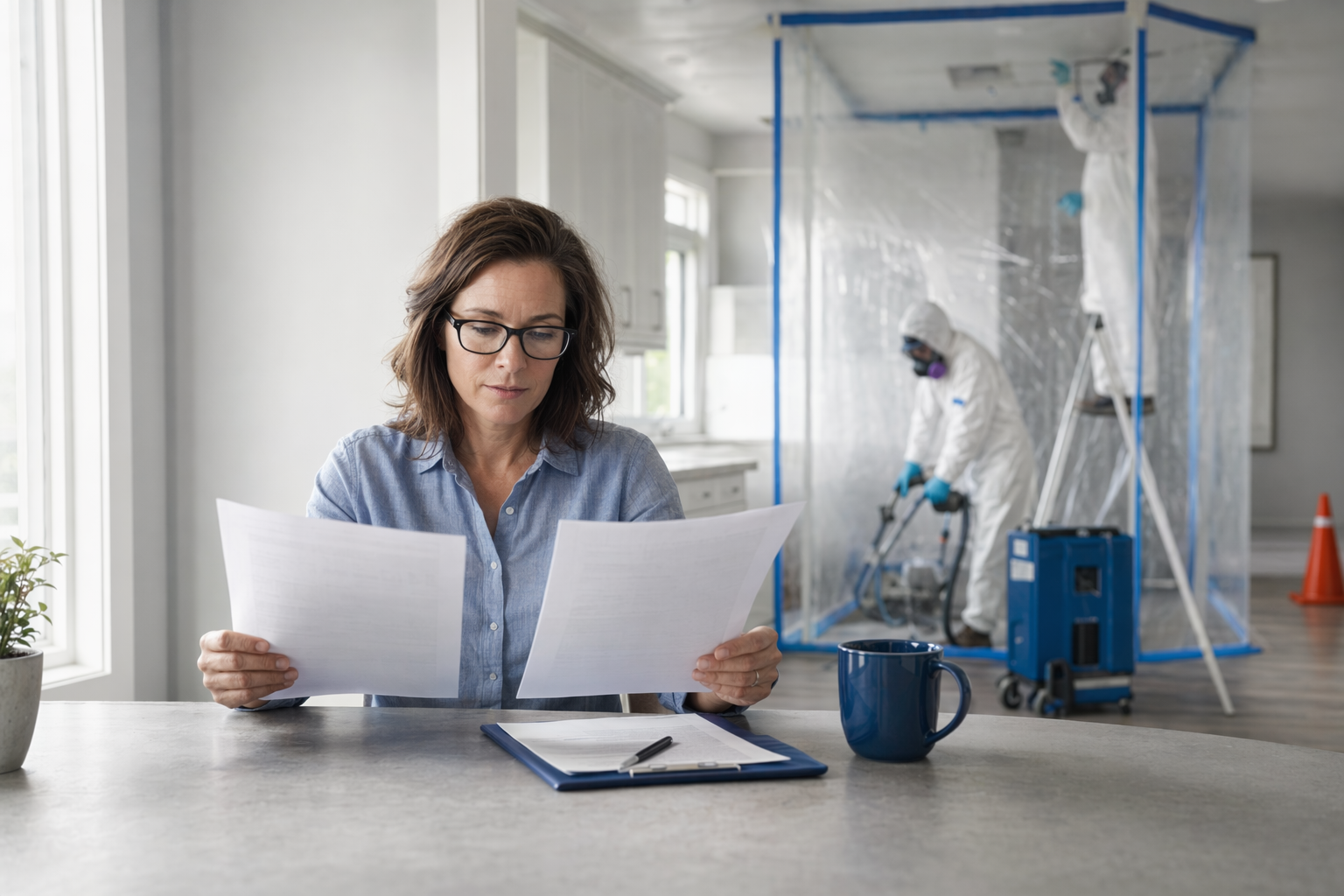
Don’t remove suspected asbestos yourself—don’t disturb it, keep people away, and get it tested by a licensed/certified professional before any demolition or cleanup.
Common questions
If I wear a respirator and plastic sheeting, is it safe to remove asbestos myself?
Respirators and plastic alone are usually not enough. Safe asbestos work depends on proper containment, controlled procedures, specialized cleanup, correct disposal, and often verification steps—requirements that are heavily regulated by state rules. The safest path is to test first and hire a licensed/certified asbestos professional for removal if needed.
Can I take a sample myself and send it to a lab?
Some labs accept samples, but many sampling/chain-of-custody and safety requirements are easier and safer with a certified pro. If you collect a sample incorrectly, you can still create dust and spread fibers. Ask a certified asbestos professional or the lab about their approved sampling method.
What if I already started a renovation and made dust?
Stop work, limit access to the area, and contact a certified asbestos professional. They can assess contamination and advise on safe steps. This is general information—your state/local rules and the situation matter a lot.
Does EPA Lead RRP mean the contractor can handle asbestos too?
No. EPA Lead RRP certification is for lead paint disturbance in pre-1978 homes. Asbestos handling is governed by state asbestos licensing/permits and specific containment/disposal requirements.