How we've helped
They tested before renovating an old kitchen
This is an anonymized, illustrative story about a family who tested first before updating an older kitchen. It is not a real named client, and it shows why staying calm, avoiding disturbance, and hiring certified pros matters.
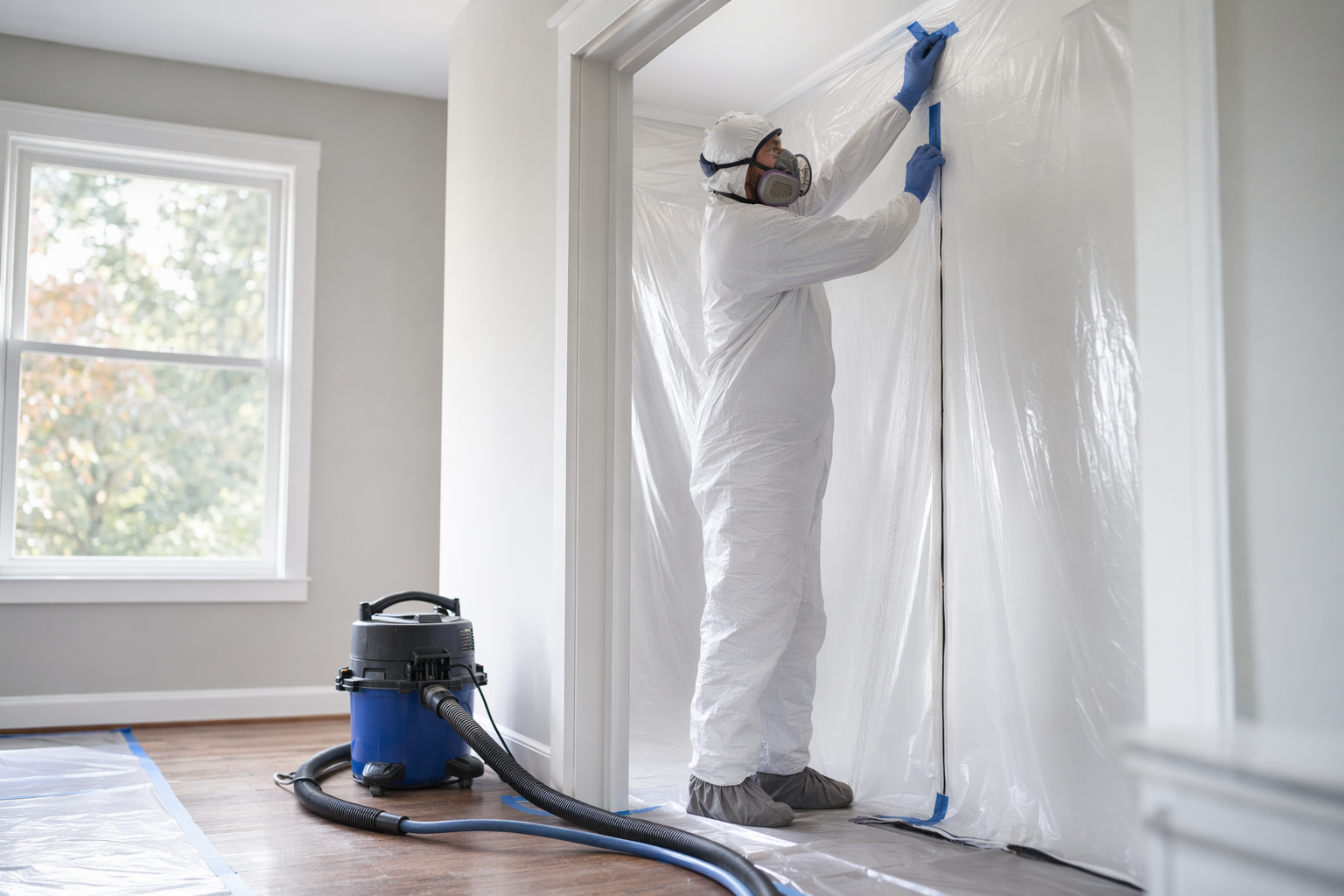
What they did right away
The family had an older home and wanted to renovate the kitchen. Before any sanding, scraping, or demolition, they stopped and treated the painted surfaces as a possible lead hazard, and they also considered whether older materials could contain asbestos.
They did the safest first step: they did not disturb the material. They kept children and pets away from the work area, avoided sweeping or vacuuming dust with a regular vacuum, and arranged for testing before anyone started the remodel.
That is the main takeaway from this story: when you suspect lead paint or asbestos, the safest move is usually to leave it alone and get it tested by a certified professional first.
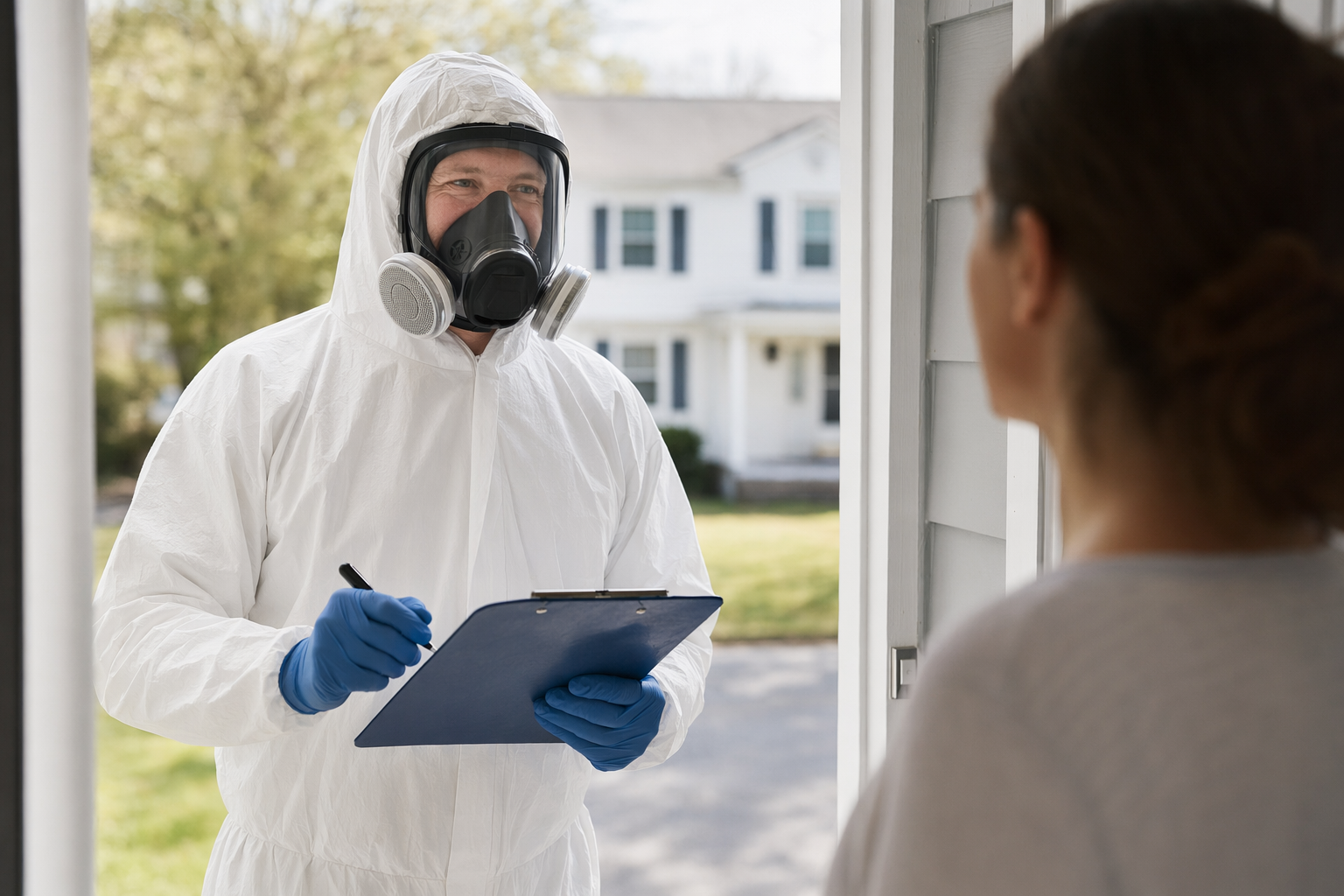
How they chose a certified pro
A contractor offered a quick, low-price "deal" and said they could just scrape and sand the old surfaces. The family did not accept that offer. They asked for license and certification details, proof of insurance, and a written scope of work.
They also checked that the lead work would follow EPA Lead RRP rules for homes built before 1978, and that any asbestos work would be handled by a state-licensed asbestos abatement professional. They verified the information themselves with the state or EPA instead of relying only on a sales pitch.
They used How it works and then Get matched to find certified options. Abatewell is a free matching and directory service, not a contractor, lab, or law firm, so the family still did their own verification before hiring anyone.
What the safe work looked like
The certified team arrived with proper containment, not just tools. They sealed off the work area, controlled dust, and used the right protection and disposal steps for the material involved.
If lead paint was part of the job, the team followed required lead-safe practices for disturbing painted surfaces. If asbestos-containing material was found, the abatement work used containment and proper disposal required by state rules.
The family did not watch for a "fastest" result. They watched for a safe one: controlled work, clear communication, and disposal handled through the proper channels. That is the kind of process you should expect from a legitimate pro.
What they learned about cost and timing
The family had first seen a bargain price from the uncertified offer, but that low number did not include safe containment, proper testing, or disposal. The certified work cost more, but it also matched the real steps needed to do the job safely.
Honest cost ranges vary a lot. Small testing jobs may be a few hundred dollars, while larger abatement or more complex kitchen projects can run into the thousands. The real number depends on the material, how much there is, access, your location, and the testing and disposal required.
Those ranges are not quotes. Only a written estimate from a verified certified professional can tell you what your project may actually cost.
Why this story matters
This is an illustrative example, but the lesson is simple: do not disturb suspected lead paint or asbestos, and do not hire anyone who says they can just scrape, sand, or rip it out without the proper credentials.
A safe project usually starts with testing, then a licensed or certified pro, then containment and proper disposal. If you are worried about possible exposure, or if a child may have been exposed to lead, contact a doctor or your local health department.
If you want help finding nearby professionals, you can review Stories for examples, then use Get matched to contact providers with only your name, phone, optional email, concern type, ZIP, rough home age, and preferred language.
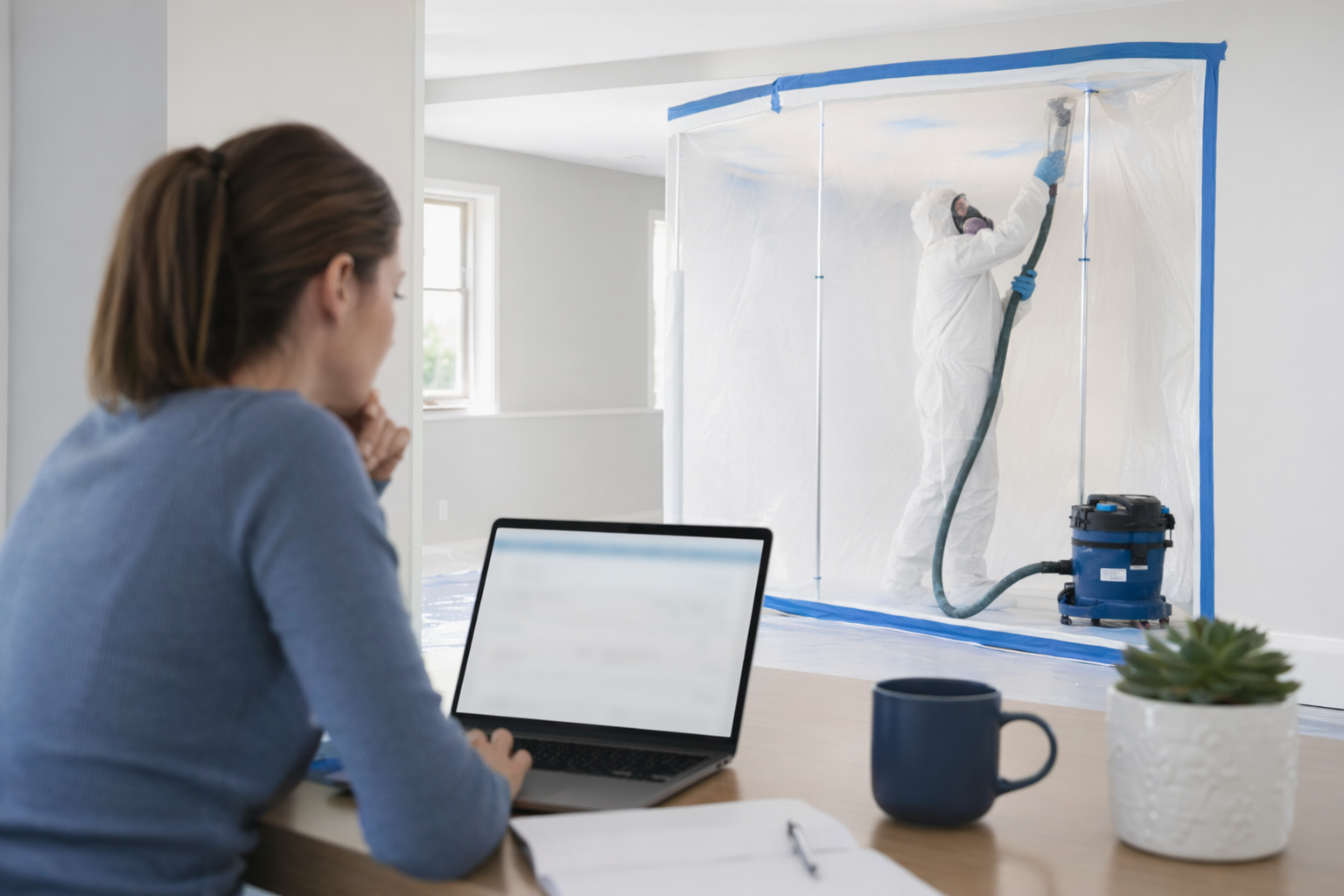
The safest move in an old-home remodel is to test first, verify certifications, and hire a properly licensed pro—not the cheapest unlicensed shortcut.
Common questions
Is this a real customer story?
No. It is an anonymized, illustrative story meant to show a safe process, not a specific named client.
Why not just accept the cheapest offer?
If the offer skips testing, certification, containment, or proper disposal, it may be unsafe and can create more dust or contamination. Always verify the pro's license or certification yourself.
What should I do before a kitchen renovation in an older home?
Do not sand, scrape, cut, or demo suspected material. Keep people away, get it tested by a certified professional, and confirm whether the work requires EPA Lead RRP certification or state asbestos licensing.
Does Abatewell do the testing or removal?
No. Abatewell is a free matching and directory service. It helps you find licensed, certified lead and asbestos professionals, but it does not test, remove, abate, or give legal or medical advice.