How we've helped
How a homeowner spotted an uncertified 'deal'
This anonymized, illustrative story shows how one homeowner avoided a risky “deal” by testing first and hiring certified lead or asbestos pros with proper containment. It’s for education only—your situation may differ.
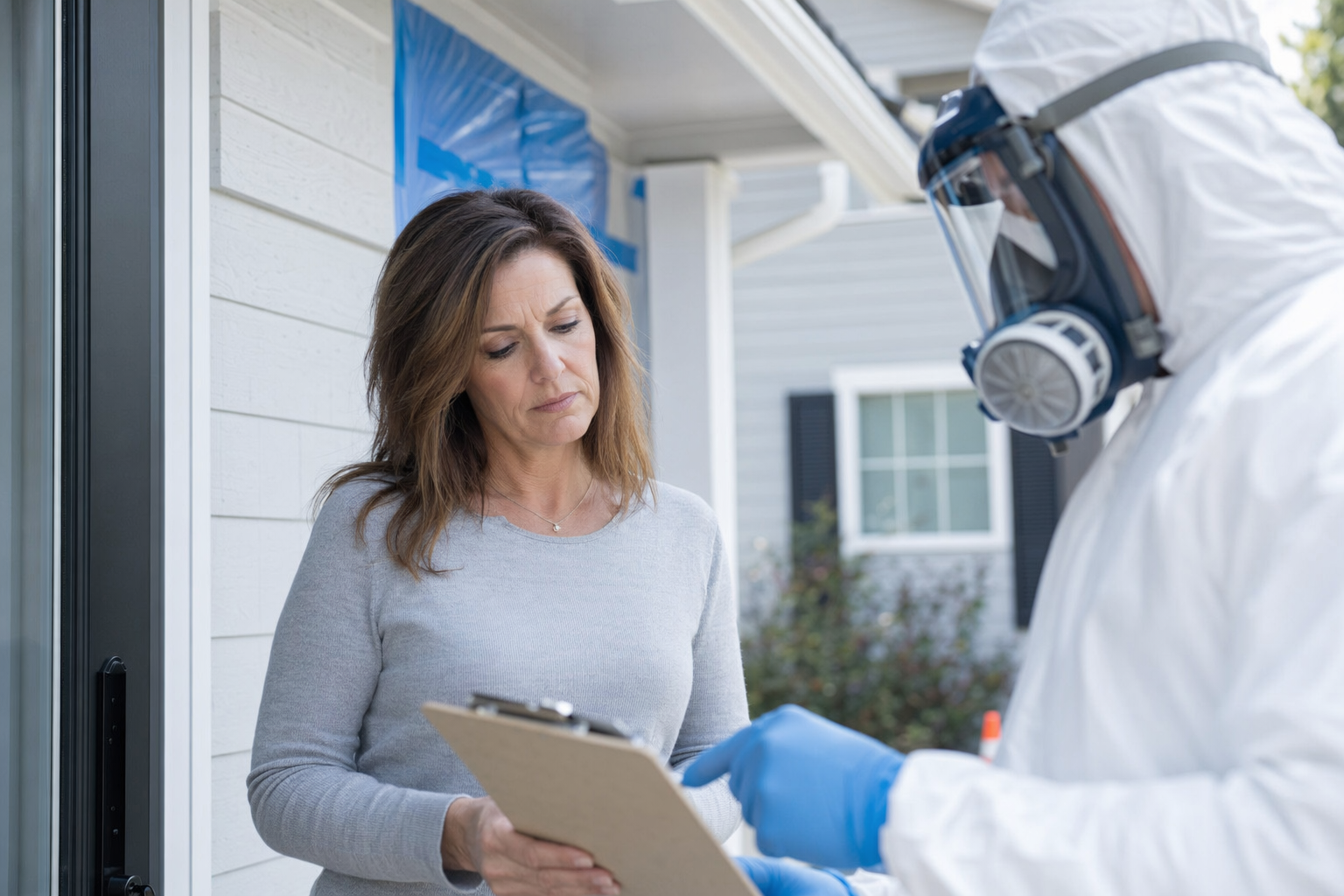
What to do right now (if you suspect lead or asbestos)
1. Stop sanding, scraping, cutting, demolition, or “quick fixes” around the area you suspect.
2. Keep people (especially children and pregnant people) away from the suspected material. Close doors, and limit airflow if you can do so safely.
3. Get it tested first by a licensed/certified lead or asbestos testing professional or accredited lab process.
4. If a child may have been exposed, contact a doctor and your local health department for guidance.
- Don’t disturb suspected material until testing confirms what it is.
- Abatewell is a FREE matching/directory service—use it to find certified pros, not to test or remove anything.
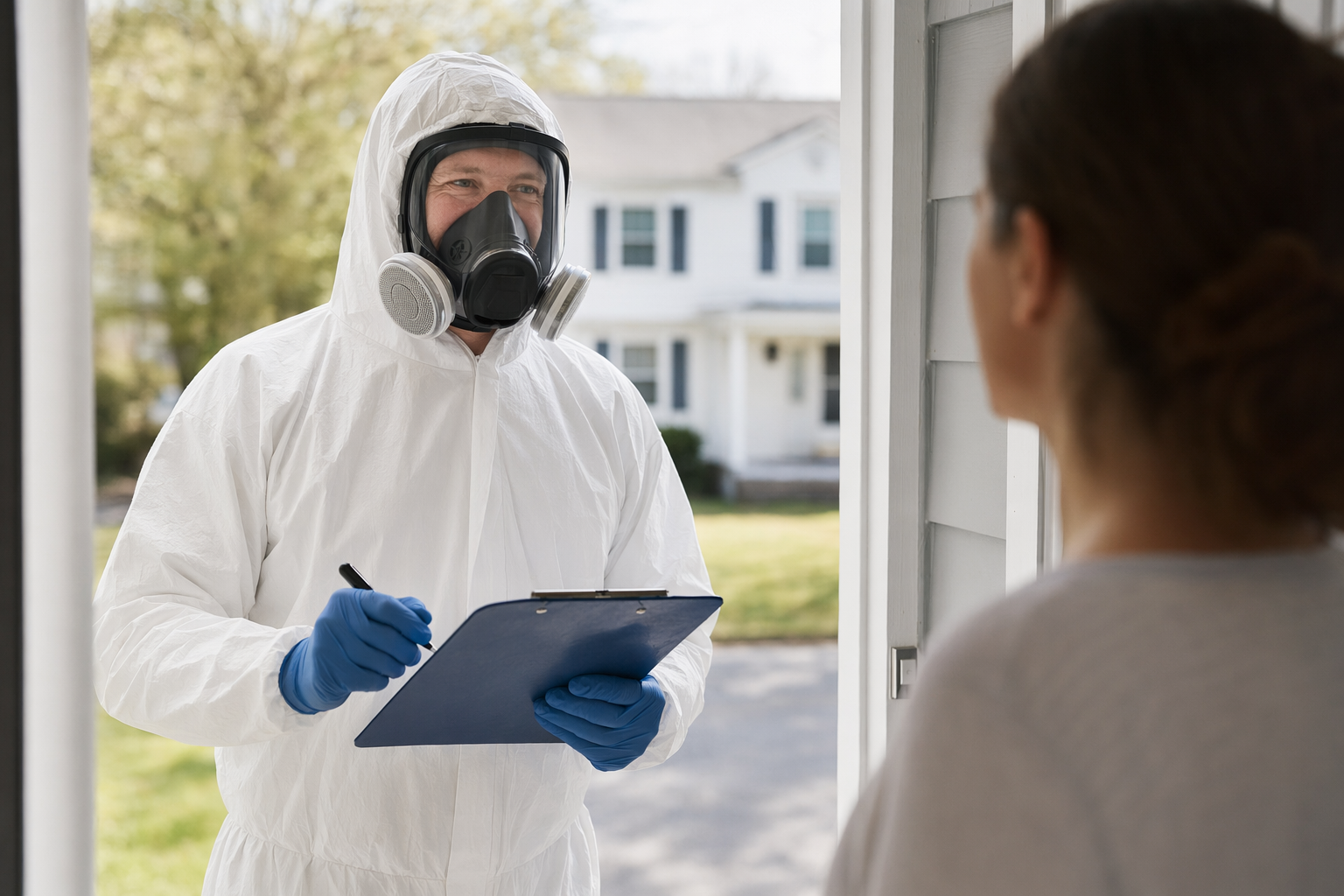
An illustrative story: spotting the “deal” that didn’t look certified
This is an anonymized, illustrative case study—not a real named client, and not a guaranteed outcome. It’s based on common situations people describe: an older home, an uncertain material, and a contractor offer that sounds convenient.
In this story, the homeowner noticed peeling paint and dust during a planned renovation, then became concerned it could be lead or, in other areas, something like asbestos-containing material. Before doing any work, they asked for testing rather than accepting “we’ll just scrape it off” language.
A few days later, they were approached by an “unofficial offer” promising a low price and fast turnaround. The pitch included pressure to start immediately and didn’t clearly describe certification, containment, or disposal. That made the homeowner pause and ask more questions—especially whether the team was properly certified/licensed and insured in their state for the specific hazard.
They chose to test first. That decision changed the entire process: once the material was identified, they were able to hire the right certified professionals and avoid unsafe work practices.
Testing first: identify what it is before you plan the work
In the illustrative story, the homeowner requested certified testing instead of assuming. For lead in older homes (often pre-1978), safe work usually depends on whether paint is lead-containing and where it is located.
For lead paint disturbed during renovation, repair, or painting, the federal EPA Lead RRP (Renovation, Repair and Painting) rule is a key reference point. The homeowner didn’t rely on verbal assurances; they used testing results to confirm next steps.
For asbestos concerns, the correct step is to work through state-required licensing for abatement work and accredited lab testing for samples (depending on local process). Proper identification matters because the safest method—including containment and disposal—is very different when the material is confirmed.
Result: the homeowner had clear information to share with contractors and could verify whether any proposed “deal” matched the required safety approach.
How they hired certified pros (and verified the important details)
After testing confirmed the concern, the homeowner used a matching/directory service to find nearby professionals who said they handled lead and/or asbestos safely. Abatewell is a FREE service that helps connect people with licensed/certified testing and abatement professionals—it is not a contractor or lab.
Before signing anything, they verified key credentials for their state and the specific task. For lead-related work that disturbs paint in pre-1978 homes, they looked for EPA Lead RRP certification where applicable. For asbestos abatement, they checked state asbestos licensing requirements for the abatement contractor and ensured the scope included required containment and proper disposal.
They also asked practical questions that help reveal whether a pro is serious about safety:
1. What containment method will you use (including barriers/negative pressure where required) and how will you prevent dust spread?
2. How will waste be packaged, transported, and disposed of?
3. Will you provide a written scope of work and explain which areas are affected?
4. What licenses/certifications apply in my state, and can you share proof?
5. What insurance do you carry?
This is how they avoided being “talked into” work that didn’t match what the regulations require.
Containment and disposal: the difference between safe work and a risky shortcut
In this illustrative case, the homeowner learned that containment isn’t optional for confirmed asbestos abatement and is also a critical safety concept when lead hazards are present. The safest teams plan how dust, debris, and airflow will be controlled before the first tool is turned on.
The certified pros explained how they would set up the work area so people in the home would not be exposed to released particles. They also described how they would clean and verify work readiness based on their required procedures.
Most importantly, the homeowner did not accept vague promises like “we’ll just scrape and clean it up.” Instead, they looked for a clear plan: barriers, controlled work practices, and proper waste handling. They understood that required containment and disposal are central because they prevent contaminated dust from spreading to living spaces.
When the homeowner compared this with the earlier “deal,” the contrast was clear: the low-price pitch didn’t provide enough safety detail, proof of certification, or a containment/disposal plan.
Costs, timelines, and “guarantees”: what the homeowner learned
In the story, the homeowner asked for a written scope and expected cost ranges rather than a guaranteed outcome. Costs for lead or asbestos work depend on the amount of material, access, number of areas, required testing/verification, and disposal requirements—so any range should be treated as an estimate, not a quote.
They were also cautious about marketing tactics:
1. No “cash-only” pressure or demands to sign on the spot.
2. No scare tactics (“you’re doomed”) or promises that the hazard is gone forever.
3. No unclear pricing that skips required steps like containment, cleaning, and proper disposal.
4. No claims that certification doesn’t matter.
They chose certified professionals because safe remediation requires compliance with rules and procedures, not just low pricing.
How Abatewell can help (without testing or doing the work)
If you’re dealing with possible lead paint or asbestos in your home, Abatewell can help you find local licensed/certified testing and abatement professionals. You share contact and project intent (like your ZIP code, concern type, and rough home age) and we help match you with suitable providers.
Abatewell does not test materials, remove hazards, or provide legal/medical advice. You should still verify certifications and insurance yourself using your state requirements and, for lead paint disturbance in pre-1978 homes, EPA Lead RRP requirements.
If you want to understand the process, you can review:
- Stories
Use the results to ask the right questions, confirm licensing/certification, and insist on containment and proper disposal when required.
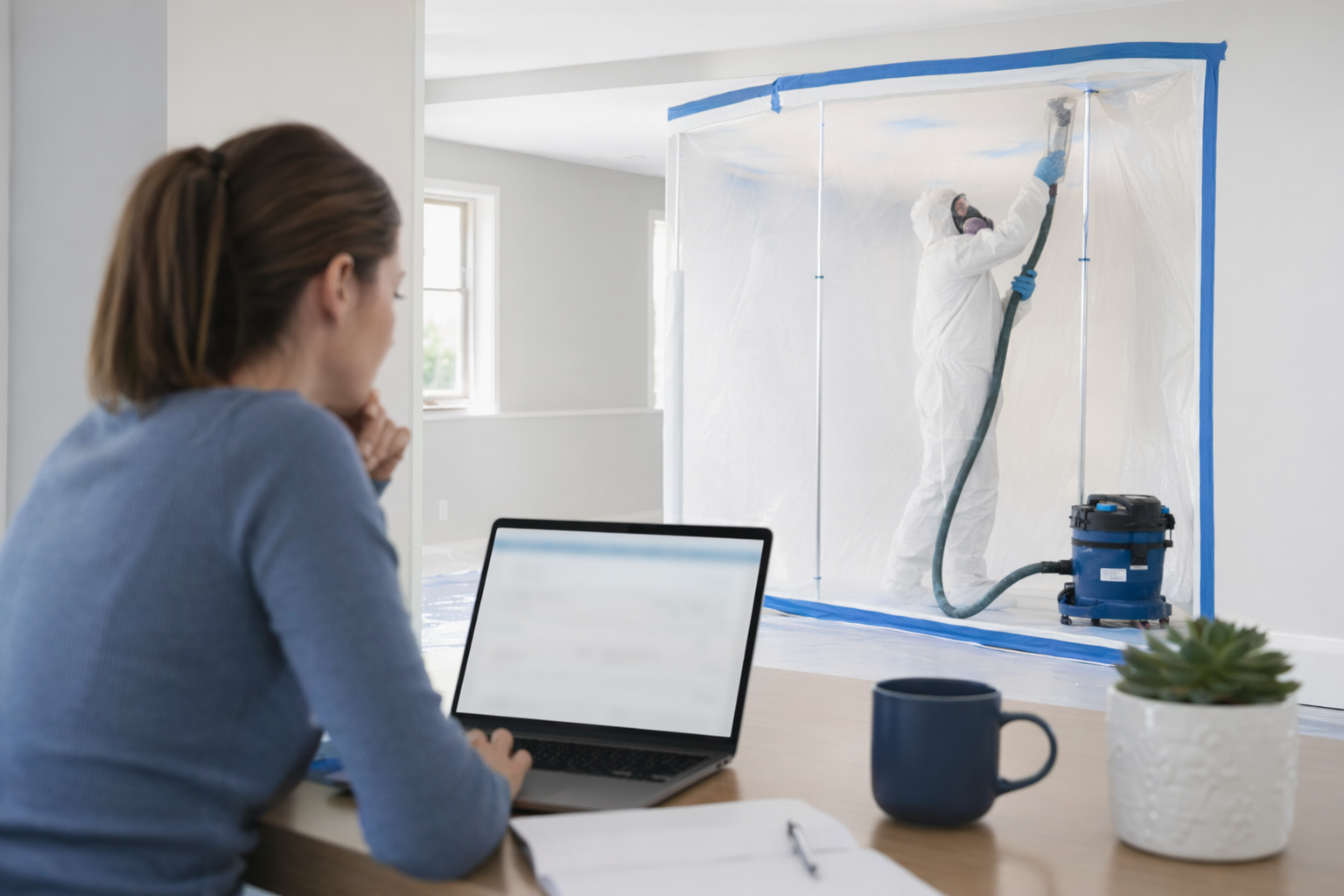
Test suspected lead or asbestos first, keep people away and don’t disturb it, then hire properly licensed/certified pros with containment and proper disposal—avoid rushed “deal” promises.
Common questions
How can I tell if an offer is “uncertified” or unsafe?
Be cautious if the person can’t clearly explain which certifications/licensing apply in your state, how they will contain dust (when required), and how waste will be packaged and disposed of. Avoid pressure tactics (sign now, cash-only) and vague promises like “we’ll just scrape/sand it off.” Always verify credentials yourself.
Do I have to test before hiring anyone?
In most cases, yes—testing helps confirm whether it’s lead paint and/or asbestos and where it is, so the correct safety approach is used. Don’t disturb suspected material until testing is done by a qualified professional or accredited process.
What certifications matter most for lead and asbestos?
For lead paint disturbance in pre-1978 homes, EPA Lead RRP (Renovation, Repair and Painting) is an important federal reference. For asbestos abatement, certification/licensing is set by your state. Requirements vary by location, so verify the exact credentialing for your address and scope.
Will Abatewell test or remove lead/asbestos for me?
No. Abatewell is a FREE matching/directory service. We do not test, remove, or abate hazards, and we are not a lab or contractor.
How much does testing or abatement cost?
Costs vary widely by material type, amount, building layout, accessibility, containment needs, and disposal requirements. Ask for a written scope and expect ranges rather than exact prices. Any numbers you receive should be confirmed as estimates tied to your specific situation.