How we've helped
A new arrival found a certified pro in their language
This is an anonymized, illustrative story (not a real named client) showing how a new arrival handled a suspected lead or asbestos hazard safely. The key steps: don’t disturb it, test first, and hire certified pros.
What to do right now (before you touch anything)
If you suspect lead paint or asbestos in your home, the safest first step is usually to not disturb it.
Keep people away from the area—especially children and anyone who might be more vulnerable—and avoid sanding, scraping, cutting, drilling, or demolition until you know what it is.
Then get it tested by a licensed/certified professional (lead testing or asbestos sampling, depending on the hazard). If you think there may be a health exposure, contact your doctor or your local health department for guidance.
Remember: Abatewell is a FREE matching/directory service. We don’t test or remove hazards, and this story is general educational information—not medical, legal, or regulatory advice.
- Don’t disturb suspected material (no sanding/scraping/cutting)
- Keep people away and reduce dust exposure
- Test first with a certified professional before any renovation
An anonymized illustrative story: testing first, then certified help in the right language
This is an illustrative example (no real names) of how someone new to the U.S. handled a suspected hazard before renovating. Your situation may be different, but the safety logic is the same.
After noticing cracking and older finishes in a home they planned to renovate, they were worried about lead paint (especially in pre-1978 homes) and also concerned there could be asbestos-containing materials somewhere in the building. They paused the renovation and focused on getting answers.
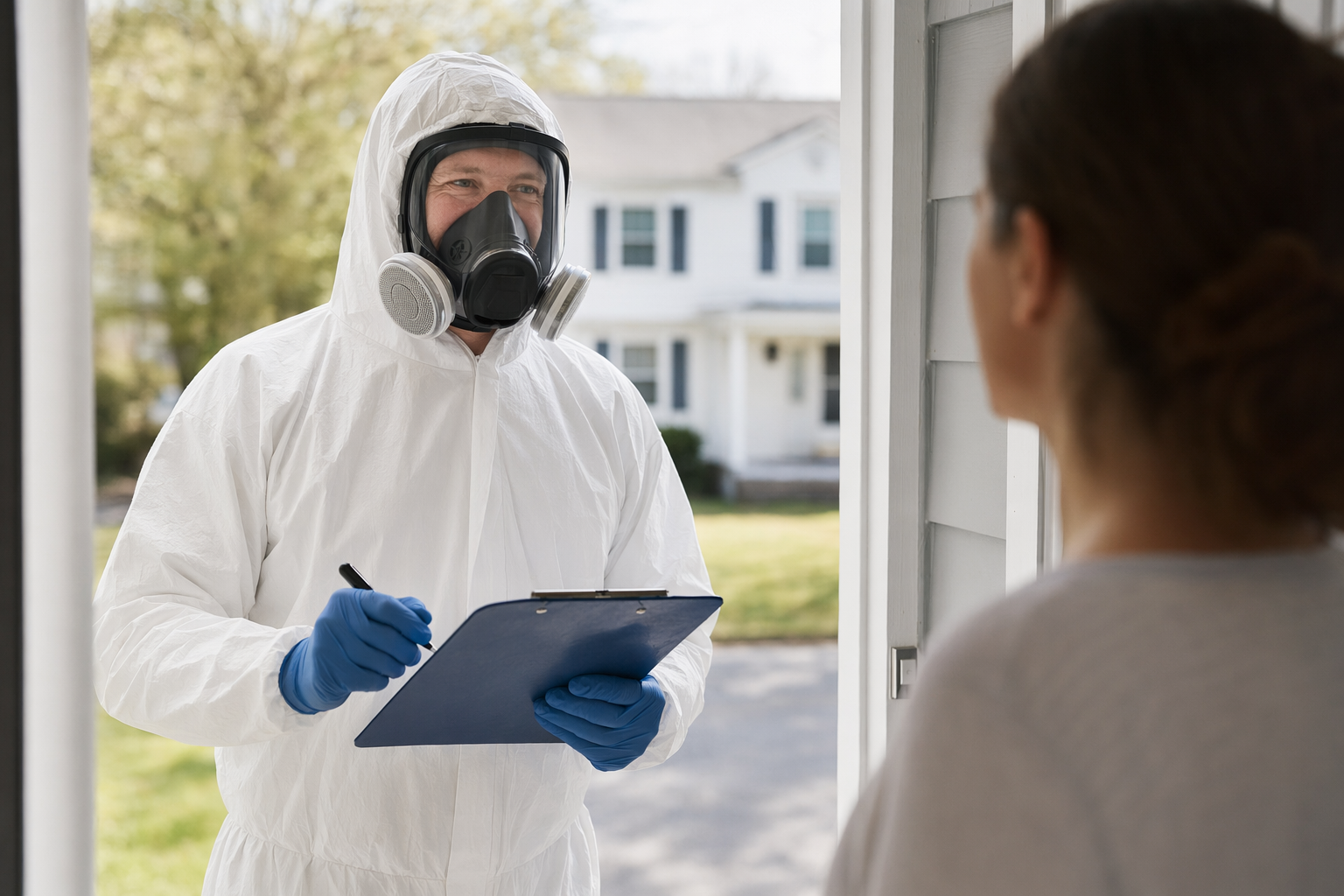
They used Abatewell to find a certified lead/asbestos testing or assessment professional nearby who could communicate in the person’s preferred language. The goal was to understand what was actually present before any work began.
After the testing results came back, they hired licensed/certified pros for any needed lead or asbestos work—rather than trying to “fix it” themselves or hiring an uncertified crew.
- Pause renovation and get the material tested before disturbing it
- Use a pro who can explain results clearly in your preferred language
How they verified certifications and avoided a risky “deal”
Even with good intentions, some contractors will offer shortcuts when they think you’re unsure. In this illustrative story, the homeowner was approached with a tempting offer to quickly scrape/sand suspected material without proper precautions.
They declined. A safe approach for lead (particularly when disturbing paint in pre-1978 homes) often requires EPA Lead RRP (Renovation, Repair and Painting) certification for the firm and trained work practices when renovations disturb painted surfaces. For asbestos, the rules are different by state, but asbestos abatement is generally state-licensed and requires professional containment and proper disposal.
Before signing anything, they verified certification and licensing themselves with the appropriate state agency and/or the EPA program resources, and confirmed the company had the right training for the type of work they would do. They also asked about insurance and whether the crew would follow containment and disposal procedures consistent with the job scope.
They then requested a clear written scope and pricing in writing (not vague promises). In this story, they specifically wanted to see how containment would be set up, what would be sealed off, and what would happen to waste materials.
- Don’t accept “we’ll just scrape/sand it off” without proper compliance
- Verify lead certification (EPA Lead RRP) and state asbestos licensing yourself
- Get a written scope that includes containment and disposal steps
Containment, proper disposal, and dust control (the safety details that matter)
After the testing results, the homeowner hired certified professionals to handle the work. In this illustrative story, the biggest difference from the unsafe “deal” proposal was the safety plan.
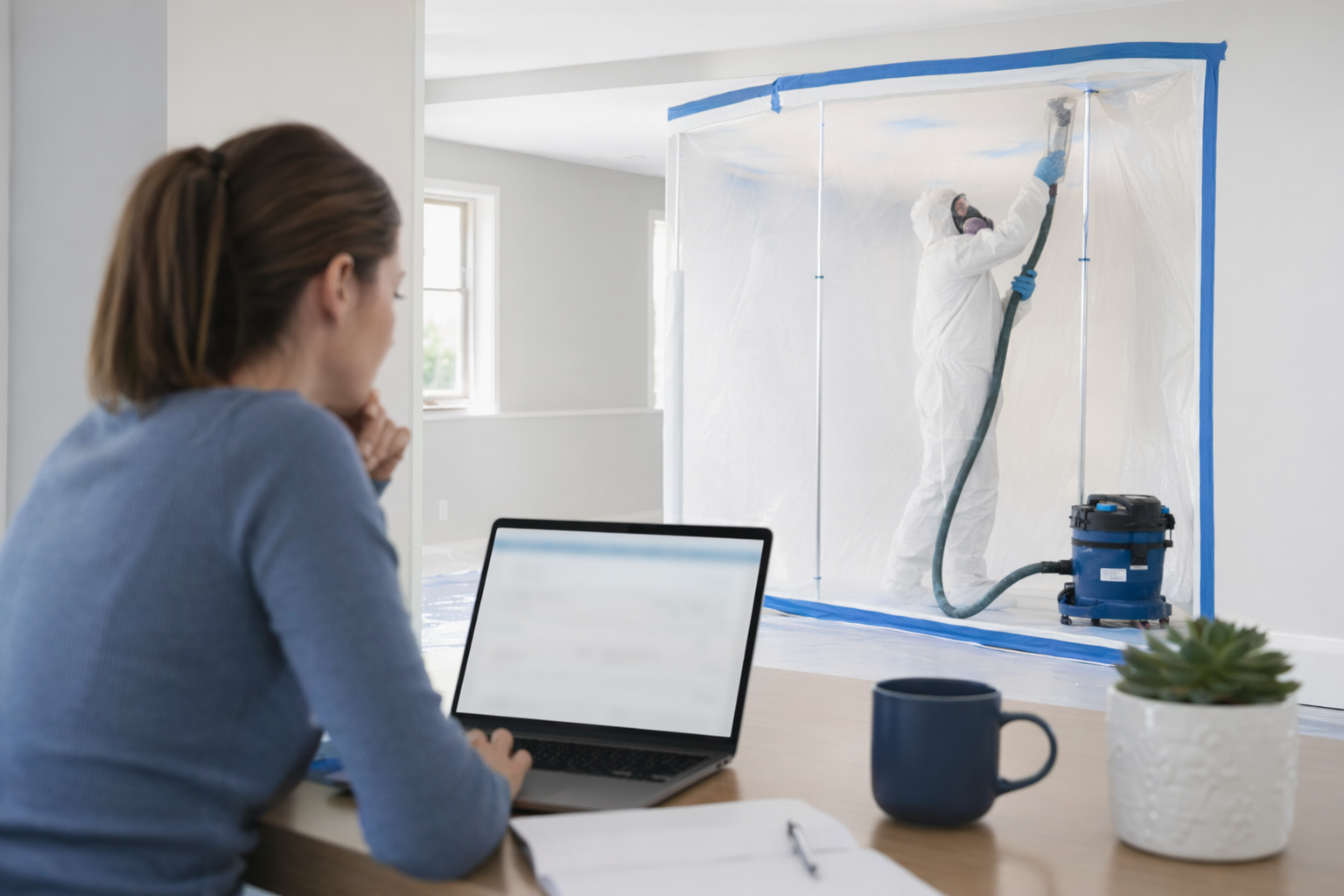
The certified team used containment—sealing the work area so dust and debris wouldn’t spread through the rest of the home. They followed procedures consistent with regulated practices, including minimizing dust generation, using appropriate personal protective equipment, and treating waste properly.
They also planned the work to reduce cross-contamination: keeping clean and dirty areas separated, controlling airflow, and managing cleanup carefully. This matters because even “small” disturbances can create fine dust that spreads.
Once work was completed, the homeowner ensured the job followed the professional’s required closeout steps (which may include clearance testing depending on the situation and local/state requirements). They avoided rushing, because safety procedures are part of the outcome—not a last-minute afterthought.
- Certified work typically includes containment to prevent dust spread
- Waste disposal should be handled properly according to required rules
- Don’t rush the closeout steps—ask what’s required in your area
Costs and timing: realistic ranges, no promises
Costs vary widely depending on what’s present, how much material there is, how accessible it is, whether containment must be extensive, and what testing/clearance steps are required. Because of that, any price ranges you see are only rough guidance.
As a general expectation, lead-related testing or assessment and lead-safe renovation steps can involve line items for testing, labor, containment controls, cleanup, and clearance (when required). Asbestos work may involve licensed abatement labor, containment setup, specialized disposal, and any required post-work steps.
In many areas, homeowners should expect to pay more when the scope is larger or when containment/disposal requirements are strict. If anyone offers an unusually low price without explaining containment and compliance, treat that as a red flag.
If you’re unsure where costs will land, start with testing and a written scope from certified professionals. You can then compare options based on compliance and safety practices, not just the lowest number.
- Expect costs to depend on scope, access, containment, and disposal requirements
- Be cautious of unusually low bids that don’t explain compliance steps
How Abatewell can help you find certified help (and what to double-check)
If you’re dealing with suspected lead paint or asbestos, you usually have two parallel goals: get the material identified and hire the right licensed/certified professionals to handle it safely.
Abatewell is a FREE matching/directory service. We connect you with professionals near your ZIP code based on your concern and preferred language. We do not test the material, remove anything, or provide lab results.
Here’s a simple path you can follow:
1. Share your ZIP and what you suspect (lead paint, asbestos, or both) using Abatewell.
2. Ask the professional about testing options and what they need to inspect.
3. When results come back, request a written scope for any needed lead or asbestos work.
4. Verify lead/RRP certification (for disturbing pre-1978 painted surfaces) and state asbestos licensing, and confirm insurance.
For more on the process, see How it works and Get matched. You can also browse examples in Stories.
- Abatewell helps you find options—certification verification is still your responsibility
- No testing or abatement is performed by Abatewell
Don’t disturb suspected lead paint or asbestos—test first with a certified pro, verify credentials yourself, and use proper containment and disposal for safe work.
Common questions
Is this story a real client case?
No. This is an anonymized, illustrative example to show what a safe, compliant path can look like. Your home and local rules may differ.
Do I need testing before I renovate?
In most situations where lead paint or asbestos is suspected, testing before sanding, scraping, cutting, or demolition is the safer approach. Certified pros can help you identify what’s present and what work is allowed.
What does “certified” mean for lead and asbestos?
For lead, disturbing painted surfaces in many pre-1978 home situations can require EPA Lead RRP certification and lead-safe work practices. For asbestos, licensing requirements are set by the state and usually require professional abatement practices with containment and proper disposal. Always verify with your state/EPA resources.
How can I spot an uncertified “deal”?
Common red flags include no license/certification, refusal to discuss containment and disposal, “we’ll just scrape/sand it off,” cash-only offers, and pressure to sign immediately. Ask for a written scope and verify credentials yourself.
Can Abatewell test my home or remove the hazard?
No. Abatewell is a FREE matching/directory service only. We don’t test, remove, or abate lead or asbestos, and we don’t provide legal, regulatory, or medical advice.