Services
Lead paint abatement and removal
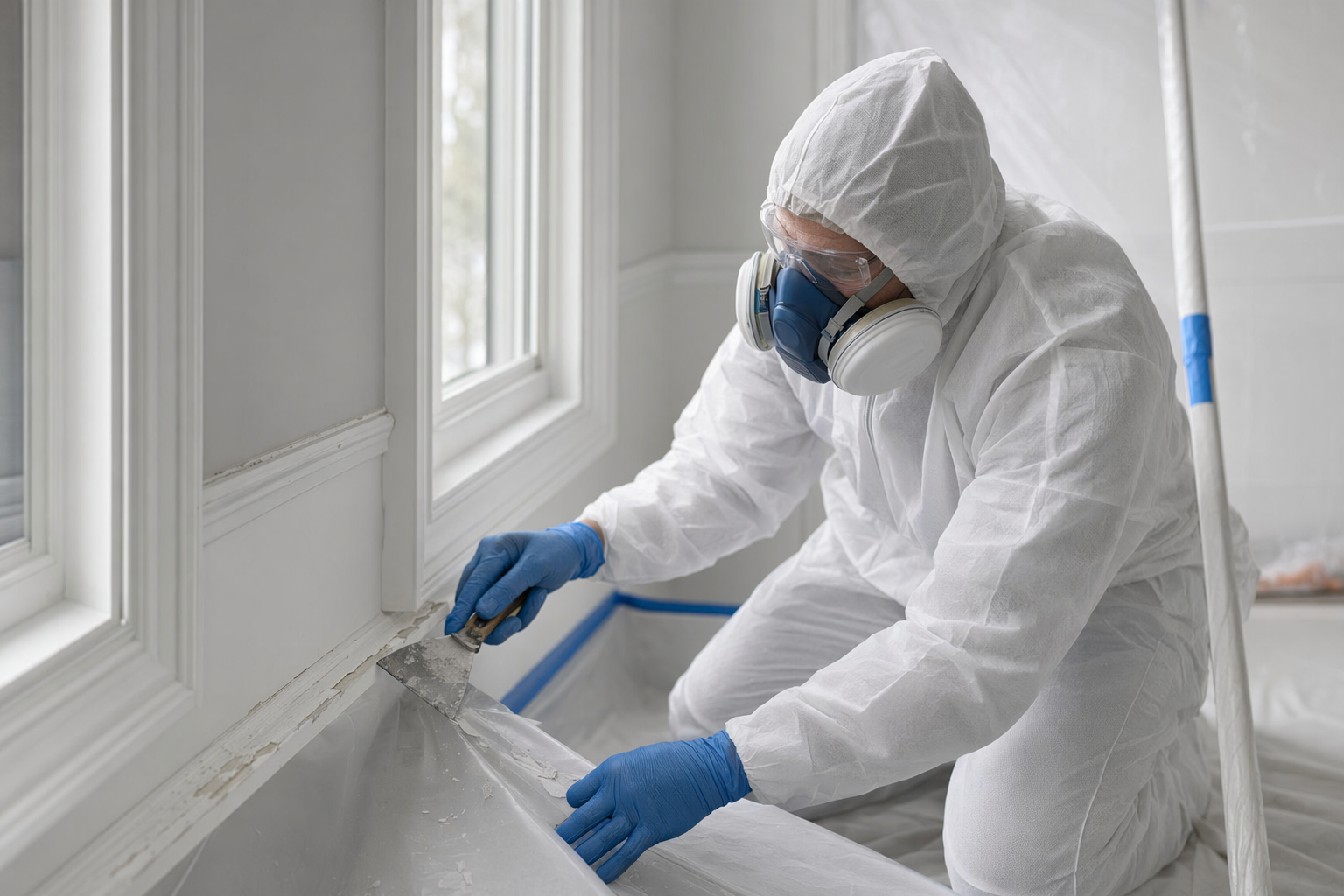
Lead paint abatement is certified work meant to permanently control a lead hazard. Do not sand, scrape, cut, or remove suspected lead paint yourself—keep people away and get the material tested first.
What to do right now
If you think a painted surface may contain lead, the safest first step is to leave it alone. Do not sand, scrape, drill, cut, demolish, or use a heat gun on it until you know what it is. Keep children, pregnant people, and pets away from chipping paint and dust.
Lead dust is the main danger. Even a small repair can spread dust through a home if the work is not done the right way. If there is peeling paint, damaged trim, old windows, or renovation planned in a pre-1978 home, arrange proper testing before work starts.
Abatewell is a free matching and directory service. We do not test, remove, or abate lead paint, and we do not give legal, regulatory, or medical advice. We help you find certified professionals near you so you can compare options and verify credentials yourself.
What lead paint abatement means
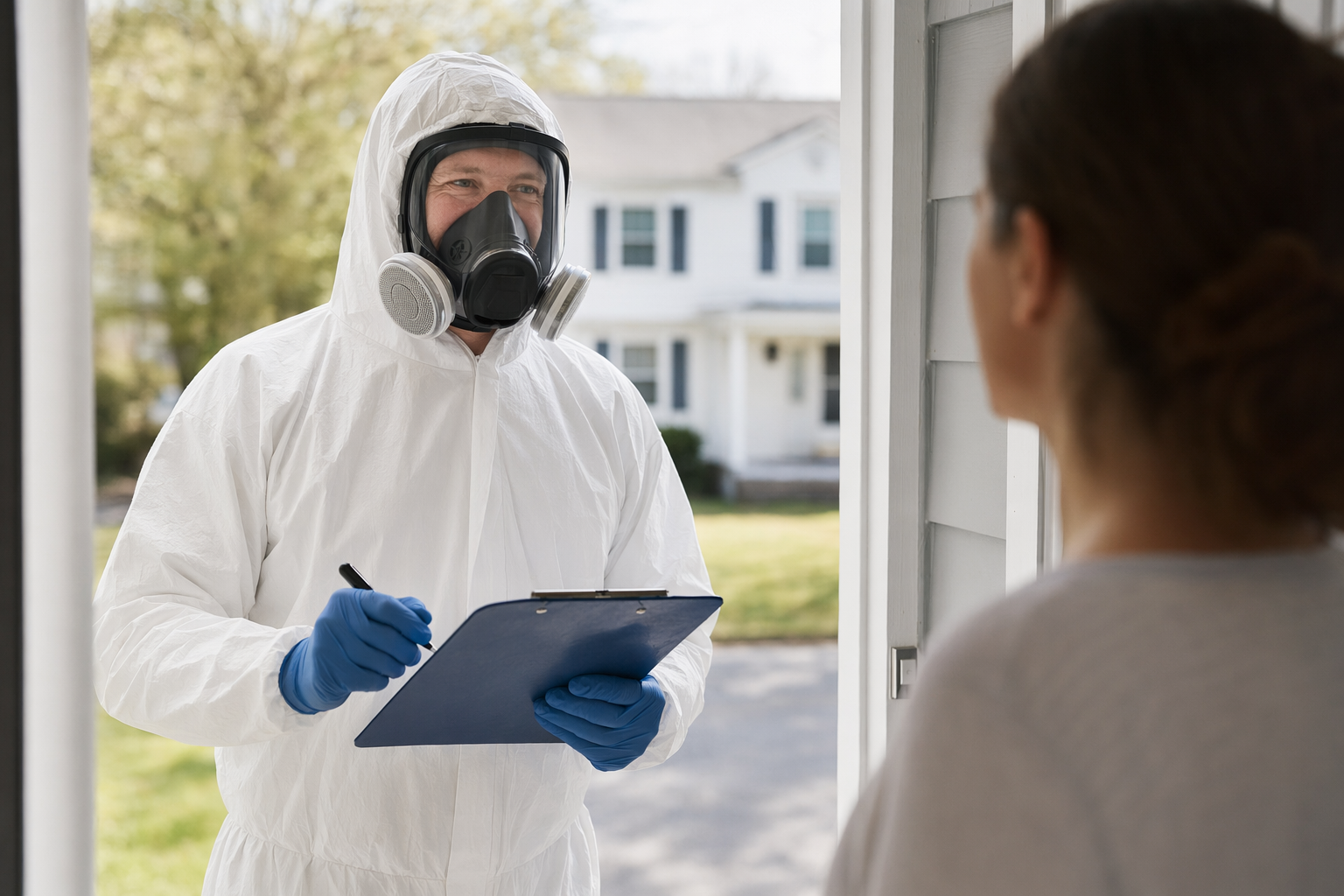
Lead paint abatement is not the same as ordinary painting or basic repair. In plain language, abatement means work designed to permanently control a lead hazard. That can include removing lead-based paint safely, replacing a component such as an old window or door, covering the hazard with an approved enclosure, or using an encapsulant made for lead hazards when appropriate.
A certified lead abatement contractor first figures out where the hazard is and which method makes sense for that surface. In some cases, complete removal is not the best or safest choice. Replacement or enclosure may create less dust and may be more reliable long term.
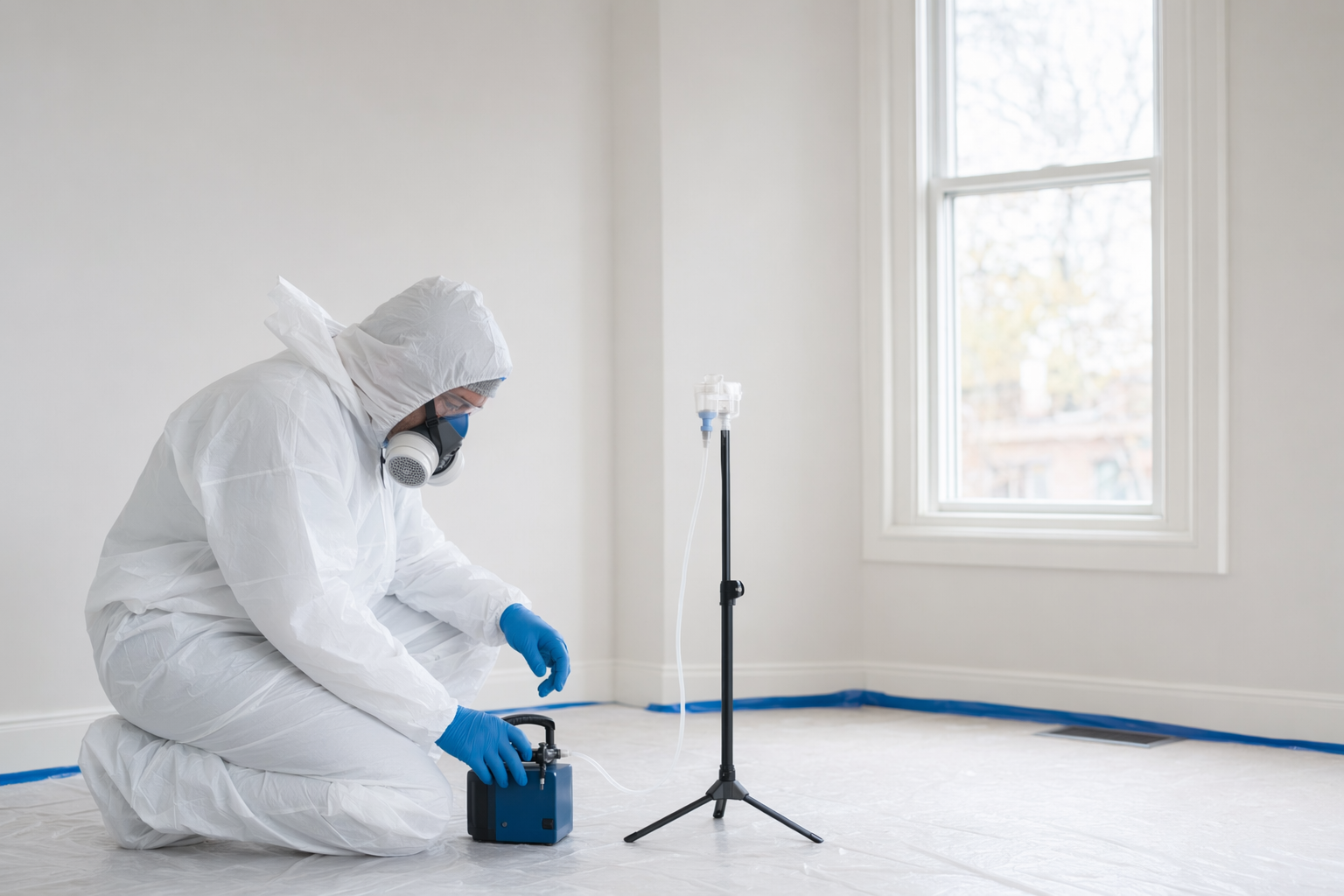
Testing matters because not every old painted surface contains lead, and different materials need different handling. A lead inspector, risk assessor, or other properly certified professional may use an XRF device, paint-chip sampling, dust wipe testing, or other approved methods, with samples analyzed by an accredited lab when required.
If you are planning renovation rather than full abatement, EPA Lead RRP rules may apply in pre-1978 homes and child-occupied facilities. That means firms disturbing paint must be EPA Lead-Safe Certified and follow lead-safe work practices. Full abatement work may involve additional state or local licensing and clearance rules, so verify what applies where you live.
How certified lead abatement is done safely
A qualified crew does not just "scrape it off." Proper work starts with setup and containment so lead dust does not spread to the rest of the home. Workers may isolate the area with plastic sheeting, protect floors and belongings, close off vents, post warning signs, and restrict access. They should use appropriate personal protective equipment and lead-safe methods designed to reduce dust.
During the job, certified crews use specialized cleaning procedures, including HEPA vacuums made for hazardous dust. They avoid unsafe shortcuts such as open-flame burning, uncontrolled power sanding, or dry scraping in ways the rules do not allow. Waste must be handled, packaged, transported, and disposed of properly under state and local requirements.
After the work, the area should be cleaned carefully and, when required, checked through clearance testing or visual clearance procedures to make sure lead dust has been properly addressed. Ask who performs clearance, whether an independent professional is recommended, and whether lab analysis is part of the process.
If a contractor will be disturbing other older materials during the project, ask about asbestos too. In many older homes, floor tile, pipe insulation, textured materials, or other building products may contain asbestos. Asbestos work is separately regulated and often requires state asbestos licensing, containment, and proper disposal. A legitimate company will tell you if separate asbestos testing is needed before demolition or removal.
What it may cost
Lead paint abatement costs vary a lot. The real number depends on the size of the affected area, how many rooms or components are involved, the method used, access, your location, the condition of the paint, whether testing or clearance is included, and local disposal requirements. These ranges are general information only, not quotes.
Small, limited projects may run from a few hundred to a few thousand dollars, while larger room-by-room or whole-home projects can cost several thousand to tens of thousands. Window and door replacement, enclosure work, specialty containment, and repeated cleaning and clearance can add to the total. Testing and dust clearance are often separate line items unless bundled.
A few rough examples: testing and inspection may range from roughly $250 to $800+ depending on scope; targeted abatement of a limited area may be around $1,500 to $5,000+; larger multi-room projects or extensive component replacement can be much higher. In some markets, whole-house lead hazard control can exceed $10,000 to $30,000 or more.
The best way to compare is to get written estimates with the exact scope listed. Ask whether the price includes setup, containment, labor, cleanup, waste handling, clearance, and any retesting. You can also review our general costs guide for broader pricing context.
Red flags and how to verify a real pro
Lead work is heavily regulated, and that is a good thing. Be careful with anyone who says they can just sand, scrape, or paint over the problem without testing, containment, or cleanup. That is not a small shortcut—it can create a serious dust hazard.
Watch for these warning signs:
- No proof of lead certification or firm certification
- No written scope of work or vague promises
- No containment plan, no HEPA cleaning, or no mention of clearance
- Pressure to sign immediately or scare tactics
- Cash-only demands or refusal to provide insurance information
- Statements like "we always do it this way" or "you don't need testing"
Ask the contractor to show you their certification and insurance, and verify it yourself with the EPA or your state or local authority. For renovation that disturbs paint in pre-1978 housing, ask whether the firm is EPA Lead-Safe Certified under the Lead RRP rule. For abatement, ask what state or local lead licenses or supervisor certifications are required where you live. If other hazardous materials may be involved, verify asbestos licensing separately with your state.
Also ask who is doing the testing, whether samples go to an accredited lab when required, how waste will be disposed of, and whether post-work clearance will be performed. A trustworthy pro should be able to explain the process in plain language.
How Abatewell helps you find certified lead paint abatement help
Abatewell is a free matching and directory service for people trying to find licensed or certified lead and asbestos professionals near them. We are not a contractor, testing laboratory, or law firm, and we do not perform inspections, testing, removal, or abatement ourselves.
If you want help finding companies to contact, you can use get matched. We collect only basic contact and project-intent details such as your name, phone, optional email, concern type, ZIP code, rough home age, and preferred language. We do not ask for financial account numbers, Social Security numbers, immigration status, or sensitive personal records.
When you speak with a contractor, tell them the age of the home, where the suspected paint is, whether children live there, and whether renovation is planned. Then compare written scopes, ask about containment and clearance, and verify certification yourself before you hire anyone.
If you are still deciding what kind of help you need, our hazards overview can help you understand the difference between testing, renovation rules, and permanent hazard control.
Do not disturb suspected lead paint—get it tested first, then hire and verify a properly certified pro for any permanent fix.
Common questions
Is lead paint abatement the same as repainting?
No. Ordinary repainting does not automatically remove a lead hazard. Abatement means permanent hazard control, such as safe removal, replacement, enclosure, or approved encapsulation, followed by proper cleanup and often clearance.
Can I remove lead paint myself?
The safest approach is no. Disturbing lead paint can spread dangerous dust, especially in pre-1978 homes. Get the material tested first and use a properly certified professional.
Do I need testing before abatement?
Usually, yes. Testing helps confirm whether lead is present and where it is, so the right method can be chosen. A certified professional can explain what kind of testing is appropriate for your project.
What is EPA Lead RRP and how is it different from abatement?
EPA Lead RRP covers renovation, repair, and painting work that disturbs paint in pre-1978 homes and child-occupied facilities. Abatement is separate work intended to permanently control lead hazards and may involve additional state or local licensing and clearance requirements.
How do I know if a contractor is legitimate?
Ask for their certification, firm information, insurance, written scope, and cleanup plan, then verify those credentials yourself with EPA and your state or local authority. Be cautious if they avoid testing, containment, or written paperwork.
What if I think my child was exposed to lead?
Contact your child's doctor or your local health department promptly. Abatewell does not provide medical advice, but possible lead exposure in a child should be taken seriously.