Services
Damaged or disturbed material — what now
If a wall, ceiling, floor, or trim may contain lead paint or asbestos and it was broken, cut, sanded, or disturbed, stop work now. Keep people away, do not clean it yourself, and get a certified professional involved quickly.
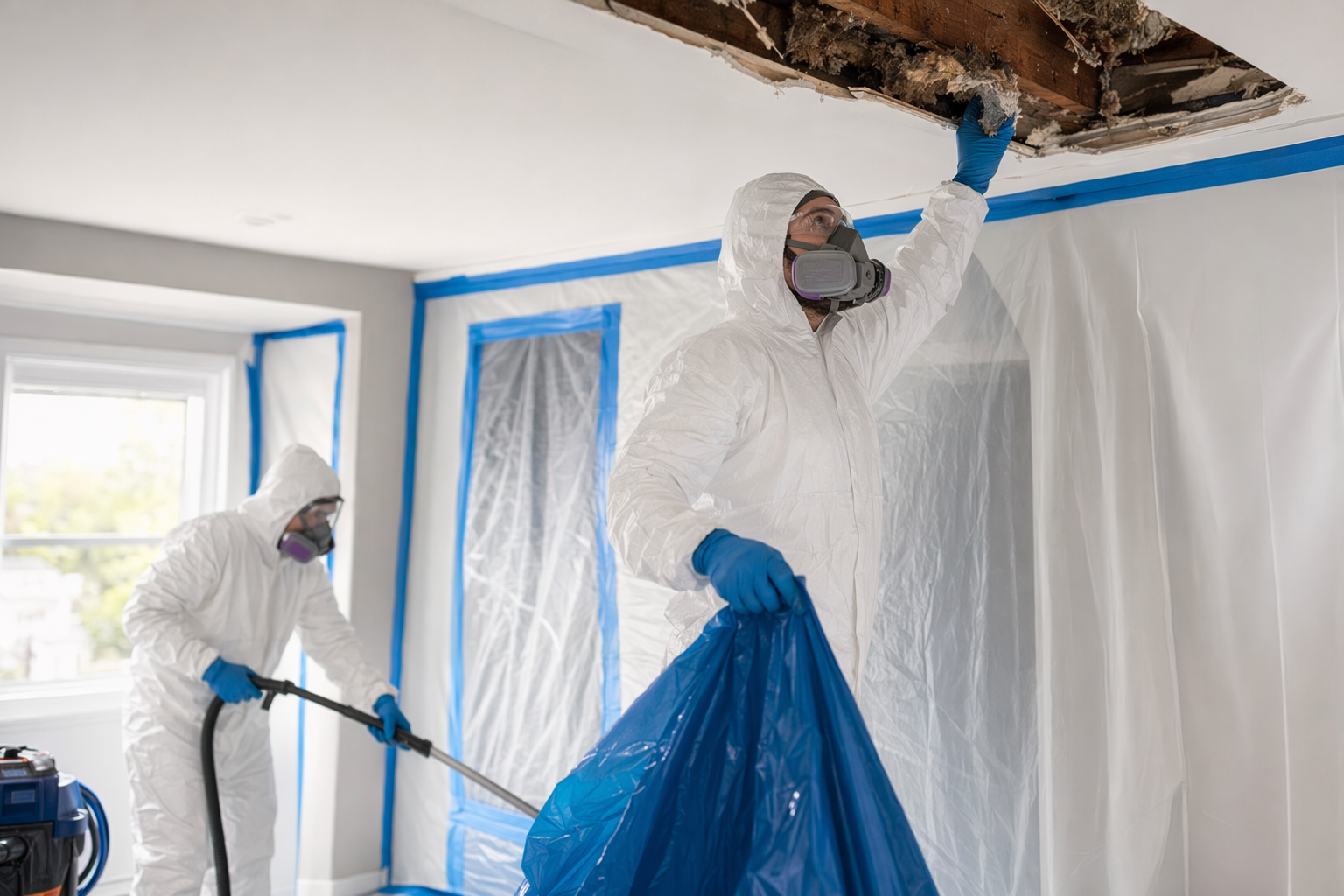
What to do right now
If you think lead paint or asbestos-containing material was disturbed, the safest next step is to stop touching it. Do not keep renovating, sweeping, vacuuming, scraping, sanding, or bagging debris yourself. Disturbing it more can spread dangerous dust.
Keep children, pregnant people, pets, and anyone not necessary out of the area. If possible, close doors, turn off fans or HVAC serving that space if you can do so without entering the area again, and avoid walking through debris.
- Stop work immediately.
- Keep people out of the room or area.
- Do not dry sweep or use a regular household vacuum.
- Do not scrape, sand, cut, or break more material.
- Contact a certified lead or asbestos professional for testing and next steps.
- If you are worried about possible exposure, contact a doctor or your local health department.
Abatewell is a free matching and directory service. We do not test, remove, or abate lead paint or asbestos, and we do not give medical, legal, or regulatory advice. We help you find local certified professionals through services or get matched.
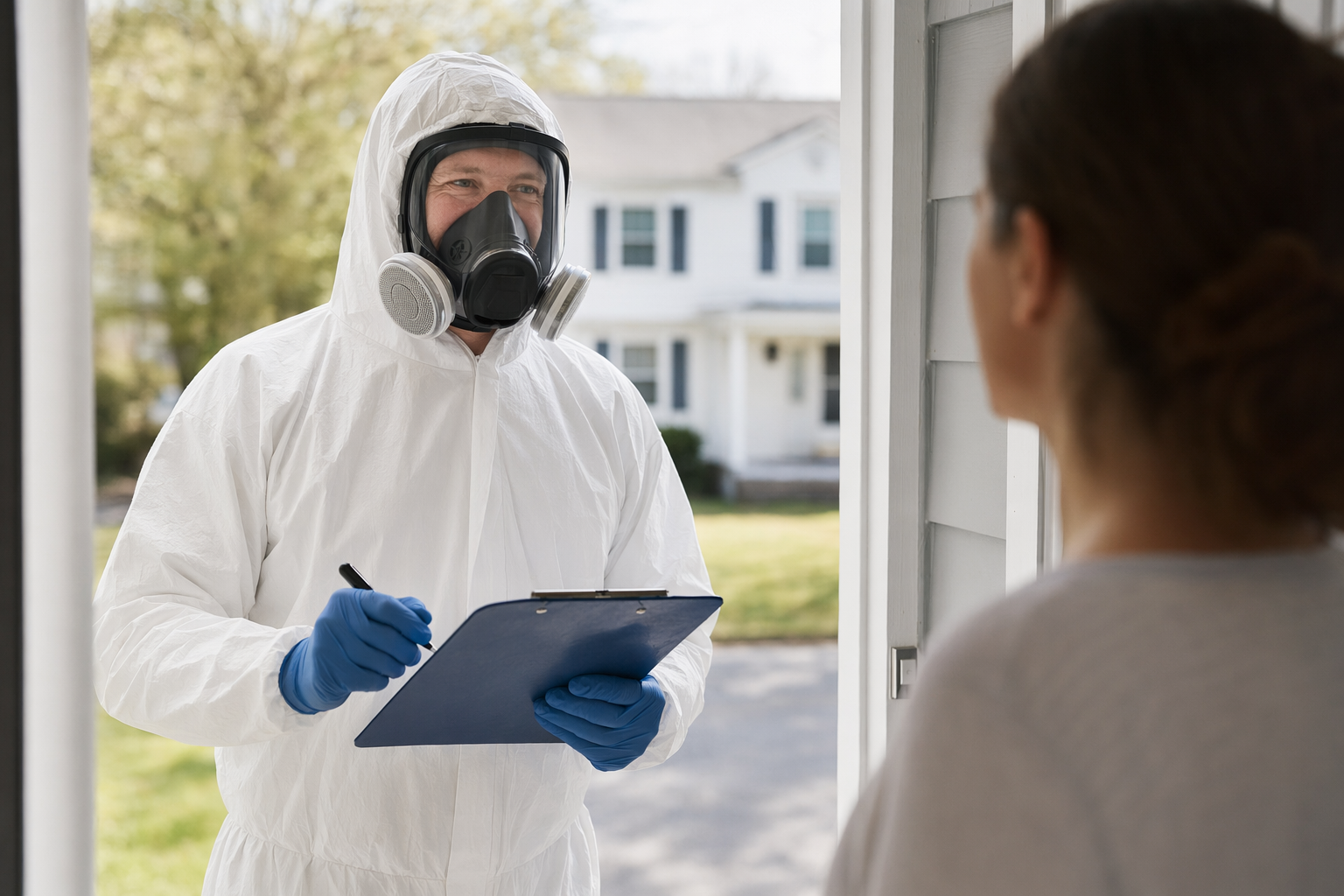
Why disturbed material can be a serious problem
Lead paint and asbestos are often most dangerous when they are damaged or disturbed. In older homes, cutting into painted trim, sanding old windows, opening walls, removing vinyl floor, breaking pipe wrap, or damaging ceiling texture can release dust or fibers that may not be easy to see.
Lead dust is especially harmful for young children and can also affect adults. Asbestos fibers can stay in the air and should be handled with strict controls. That is why the basic rule is simple: do not disturb suspected material, and have it tested before repair, cleanup, or demolition.
A certified professional can help figure out what was disturbed, how far contamination may have spread, whether testing is needed, and whether the right next step is cleaning, repair, encapsulation, enclosure, or full abatement. The answer depends on the material, the amount, the condition, and your state and local rules.
What certified testing and abatement work usually involves
The first step is often inspection and testing. For lead, that may include a lead inspection, risk assessment, dust wipe sampling, paint testing, or clearance testing after work. For asbestos, a trained inspector typically collects samples carefully and sends them to an accredited laboratory. Testing helps confirm what the material is before anyone decides how to handle it.
If certified cleanup or abatement is needed, professionals usually set up containment to keep dust or fibers from spreading. Depending on the job, that can include plastic barriers, sealed work areas, warning signs, controlled entry, protective clothing, respirators, and HEPA-filtered equipment. They use methods designed for hazardous material work, not ordinary remodeling cleanup.
After removal or repair, proper packaging, transport, and disposal are required. Lead and asbestos work is heavily regulated. Asbestos abatement licensing is generally handled at the state level, and disposal rules can be strict. For lead paint in pre-1978 homes, renovation that disturbs painted surfaces often falls under EPA Lead RRP rules, which require certified firms and lead-safe work practices.
Many jobs also need final cleaning and clearance or post-work testing before the area is considered ready for normal use again. Ask the professional what kind of clearance applies to your project, who performs it, and whether it is included in the written scope.
What it may cost
Costs vary a lot based on what the material is, how much there is, how damaged it is, where it is located, how hard it is to access, your local labor market, whether emergency response is needed, and what testing, containment, clearance, and disposal are required. These are general ranges, not quotes.
Testing may range from roughly a few hundred dollars for limited sampling to more for a larger inspection with multiple samples, dust wipes, or clearance testing. Small, limited cleanup or repair jobs can sometimes start in the high hundreds to low thousands. Larger abatement projects can run into the thousands or much more if multiple rooms, extensive containment, or licensed disposal are involved.
For example, a small suspected asbestos sampling visit might cost a few hundred dollars, while larger asbestos abatement can range from around $1,500 to many thousands depending on pipe insulation, flooring, ceilings, or wall systems. Lead-related work can also range from a few hundred dollars for testing to several thousand or more for lead-safe renovation, window work, paint stabilization, or full abatement. You can learn more on our costs page.
The safest way to compare pricing is to get a written scope from more than one qualified company. Make sure each bid describes the same work: testing, containment, labor, cleanup, disposal, and any final clearance. A low price may leave out important safety steps.
Red flags to watch for
Be careful with anyone who treats this like ordinary demolition or house cleaning. Lead and asbestos work should be handled by properly certified or licensed professionals using regulated methods. A person who says they will just scrape it off, sand it down, toss it in regular trash, or clean it with a shop vacuum is giving you a serious warning sign.
Other red flags include scare tactics, pressure to sign immediately, cash-only demands, refusal to show license or certification information, no written scope, no proof of insurance, and no plan for containment or disposal. If the company cannot explain how they will protect the rest of the home, that is a problem.
- No license or certification shown
- No containment plan
- "We'll just scrape or sand it off"
- No mention of HEPA cleanup or proper disposal
- Pressure to sign on the spot
- Cash-only or vague pricing
- No written scope or no proof of insurance
How to verify and find a certified professional
Ask for the exact company name, certification or license number, insurance details, and the scope of work in writing. Then verify it yourself with your state licensing authority, asbestos program, or the EPA information relevant to lead-safe renovation. Do not rely only on a business card, a website, or a verbal promise.
For lead paint in pre-1978 homes, ask whether the firm is certified under EPA Lead RRP for renovation, repair, and painting that disturbs painted surfaces. For asbestos, ask about your state's licensing requirements for inspection, abatement, transport, and disposal. Also ask where samples will be tested and whether the laboratory is accredited.
Helpful questions to ask:
- Will you test before removal if the material is not confirmed?
- How will you contain the area?
- What PPE and HEPA equipment will you use?
- Who handles disposal, and where does it go?
- Is clearance or post-work testing included?
- Can you provide certification, license, and insurance information for me to verify?
Abatewell is free for homeowners and renters. We only collect basic contact and project details such as your name, phone, optional email, concern type, ZIP code, rough home age, and preferred language so you can connect with professionals. We do not collect financial account numbers, Social Security numbers, immigration status, or sensitive records. To start, use get matched or browse services and hazards for general educational information.
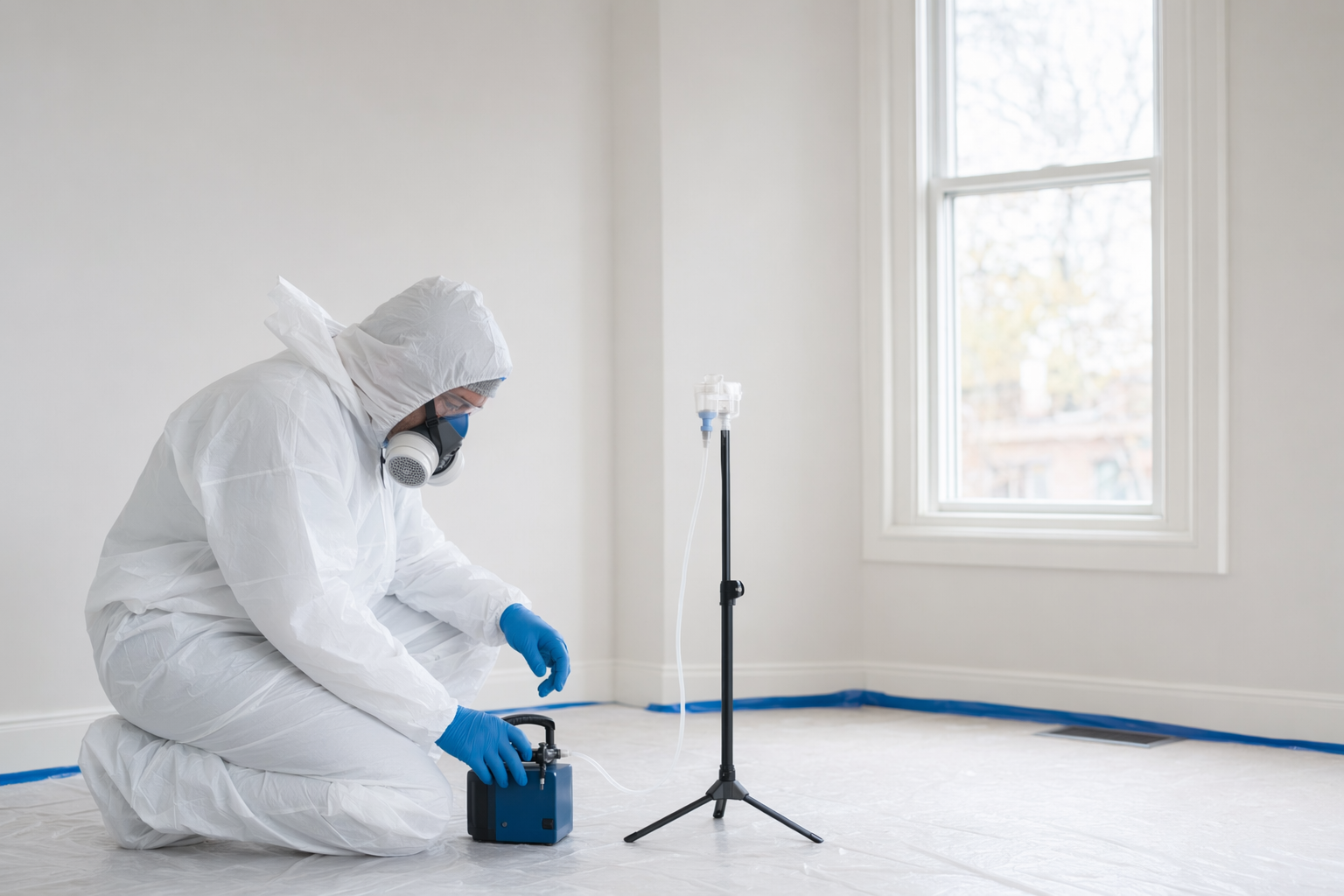
If something that may contain lead or asbestos was disturbed, stop work, keep people out, do not clean it yourself, and get a properly certified professional to test and handle it safely.
Common questions
Can I sweep up or vacuum the dust myself?
It is usually safest not to. Dry sweeping or using a regular household vacuum can spread lead dust or asbestos fibers further. Keep people away and call a certified professional for guidance.
If it is only a small hole or a little broken material, is it still a problem?
It can be. Even a small disturbed area may release hazardous dust or fibers, especially in an older home. The right response depends on the material, condition, and location, so testing and professional advice are important.
Do I need testing before removal?
In many cases, yes. Testing helps confirm what the material is so the right safety rules, containment, and disposal steps can be used. Ask the professional what testing is needed and whether the lab is accredited.
What certification should I ask about?
For lead paint work in pre-1978 homes, ask about EPA Lead RRP certification for renovation that disturbs paint. For asbestos, ask about your state's required asbestos licenses for inspection or abatement, and verify them yourself.
How fast can someone come out?
Timing depends on your area, the type of hazard, and whether testing or emergency containment is needed. Abatewell cannot promise timing or outcomes, but we can help you find local professionals quickly through our free matching and directory service.
Does Abatewell do the testing or removal?
No. Abatewell is not a contractor, testing lab, or law firm. We are a free matching and directory service that helps you find licensed or certified professionals near you.