Guides
What lead paint abatement really costs
Lead paint abatement costs vary widely because the price depends on what’s found, how much work is needed, and what safety and disposal steps are required. Here are realistic cost ranges and the red flags behind “cheap” offers.
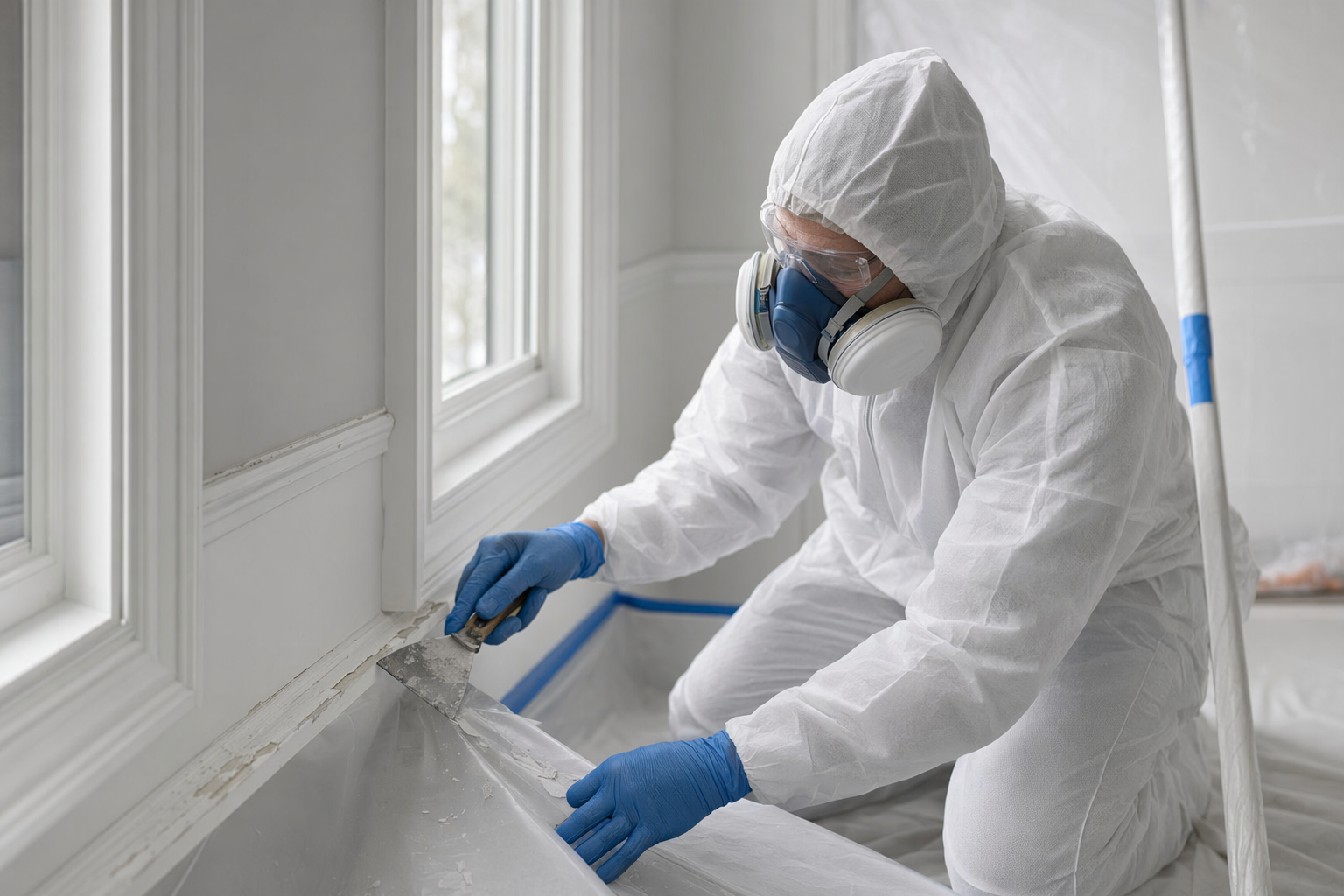
What to do right now (before you spend money)
1. Don’t disturb the suspected lead paint—no sanding, scraping, cutting, or demolition.
2. Keep people (especially children and pregnant people) out of the area.
3. Get it tested first by a certified lead inspection or risk assessor before deciding on abatement.
4. Ask for a written scope of work and clearance plan, not a one-line estimate.
If you’re in a home built before 1978, disturbing paint can create lead dust. The safest and most cost-effective path is usually “test first, then contain and repair correctly.”
Abatewell is a free matching/directory service. We can help you connect with licensed/certified lead professionals near you—but we don’t test or remove lead ourselves.
- Avoid “just sand it” plans—lead abatement must control dust and debris, then confirm cleanliness.
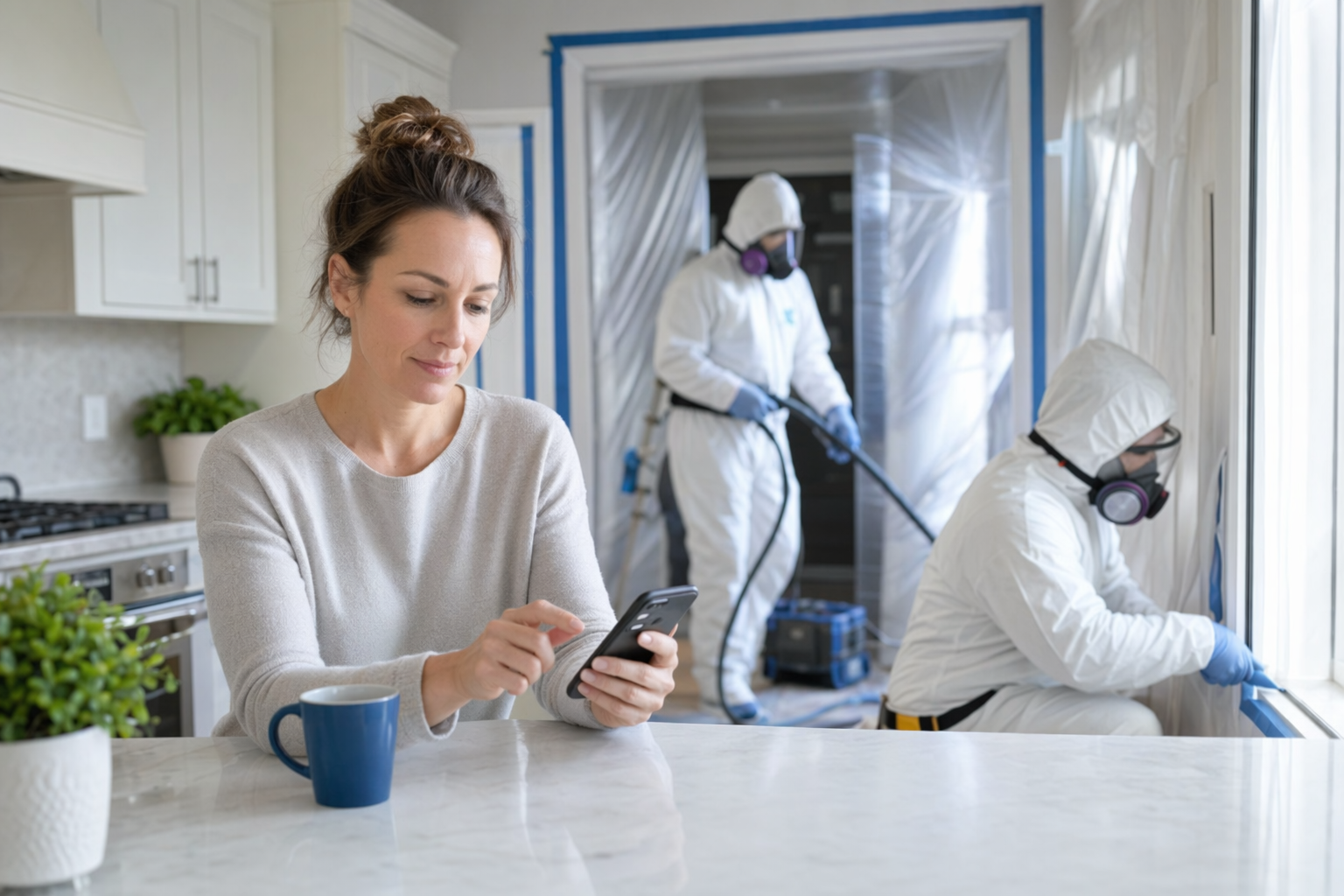
Typical cost ranges (so you can plan realistically)
Lead costs usually come in phases: testing/assessment, (if needed) abatement or remediation, and finally clearance testing. Your total bill depends on the size of the area and how much lead is present.
Common cost ranges (not quotes) in many parts of the U.S. look like this:
- Lead testing/inspection: often about $300–$900
- Risk assessment (looking for hazards and prioritized steps): often about $500–$1,500
- Clearance testing (after work): often about $200–$600
If abatement is required, remediation costs can be much higher. Common ranges include:
- Small targeted work (for example, localized repairs): often about $1,000–$4,000
- Medium areas (more rooms/repairs): often about $4,000–$12,000
- Larger projects (multiple rooms or extensive preparation/containment): often about $12,000–$30,000+
Why ranges are wide: lead jobs depend on surface type (trim, windows, siding), access, whether containment is required, the number of windows to address, and how much preparation/disposal is needed. “Cheaper” bids can fail to include containment, proper clean-up, or the clearance tests that protect your family.
If you also suspect asbestos, costs can increase because asbestos abatement is separately regulated and requires state licensing and special containment/disposal procedures.
- Clearance testing is usually part of doing the job correctly—not an optional add-on.
What really drives the price (and what should be included)
The main reason lead abatement quotes vary is that different contractors propose different levels of safety. A correct job isn’t just “remove paint”—it’s control dust and waste, prevent spread, and verify results.
Things that commonly increase costs:
- Extent of the hazard (multiple surfaces, multiple rooms, repeating repairs)
- Type of materials (windows, painted trim, doors, siding, interior plaster)
- How much prep is needed (moving belongings, protecting floors/walls)
- Containment setup (plastic sheeting, negative pressure for some situations, sealing vents)
- Waste handling and disposal (proper bagging, labeled disposal streams)
- Clearance testing scope (enough testing to verify safe conditions)
Where “cheap” offers go wrong:
- No real containment plan
- Skipping lead-safe work practices
- Not mentioning clearance testing
- Vague cleanup steps (“we’ll sweep and vacuum”) without HEPA-controlled methods
Lead work in pre-1978 homes is strongly tied to EPA Lead RRP rules (Renovation, Repair and Painting) for contractors performing renovation that disturbs painted surfaces. In many cases, working practices should reflect that training and certification framework. Your state may have additional or different requirements, too.
Ask for these items in writing so you can compare bids fairly:
- The exact areas/surfaces to be treated
- The method (for example, remove/replace vs. enclosure vs. specialized treatment) and why it’s recommended
- Containment and dust control details
- How waste will be packaged, transported, and disposed
- The clearance testing plan (who performs it and when)
Because we’re a free directory/matching service, we’ll help you find options—but you’ll still want to verify licensing/certification and compare scopes on your own.
- A good quote should read like a safety plan, not just a price per room.
Why the “cheapest” option can be the most expensive later
Lead hazards are health hazards. If abatement is done incompletely or without proper dust control, the hazard can return or spread—sometimes causing additional repairs, repeat clearance testing, or ongoing exposure concerns.
Red flags you should treat as warning signs:
- “We’ll just scrape or sand it off” with no clear containment plan
- No mention of dust control (HEPA vacuums, sealed work area) or proper cleanup steps
- No clearance testing after work
- “Cash only” or pressure to sign on the spot
- No license/certification information—especially for lead-related work in your state
- Very low price compared to other bids with similar scope (a common sign something key is missing)
A common scam pattern is fear-based pressure: someone may claim you must proceed immediately or suggest a plan that sounds simple but skips required safety steps. You should slow down, ask questions, and get the details in writing.
A safer approach is to compare like-for-like:
- Ask every provider for the same scope description
- Request details about containment, waste disposal, and cleanup
- Confirm who conducts clearance testing and how results will be documented
If costs are still a concern, ask about options that don’t disturb more than necessary (for example, targeted repairs vs. broader work), but only after testing and professional evaluation.
- If clearance testing isn’t in the plan, treat that as a major gap.
How to verify certification (EPA Lead RRP and state requirements)
Lead work is regulated, and the verification steps are part of protecting yourself. Abatewell does not provide legal or regulatory advice and cannot verify credentials for you, but we can point you to the kinds of checks to do.
For lead disturbance in many renovation scenarios, look for EPA Lead RRP (Renovation, Repair and Painting) certification/training for the firm and workers who will disturb painted surfaces in pre-1978 homes.
How to verify (do this directly):
- Ask the provider for their EPA Lead RRP firm certification details and confirm what category applies
- Check that the firm is properly certified for the type of work they’re proposing (and for your situation)
- Verify state licensing for lead-related abatement/remediation if your state requires it (requirements vary)
- If the job could involve asbestos or you suspect it may be present, ensure separate asbestos licensing and containment/disposal practices are in place
- Confirm they have insurance and can provide documentation for their work
For asbestos (if relevant): states require asbestos abatement licensing. Proper containment and disposal are essential, and work must be done by the correctly licensed professionals for your state.
What to ask on the phone (simple and practical):
- Are you licensed/certified to perform this exact kind of lead work in my state?
- Will you provide a written scope of work and a clearance testing plan?
- How do you control dust and prevent spread during the work?
- Who performs the clearance sampling/testing, and how will you share results?
If someone can’t provide clear answers or documentation, that’s a decision signal. Trust the paperwork, not the promises.
- Verify directly with the EPA/state tools or offices—don’t rely on verbal claims.
How Abatewell helps you find the right kind of pro (for free)
Abatewell is a FREE matching and directory service for people across the United States who suspect or have confirmed lead paint (and sometimes asbestos). We help you connect with licensed/certified testing and abatement professionals near you.
We collect only contact details and your project intent (for example, your ZIP code, a concern type like lead, and an optional preferred language). We do not collect sensitive identity details, immigration status, or financial account information.
To get matched, you can start here: Get matched.
A helpful next step is to review guidance on how to approach testing and the hazard itself: Hazard guide and Cost basics.
Before you hire anyone, compare scopes and verify credentials yourself. The goal is to find professionals who will test first, contain and remediate safely if needed, and document clearance—so you can move forward with confidence.
- Use Abatewell to find options, then verify certification and insurance yourself before work begins.

Lead abatement cost ranges depend on what’s found and how safely it’s contained and verified—so test first, don’t disturb suspected paint, and watch for “cheap” bids that skip containment or clearance.
Common questions
Do I have to do full lead abatement, or can I repair smaller areas?
It depends on what testing shows and where the hazard is (windows, trim, doors, floors, or other painted components). A risk assessor can usually recommend the least disruptive, safest approach—sometimes targeted repair/encapsulation is considered, but only after evaluation.
Why isn’t the cheapest bid always the best bid?
Lead work must control dust, prevent spread, handle waste properly, and usually include clearance testing. Very low bids can indicate missing containment, inadequate cleanup, or no clearance plan—issues that can lead to repeat work and additional costs.
Should I test myself with a DIY kit?
DIY tests often can’t replace certified inspection/risk assessment or accredited lab methods, and mistakes can delay the safest next step. For a serious health concern, it’s safer to have a certified professional perform testing first so you understand the real hazard.
What is clearance testing and why does it matter?
Clearance testing is used to confirm the area is clean after lead-related work. It helps protect people from ongoing exposure and is an important part of a properly completed job—not something you should skip.
How do I verify EPA Lead RRP certification and state requirements?
Ask the provider for their EPA Lead RRP firm certification information and confirm it matches the work they will do. Then check your state’s requirements for lead abatement/licensing and verify asbestos licensing separately if asbestos might be present.