Guides
Removal vs. encapsulation
Removal and encapsulation can both be the right choice in some homes. The safest first step is usually the same: do not disturb suspected lead paint or asbestos, keep people away, and have a certified professional assess and test it first.
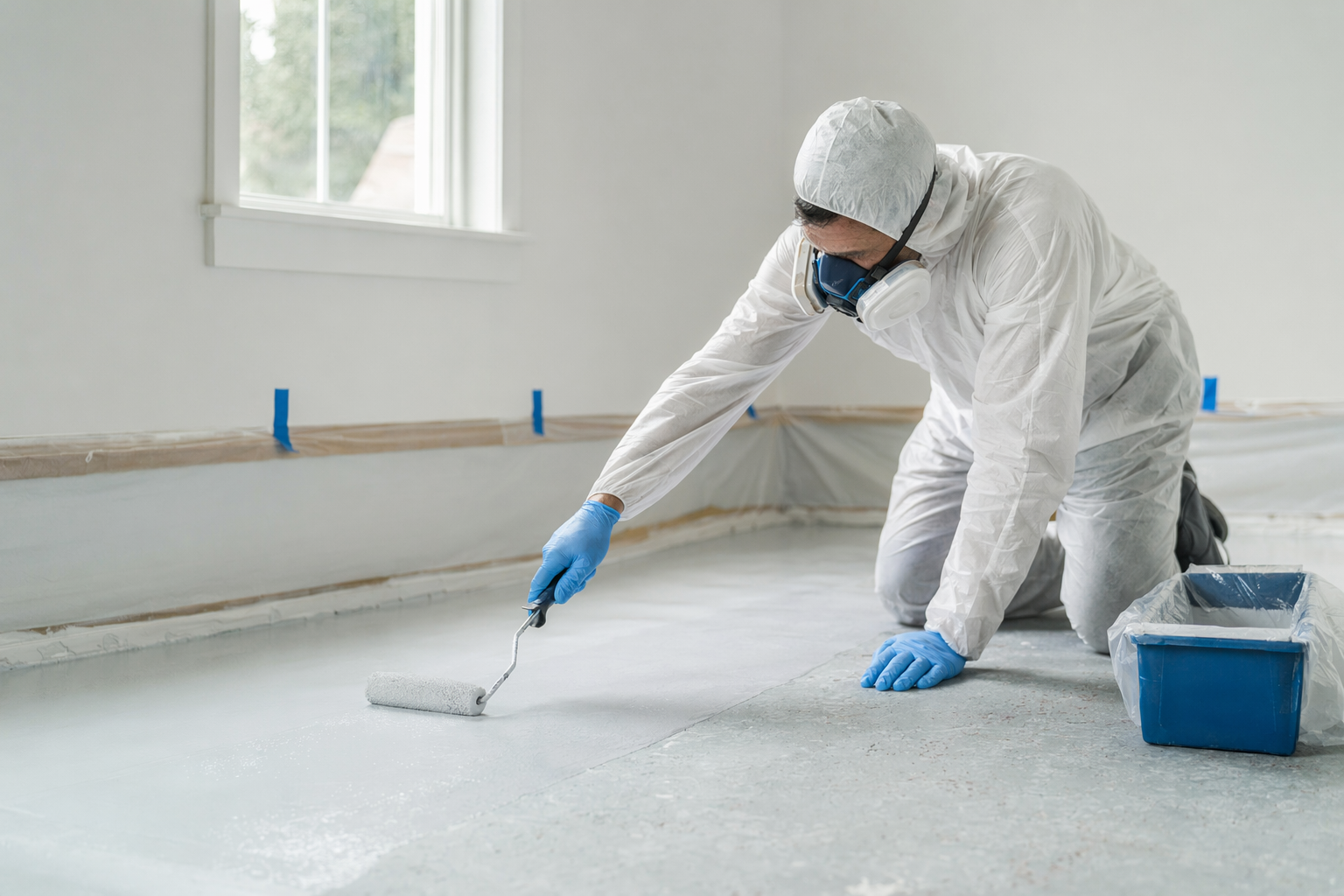
What to do right now
If you think a material may contain lead paint or asbestos, do not sand, scrape, cut, drill, tear out, or demolish it. Keep children, pets, and anyone not involved away from the area until a qualified professional can look at it.
If the material is damaged, crumbling, peeling badly, or already disturbed, avoid touching it and limit access as much as you safely can. For a health concern, especially possible lead exposure in a child, contact a doctor or your local health department.
Before choosing removal or encapsulation, get the material properly evaluated and, when needed, tested by a certified professional and an accredited lab. Abatewell is a free matching service and directory, not a contractor, testing lab, or law firm, and we do not test, remove, or abate anything ourselves.
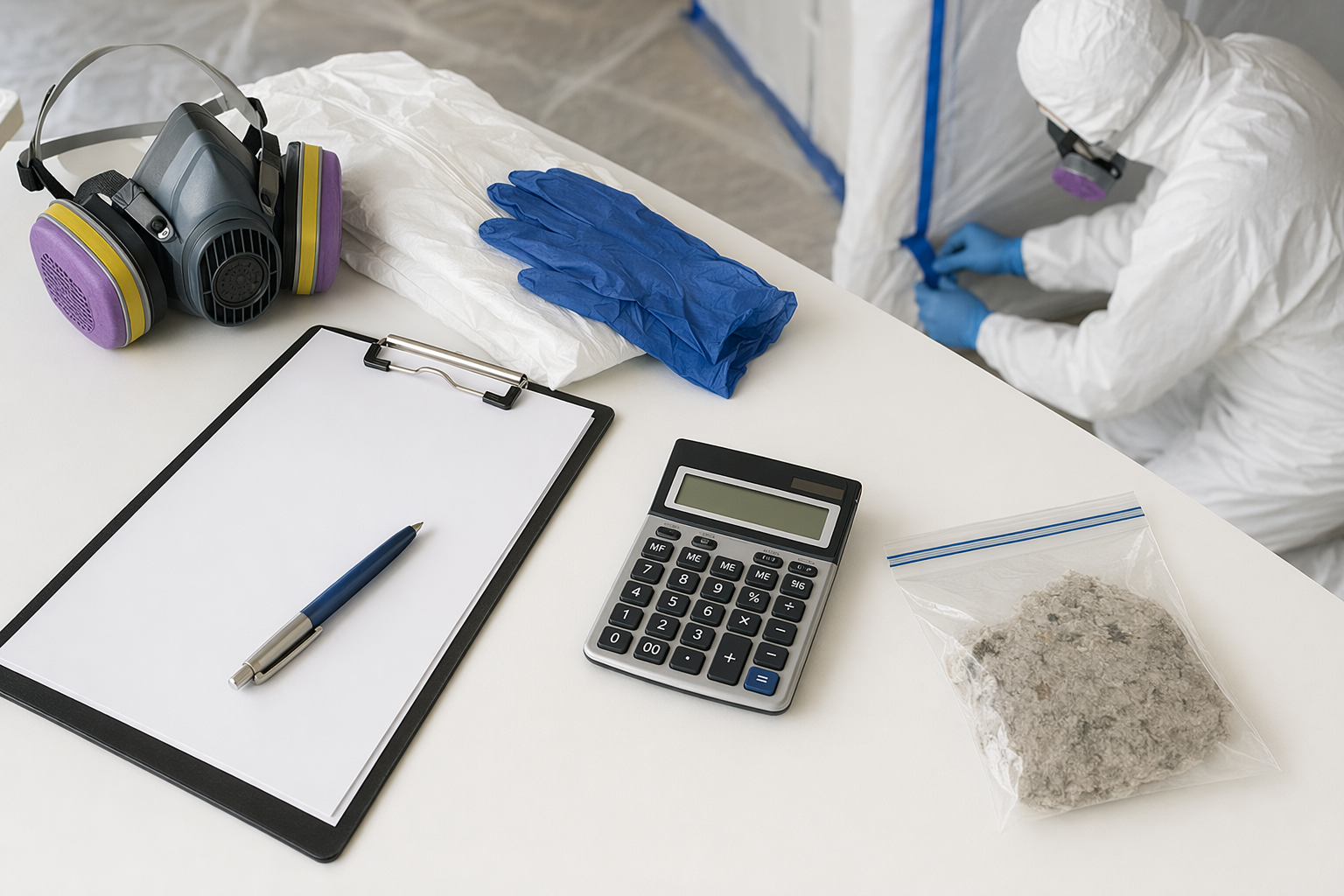
Removal vs. encapsulation: the simple difference
Removal means the hazardous material is taken out of the home. For asbestos, that may mean licensed abatement workers remove pipe insulation, floor tile, popcorn ceiling, siding, or other suspect material under containment and dispose of it properly. For lead paint, removal can involve component replacement, chemical stripping, or other methods done under strict controls.
Encapsulation means sealing the material in place with a specialized coating or system so fibers or dust are less likely to escape. In some cases, enclosure is also used, which means covering the material with a durable barrier such as new wallboard or another approved covering rather than taking it out.
Neither option is automatically better in every situation. The right choice depends on what the material is, whether it is damaged, where it is located, whether renovation is planned, who lives in the home, and what state and local rules require.
When removal often makes more sense
Removal is often considered when the material is badly damaged, friable, deteriorating, hard to keep sealed, or likely to be disturbed by planned work. It may also make sense when a renovation, repair, or real-estate transaction requires the hazard to be addressed more permanently.
For example, if asbestos insulation is falling apart around pipes, or if lead-painted windows and doors create friction and make dust every time they open and close, sealing alone may not solve the problem well. In those cases, a certified professional may recommend removal or replacement as the safer long-term option.
Removal can reduce future management needs, but it is usually the more disruptive and expensive option. It also creates risk during the work itself, which is why containment, specialized cleanup, and proper disposal are so important.
For lead paint in pre-1978 homes, any work that disturbs painted surfaces generally needs an EPA Lead RRP-certified firm, and some states or localities have additional rules. For asbestos, state licensing rules typically apply to abatement, and disposal must follow specific requirements.
When encapsulation or enclosure may make sense
Encapsulation or enclosure may be a reasonable option when the material is in decent condition, can be left undisturbed, and can be reliably covered or sealed. This approach is often used when removal would create more disruption than benefit, or when the hazard can be safely managed in place.
Examples can include intact asbestos-containing materials that are not being touched, or certain lead-painted surfaces that can be stabilized and covered rather than stripped. A certified professional should decide whether the product and method are appropriate for that exact surface and condition.
Encapsulation is not a "quick paint-over" job. It needs the right preparation, product, and ongoing monitoring. If the sealed material is later damaged during repairs or remodeling, the hazard can return, so future owners and contractors need to know it is there.
Cost trade-offs: lower now vs. lower later
In general, encapsulation or enclosure often costs less upfront than full removal, but that does not always make it cheaper over time. Removal usually costs more at the beginning because of labor, containment, cleanup, transport, and disposal, especially for asbestos.
Very rough ranges only: small lead-paint stabilization or encapsulation work may run from a few hundred to a few thousand dollars, while larger corrective work or component replacement can cost more. Asbestos encapsulation or enclosure may also range from a few hundred dollars for limited areas to several thousand, while removal for larger or harder-to-access materials can be several thousand dollars and up. Full-house or major project costs can be much higher.
These are not quotes. Your real cost depends on the material, how much there is, condition, access, your location, whether testing is needed, the type of containment required, and disposal rules. You can learn more on our costs guide and compare options with local professionals through free matching.
- Testing and lab fees are often separate
- Tight spaces, damaged material, and occupied homes can raise costs
- Required disposal and local rules can change the total a lot
How to choose safely with a certified pro
The decision should be made with a properly qualified professional after they see the material, understand your plans, and explain the risks and limits of each option. Ask them to tell you plainly why they recommend removal, encapsulation, or enclosure, and what future monitoring or restrictions would still apply.
Always verify credentials yourself. For lead paint, check EPA Lead RRP certification when painted surfaces in pre-1978 homes may be disturbed. For asbestos, verify the contractor's state license or certification for inspection and abatement where required. Ask for proof of insurance too.
Get the scope, containment plan, cleanup steps, and price in writing. Be careful of red flags: no license, no certification, no containment, "we'll just scrape or sand it off," cash-only demands, scare tactics, or pressure to sign right away.
- Do not disturb the material.
- Get it assessed and tested if needed.
- Ask whether removal, encapsulation, or enclosure fits your situation.
- Verify certification, license, and insurance yourself.
- Compare written scopes, not just prices.
Abatewell is a free directory and matching service. We collect only basic contact and project-intent details such as name, phone, optional email, concern type, ZIP code, rough home age, and preferred language so you can connect with local pros. See more guides or explore common services.
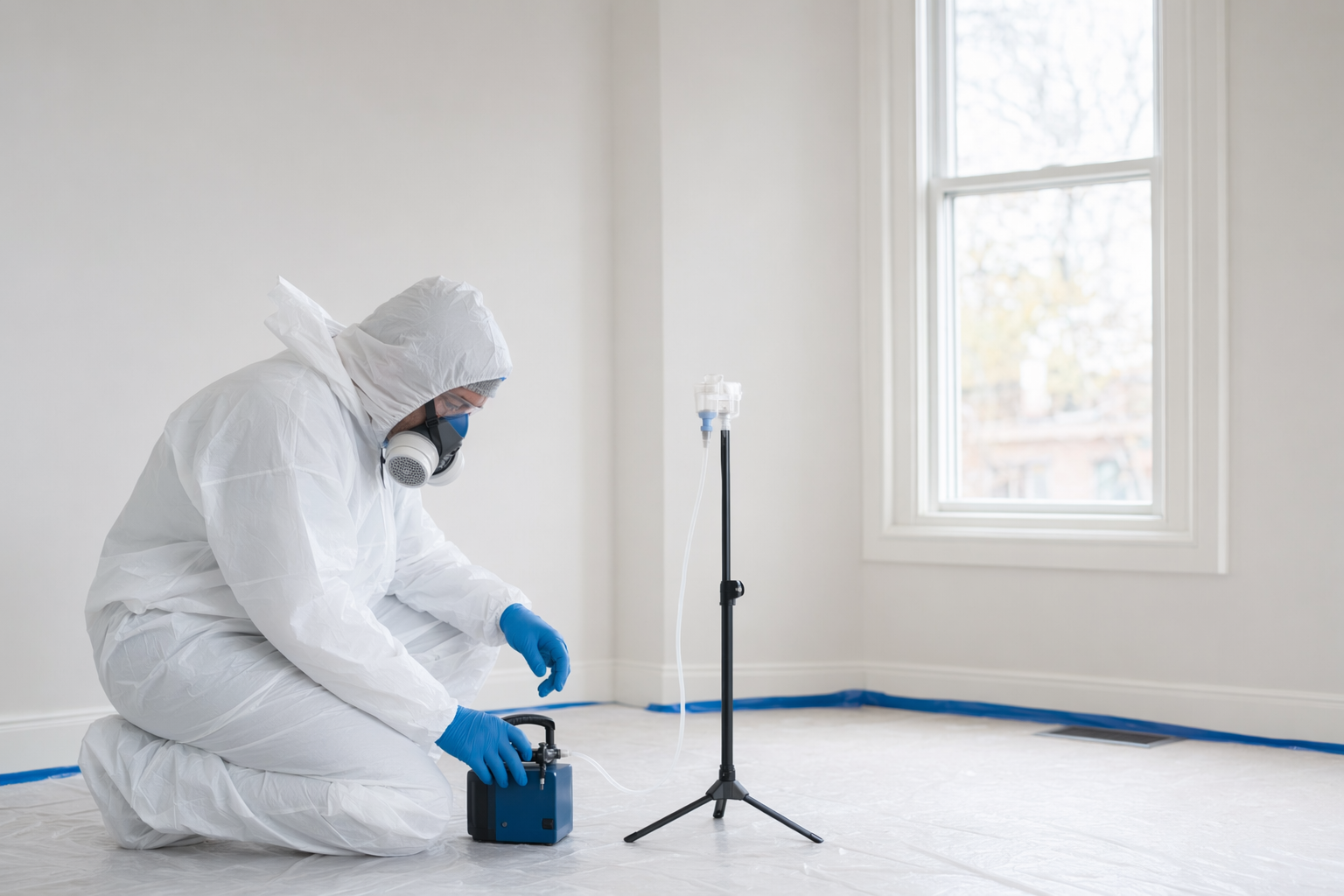
Removal takes the hazard out, encapsulation seals it in place, and a certified professional should help you choose after seeing the material and your situation.
Common questions
Is encapsulation just painting over asbestos or lead paint?
No. Proper encapsulation uses specific products and methods for a specific material and condition. A certified professional should decide whether it is appropriate, because ordinary paint is not the same as a true encapsulant.
Is removal always the safest option?
Not always. Removal may be the best choice in some cases, but disturbing hazardous material can create risk during the work, which is why containment and trained, licensed or certified workers matter. In other cases, leaving material safely in place and sealing or enclosing it may be appropriate.
Can I decide without testing and just choose removal?
That is risky. The safest first step is usually to avoid disturbing the material and have a qualified professional assess it, with testing by an accredited lab when needed. The handling rules, containment, and disposal requirements can differ a lot depending on what the material actually is.
What if I am planning a renovation in a pre-1978 home?
Be especially careful. Disturbing paint in a pre-1978 home may require an EPA Lead RRP-certified firm, and some states or cities have added rules. If asbestos may be present, state asbestos licensing and disposal rules may also apply.
How do I know if a contractor is legitimate?
Verify their certification or license yourself with your state authority or EPA, and ask for insurance. Get the scope, containment steps, cleanup, and price in writing, and avoid anyone who wants to sand or scrape without controls or pressures you to sign on the spot.
Does Abatewell do the testing or abatement work?
No. Abatewell is a free matching and directory service only. We help you find local licensed or certified professionals, but we do not test, remove, or abate lead paint or asbestos, and we do not provide legal, regulatory, or medical advice.