Quick answers
Is lead paint dangerous if it isn't peeling?
Yes. Lead paint can still be dangerous even if it looks fine, because dust can be created later by friction, impact, or renovation. The safest first step is to not disturb it and have it tested by a certified professional.
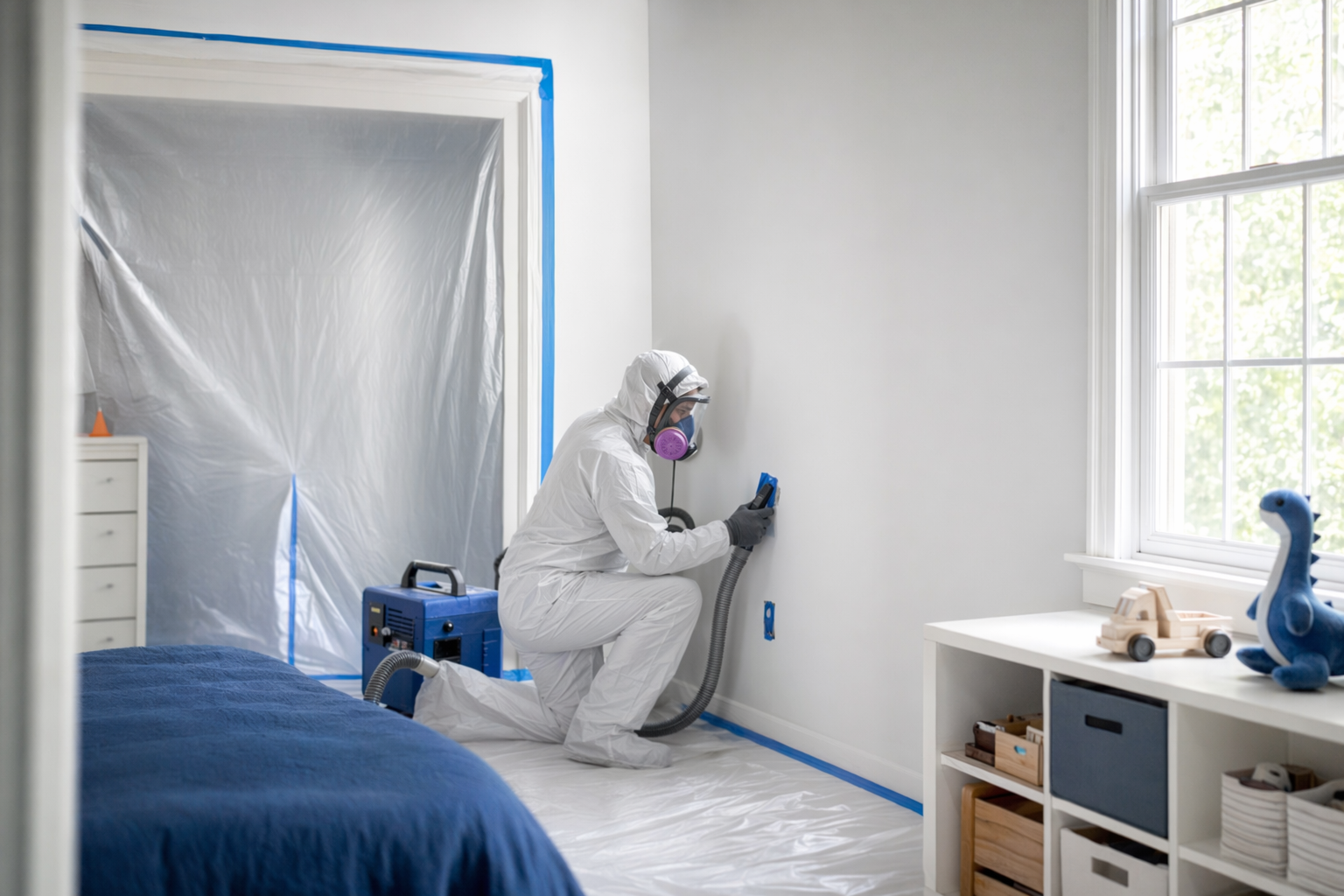
What to do right now
If you suspect lead paint, do not sand, scrape, cut, burn, or demolish the surface yourself. Keep children and pets away from the area, and clean up only with methods that avoid making dust.
If you are planning repairs, remodeling, or a sale in an older home, treat the paint as a hazard until a certified pro confirms otherwise. The safest next step is to arrange testing or an inspection before any work starts.
Abatewell is a free matching and directory service. We do not test, remove, or abate lead paint, and we do not give medical, legal, or regulatory advice.
- Do not disturb suspected lead paint
- Keep kids and pets away from the area
- Get it tested first by a certified professional
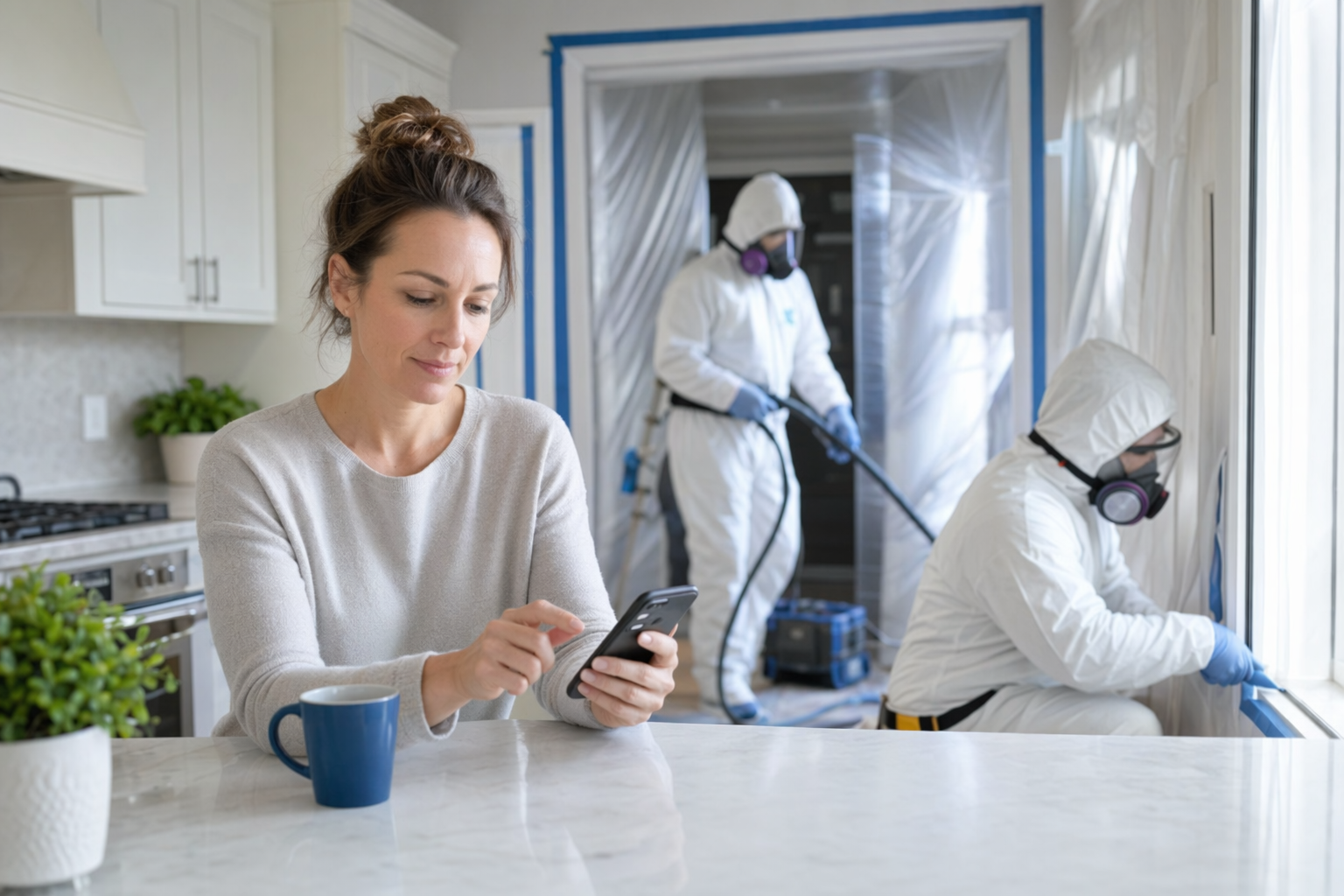
Can lead paint still be risky if it is not peeling?
Yes. Lead paint is most likely to create a problem when it turns into dust or chips, but it does not need to be visibly peeling to be a risk. Friction from windows and doors, small impacts, wear over time, and repairs can release lead dust even when the surface looks intact.
That is why older homes, especially those built before 1978, are taken seriously even when the paint looks stable. A smooth wall can still have lead in it, and dust can spread to floors, windowsills, hands, toys, and clothing.
The main health concern is lead dust or chips getting into the body, especially for young children and pregnant people. If you think someone may already have been exposed, contact a doctor or your local health department.
- Stable-looking paint can still contain lead
- Friction and repairs can make dangerous dust
- Children and pregnant people are especially vulnerable
How to check it safely
The right test depends on the situation. A certified lead professional can use approved methods to check painted surfaces, and an accredited lab may be used for samples when needed. If the home was built before 1978, ask whether the work requires EPA Lead RRP certification before disturbing painted surfaces.
For asbestos, the rules are different but the safety idea is the same: do not disturb suspect material, and use a licensed asbestos professional. State asbestos abatement licensing, required containment, and proper disposal matter because the material can become dangerous when fibers are released.
Before hiring anyone, verify the pro’s certification and insurance yourself with your state agency or the EPA. Ask for the scope of work in writing, what testing method they will use, and how they will contain and dispose of debris.
- Check EPA Lead RRP certification for paint work in pre-1978 homes
- Check state asbestos licensing for asbestos work
- Ask for written scope, containment plan, and disposal method
What a certified pro should do
A qualified lead or asbestos professional should explain the plan clearly, use the right containment, and follow the rules for cleanup and disposal. For lead, that often means controlling dust and avoiding unsafe work methods. For asbestos, it means proper containment, air control, and disposal at approved facilities.
Be cautious if someone says they can “just scrape it off,” works without containment, or wants to start immediately without testing. Those are common red flags. So are cash-only deals, pressure to sign on the spot, and anyone who will not show a license, certification, or insurance.
A trustworthy pro should answer questions without rushing you and should be willing to show proof of their credentials.
- No containment = major red flag
- "We’ll just scrape/sand it off" = major red flag
- No license or certification = do not hire
Costs and finding help
Testing and abatement costs vary a lot by state, material, access, how much needs to be checked or removed, and required disposal. Honest price ranges can help you plan, but they are not quotes and do not guarantee the final bill. For more on typical ranges, see our cost guide.
If you want help finding licensed, certified pros near you, use Get Matched. Abatewell collects only basic contact and project details such as name, phone, optional email, concern type, ZIP, rough home age, and preferred language.
You can also browse our answers and guides for more plain-language help. Remember: the service is free for homeowners, and we are not a contractor, lab, or law firm.
- Costs depend on the material, size, access, and disposal rules
- Get prices in writing before work starts
- Verify certification and insurance yourself

Even if lead paint looks fine, it can still be dangerous if dust gets created, so don’t disturb it and have it checked by a certified pro.
Common questions
If the paint is not peeling, do I still need to worry?
Yes. Lead paint can still create dangerous dust from friction, wear, or renovation even when it looks fine. The safest step is to avoid disturbing it and have it checked by a certified professional.
Can I test lead paint myself?
Some consumer tests exist, but for decisions about renovation or safety, it is better to use a certified professional and, when needed, an accredited lab. That helps reduce mistakes and gives you clearer guidance.
How do I know if a lead or asbestos pro is real?
Ask for their license or certification number, then verify it with your state agency or the EPA. Also ask for insurance, a written scope of work, and a plan for containment and disposal.
Is Abatewell the company that removes the lead or asbestos?
No. Abatewell is a free matching and directory service. We help you find licensed, certified pros, but we do not test, remove, or abate anything.