Quick answers
Is asbestos dangerous if I don't touch it?
If you suspect asbestos in your home, the safest starting point is usually: don’t disturb it. Have it tested first by a licensed, certified professional, then follow the right containment and disposal steps.
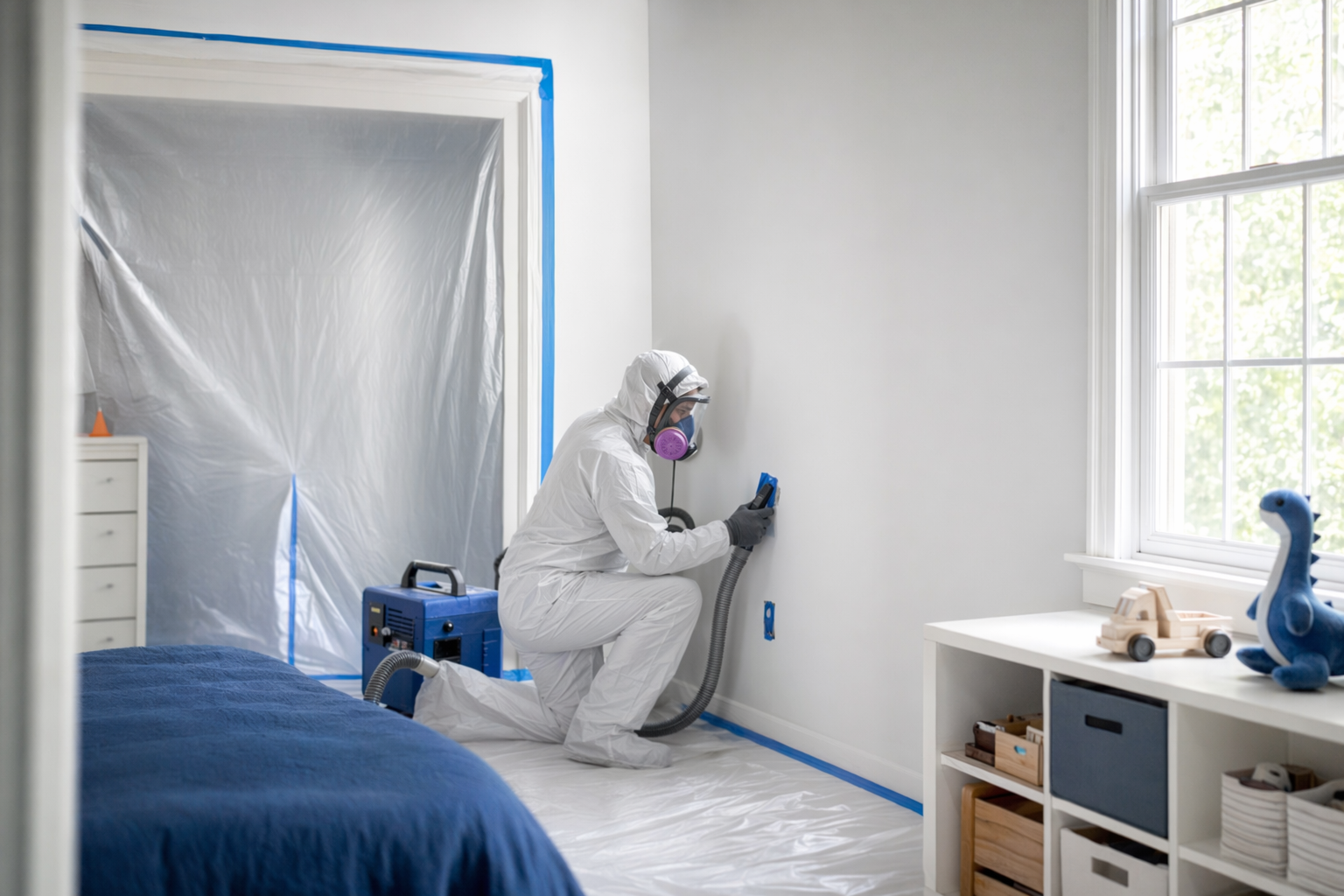
What to do right now (most important)
1. Don’t disturb anything that might contain asbestos—don’t scrape, sand, cut, drill, vacuum, or remove it.
2. Keep people away from the area (especially children, pregnant people, and anyone with breathing problems), and avoid carrying dust through the home.
3. If you think asbestos is present, get it tested by a certified testing professional before any renovation, demolition, or repairs.
4. If you’re worried about possible exposure (for example, a fiber release already happened), contact a doctor or your local/state health department for guidance.
- In many cases, asbestos in good condition is less likely to release fibers—damage and disturbance are the big risk.
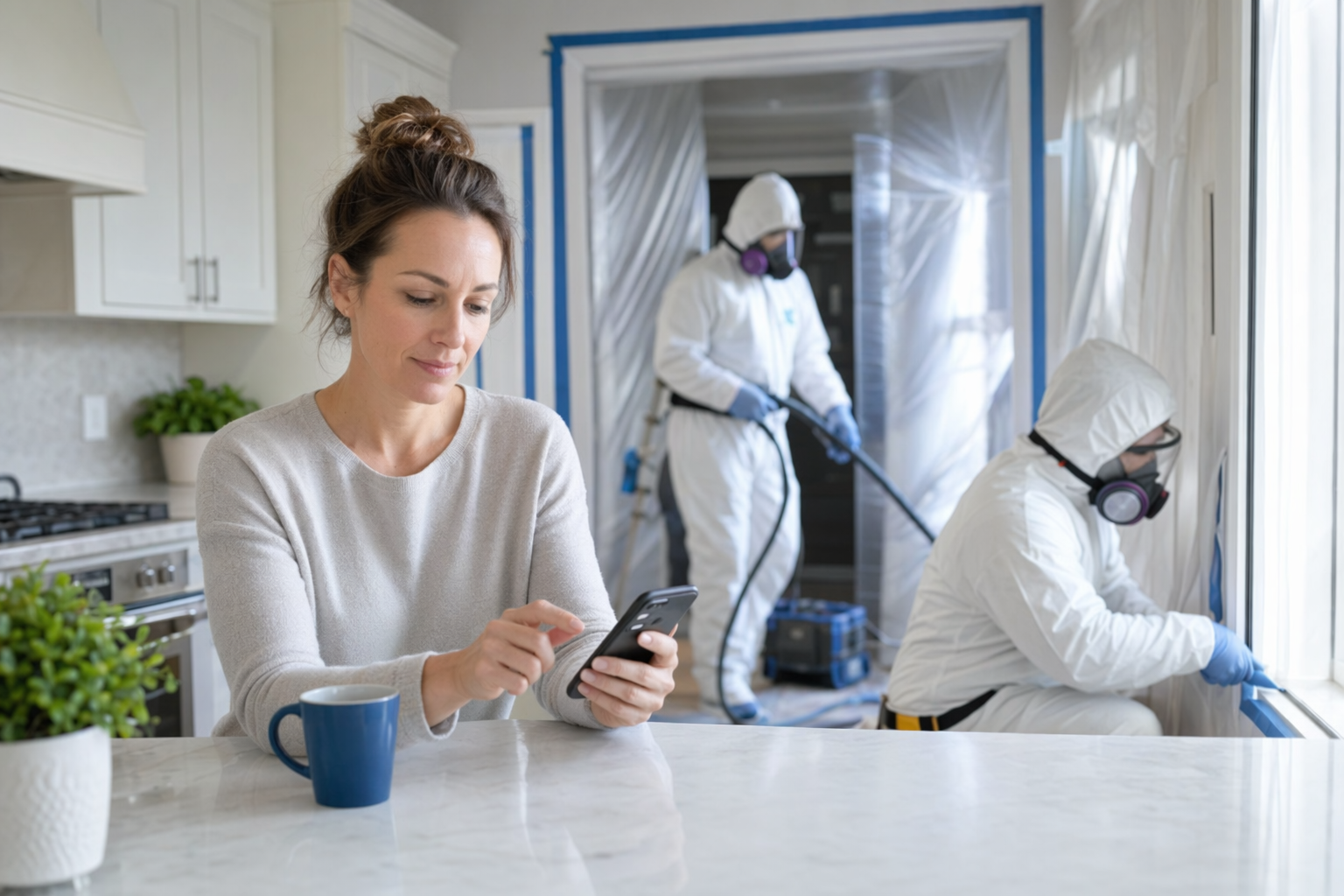
Is asbestos dangerous if you don’t touch it?
Asbestos is dangerous mainly when fibers become airborne and are breathed in. If suspected asbestos-containing material is intact and not disturbed, it often releases very little (or none) under normal living.
But “don’t touch it” doesn’t mean “ignore it forever.” Asbestos risk can increase if materials are damaged, deteriorating, or disturbed by plumbing/electrical work, remodeling, demolition, leaks, or DIY attempts to “fix” or “remove” it.
If you’re planning renovations (even small ones), assume you may disturb something until testing confirms what’s there. Asbestos testing is the first step—so you can plan properly instead of improvising.
- Disturbance is the common trigger for asbestos fiber release.
When asbestos concerns are highest
Asbestos is more concerning when materials are damaged, crumbling, or you can see signs of wear (for example, broken insulation, peeling layers, or deteriorating ceiling or floor materials).
It’s also higher risk when you’re about to do work that could create dust or fibers—such as removing flooring, cutting drywall or insulation, drilling into walls, tearing out ducts, or demolishing parts of a structure.
If you suspect asbestos and any of the above is coming up, stop and get professional testing first. That typically determines whether abatement is needed, or whether safe management (like leaving intact with controls) is the right approach.
- Any planned demolition or renovation should start with testing if asbestos is plausible.
Testing vs. removing: what the process usually looks like
A certified professional typically starts with a site assessment and then uses approved methods to collect samples for accredited lab testing. They should explain what they’ll test, how samples are handled, and what the lab results mean.
If asbestos is confirmed and removal/abatement is required, work must follow strict safety rules—especially containment (barriers, negative pressure where applicable), proper decontamination, and regulated disposal of waste.
Important: Abatewell helps you find licensed, certified lead and asbestos professionals near you. We don’t test materials and we don’t remove asbestos—so you’ll still need to hire the appropriate pro for inspection/testing and any abatement.
- Testing is the safest “next step” before sanding, scraping, or demolition.
The rules and how to verify certification (do it yourself)
Asbestos work is heavily regulated, and requirements vary by state and local area. In plain terms, you should verify that the person you hire is properly licensed/certified for asbestos assessment and/or abatement in your state, and that they carry the right insurance.
For lead paint in pre-1978 homes, EPA Lead RRP (Renovation, Repair and Painting) certification is specifically required when disturbing painted surfaces. (This is lead-focused, but it’s a good example of how important it is to confirm credentials before work that creates dust.)
How to verify (practical checklist):
1. Ask for their state asbestos license/permit number (or certification documentation) and confirm it with your state agency’s public license lookup, if available.
2. Ask whether the job requires accredited lab testing and which lab they use; confirm the lab is accredited.
3. Verify insurance (general liability and, if applicable, workers’ compensation) and ask for a certificate of insurance.
4. Ask about containment plan, waste disposal method, and how they keep fibers from spreading.
5. Get a written scope of work and written price (ranges are fine, but don’t accept vague “we’ll just handle it” promises).
If someone refuses to provide documentation or can’t explain their process clearly, that’s a red flag.
- Asbestos requirements vary by location—confirm credentials with your state or local authority.
Honest cost ranges and common red flags
Costs depend on the material type, how much is present, where it is (easy vs. difficult access), whether containment is required, and the lab/testing and disposal requirements. As a general sense, asbestos inspection/testing and lab analysis may cost a few hundred dollars, while abatement projects can range from a few thousand dollars to much more for larger, complex jobs. These are broad ranges—not quotes—and your area and scope will change the final price.
Red flags to watch for:
- No license/certification or no proof they’re allowed to do asbestos work in your state.
- “Don’t worry, it’s fine” combined with no testing, especially before renovations.
- Pressure tactics, scare statements, or threats to pressure you to sign immediately.
- Claims like “we’ll just scrape/sand it off” without containment or proper disposal.
- Cash-only arrangements or unclear pricing.
- Refusing to provide a clear written scope, containment approach, decontamination plan, or documentation of insurance.
If you want help finding nearby professionals, Abatewell is a FREE matching/directory service. Share your contact info, your ZIP, and what you’re worried about, and we’ll connect you with appropriately licensed, certified pros to discuss testing and next steps.
- A legitimate pro should be able to explain the process and provide documentation before any work starts.
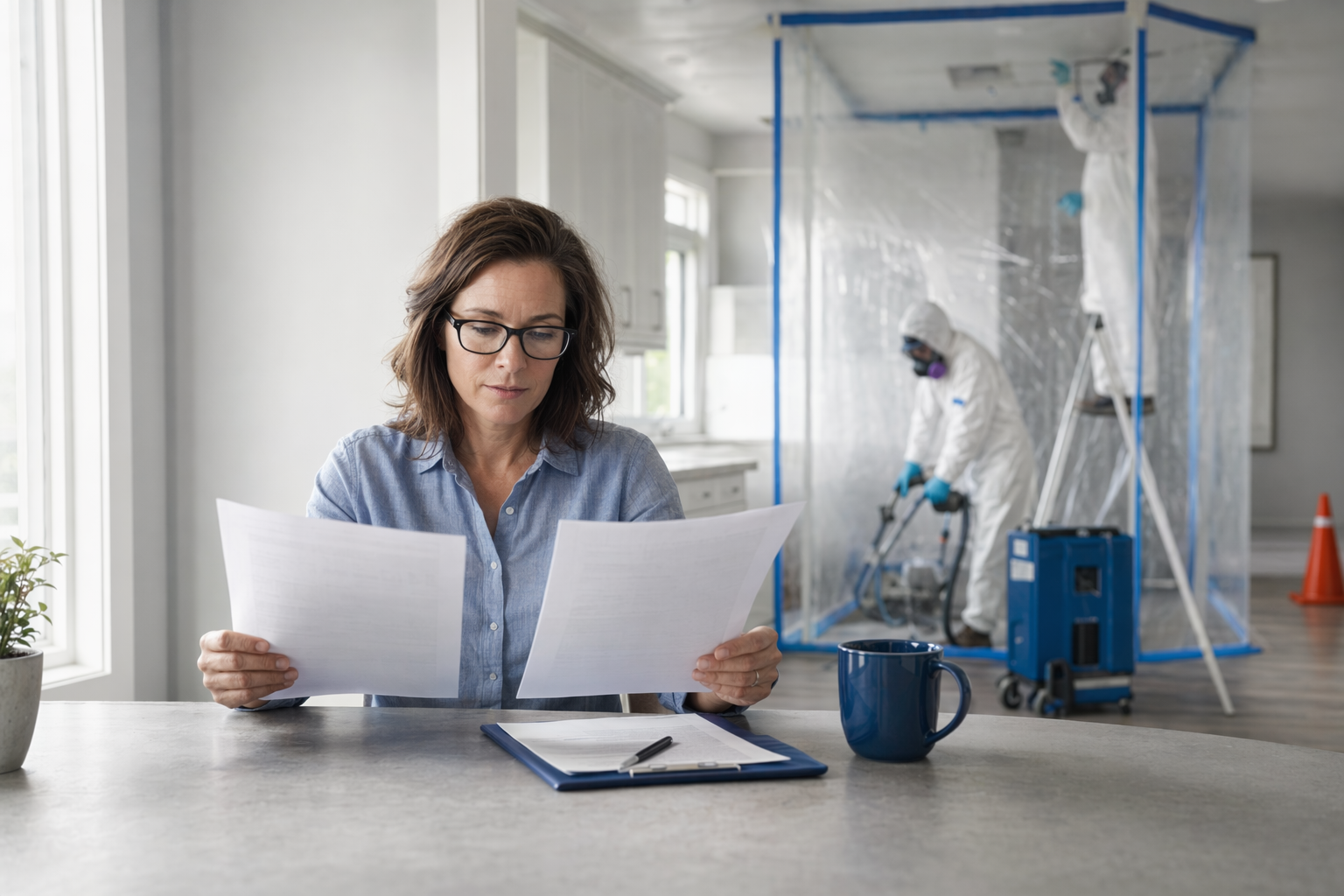
Asbestos is most dangerous when it’s disturbed and fibers become airborne, so the safest next step is to avoid disturbing it and get it tested by a certified pro.
Common questions
I think I have asbestos, but it’s not damaged. Is it still risky?
If asbestos-containing material is intact and not disturbed, the risk of fibers becoming airborne is often much lower. However, it can become a concern if it deteriorates or you plan work that could create dust—testing first is the safest way to decide what to do.
Can I test asbestos myself with home kits?
DIY sampling can be risky and may not follow the rules for proper collection, packaging, and chain-of-custody for accurate results. For asbestos, it’s best to hire a certified/testing professional who knows safe handling and can use an accredited lab.
What if I accidentally disturbed something before I knew?
Stop work and avoid spreading dust. Isolate the area, follow any instructions from local health authorities, and contact a professional for guidance and possible testing/abatement. If you’re worried about exposure (especially for a child), talk to a doctor or your local/state health department.
How do I know if a contractor is legit?
Verify their state asbestos license/certification and insurance, ask for their containment and disposal approach, and request a written scope of work and price. Confirm their credentials with your state or local authority when possible.
Is Abatewell going to test or remove the asbestos?
No. Abatewell is a free matching/directory service to help you find licensed, certified testing and abatement professionals near you. We don’t test materials or perform removal.