Quick answers
How do I verify an asbestos contractor's license?
To verify an asbestos contractor’s license, check your state’s asbestos licensing board or health department, confirm the company and individual worker credentials, and ask for proof of insurance and required containment/disposal practices. Don’t disturb suspected asbestos first—have it tested by a certified professional before any work starts.
What to do right now
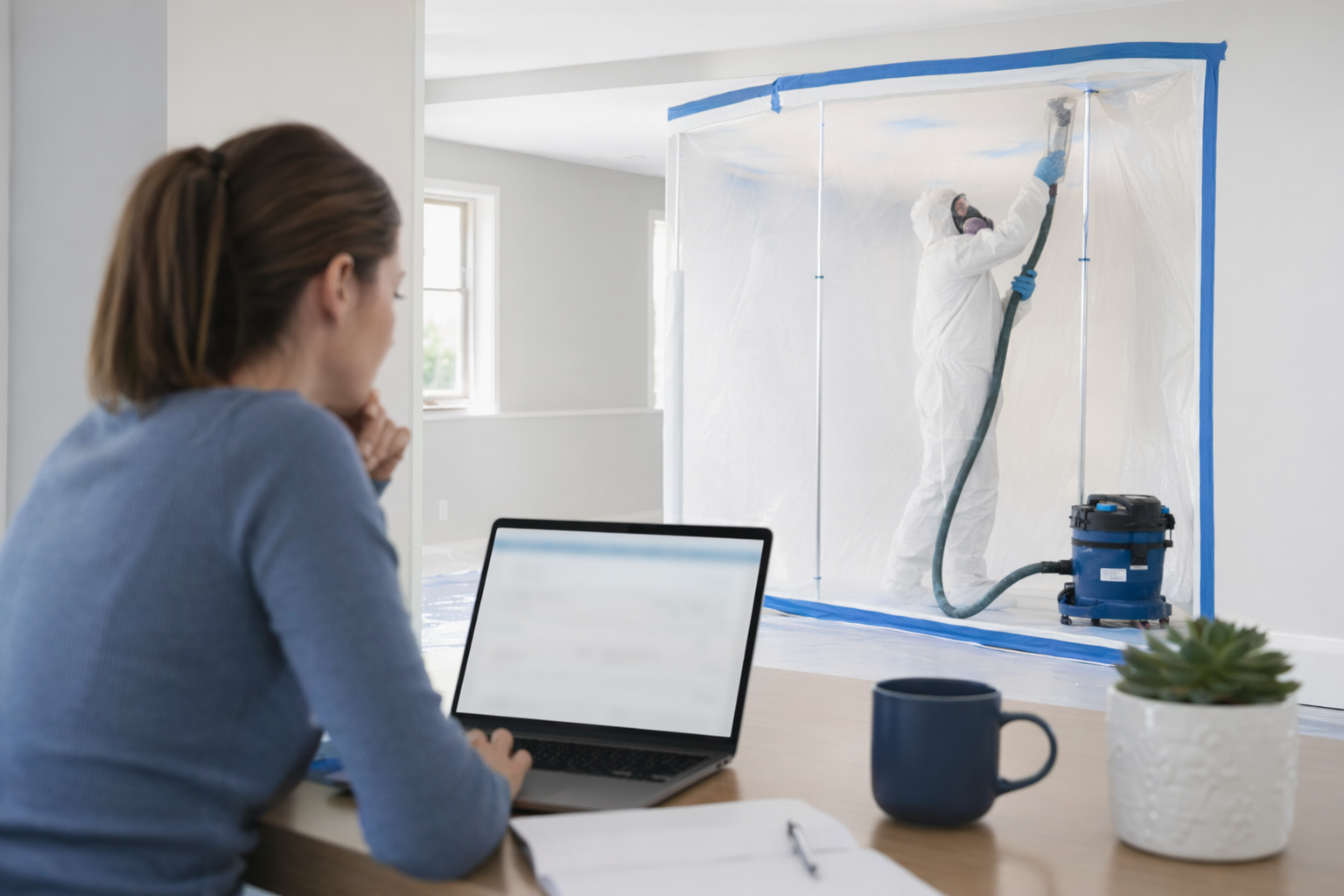
If you suspect asbestos, stop the work area and keep people away. Do not sand, drill, cut, scrape, or demo any material that may contain asbestos.
The safest first step is testing by a certified professional and, if asbestos is confirmed, hiring a contractor who is licensed in your state and follows required containment and disposal rules.
Abatewell is a free matching/directory service. We do not test, remove, or abate asbestos, and we do not give legal, regulatory, or medical advice.
How to verify an asbestos contractor’s license
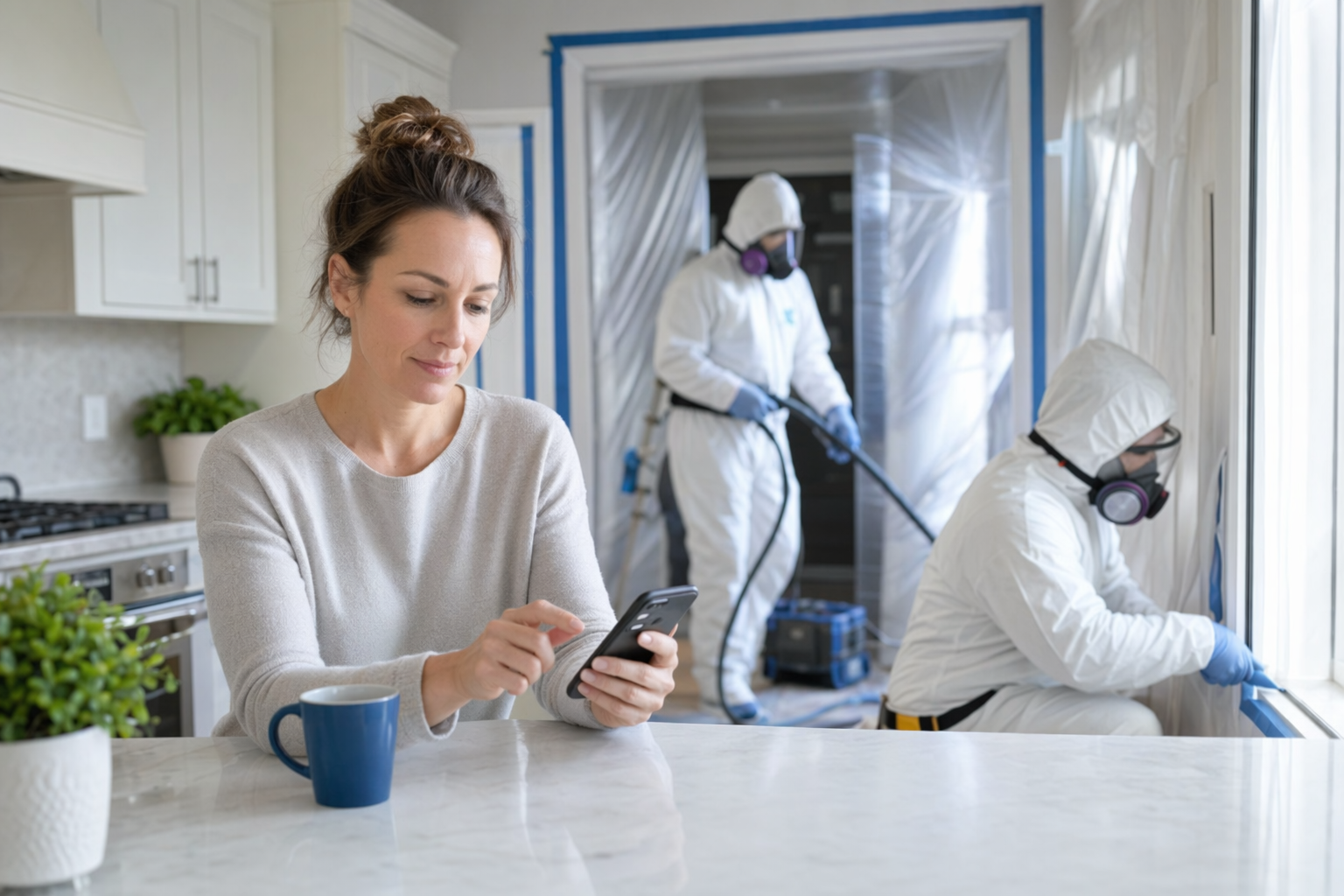
Start with the state where the work will happen. Most states have an asbestos program, licensing board, environmental agency, or health department you can use to confirm whether a contractor is authorized to do the work.
- Ask for the contractor’s full business name, license number, and the name of the licensed supervisor or project manager.
- Check the number on your state’s official website or call the state asbestos office.
- Confirm the license is active, the scope matches the job, and there are no suspensions or restrictions.
- Ask for proof of insurance, including general liability and workers’ compensation.
- Get the scope of work, containment plan, disposal plan, and price in writing before anyone starts.
If the job involves a pre-1978 home and paint disturbance, also ask whether the crew has the proper EPA Renovation, Repair and Painting (RRP) certification for lead-safe work where applicable. For asbestos, state licensing and training rules are separate and can differ by state.
What a legitimate asbestos pro should be able to show you
A real asbestos contractor should be able to explain, in plain language, how they will keep the area contained, protect other rooms, and dispose of waste properly. They should also know whether the material needs accredited lab testing first.
Ask to see:
- State asbestos contractor license or registration
- Worker or supervisor training cards, if your state uses them
- Insurance certificate
- Written work plan
- Cleanup and disposal plan
- Information about the accredited lab used for testing, if testing is part of the job
If a company cannot clearly explain containment, negative pressure, sealed work areas, and proper disposal, that is a red flag.
Red flags that should make you pause
Be careful if someone says they can “just scrape it off,” skips containment, or wants to start right away without testing. Those are unsafe signs.
Other red flags include:
- No license number or no way to verify it with the state
- Cash-only pressure or a demand for a big payment on the spot
- Scare tactics, rushed decisions, or “sign today” pressure
- No written scope, no disposal plan, or no insurance proof
- Promises that sound too easy, like “we handle everything” but without details
A legitimate pro should welcome verification. If they seem annoyed that you want to check credentials, that is a warning sign.
Costs and what affects them
Verification itself is usually free through the state, but testing and abatement are not. Honest cost ranges can help you plan, but they are not quotes.
Typical costs depend on the material, how much there is, where it is located, how hard it is to access, how much containment is needed, testing requirements, and disposal rules in your area. A small inspection or test may cost far less than a full removal job, while larger or hard-to-reach projects can cost much more.
For rough planning only, you can review common cost factors. Always confirm the final number in writing after an in-person evaluation and any required lab testing.
How Abatewell can help you find one
If you need help finding a licensed, certified professional near you, use Get Matched to share your contact details and project intent. We collect only basic information like name, phone, optional email, concern type, ZIP, rough home age, and preferred language.
Abatewell is a free matching and directory service for homeowners and renters. We are not a contractor, laboratory, or law firm, and we do not test for or remove asbestos.
For more plain-language guidance, see our answers and guides.
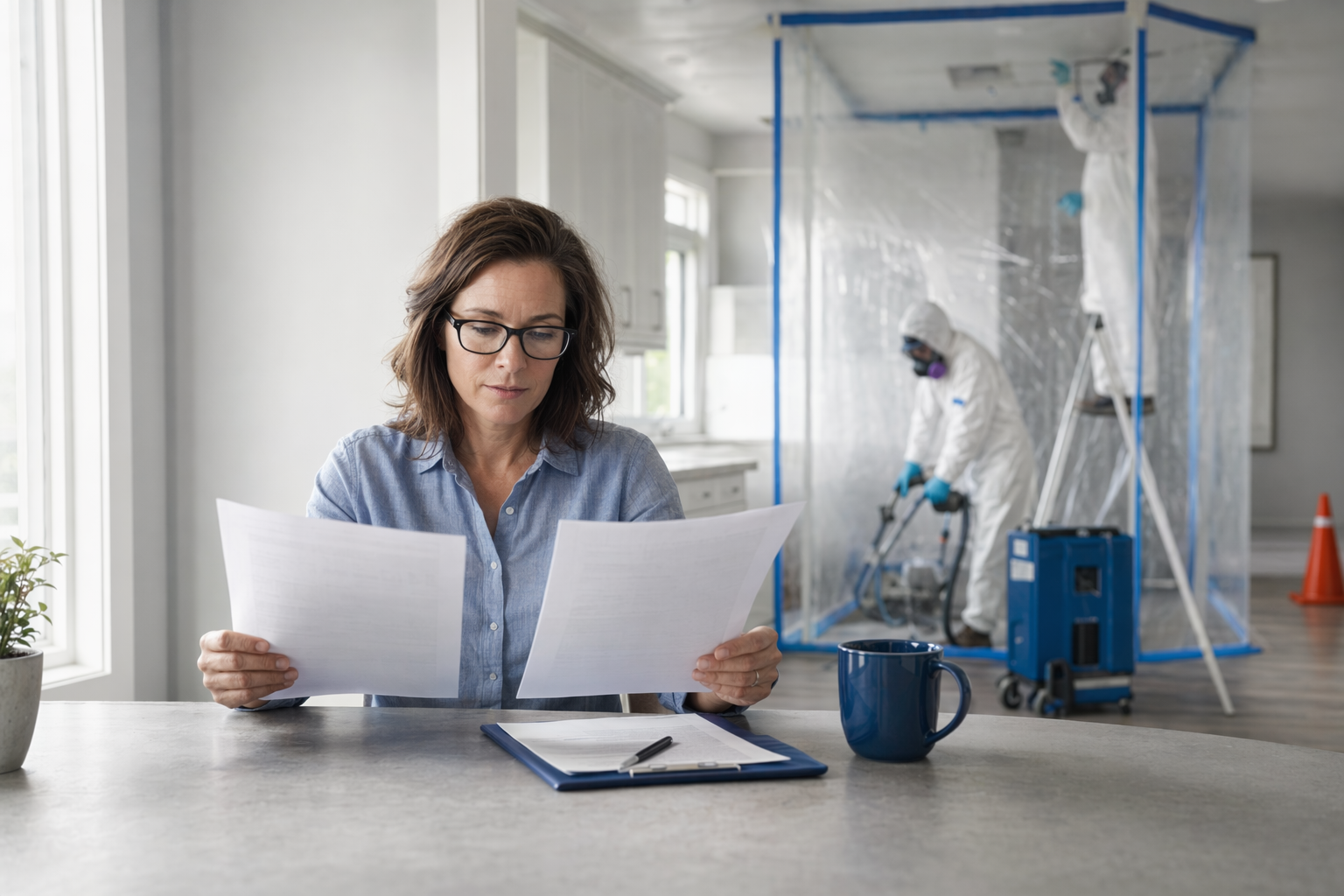
Check the state license, ask for insurance and a written containment/disposal plan, and never let anyone disturb suspected asbestos before testing.
Common questions
Where do I check if an asbestos contractor is licensed?
Check your state’s asbestos program, licensing board, environmental agency, or health department. Ask for the company license number and verify it on the official state site, then confirm insurance and the specific scope of work.
Do I need asbestos testing before hiring a contractor?
In most cases, yes. The safest approach is not to disturb the material and to have it tested by a certified professional first, especially before any sanding, cutting, drilling, or demolition.
Is EPA certification the same as an asbestos license?
No. EPA Lead RRP certification applies to lead-safe work in pre-1978 homes when paint will be disturbed, while asbestos work is governed mainly by state licensing and training rules. The requirements can be different, so verify both when relevant.
What should be in the written estimate?
It should list the scope of work, containment steps, disposal plan, testing if needed, and the total price or how the price is calculated. If any of that is missing, ask for it before you agree.