Quick answers
How much does lead paint removal cost?
Lead paint removal can cost a few hundred dollars for a small, simple job or many thousands for larger or more complex work. The safest first step is not to disturb suspected lead paint and to have it tested by a certified professional before sanding, scraping, or renovation.
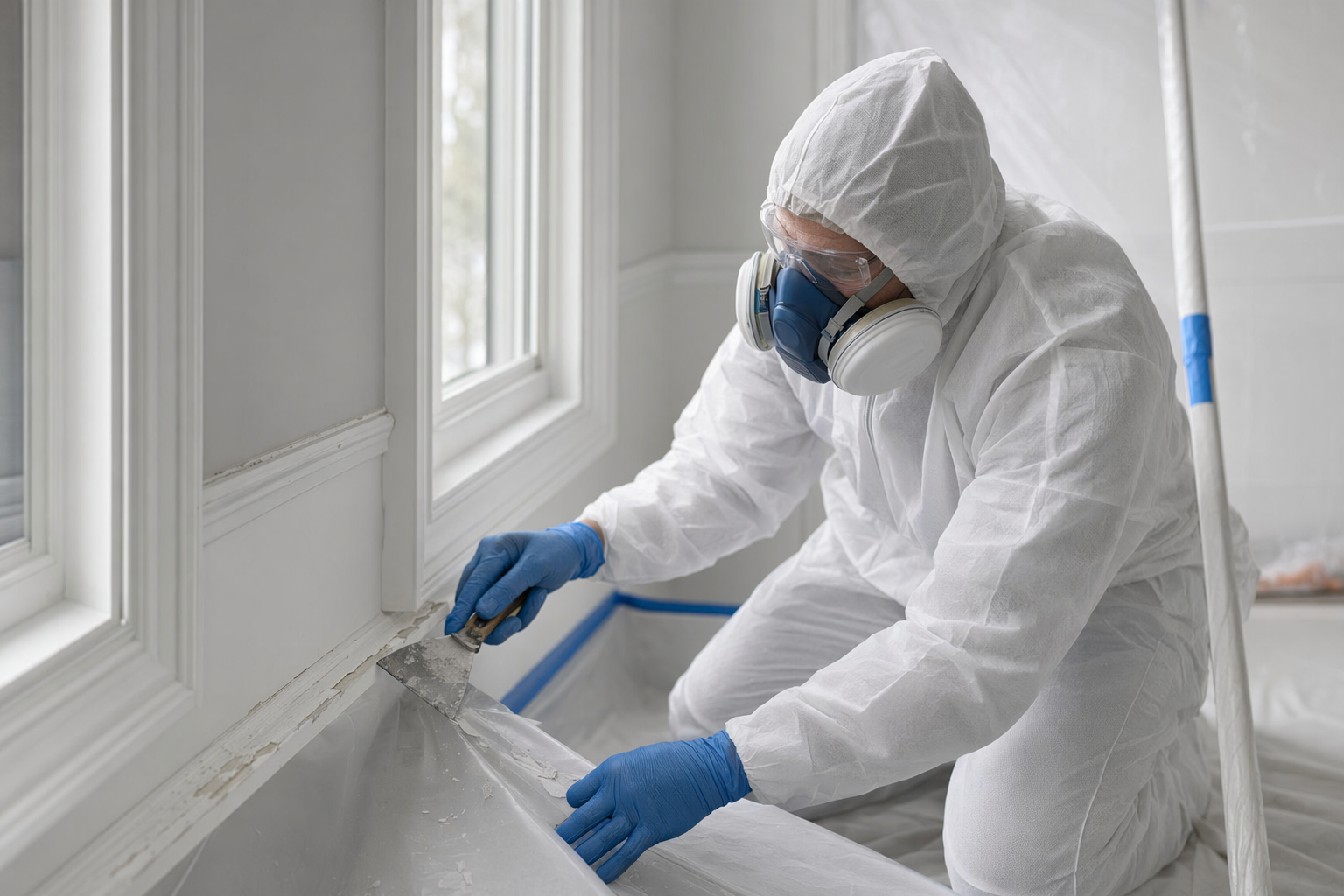
What to do right now
If you think paint may contain lead, do not sand it, scrape it, cut into it, or start demolition. Keep children and pregnant people away from the area as much as you can, and avoid creating dust.
Before any renovation or repair in a pre-1978 home, the safest step is to get the material tested and talk to a properly certified professional. Abatewell is a free matching service and directory to help you find licensed, certified lead or asbestos pros near you. We do not test, remove, or abate anything ourselves.
If you are worried a child may have been exposed to lead dust or paint chips, contact a doctor or your local health department. This page is general educational information, not medical, legal, or regulatory advice.
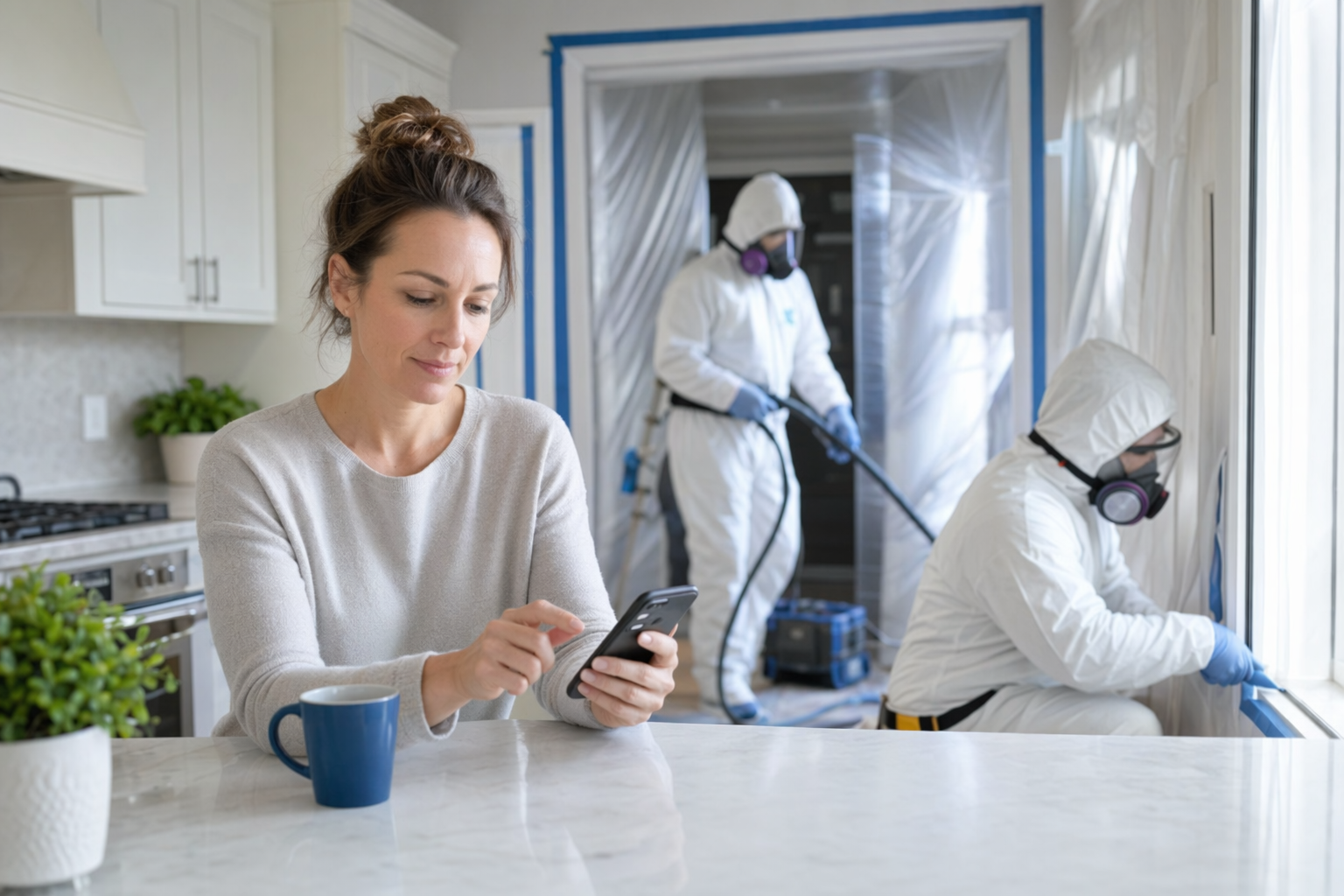
Short answer: what lead paint removal can cost
There is no single price for lead paint removal. In real life, the cost depends on what the material is, how much of it there is, how easy it is to reach, whether testing is already done, what containment is required, local labor rates, and how waste must be handled and disposed of.
As a very rough guide, small lead paint jobs may start in the hundreds of dollars, while room-by-room work, exterior projects, window and trim work, or larger abatement projects can run into the thousands or much more. Testing, setup, containment, cleanup, and clearance or follow-up checks can add to the total.
These ranges are not quotes. The real number depends on your home, your state and local rules, and the actual scope of work after inspection and testing. If you want broader pricing context, see our costs guides and answers.
- Small, limited-area work may cost hundreds to a few thousand dollars
- Larger interior or exterior projects often cost several thousand dollars or more
- Testing, containment, cleanup, and disposal can be a significant part of the price
Why the price varies so much
Lead work is not priced like ordinary painting. A certified contractor may need to isolate the area, use special work practices, protect floors and belongings, control dust, clean carefully, and document the job. That extra safety work is often necessary and is part of why proper lead work costs more than a basic paint job.
The biggest cost factors usually include the size of the area, whether the paint is inside or outside, whether doors, windows, trim, porches, or detailed surfaces are involved, and whether the paint is peeling or in poor condition. Older windows and trim can be labor-intensive because they create dust easily and have many edges and layers.
Access matters too. A first-floor bedroom wall is usually simpler than a high exterior gable, a stairwell, or a crowded basement. Occupied homes can also cost more because the crew may need extra containment, cleaning, and scheduling around the people living there.
If the home may also have asbestos-containing materials nearby, that can change the plan and the cost. Asbestos work is separately regulated at the state level, usually requires state licensing, and often needs different containment and disposal procedures.
Testing first, then the right kind of work
Not every situation needs full removal. In some cases, a certified professional may recommend repair, stabilization, enclosure, or another lead-safe approach instead of removing all painted material. The right option depends on the condition of the paint, where it is, who lives in the home, and what work you plan to do.
The key point is to test first and decide based on facts, not guesswork. Testing may involve an inspection, samples, or other approved methods, and lab work should be handled through an accredited laboratory when required. If you are planning renovation in a pre-1978 home, ask whether the contractor is certified under EPA Lead RRP rules and whether the people doing the work are trained for lead-safe practices.
Do not hire someone who says they can just sand it off quickly or "take care of it" without testing, containment, or paperwork. That can spread dangerous lead dust through the home and create a much bigger problem.
What the law and safe practice usually require
In plain language: lead and asbestos work is heavily regulated. For homes built before 1978, contractors who disturb painted surfaces during renovation, repair, or painting generally need EPA Lead RRP certification or an authorized state equivalent. Asbestos abatement is usually licensed by the state, with strict rules on handling, containment, and disposal.
A proper lead job may include plastic containment, restricted access, careful dust control, specialized cleanup, and lawful disposal of waste. The exact requirements vary by state, city, and project type, so you should confirm the rules with your state or local authority and with the certified professional you are considering.
Always verify a contractor's certification, license, and insurance yourself. Ask for the exact company name on the certificate, the certification or license number, and proof of insurance, then check with the EPA or your state licensing agency. Do not rely only on a business card, truck logo, or verbal promise.
Red flags, quotes, and how Abatewell can help
Be cautious if someone offers a very low price without asking many questions, wants cash only, pressures you to sign immediately, says containment is unnecessary, or tells you they will simply scrape or sand everything off. Other red flags include no certification number, no written scope, no proof of insurance, and scare tactics about your family unless you hire them on the spot.
A safer approach is:
1. Stop disturbing the area.
2. Get testing or an inspection from a qualified professional.
3. Ask at least a couple of certified pros for a written scope and price.
4. Verify EPA Lead RRP certification and any required state or local credentials yourself.
5. Make sure the quote explains containment, cleanup, and disposal.
Abatewell is free for homeowners and renters. We are not a contractor, lab, or law firm, and we do not give legal, regulatory, or medical advice. We simply help match you with lead and asbestos professionals in your area based on basic contact and project details such as your name, phone, optional email, concern type, ZIP code, rough home age, and preferred language. You can start with get matched or read more in our guides.

Lead paint removal can cost a lot or a little, but the safest first step is always the same: do not disturb it, get it tested, and hire a properly certified pro if work is needed.
Common questions
Is lead paint removal always necessary?
No. Sometimes a certified professional may recommend another lead-safe option, depending on the condition of the paint and the project. Do not decide based on guesswork; test first and get a written recommendation.
How much does lead paint testing cost?
Testing can range from relatively modest sample-based costs to more involved inspection pricing, depending on the property and method used. The real price depends on your area, the number of samples or surfaces, and whether an accredited lab is involved.
Can I remove lead paint myself to save money?
That is usually not the safest choice. Disturbing lead paint can spread dangerous dust, especially in homes with children. Before any sanding, scraping, cutting, or demolition, have it tested and speak with a certified professional.
What should be included in a lead paint quote?
Ask for a written scope that clearly covers testing status, containment, work methods, cleanup, disposal, and any follow-up checks or clearance steps. Also ask for certification details, insurance, and who will actually perform the work.
How do I verify a lead contractor is properly certified?
Ask for their EPA Lead RRP certification information and any required state or local credentials, then verify them yourself with the EPA or the relevant state agency. Also confirm the company carries insurance and that the written quote matches the certified company name.