Quick answers
How much does asbestos testing cost?
Asbestos testing costs vary widely based on your home, what needs testing, and where the work happens. Here’s the realistic price range, what affects cost, and how to find a licensed, certified pro to test safely.
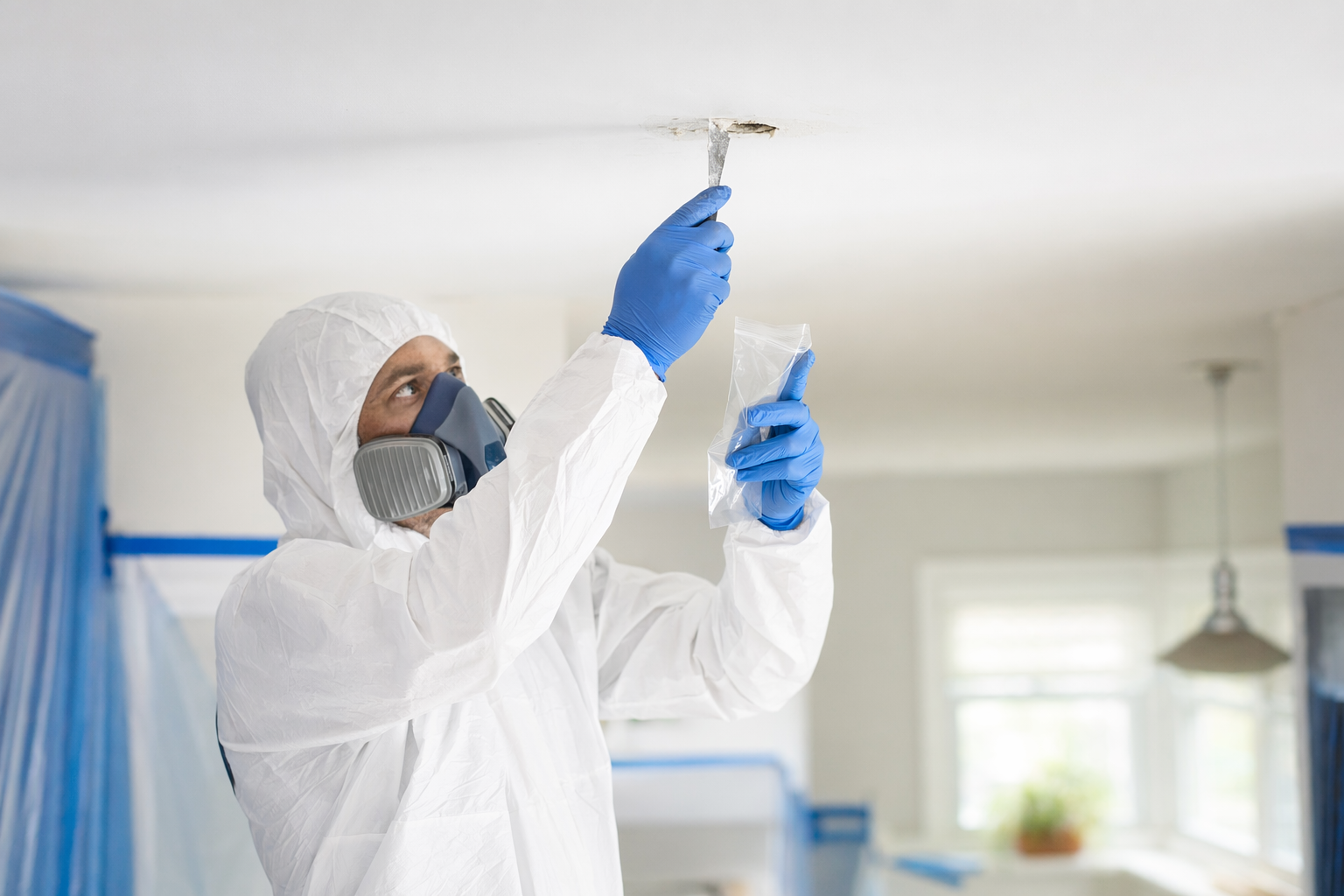
What to do right now (before you start) + cost basics
If you suspect asbestos, the safest first step is: don’t disturb it (no sanding, scraping, cutting, or demolition), keep people and pets away, and get it tested first by a licensed, certified asbestos professional.
Testing usually costs less than emergency cleanup because proper sampling/containment prevents contamination. Your total cost depends on the number of samples, the type of material, and disposal/containment requirements—not just “asbestos testing.”
If you’re dealing with a child’s possible exposure or you’re worried about health effects, contact a doctor and/or your local health department for guidance while you arrange testing.
Abatewell is a free matching/directory service. We don’t test or remove asbestos and we can’t quote prices—our goal is to help you find certified pros near you: get matched.
- Don’t disturb suspected asbestos until it’s tested by a certified pro
- Ask for the testing scope in writing (what will be sampled and how many samples are expected)
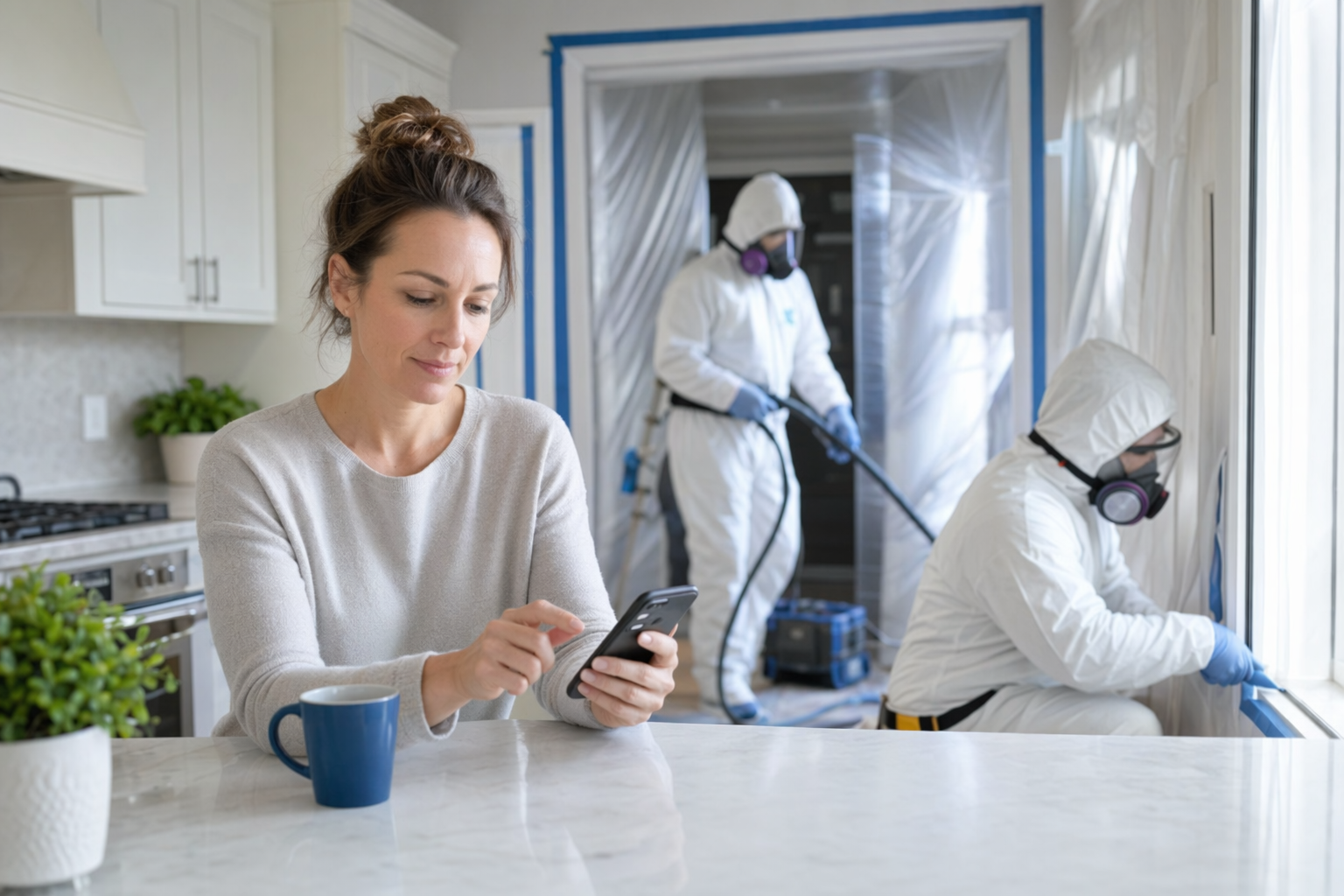
Typical asbestos testing cost ranges (realistic, not a quote)
In most areas, home asbestos testing commonly falls in broad ranges because the work often includes sampling (with controls), shipping/handling, and lab analysis.
Here are general educational ranges you may see (the real price depends on your location, access, and the number/type of materials):
- 1–3 material samples (small job): often about $300–$800 total
- More samples or multiple materials: often about $800–$1,800+ total
- If specialized conditions apply (tight access, suspected friable material, required containment/extra labor): costs can be higher
Lab reports can be included in many “test packages,” but sometimes sampling, lab analysis, and reporting are itemized. Always ask what’s included (sampling labor, containment measures, chain-of-custody, lab fee, and delivery of results).
If you later need abatement, testing is only the first step—removal can be much more expensive because it requires licensed abatement work, containment, and proper disposal. For planning, you can use your test results to get an abatement scope from licensed contractors after you know what’s actually present.
- Ask for a written line-item breakdown (sampling, lab analysis, report delivery, any containment labor)
- Expect price to change based on the number of different materials you’re testing
What affects the price (the common reasons quotes differ)
Asbestos testing prices vary because “asbestos” can be present in many different materials, and safely sampling them can require different levels of protection.
Key cost drivers include:
- How many different materials you suspect (e.g., older ceiling texture + floor tile + pipe insulation are usually treated as separate sampling targets)
- Friable vs. non-friable risk (friable material is more likely to release fibers and may require more controls)
- Sampling difficulty and access (basements, attics, behind walls, tight spaces)
- Containment and controls during sampling (work area setup, protection, cleaning, and waste handling)
- Your location (state rules, disposal costs, and labor rates)
- Turnaround time (standard vs. expedited lab processing)
Important: Some sampling plans may include fewer samples than you expect—because a certified professional should not “randomly sample.” They typically target specific suspect materials and surfaces to confirm what’s actually there.
Because you’re likely worried and want answers quickly, it’s normal to ask: “Why does it cost more than a simple test?” The safest answer is that safe sampling is part of the cost, not just the lab piece. A cheap option that doesn’t handle containment and proper procedures can be risky and may not be reliable.
- Quotes differ mostly because sampling work and controls differ—not just the lab test
- Avoid any approach that suggests disturbing suspect material without proper controls
How to verify a testing pro is properly certified/licensed (don’t skip this)
Asbestos work is heavily regulated, and requirements vary by state. Before you pay, you should verify credentials yourself with the licensing/oversight authority in your state.
- Check state asbestos licensing for the individual/company doing sampling
- Ask how they will collect samples (controls/containment, cleanup, waste handling)
- Ask if they use an accredited lab and request the lab’s accreditation details
- Confirm reporting includes chain-of-custody and clear identification of what was sampled
- Verify they have required insurance for the work (general liability and any coverage relevant to regulated abatement/testing)
While EPA Lead RRP (Renovation, Repair and Painting) is specifically for lead in pre-1978 homes, it’s still a helpful model for how serious the rules are when disturbing painted surfaces. For asbestos, follow your state licensing rules and the pro’s compliance with safe sampling and disposal requirements.
If a company can’t clearly explain their process, can’t provide proof of credentials, or pressures you to proceed immediately, treat that as a warning sign. You can also ask your local building department or state environmental agency for the right way to confirm eligibility.
- Verify credentials with your state’s licensing/oversight authority (don’t rely on verbal claims)
- Ask for accreditation/chain-of-custody details—not just “we’ll test it”
Red flags that asbestos “testing” may be unsafe or unreliable
Be cautious if you see any of these patterns. They often signal the company is cutting corners on controls, sampling quality, or required licensing.
Red flags:
- No clear license/certification for asbestos testing or sampling in your state
- “Don’t worry, we’ll just scrape/sand it off” or instructions that encourage you to disturb suspected material
- No containment, no protective setup, or no explanation of how they’ll prevent contamination
- Cash-only payments or pressure to sign immediately
- Vague answers like “trust us” with no written scope, sample plan, or chain-of-custody
- Promises of results that sound guaranteed (“it’s definitely asbestos” before testing) or scare tactics to push you into a contract on the spot
- Refusal to provide a written breakdown of what’s included (sampling vs. lab vs. report)
A legitimate testing professional should be willing to answer “What exactly are you sampling?” and “How many samples do you expect, and why?” If they won’t, pause and seek a different licensed pro.
- Get the sampling scope and inclusions in writing before any work starts
- Avoid anyone who suggests you disturb suspected asbestos yourself
How to get an accurate price estimate (questions to ask)
Because ranges aren’t quotes, the best way to get closer to your true cost is to help the pro understand your situation—without disturbing anything.
Ask potential pros:
- “What’s included in your asbestos testing price? (sampling labor, lab analysis, report delivery, any containment/cleanup)”
- “How many samples do you expect for my specific materials, and what are they?”
- “Will the sampling include containment and proper waste handling?”
- “Which lab will analyze the samples, and is it accredited? Can I see the accreditation details?”
- “How will you document chain-of-custody and identify the sampled areas?”
- “What’s the expected turnaround time for results?”
- “If results are positive, what are the next licensed steps for abatement in my state?”
If you want help locating options, Abatewell can connect you with local, licensed, certified professionals based on your ZIP and concern type—free for you: use our matching service. You can also browse general guidance on asbestos and what to expect from guides or costs.
- The fastest path to a useful price range is a clear sample plan—ask how many samples and which materials
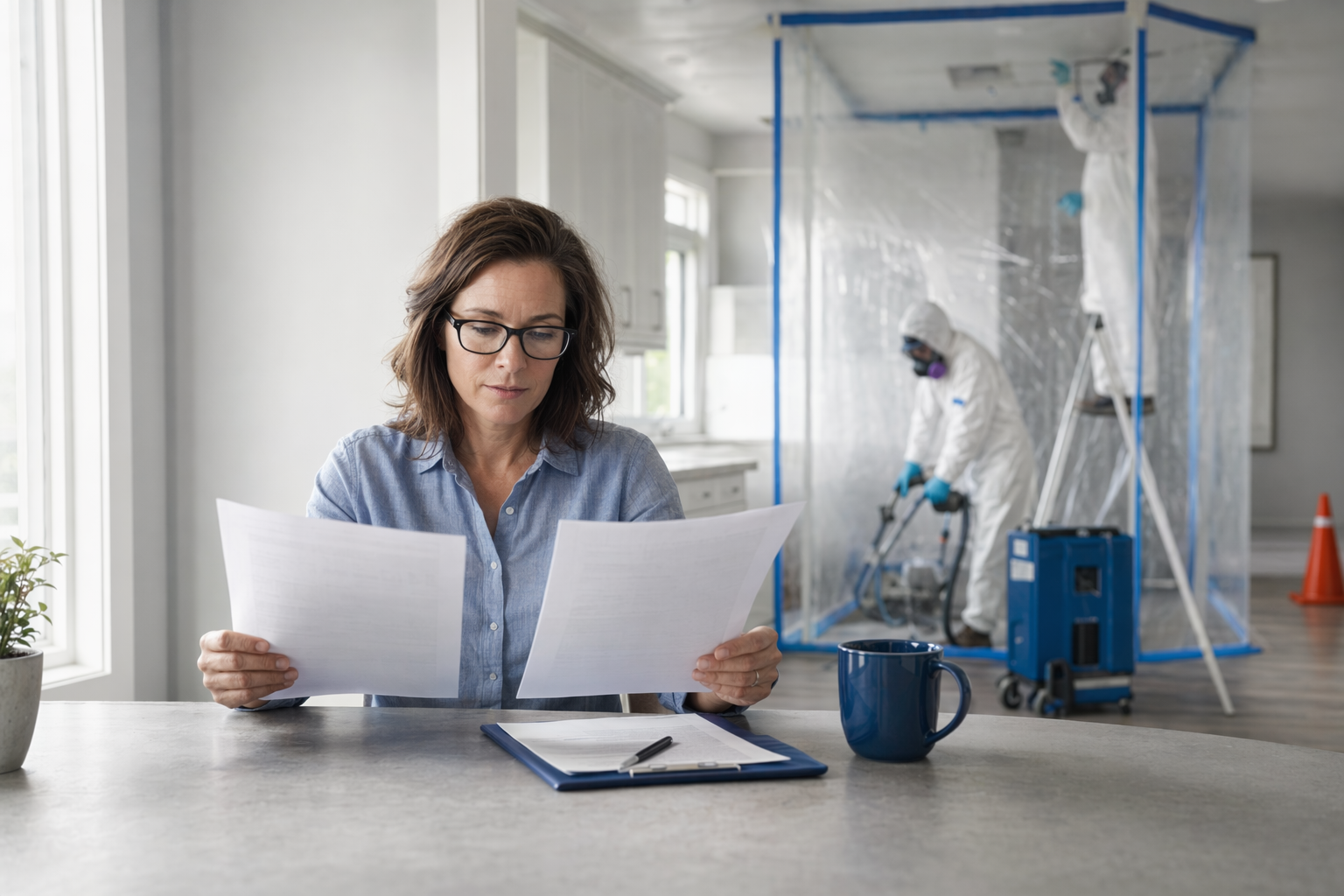
Asbestos testing usually costs a few hundred to around a thousand-plus dollars depending on how many materials need sampling and what safe containment procedures are required, so don’t disturb anything—get certified testing first and verify credentials yourself.
Common questions
Can I just buy an at-home asbestos test kit?
Most situations aren’t well-suited for at-home testing. Asbestos testing usually requires proper sampling methods and safe handling so you don’t spread fibers, and results should come from an accredited lab with clear documentation. For suspected asbestos, the safer route is to use a state-licensed/certified professional who can sample and submit correctly.
If my home is old, does that mean I should test immediately?
Age alone doesn’t confirm asbestos. But if you’re planning renovation/demolition, or you suspect damaged asbestos-containing materials, it’s smart to test before disturbing anything. Keep the area undisturbed and get a certified professional to evaluate and sample.
Will asbestos testing always find it if it’s in the home?
No test can guarantee 100% detection because asbestos materials can be patchy. A proper, professional sampling plan is designed to target the specific suspect materials, but results depend on what was sampled and how it was collected. That’s why you should avoid DIY disturbance and follow professional guidance.
Are there special rules for asbestos sampling and disposal?
Yes. Asbestos work is regulated and typically requires specific containment measures and proper disposal of regulated waste. Requirements vary by state and locality, so your testing pro should be able to explain their compliant procedures and provide documentation.
What’s the difference between asbestos testing and lead testing?
They’re different hazards with different rules and certifications. Lead testing in pre-1978 homes may involve EPA Lead RRP requirements when disturbing painted surfaces; asbestos is regulated through state asbestos licensing and safe sampling/disposal procedures. Make sure the professional is certified for the hazard you’re concerned about.