Quick answers
Do I have to remove asbestos in my home?
Often, you do not have to “remove” asbestos right away—but it depends on what material is present, its condition, and whether it’s likely to be disturbed. If you suspect asbestos, don’t disturb it; get it tested first.
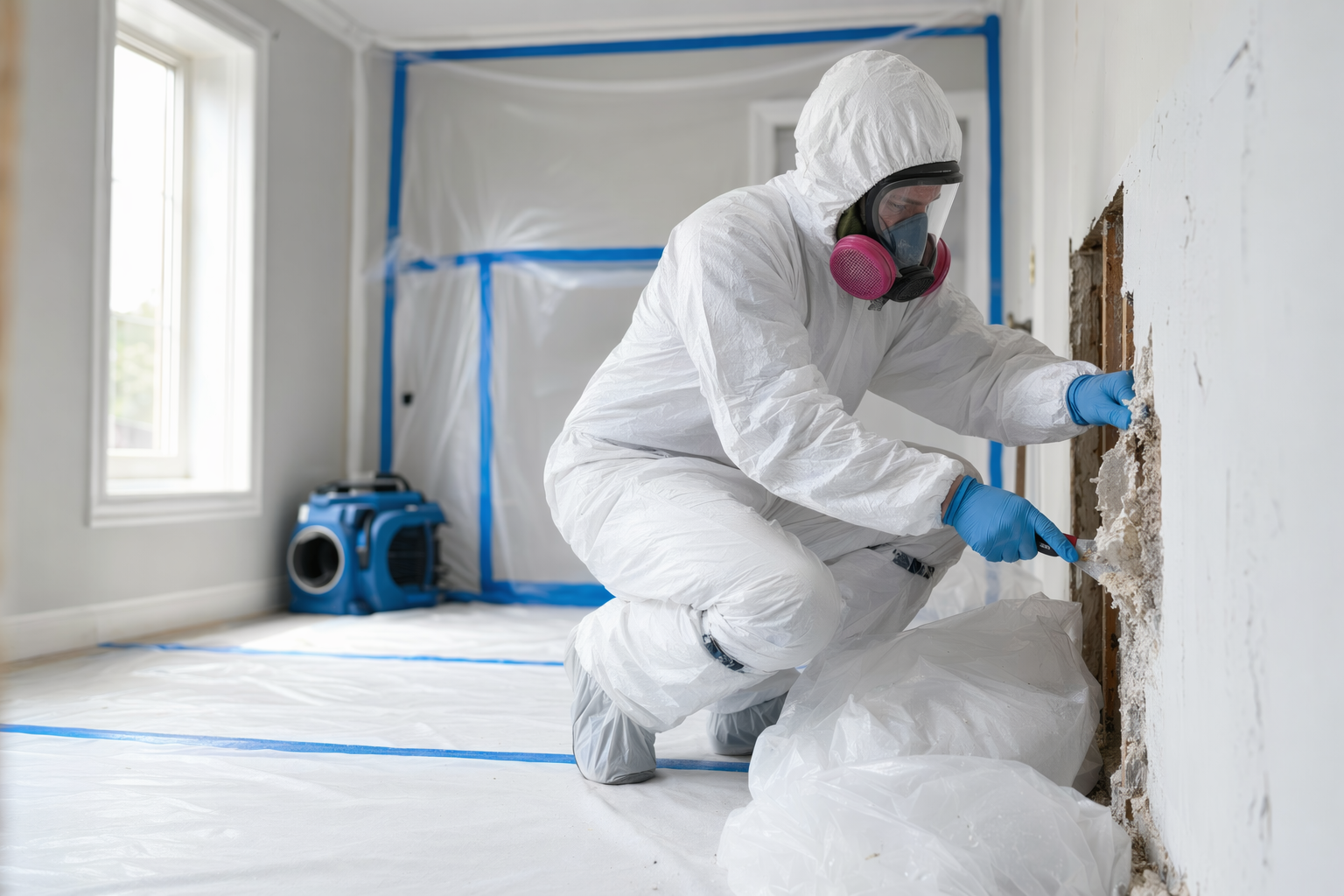
What to do right now (if you suspect asbestos)
1. Don’t disturb the suspected material (no sanding, scraping, drilling, sweeping, or demolition).
2. Keep people away from the area—especially kids and anyone with breathing problems—and reduce traffic through the space.
3. Get it tested by a licensed, certified professional before you renovate or repair.
4. If you’re currently cutting, tearing, or remodeling, stop and contact a qualified pro immediately.
Abatewell is a free matching/directory service—we do not test or remove asbestos. We can help you find licensed, certified professionals near you after you share your ZIP and what you’re dealing with.
- If asbestos fibers are released, cleanup and disposal must be handled correctly to protect everyone in the home.
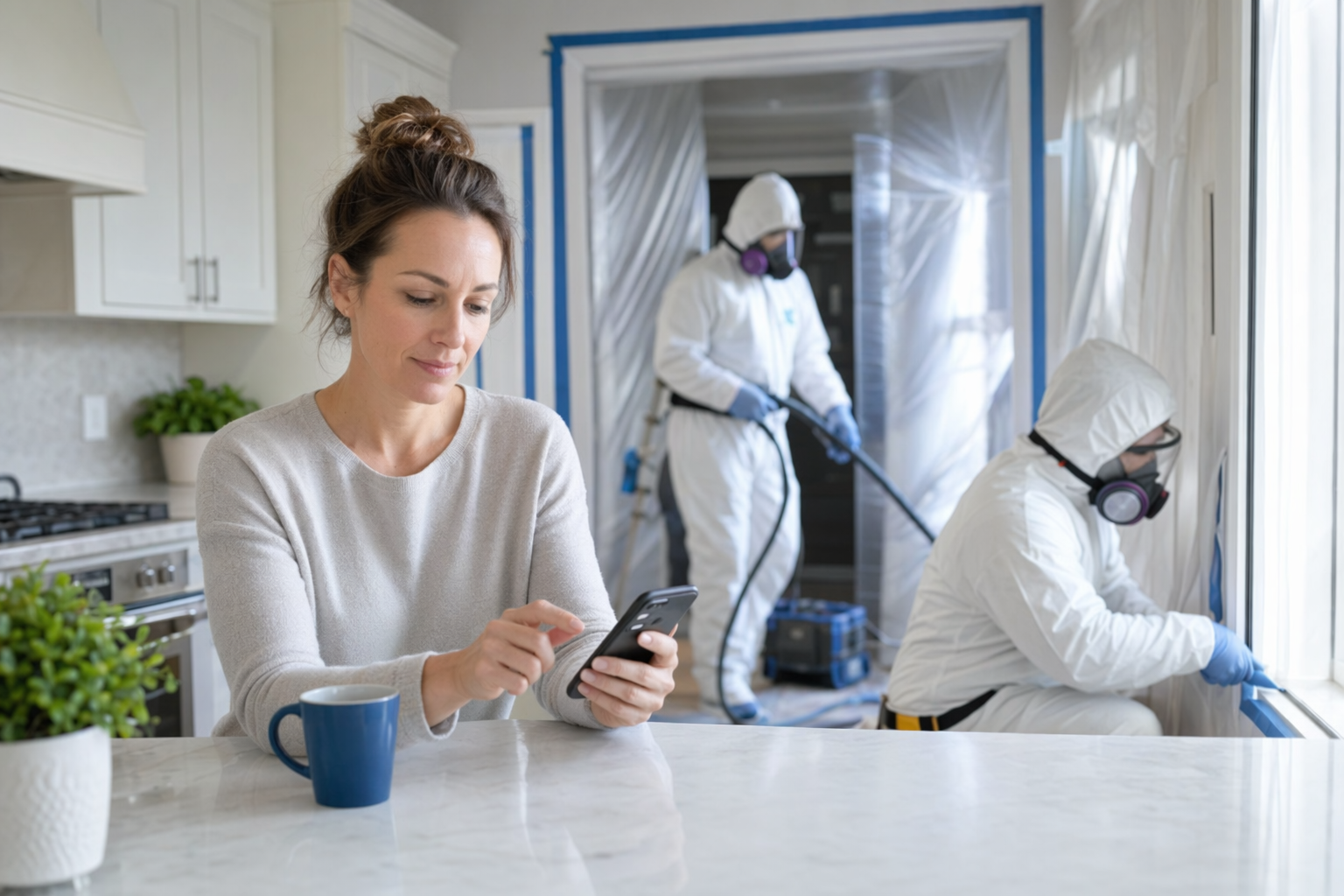
So… do you have to remove asbestos?
In many homes, asbestos does not need to be removed if it is in good condition and will not be disturbed. In those cases, professionals may recommend managing (containing) it safely until you can address it in the right way.
Removal is more likely to be recommended when materials are damaged, friable (can crumble by hand pressure), or located where future work will disturb them (for example, demolition, plumbing/electrical work, or major renovations). Sometimes the best choice is encapsulation or enclosure; the safest path depends on the specific situation.
Because rules and required actions can vary by state and by the exact type of material, treat “removal” as a decision that must be made after proper inspection and testing by a qualified pro—not a DIY project.
- “Don’t disturb it” is the safest default while you figure out what it is and how to handle it.
Why testing comes first (and why DIY is risky)
Asbestos can be present in certain building materials in older homes (commonly before the 1980s, though timing varies by product). Visual clues are not reliable—materials can look similar even when one contains asbestos and another does not.
When suspected asbestos is disturbed, microscopic fibers can become airborne. That’s why the safest step is to keep the area undisturbed and have a certified professional collect proper samples and test them in an accredited lab.
If you plan renovations, remember: you may also run into other regulated hazards like lead paint. In pre-1978 homes, disturbing painted surfaces generally requires EPA Lead RRP (Renovation, Repair and Painting) certified work practices. Even if your main concern is asbestos, the overall safety plan should cover all hazards that could be present.
- Do not rely on “it looks okay” or “we’ll just scrape it off” advice—testing and containment procedures are what protect people.
What a qualified asbestos pro should do
A reputable, certified asbestos professional typically starts with an assessment and then explains your options based on the material type and condition. They should discuss whether the safest approach is removal, encapsulation, enclosure, or ongoing management.
For testing, look for a process that includes careful sampling methods and lab analysis through accredited testing. For abatement work, proper containment is essential—work areas should be sealed, filtered air/cleaning procedures should be used, and waste must be disposed of correctly.
Before any work begins, ask for a written scope that explains the steps, containment plan, expected cleanup/clearance approach, and how waste will be handled. If they can’t explain it clearly or want you to sign quickly, that’s a red flag.
- Containment and proper disposal are not optional—these protect occupants and workers.
How to verify certification and licensing (don’t skip this)
Asbestos rules are handled at the state level for licensing/abatement, while asbestos testing and related work may involve additional requirements (including lab accreditation for testing). Because requirements vary by location, you should verify credentials yourself with your state agency and any relevant EPA resources.
Here’s a practical way to check:
1. Ask the pro for their current state asbestos license/registration and the specific type of work they’re allowed to do (testing vs. abatement).
2. Confirm their insurance coverage appropriate for asbestos work (general liability and, when applicable, specific coverage).
3. If they will collect samples, ask where the samples will be tested and whether the lab is accredited.
4. If the work involves painted surfaces in a pre-1978 home, ask whether EPA Lead RRP certification is required and how lead-safe practices will be used.
When verifying, look for a clear match between the work they propose and the credentials they provide. If anything doesn’t line up, pause and ask more questions.
- Abatewell can help you find pros, but you still need to verify licensing/certification with your state or EPA.
Red flags in asbestos situations (scams and shortcuts)
Be cautious if someone suggests that asbestos can be safely handled with simple scraping/sanding, or if they don’t talk about containment, cleaning, and disposal. “We’ll just remove it fast” without explaining the safety controls is a major concern.
Other common red flags:
- No license or certification for the specific job they’re offering
- No containment plan (no sealed work area, no controlled cleanup)
- Cash-only payments or strong pressure to sign on the spot
- Scare tactics that claim instant health doom without offering a clear plan
- No written scope, no written price/scope breakdown, or refusal to discuss testing/clearance steps
Get the work scope and any estimated cost details in writing before you agree. Costs depend on material type, amount, access, required containment and disposal, and local requirements—so ranges are only a starting point, not a guarantee.
- If you feel pressured or hear “trust us,” stop and get a second opinion from a properly credentialed pro.
What will it cost to address asbestos?
There’s no single price because the answer depends on what’s suspected (or confirmed), how much is present, whether it’s damaged, and what containment/cleanup is required. Testing, removal, disposal, and (sometimes) clearance procedures can all affect the total.
In general, you might see cost ranges that vary widely:
- Testing/sampling: often a few hundred dollars, depending on the number of samples and site complexity
- Abatement/removal: commonly ranges from several thousand dollars up to much higher for larger or more complicated projects
These are broad ranges—not quotes. For a more realistic number, you’ll need a site evaluation by a licensed pro. If you want to explore typical budget ranges, see our cost guidance and then use Abatewell to get matched with credentialed professionals near you.
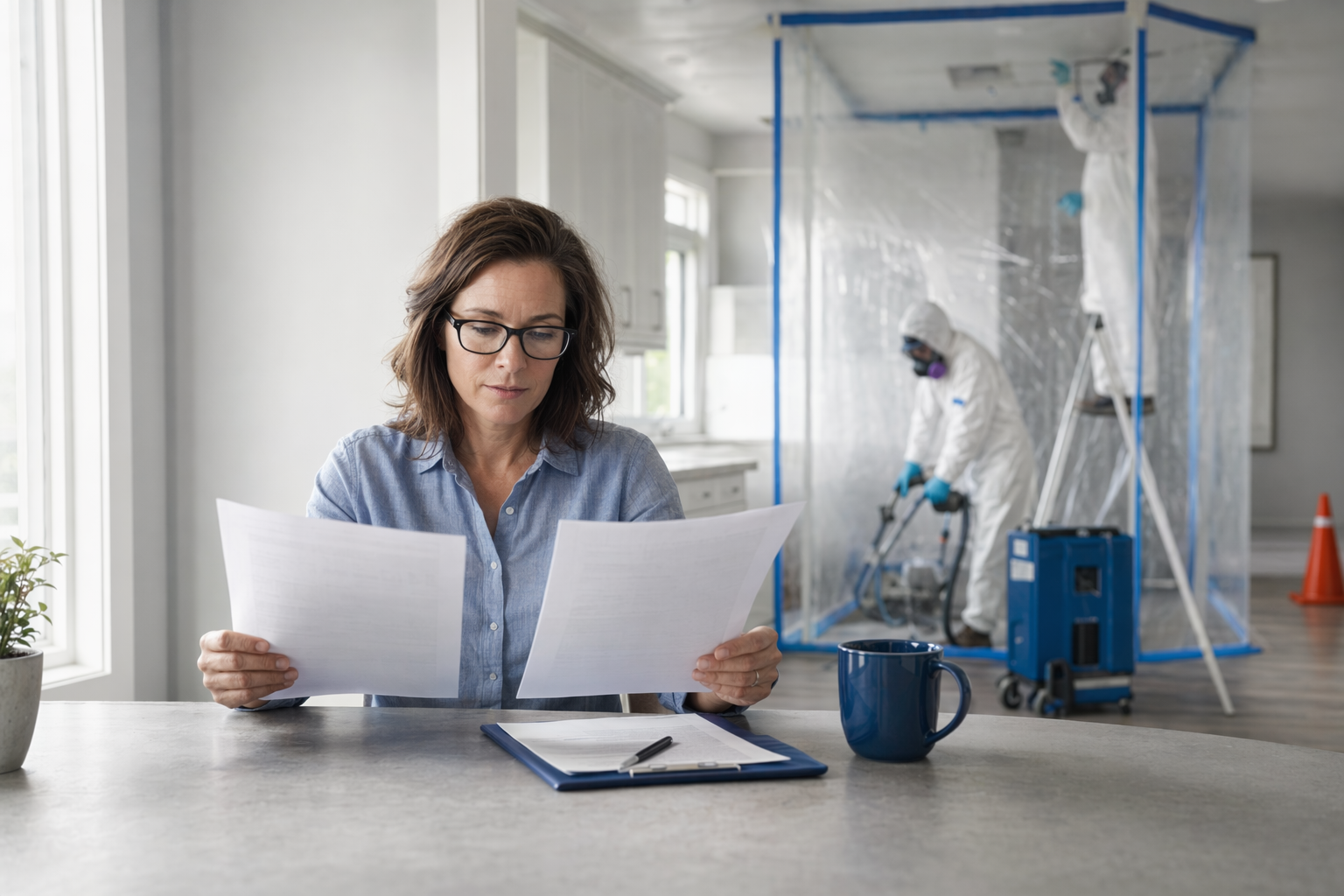
You usually don’t have to remove asbestos right away, but you should never disturb suspected material—get it tested first by a properly licensed pro and verify credentials with your state or EPA.
Common questions
I think I have asbestos. Does that mean I must remove it immediately?
Not necessarily. Many cases can be safely managed if the material is in good condition and won’t be disturbed. The safest next step is to keep the area undisturbed and get it tested by a licensed, certified professional so you can choose the right option.
Can I just scrape or seal it myself?
It’s generally not recommended. Disturbing suspected asbestos can release fibers, and safe handling requires correct containment, cleaning, and proper disposal. If you want to address it, use a certified pro and ask for a written scope of work.
What should I ask an asbestos testing/abatement company before they start?
Ask whether they’re licensed for the specific task they’ll do, how sampling/testing will work, and what their containment and disposal plan is. Also request a written scope, and verify their credentials with your state or relevant EPA resources.
How can I verify asbestos licensing in my state?
Start by asking the pro for their current state license/registration and insurance. Then confirm those details using your state asbestos licensing agency or official listings (and verify any EPA-related certifications if other hazards like lead are involved).
Is Abatewell a company that tests or removes asbestos?
No. Abatewell is a free matching/directory service. We help you find licensed, certified testing and abatement professionals near you, but we do not test or remove asbestos and we don’t provide medical or legal advice.