Quick answers
Are home asbestos test kits reliable?
Home asbestos test kits can be unreliable and unsafe to use. If you suspect asbestos, the safest move is to avoid disturbing it and hire a licensed, certified asbestos testing professional to test it properly.
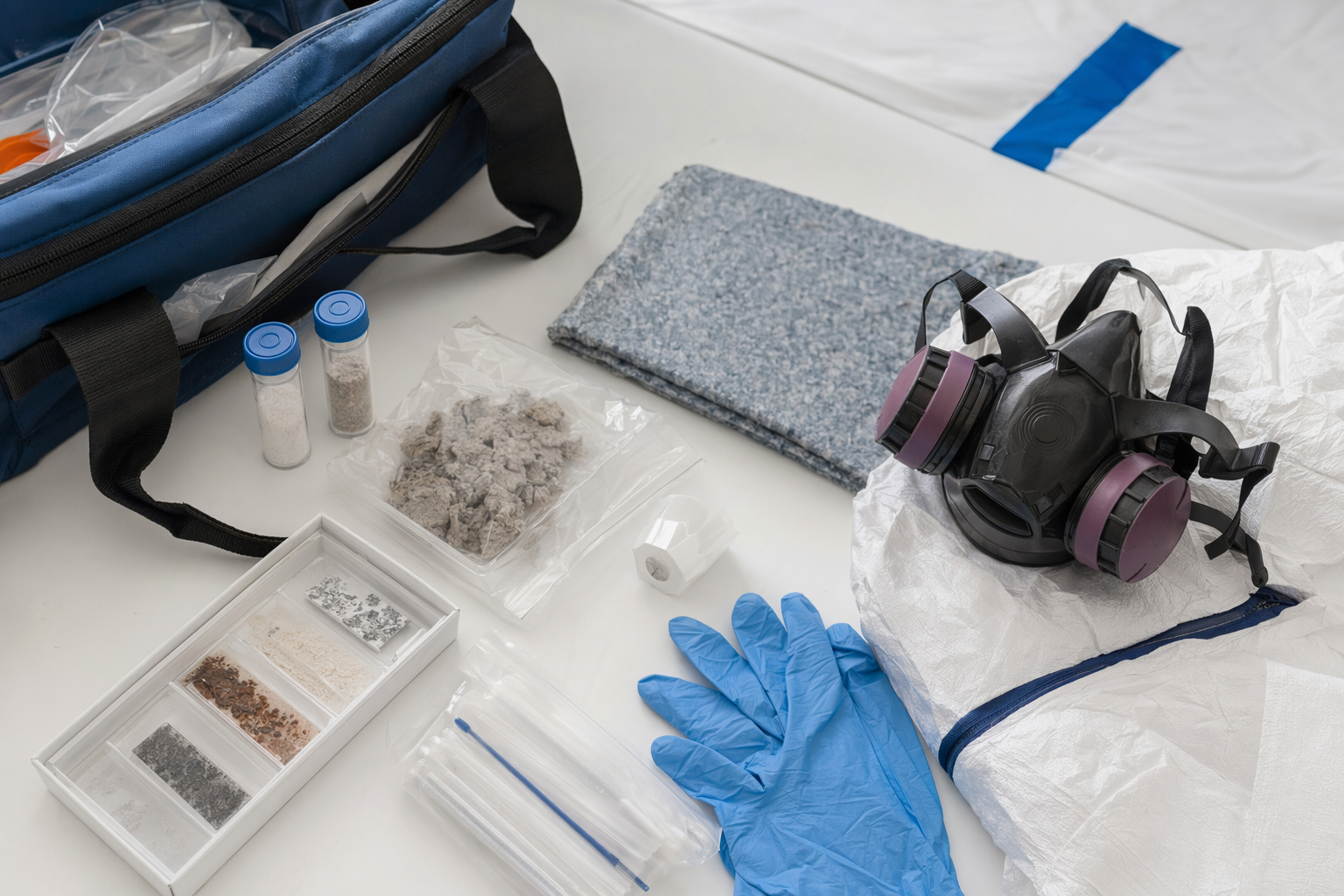
What to do right now if you suspect asbestos
If you think materials in your home might contain asbestos, don’t scrape, cut, sand, or drill it—especially if it’s damaged or you’re not sure what it is.
- Keep people and pets away from the area. If there’s dust or debris, close doors and limit airflow.
- Don’t “test it yourself” if that would require collecting samples. Disturbing suspect asbestos can spread fibers.
- Contact a licensed, certified asbestos testing professional to confirm with lab analysis.
- If you think a child or someone is having health symptoms, contact a doctor or your local health department for guidance.
Abatewell is a FREE matching/directory service that can help you find licensed, certified lead and asbestos professionals near you—but we don’t test or remove asbestos ourselves. For best safety, start with testing before any renovation.
- Don’t disturb suspect asbestos (no scraping, sanding, or drilling).
- Get it tested first by a certified pro with proper sample handling.
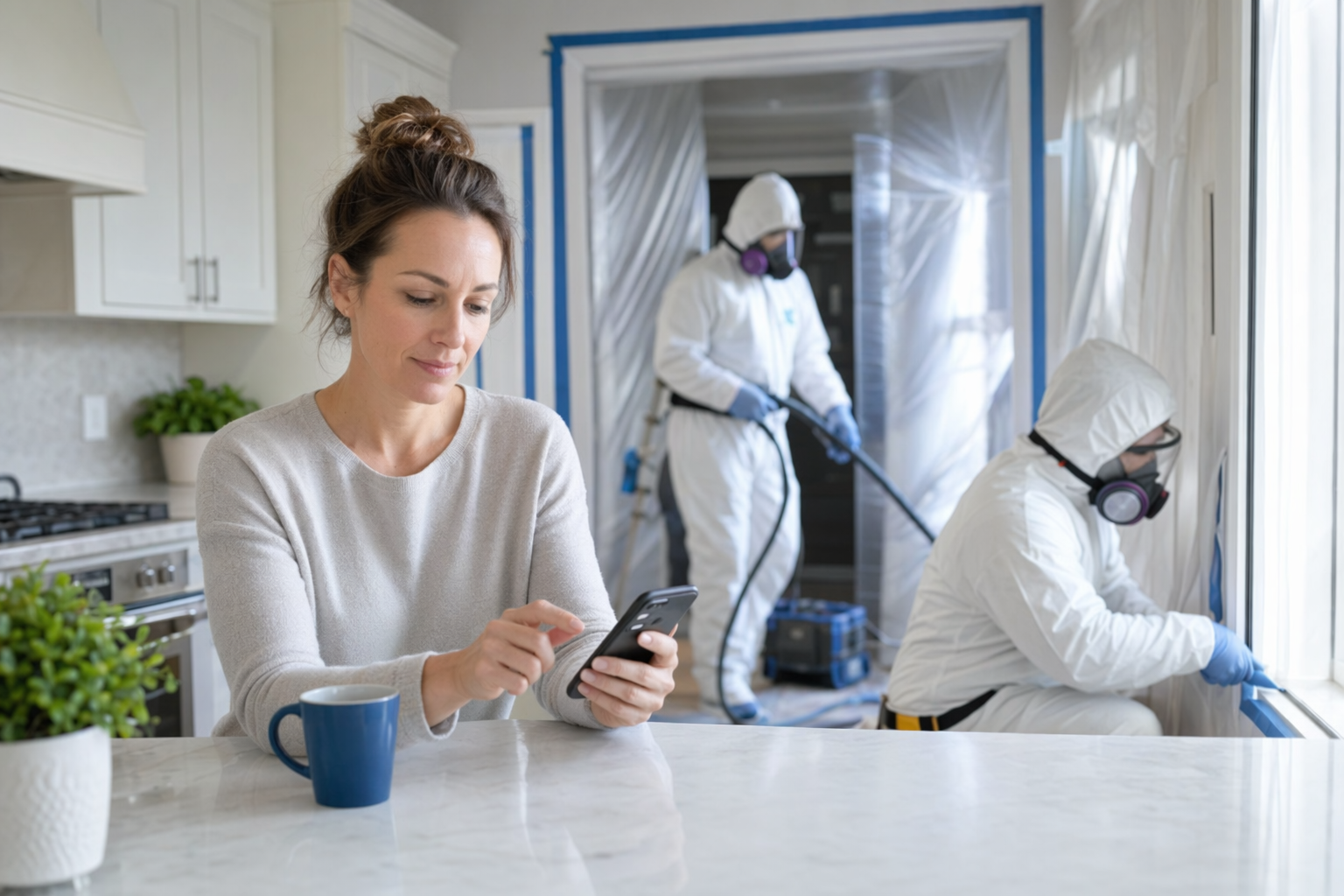
Are home asbestos test kits reliable?
In many situations, home test kits are not reliably accurate—and they can be risky to use. Asbestos is a microscopic fiber hazard. Kits often require you to collect a sample in a way that may disturb materials, and the results depend on how the sample was taken and handled.
Even when a kit includes lab analysis, the process may not match the standards used by licensed asbestos testing professionals. Proper sampling usually includes choosing representative locations, preventing cross-contamination, sealing and labeling samples correctly, and using accredited lab methods.
Bottom line: a “test kit result” may not be enough to safely decide what to do next. If your goal is to protect your home and your family, treat kit results cautiously and ask a certified asbestos professional to confirm—or test using their process.
- Sampling and lab handling matter a lot for accuracy.
- Even accurate results may not be enough for safe renovation decisions.
When you should get professional asbestos testing instead
Professional testing is the safer, more dependable choice when:
- You plan any renovation, remodeling, demolition, or flooring/plaster work.
- Materials look damaged (crumbling, peeling, water-damaged, or releasing dust).
- The suspect material is in areas where fibers could spread (insulation, ceiling materials, older pipe wraps, textured coatings, some flooring adhesives).
- You’re trying to decide what precautions to take before work starts.
If you’re unsure whether something contains asbestos, assume it could—until it’s confirmed by an accredited lab through a certified testing process. Certified pros follow state and local requirements, use the right containment and documentation practices, and can explain what results mean for next steps.
If you suspect asbestos after discovering it during a real-estate transaction or pre-renovation inspection, testing should come before you start work. This is also when it’s especially important to verify that the tester and lab are qualified.
- Choose professional testing before you disturb materials.
- Damaged materials increase the urgency.
Red flags for asbestos testing or abatement scams
Asbestos work is heavily regulated. Be cautious of anyone who tries to rush you, doesn’t verify credentials, or suggests you can “just scrape it off.” Common red flags include:
- No visible state license or asbestos certification for the work being offered
- “We don’t need containment” or “Don’t worry about dust”
- Pressure tactics to sign quickly or start work the same day
- Cash-only payments without paperwork
- Vague promises like “We’ll remove it all safely” without a clear scope
- Advice to DIY sample collection or to disturb suspect materials to “get it over with”
Also watch for testing claims that don’t explain their method, chain of custody, or lab accreditation. Ask for the testing plan and lab details up front.
If anyone is selling fear or telling you to skip verification, slow down. A trustworthy pro should be able to explain the process, answer questions calmly, and help you understand how results are produced and documented.
- Skip anyone who downplays containment or credentials.
- Ask for a clear plan, documentation, and proof of certification.
How to verify certification (EPA for lead RRP, state for asbestos)
Lead and asbestos are regulated differently. For lead-related renovation in pre-1978 homes, the EPA Lead RRP (Renovation, Repair and Painting) program requires certified renovators when disturbing painted surfaces. For asbestos, the key is state licensing and rules.
To verify a pro is qualified, you should check:
- State asbestos licensing: confirm they’re licensed for the specific type of asbestos work/testing allowed in your state.
- Testing lab accreditation: ask whether samples go to an accredited lab and how results are reported.
- Insurance: confirm appropriate liability coverage.
- Written scope: request what they will sample (and how), how they’ll prevent fiber spread, and what you’ll receive (report + recommendations).
If a company says they’re qualified but can’t provide license/certification details, that’s a major warning sign. Verification must be done by you with your state’s licensing or regulatory authority (and for lead RRP, through EPA’s certification information).
If you want general guidance on what’s involved, you can also browse our guides and answers, then use Abatewell to help you find qualified professionals near your ZIP code through get-matched.
- Asbestos qualification is typically verified through your state’s licensing rules.
- Lead RRP is the EPA certification for disturbing pre-1978 paint.
Costs: what you might pay for asbestos testing (rough ranges)
Prices vary a lot based on your location, the number of suspect materials, how accessible they are, and what lab and documentation requirements apply. A kit price is only one part of the total cost—your time, safety risk, and potential need for professional confirmation can add up.
For professional asbestos testing, common cost patterns include:
- Sample collection and lab analysis (often priced per sample or per project scope)
- Travel and minimum service fees
- Reporting and documentation (which may be required for decisions during renovation or property sale)
As a general planning range, many homeowners pay somewhere around a few hundred dollars to test a small number of suspect materials, and more if there are multiple areas or complicated access. If containment-related work is needed (or if abatement follows testing), that can increase costs significantly—often running into the thousands depending on the job.
These are ranges, not quotes. Use the costs information to understand what affects pricing, then ask any licensed pro for a written scope and itemized price before work starts.
- Expect costs to depend on number of samples and complexity—not just “a test.”
- Always get a written, itemized scope from a licensed pro.
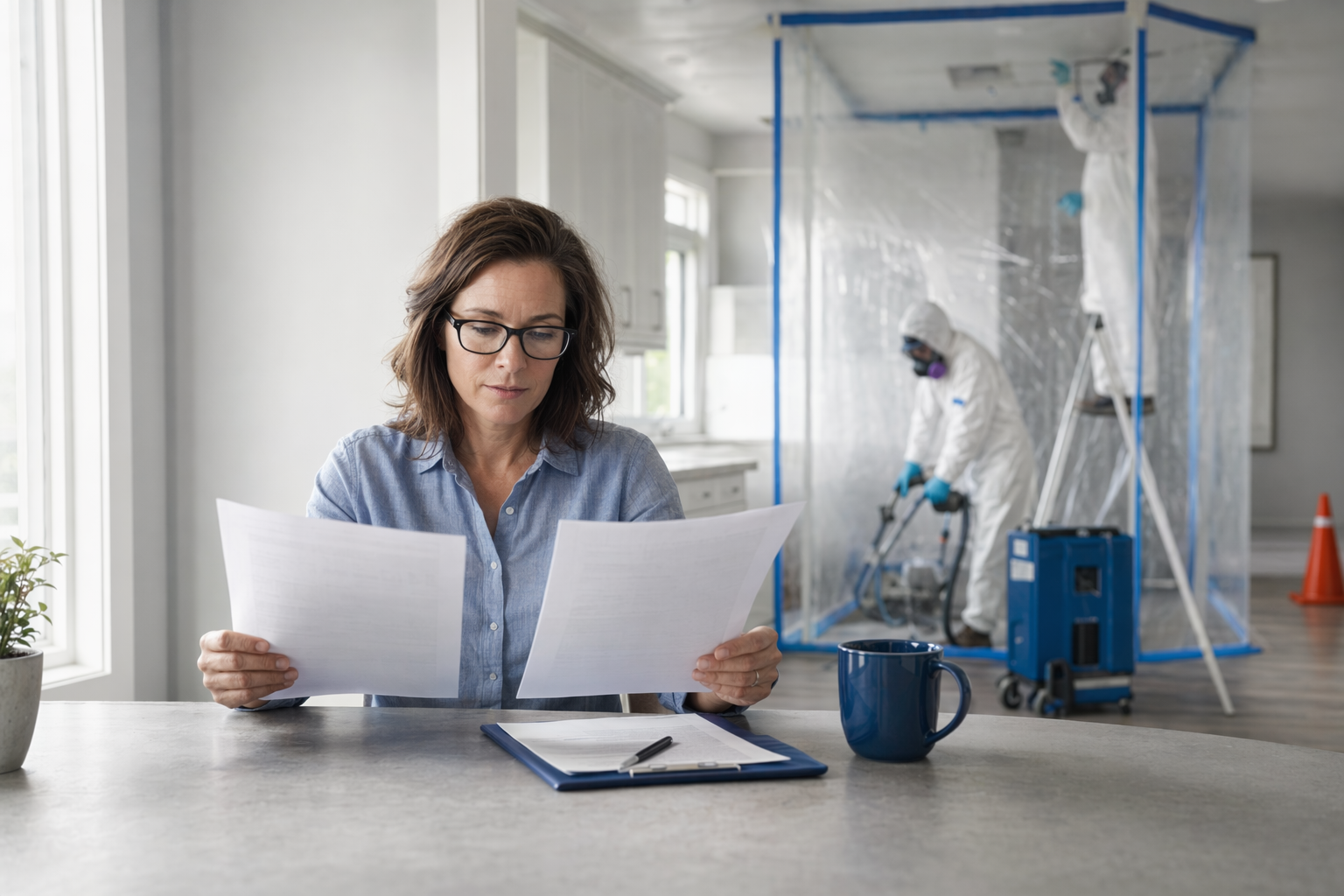
Home asbestos test kits may be unreliable and can require disturbing materials, so the safest option is to avoid it and get confirmed testing by a licensed, certified professional.
Common questions
If my home asbestos test kit comes back negative, can I trust that?
Not always. Kit accuracy can be limited by how the sample was collected and how it was handled, and asbestos can vary by location and material type. If you plan any renovation or demolition, it’s safest to confirm with a licensed, certified testing professional and an accredited lab report.
Is it safe to take my own asbestos sample?
Often, it’s not the safest option. Collecting samples can disturb materials and release fibers into the air. For most situations, the safer approach is to keep people away, don’t disturb the material, and hire a certified asbestos tester to sample with proper precautions.
What should I ask an asbestos testing pro before they start?
Ask for their state license/certification, the testing/lab method and accreditation, how they will collect and package samples to prevent cross-contamination, and what you will receive in the final report. Also ask what recommendations they provide based on results.
Does EPA regulate asbestos like it does lead?
EPA has asbestos-related rules, but asbestos work is commonly enforced through state licensing and local requirements. In contrast, EPA’s Lead RRP certification is specifically for lead-safe work practices when disturbing pre-1978 painted surfaces. Always verify the relevant credentials in your state.